[{"name":"Langtang Valley Trek \u2014 10 Days","duration":"10","image_url":"https:\/\/www.majestictrailsnepal.com\/storage\/trip-galleries\/1\/thumb_e7907ed736676d12e6ab17328008e746.webp","offer_price":null,"url":"https:\/\/www.majestictrailsnepal.com\/trips\/langtang-valley-trek"},{"name":"Everest Base Camp Trek","duration":"14","image_url":"https:\/\/www.majestictrailsnepal.com\/storage\/trip-galleries\/2\/thumb_4b769c9c4b5b007a61f4ce3b76ff440d.webp","offer_price":null,"url":"https:\/\/www.majestictrailsnepal.com\/trips\/everest-base-camp-trek"},{"name":"Everest Panorama Trek","duration":"9","image_url":"https:\/\/www.majestictrailsnepal.com\/storage\/trip-galleries\/3\/thumb_e6ee74caea3e2900c23ca370b06bab80.webp","offer_price":null,"url":"https:\/\/www.majestictrailsnepal.com\/trips\/everest-panorama-trek"},{"name":"Annapurna Base Camp Trek","duration":"14","image_url":"https:\/\/www.majestictrailsnepal.com\/storage\/trip-galleries\/4\/thumb_3f8d40f9472f701d7c46a827925201bc.webp","offer_price":null,"url":"https:\/\/www.majestictrailsnepal.com\/trips\/annapurna-base-camp-trek"},{"name":"Annapurna Base Camp Express Trek","duration":"9","image_url":"https:\/\/www.majestictrailsnepal.com\/storage\/trip-galleries\/5\/thumb_bac80de2bd257d651fa75d9c8025da1a.webp","offer_price":null,"url":"https:\/\/www.majestictrailsnepal.com\/trips\/annapurna-base-camp-express-trek"},{"name":"Annapurna Circuit Trek","duration":"15","image_url":"https:\/\/www.majestictrailsnepal.com\/storage\/trip-galleries\/6\/thumb_b73bdec74acacaa0d72a2a2a513f3d4a.webp","offer_price":null,"url":"https:\/\/www.majestictrailsnepal.com\/trips\/annapurna-circuit-trek"},{"name":"Ghorepani Poon Hill Trek","duration":"8","image_url":"https:\/\/www.majestictrailsnepal.com\/storage\/trip-galleries\/7\/thumb_aeda9e6388ab2692138cc9c9efa81a7f.webp","offer_price":null,"url":"https:\/\/www.majestictrailsnepal.com\/trips\/ghorepani-poon-hill-trek"},{"name":"Mardi Himal Trek \u2014 9 Days","duration":"9","image_url":"https:\/\/www.majestictrailsnepal.com\/storage\/trip-galleries\/8\/thumb_c511ee87ecab8ff015210dd647392d66.webp","offer_price":null,"url":"https:\/\/www.majestictrailsnepal.com\/trips\/mardi-himal-trek"},{"name":"Manaslu Circuit Trek","duration":"15","image_url":"https:\/\/www.majestictrailsnepal.com\/storage\/trip-galleries\/9\/thumb_7726908390ad6b249f2f6a7856f9dc17.webp","offer_price":null,"url":"https:\/\/www.majestictrailsnepal.com\/trips\/manaslu-circuit-trek"},{"name":"Upper Mustang Trek","duration":"16","image_url":"https:\/\/www.majestictrailsnepal.com\/storage\/trip-galleries\/10\/thumb_6a9b52ecd1d8cda92d594e5351431d6e.webp","offer_price":null,"url":"https:\/\/www.majestictrailsnepal.com\/trips\/upper-mustang-trek"},{"name":"Pokhara City Tour","duration":"1","image_url":"https:\/\/www.majestictrailsnepal.com\/storage\/trip-galleries\/11\/thumb_cf762ba4c20363bd1c0f239db35fcc84.webp","offer_price":null,"url":"https:\/\/www.majestictrailsnepal.com\/trips\/pokhara-city-tour"},{"name":"Paragliding in Pokhara","duration":"1","image_url":"https:\/\/www.majestictrailsnepal.com\/storage\/trip-galleries\/12\/thumb_b896201edf88bbe0f570e876c3c337a3.webp","offer_price":70,"url":"https:\/\/www.majestictrailsnepal.com\/trips\/paragliding-in-pokhara"},{"name":"Kathmandu City Tour","duration":"2","image_url":"https:\/\/www.majestictrailsnepal.com\/storage\/trip-galleries\/13\/thumb_846ad05bd3ce7bebb3843c24c08db6f9.webp","offer_price":null,"url":"https:\/\/www.majestictrailsnepal.com\/trips\/kathmandu-city-tour"},{"name":"Lumbini Buddhist Pilgrimage Tour","duration":"4","image_url":"https:\/\/www.majestictrailsnepal.com\/storage\/trip-galleries\/14\/a2998dca0ce22f28a61c3862dd47f6a3.webp","offer_price":null,"url":"https:\/\/www.majestictrailsnepal.com\/trips\/lumbini-buddhist-pilgrimage-tour"},{"name":"5 days langtang valley trek","duration":"5","image_url":"https:\/\/www.majestictrailsnepal.com\/storage\/trip-galleries\/15\/thumb_7a6c65c139b8085d220ac01913cb1448.webp","offer_price":510,"url":"https:\/\/www.majestictrailsnepal.com\/trips\/5-days-langtang-valley-trek"},{"name":"Leisure Port Nepal Price: Rafting and Camping Adventure","duration":"7","image_url":"https:\/\/www.majestictrailsnepal.com\/storage\/trip-galleries\/17\/thumb_02cb8c3f0697c7c5c4f73d744b47d87f.webp","offer_price":550,"url":"https:\/\/www.majestictrailsnepal.com\/trips\/leisure-port-nepal-price-rafting-and-camping-adventure"},{"name":"10 days spiritual tour in Nepal","duration":"10","image_url":"https:\/\/www.majestictrailsnepal.com\/storage\/trip-galleries\/18\/thumb_b4e7eba000673d1bce6b56abb422fe3b.webp","offer_price":1200,"url":"https:\/\/www.majestictrailsnepal.com\/trips\/10-days-spiritual-tour-in-nepal"},{"name":"Annapurna Circuit Short Trek","duration":"10","image_url":"https:\/\/www.majestictrailsnepal.com\/storage\/trip-galleries\/19\/thumb_769ee8cbe02a510d8db76419c97a2dc9.webp","offer_price":null,"url":"https:\/\/www.majestictrailsnepal.com\/trips\/annapurna-circuit-short-trek"},{"name":"Best Short Manaslu Circuit Trek","duration":"11","image_url":"https:\/\/www.majestictrailsnepal.com\/storage\/trip-galleries\/20\/thumb_ac1b4977a3fce9d11ee68240cad675b6.webp","offer_price":null,"url":"https:\/\/www.majestictrailsnepal.com\/trips\/best-short-manaslu-circuit-trek"},{"name":"Langtang Gosaikunda Trek","duration":"13","image_url":"https:\/\/www.majestictrailsnepal.com\/storage\/trip-galleries\/22\/thumb_577a6402f2ca4b3f12bfd80b96b33a23.webp","offer_price":940,"url":"https:\/\/www.majestictrailsnepal.com\/trips\/langtang-gosaikunda-trek"},{"name":"3 Passes Trek Nepal","duration":"22","image_url":"https:\/\/www.majestictrailsnepal.com\/storage\/trip-galleries\/24\/thumb_8020edea67aefce87e9012dc89a60087.webp","offer_price":null,"url":"https:\/\/www.majestictrailsnepal.com\/trips\/3-passes-trek-nepal"},{"name":"Tsum Valley Trek","duration":"13","image_url":"https:\/\/www.majestictrailsnepal.com\/storage\/trip-galleries\/25\/thumb_194c03e3c3463dff07a3f621a81ef9ea.webp","offer_price":null,"url":"https:\/\/www.majestictrailsnepal.com\/trips\/tsum-valley-trek"},{"name":"Gokyo and Renjo La Pass Trek","duration":"14","image_url":"https:\/\/www.majestictrailsnepal.com\/storage\/trip-galleries\/26\/thumb_7b865f0f0d0d4c6807b625b6e391b56d.webp","offer_price":1490,"url":"https:\/\/www.majestictrailsnepal.com\/trips\/gokyo-and-renjo-la-pass-trek"},{"name":"Honeymoon Tour in Nepal","duration":"9","image_url":"https:\/\/www.majestictrailsnepal.com\/storage\/trip-galleries\/27\/thumb_dabf449c090bb16efd5823c653eb61b3.webp","offer_price":null,"url":"https:\/\/www.majestictrailsnepal.com\/trips\/honeymoon-tour-in-nepal"},{"name":"Pikey Peak Trek","duration":"10","image_url":"https:\/\/www.majestictrailsnepal.com\/storage\/trip-galleries\/28\/thumb_5425e57ce3ea84d31a7b24b83b1af94f.webp","offer_price":1090,"url":"https:\/\/www.majestictrailsnepal.com\/trips\/pikey-peak-trek"},{"name":"Makalu Base Camp Trek","duration":"17","image_url":"https:\/\/www.majestictrailsnepal.com\/storage\/trip-galleries\/29\/thumb_d68c8ec6492540c922045d825a38cd50.webp","offer_price":null,"url":"https:\/\/www.majestictrailsnepal.com\/trips\/makalu-base-camp-trek"},{"name":"Nepal Winter Tour","duration":"8","image_url":"https:\/\/www.majestictrailsnepal.com\/storage\/trip-galleries\/30\/thumb_c8491c0c4b1fb19d8e93630866895799.webp","offer_price":null,"url":"https:\/\/www.majestictrailsnepal.com\/trips\/nepal-winter-tour"},{"name":"Maratika Tour in Nepal","duration":"6","image_url":"https:\/\/www.majestictrailsnepal.com\/storage\/trip-galleries\/31\/thumb_97948560c5a12a486f9ac2b76567cafd.webp","offer_price":null,"url":"https:\/\/www.majestictrailsnepal.com\/trips\/maratika-tour-in-nepal"},{"name":"Nepal Lake Trek","duration":"14","image_url":"https:\/\/www.majestictrailsnepal.com\/storage\/trip-galleries\/32\/thumb_d9b260fe13127816f5b3c25447caf70c.webp","offer_price":null,"url":"https:\/\/www.majestictrailsnepal.com\/trips\/nepal-lake-trek"},{"name":"Taste of Nepal Tour Package","duration":"9","image_url":"https:\/\/www.majestictrailsnepal.com\/storage\/trip-galleries\/33\/thumb_f4b55ab5760a8e057b4c3e208e25ab36.webp","offer_price":null,"url":"https:\/\/www.majestictrailsnepal.com\/trips\/taste-of-nepal-tour-package"},{"name":"Poon Hill Yoga Trek in Nepal","duration":"9","image_url":"https:\/\/www.majestictrailsnepal.com\/storage\/trip-galleries\/34\/thumb_904b238e690107c5c9b1092296880cc9.webp","offer_price":null,"url":"https:\/\/www.majestictrailsnepal.com\/trips\/poon-hill-yoga-trek-in-nepal"},{"name":"Nar Phu Nepal Trek","duration":"10","image_url":"https:\/\/www.majestictrailsnepal.com\/storage\/trip-galleries\/35\/thumb_f959e3e22c260629add0ba61a4038812.webp","offer_price":null,"url":"https:\/\/www.majestictrailsnepal.com\/trips\/nar-phu-nepal-trek"},{"name":"Annapurna Base Camp Helicopter Tour","duration":"1","image_url":"https:\/\/www.majestictrailsnepal.com\/storage\/trip-galleries\/36\/thumb_e81861e8772a9d7fac92ab4a7d43e3bf.webp","offer_price":null,"url":"https:\/\/www.majestictrailsnepal.com\/trips\/annapurna-base-camp-helicopter-tour"},{"name":"Annapurna Circuit with Nar Phu Valley Trek","duration":"16","image_url":"https:\/\/www.majestictrailsnepal.com\/storage\/trip-galleries\/38\/thumb_b70692cbd1c1dd772587c940be2d0bc9.webp","offer_price":null,"url":"https:\/\/www.majestictrailsnepal.com\/trips\/annapurna-circuit-with-nar-phu-valley-trek"}]
Introduction: Understanding Makalu Base Camp Trek Difficulty
The Makalu Base Camp trek difficulty requires honest evaluation before committing to this adventure. Unlike popular routes like Everest Base Camp or Annapurna Circuit, this is a genuine expedition-level journey. It demands serious physical preparation, strong mental resilience, and realistic self-assessment.
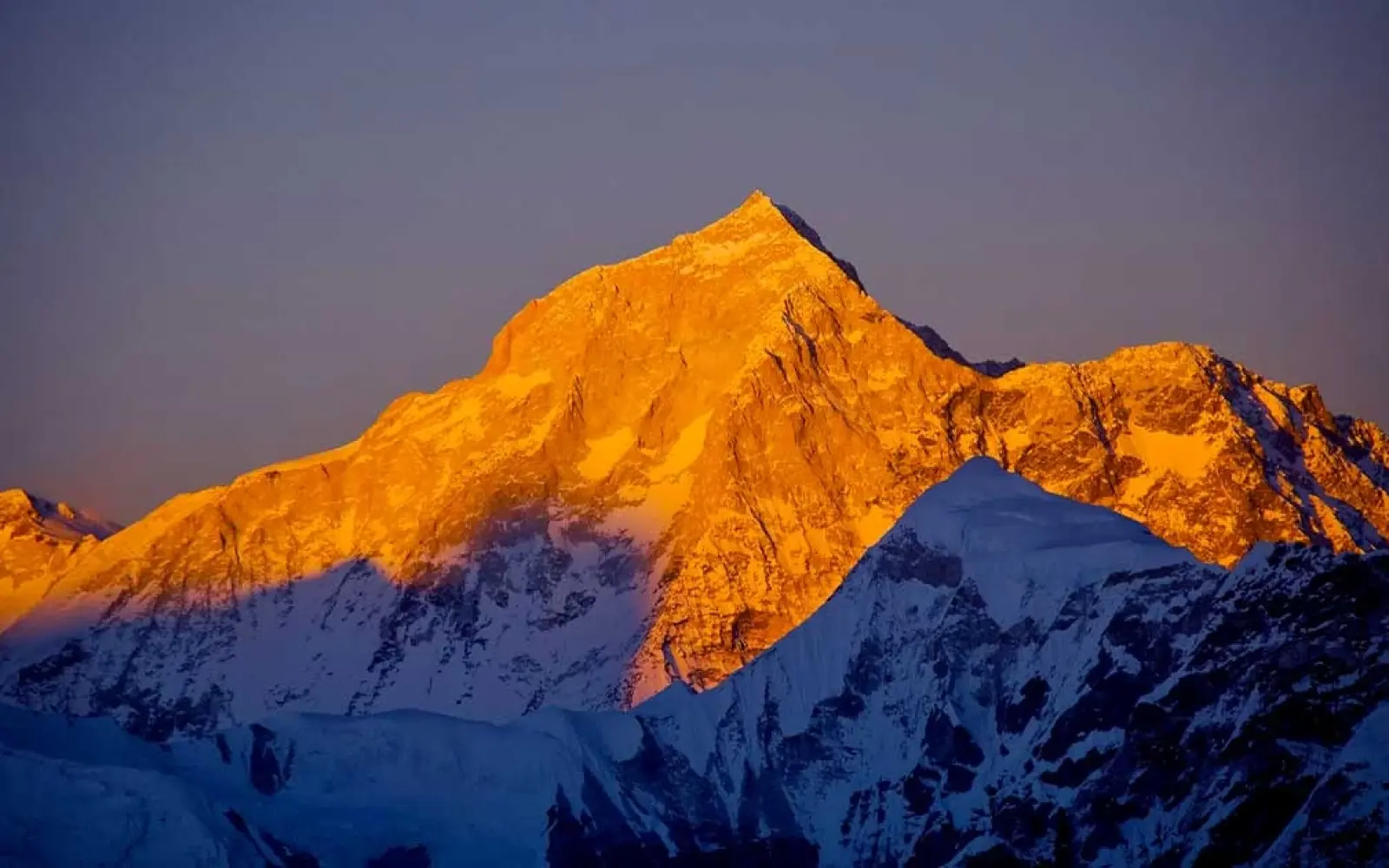
Beneath the world's fifth-highest peak at 8,485 meters, the trail crosses Nepal's most remote terrain. Dramatic elevation changes, technical sections, unpredictable weather, and minimal infrastructure make this significantly tougher than commercial alternatives.
However, challenging doesn't mean impossible. With proper preparation and realistic expectations, determined trekkers complete this magnificent journey every season. The rewards—pristine wilderness, incredible biodiversity, and uncrowded trails—make every difficult step worthwhile.
This comprehensive guide covers every challenge you'll face. You'll learn exactly how to prepare for Nepal's most demanding high-altitude trekking experience and return home with memories lasting a lifetime.
"I've guided both Everest and Makalu treks for fifteen years. Makalu tests trekkers differently—it's the remoteness combined with technical terrain that catches people off guard. But those who prepare properly never regret choosing this route." — Pemba Sherpa, Senior Guide, Majestic Trails Nepal
How Makalu Base Camp Trek Difficulty Compares to Other Routes
Understanding where Makalu stands among Nepal's popular treks helps set realistic expectations for your adventure.
Trek
Difficulty Grade
Max Elevation
Duration
Everest Base Camp
Moderate to Challenging
5,545m
12-14 days
Annapurna Circuit
Moderate to Challenging
5,416m
15-18 days
Manaslu Circuit
Challenging
5,106m
14-16 days
Makalu Base Camp
Strenuous to Very Strenuous
4,870m-5,780m
18-22 days
Kanchenjunga Base Camp
Strenuous to Very Strenuous
5,143m
20-24 days
What Makes This Trek Uniquely Demanding?
Remote Wilderness Setting: No road access beyond Tumlingtar airstrip. Limited evacuation options throughout the route. Minimal medical facilities along the trail. You'll spend days away from rescue infrastructure, requiring complete self-reliance.
Extreme Elevation Profile: Starting at just 360m near Tumlingtar, you gain approximately 4,500m within 10-12 trekking days. Total elevation change exceeds 12,000m due to constant ascents and descents. This roller-coaster profile exhausts trekkers faster than gradual climbs.
Technical Trail Sections: Rock scrambles requiring hands for balance and progress. Exposed ridgelines with significant drop-offs. Basic river crossings on logs or stones. Challenging moraine navigation near base camp across unstable glacial debris.
Extended Commitment: Minimum 18 days in wilderness with no easy bailout points. Once you're committed, turning back means retracing difficult terrain. Cumulative fatigue becomes a major factor affecting both body and mind.
Altitude Challenges Contributing to Makalu Base Camp Trek Difficulty
Understanding the Elevation Profile
Location
Elevation
Days from Start
Key Challenge
Tumlingtar (Start)
360m
0
Heat and humidity
Num
1,560m
1
Initial climbing
Seduwa
1,500m
2
River valley terrain
Tashigaon
2,100m
3
Altitude adjustment begins
Khongma
3,500m
5
First significant altitude
Dobato
3,650m
6-7
Acclimatization critical
Langmale Kharka
4,410m
9-10
High altitude zone
Makalu Base Camp
4,870m
11-12
Maximum elevation
Unlike treks beginning at 2,000-3,000m, Makalu starts near sea level. Your body must adapt rapidly to dramatically reduced oxygen levels. This makes proper acclimatization absolutely critical for safe completion and enjoyment.
The unique challenge lies in the constant up-and-down nature of the trail. You'll descend into valleys only to climb back up repeatedly. This prevents the steady acclimatization that gradual ascent provides on other treks.
Acute Mountain Sickness (AMS) Risk
Research on high-altitude trekkers reveals concerning statistics:
50-60% experience mild AMS symptoms at some point
10-15% require treatment, rest days, or descent
2-3% experience severe altitude illness (HACE or HAPE)
Warning Signs Requiring Immediate Action:
Severe headache unrelieved by medication and rest
Persistent vomiting or inability to keep food down
Difficulty walking straight line (ataxia test failure)
Confusion, disorientation, or altered mental state
Wet cough, chest tightness, or breathing difficulty at rest
Rest Days: Never skip scheduled acclimatization stops regardless of how good you feel
Medication: Discuss Diamox prophylaxis with your doctor before departure
Communication: Report any symptoms immediately to your guide without embarrassment
Nutrition: Maintain caloric intake even when appetite decreases
Sleep: Prioritize rest and avoid alcohol completely at altitude
Pro Tip: Pale yellow urine indicates proper hydration. Dark urine signals dehydration and significantly increases AMS risk. Check every time you urinate.
Physical Fitness Requirements for Makalu Base Camp Trek Difficulty
What "Fit Enough" Actually Means
Many trekkers underestimate the physical demands of this route. Here's honest assessment of requirements:
Minimum Baseline Requirements:
Hike 5-6 hours continuously carrying 8-10kg pack
Ascend 800-1,000m elevation gain per session without excessive fatigue
Sustain moderate-to-hard exertion for multiple consecutive days
Recover sufficiently overnight to repeat demanding efforts daily
Handle rough, uneven terrain without ankle or knee problems
Ideal Preparation Level:
Hike 6-8 hours with 10-12kg pack comfortably
Handle 1,000m+ daily elevation gain without struggling
Complete week-long backpacking trips successfully
Train specifically for 3-4 months before departure
Include strength training alongside cardiovascular work
Sample Daily Challenges on the Trail
Trek Section
Duration
Elevation Change
Difficulty Level
Num to Seduwa
6-7 hours
+900m/-100m
Moderate
Seduwa to Tashigaon
5-6 hours
+600m
Moderate
Tashigaon to Khongma
7-8 hours
+1,400m
Very Demanding
Khongma to Dobato
5-6 hours
+150m
Moderate (but altitude)
Dobato to Yangri Kharka
4-5 hours
-100m/+200m
Moderate
Langmale to Sherson
4-5 hours
+205m
Challenging (altitude)
Sherson to Base Camp
5-6 hours
+255m
Tough (altitude + terrain)
Recommended Training Program
Months 1-2: Build Cardiovascular Base
Complete 4-5 cardio sessions weekly without fail
Duration: 45-90 minutes per session at moderate intensity
Include hiking, stair climbing, running, cycling variety
Add 2-3 strength sessions weekly focusing on legs and core
Begin wearing trekking boots during training walks
Months 3-4: Trek-Specific Preparation
Weekly long hikes: 4-6 hours with fully loaded pack
Practice back-to-back training days simulating trek conditions
Train on rough, uneven terrain whenever possible
Break in trekking boots completely (minimum 100+ km)
Include elevation gain in training—find hills or use stair climber
Practice hiking early morning to simulate trek schedule
Final Two Weeks: Taper and Prepare
Reduce training volume by 40-50%
Maintain intensity but shorten duration
Focus on rest, sleep, and nutrition
Complete final gear checks and packing
Begin hydration focus before departure
Trail Conditions Adding to Makalu Base Camp Trek Difficulty
What to Expect Section by Section
Lower Sections (360m-2,100m): Well-defined village paths through terraced farmland. Stone steps and stable suspension bridges. Technically easy but hot and humid. Leeches present during monsoon season. Beautiful cultural immersion through Rai and Sherpa villages.
Middle Sections (2,100m-3,800m): Narrower forest trails through rhododendron and bamboo. Exposed roots, loose rocks, and steep grades. Muddy conditions possible after rain. Altitude effects begin impacting pace and energy. Less infrastructure and longer distances between stops.
Upper Sections (3,800m-4,870m): Rocky alpine terrain with minimal trail maintenance. Glacial moraine navigation across unstable debris. Significant weather exposure with limited shelter. Route-finding challenges in poor visibility conditions. The most physically and mentally demanding portion.
Technical Challenges Requiring Preparation
Suspension Bridges: Multiple crossings on swaying bridges 30-100 meters above rushing rivers. Wire mesh or wooden plank surfaces that move underfoot. Particularly challenging for height-sensitive trekkers. Cross one person at a time for safety.
Rock Scrambling: Several sections near Shipton La and approaching base camp require using hands for balance and progress. No technical climbing equipment needed, but confidence on rock essential. Three-point contact rule applies throughout.
River Crossings: Some seasonal crossings lack permanent bridges. Stepping stones or log crossings required. Morning crossings safer when glacial meltwater runs lower. Afternoon sun melts glaciers faster, raising water levels significantly.
Scree and Moraine: Upper sections involve exhausting walking on loose rock and glacial debris. Two steps forward, one slide back mentality required. Constant ankle-turning risk demands attention. Quality boots with ankle support absolutely essential.
Seasonal Variations Affecting Difficulty
Season
Trail Conditions
Weather
Recommendation
Spring (Mar-May)
Dry to muddy
Warming, afternoon clouds
Good—rhododendron blooms
Monsoon (Jun-Sep)
Very muddy, slippery
Heavy rain, leeches
Not recommended
Autumn (Oct-Nov)
Dry, stable
Clear, cool
Best season overall
Winter (Dec-Feb)
Snow/ice above 4,000m
Cold, possible storms
Experienced trekkers only
Essential Gear to Handle Makalu Base Camp Trek Difficulty
Proper equipment significantly reduces difficulty and increases safety. Don't compromise on quality for essential items.
Layering system, down jacket (-20°C), waterproof shell
Merino base layers recommended
Sleeping
4-season sleeping bag (-15°C comfort rating)
Test before departure
Trekking
Quality poles, 30-40L daypack, gaiters
Poles reduce knee strain 25%
Sun Protection
SPF 50+ sunscreen, quality sunglasses, sun hat
UV intense at altitude
Health
First aid kit, Diamox, water purification, blister care
Customize to personal needs
Electronics
Headlamp (extra batteries), power bank, camera
Cold drains batteries faster
Mental Challenges Within Makalu Base Camp Trek Difficulty
Embracing True Remoteness
The psychological demands often surprise trekkers more than physical challenges.
Cell phone coverage ends at Tashigaon village. You'll spend many days completely disconnected from the outside world. Communication with family becomes impossible for extended periods. This isolation affects different personalities differently.
Mental Preparation Tips:
Inform family about communication gaps before departure
Embrace digital detox as positive opportunity for reflection
Trust your guide and support team completely
Focus on the privilege of accessing true wilderness
Bring journal or sketchbook for processing experiences
Prepare loved ones for no contact periods
Managing Cumulative Fatigue
At 18-22 days duration, mental resilience often determines success more than pure physical fitness.
When Trekkers Commonly Struggle:
Days 5-6: First major altitude jump hits hard
Days 10-11: Cumulative fatigue reaches peak
Days 12-13: Base camp achieved, but return looms
Days 15-16: Return journey motivation drops significantly
Days 18-20: Final push when energy reserves depleted
Effective Coping Strategies:
Celebrate small daily victories enthusiastically
Maintain journal, photography, or sketching practice
Connect meaningfully with fellow trekkers and guides
Focus exclusively on present day, not remaining distance
Remember your personal "why" for choosing this challenge
Accept difficult days as normal, not signs of failure
Self-Assessment: Can You Handle Makalu Base Camp Trek Difficulty?
Comprehensive Readiness Checklist
Physical Readiness:
Can hike 6+ hours with 10kg pack comfortably
Have completed multi-day treks previously (minimum 5 days)
Training consistently for 3+ months with specific program
Have trekked above 4,000m before without serious AMS
No significant knee, ankle, or back problems
Cardiovascular fitness well above average for age
Mental Readiness:
Comfortable with basic, rustic amenities
Flexible and adaptable when facing unexpected changes
Ready for 3 weeks with minimal outside contact
Motivated by journey experience, not just destination
Can maintain positive attitude during difficult days
Comfortable being far from medical facilities
Experience Readiness:
Completed 2+ major multi-day treks successfully
Have slept above 3,500m previously without problems
Understand AMS symptoms, prevention, and treatment
Comfortable in true wilderness settings
Experience with challenging weather conditions
Familiar with trekking equipment and layering systems
Your Score Interpretation:
15-18 checks: You're ready for Makalu—book with confidence
11-14 checks: Close but need additional preparation in weak areas
Below 7: Build experience on moderate treks first before attempting
Success Rate Statistics
Trekker Type
Completion Rate
Overall (all trekkers)
85-90%
With proper preparation
90-95%
First-time high-altitude trekkers
75-80%
Experienced altitude trekkers
95%+
Trekkers who skip acclimatization
Below 70%
Expert Tips to Overcome Makalu Base Camp Trek Difficulty
The 70% Rule
Never exceed 70% of your maximum exertion capacity during trekking. This sustainable approach preserves crucial energy reserves and significantly reduces altitude sickness risk. If you're gasping for breath, you're going too fast.
Hydration Protocol
Elevation Zone
Minimum Daily Intake
Signs of Proper Hydration
Below 3,000m
2 liters
Light yellow urine
3,000m-4,500m
3 liters
Frequent urination
Above 4,500m
4 liters
No headache from dehydration
Rest Step Technique
For steep sections above 4,000m where oxygen is limited:
This technique appears painfully slow but maintains sustainable progress when altitude saps your energy. Guides use this technique instinctively.
Eating for Energy
Force yourself to eat even without appetite
Prioritize carbohydrates for quick energy
Eat small amounts frequently rather than large meals
Carry personal snacks you know you'll eat
Stay ahead of hunger—don't wait until depleted
Frequently Asked Questions About Makalu Base Camp Trek Difficulty
How hard is Makalu compared to Everest Base Camp Trek?
Makalu is significantly more demanding due to greater remoteness, less developed infrastructure, more technical terrain sections, and longer overall duration. If you found EBC moderately difficult, expect Makalu to challenge you considerably more in every dimension.
Can beginners attempt this trek?
This trek is not recommended for beginners. Prior high-altitude experience above 4,000m and excellent cardiovascular fitness are essential prerequisites. Consider completing EBC or Annapurna Circuit first to build experience and assess altitude tolerance.
What's the best time to attempt this trek?
October–November offers optimal conditions with stable weather, dry trails, and crystal-clear mountain views. March–May provides beautiful rhododendron blooms along forested sections but may include afternoon clouds and occasional precipitation.
How do I prepare for altitude challenges?
Train 3–4 months focusing specifically on cardiovascular fitness. Stay extremely well-hydrated throughout the trek. Follow acclimatization schedules strictly without exception. Discuss preventive medication options with your doctor before departure.
What happens if I get altitude sickness?
Mild symptoms: rest, hydration, and monitoring.
Moderate symptoms: additional rest days or descent to lower elevation.
Severe symptoms: immediate descent and potential evacuation. Your guide will make critical safety decisions.
Conclusion: Conquering Makalu Base Camp Trek Difficulty
The Makalu Base Camp trek difficulty is real, substantial, and should never be underestimated. This demanding journey tests physical limits, challenges mental resilience, and requires genuine respect for the powerful mountain environment.
However, the very elements creating difficulty—the remoteness, altitude challenges, technical terrain, and extended duration—are precisely what make this experience extraordinary and unforgettable.
You'll walk through pristine forests where few tourists venture. You'll cross stunning alpine meadows carpeted with wildflowers. You'll stand beneath Nepal's most dramatic and least-visited major peaks. And you'll know with complete certainty that you truly earned every single step through genuine effort and preparation.
This trek rewards those willing to push personal boundaries and embrace temporary discomfort for lasting transformation. The most meaningful adventures always require genuine effort—and Makalu delivers meaning in abundance.
For personalized advice about fitness requirements, experience prerequisites, and preparation strategies, visit our complete Makalu trekking guide.
When you're ready to plan your Makalu adventure, our experienced team supports you every step—from initial preparation through summit success and safe return.
Majestic Trails Nepal has guided hundreds of trekkers to Makalu Base Camp successfully over many seasons. Our experienced team understands these challenges intimately—and the unforgettable, life-changing rewards waiting at journey's end for those who prepare properly.
"After completing Makalu, everything else in life feels more manageable. The trek completely transformed how I see my own capabilities and limitations. Worth every difficult moment." — Sarah Mitchell, completed October 2023