[{"name":"Langtang Valley Trek \u2014 10 Days","duration":"10","image_url":"https:\/\/www.majestictrailsnepal.com\/storage\/trip-galleries\/1\/thumb_e7907ed736676d12e6ab17328008e746.webp","offer_price":null,"url":"https:\/\/www.majestictrailsnepal.com\/trips\/langtang-valley-trek"},{"name":"Everest Base Camp Trek","duration":"14","image_url":"https:\/\/www.majestictrailsnepal.com\/storage\/trip-galleries\/2\/thumb_4b769c9c4b5b007a61f4ce3b76ff440d.webp","offer_price":null,"url":"https:\/\/www.majestictrailsnepal.com\/trips\/everest-base-camp-trek"},{"name":"Everest Panorama Trek","duration":"9","image_url":"https:\/\/www.majestictrailsnepal.com\/storage\/trip-galleries\/3\/thumb_e6ee74caea3e2900c23ca370b06bab80.webp","offer_price":null,"url":"https:\/\/www.majestictrailsnepal.com\/trips\/everest-panorama-trek"},{"name":"Annapurna Base Camp Trek","duration":"14","image_url":"https:\/\/www.majestictrailsnepal.com\/storage\/trip-galleries\/4\/thumb_3f8d40f9472f701d7c46a827925201bc.webp","offer_price":null,"url":"https:\/\/www.majestictrailsnepal.com\/trips\/annapurna-base-camp-trek"},{"name":"Annapurna Base Camp Express Trek","duration":"9","image_url":"https:\/\/www.majestictrailsnepal.com\/storage\/trip-galleries\/5\/thumb_bac80de2bd257d651fa75d9c8025da1a.webp","offer_price":null,"url":"https:\/\/www.majestictrailsnepal.com\/trips\/annapurna-base-camp-express-trek"},{"name":"Annapurna Circuit Trek","duration":"15","image_url":"https:\/\/www.majestictrailsnepal.com\/storage\/trip-galleries\/6\/thumb_b73bdec74acacaa0d72a2a2a513f3d4a.webp","offer_price":null,"url":"https:\/\/www.majestictrailsnepal.com\/trips\/annapurna-circuit-trek"},{"name":"Ghorepani Poon Hill Trek","duration":"8","image_url":"https:\/\/www.majestictrailsnepal.com\/storage\/trip-galleries\/7\/thumb_aeda9e6388ab2692138cc9c9efa81a7f.webp","offer_price":null,"url":"https:\/\/www.majestictrailsnepal.com\/trips\/ghorepani-poon-hill-trek"},{"name":"Mardi Himal Trek \u2014 9 Days","duration":"9","image_url":"https:\/\/www.majestictrailsnepal.com\/storage\/trip-galleries\/8\/thumb_c511ee87ecab8ff015210dd647392d66.webp","offer_price":null,"url":"https:\/\/www.majestictrailsnepal.com\/trips\/mardi-himal-trek"},{"name":"Manaslu Circuit Trek","duration":"15","image_url":"https:\/\/www.majestictrailsnepal.com\/storage\/trip-galleries\/9\/thumb_7726908390ad6b249f2f6a7856f9dc17.webp","offer_price":null,"url":"https:\/\/www.majestictrailsnepal.com\/trips\/manaslu-circuit-trek"},{"name":"Upper Mustang Trek","duration":"16","image_url":"https:\/\/www.majestictrailsnepal.com\/storage\/trip-galleries\/10\/thumb_6a9b52ecd1d8cda92d594e5351431d6e.webp","offer_price":null,"url":"https:\/\/www.majestictrailsnepal.com\/trips\/upper-mustang-trek"},{"name":"Pokhara City Tour","duration":"1","image_url":"https:\/\/www.majestictrailsnepal.com\/storage\/trip-galleries\/11\/thumb_cf762ba4c20363bd1c0f239db35fcc84.webp","offer_price":null,"url":"https:\/\/www.majestictrailsnepal.com\/trips\/pokhara-city-tour"},{"name":"Paragliding in Pokhara","duration":"1","image_url":"https:\/\/www.majestictrailsnepal.com\/storage\/trip-galleries\/12\/thumb_b896201edf88bbe0f570e876c3c337a3.webp","offer_price":70,"url":"https:\/\/www.majestictrailsnepal.com\/trips\/paragliding-in-pokhara"},{"name":"Kathmandu City Tour","duration":"2","image_url":"https:\/\/www.majestictrailsnepal.com\/storage\/trip-galleries\/13\/thumb_846ad05bd3ce7bebb3843c24c08db6f9.webp","offer_price":null,"url":"https:\/\/www.majestictrailsnepal.com\/trips\/kathmandu-city-tour"},{"name":"Lumbini Buddhist Pilgrimage Tour","duration":"4","image_url":"https:\/\/www.majestictrailsnepal.com\/storage\/trip-galleries\/14\/a2998dca0ce22f28a61c3862dd47f6a3.webp","offer_price":null,"url":"https:\/\/www.majestictrailsnepal.com\/trips\/lumbini-buddhist-pilgrimage-tour"},{"name":"5 days langtang valley trek","duration":"5","image_url":"https:\/\/www.majestictrailsnepal.com\/storage\/trip-galleries\/15\/thumb_7a6c65c139b8085d220ac01913cb1448.webp","offer_price":510,"url":"https:\/\/www.majestictrailsnepal.com\/trips\/5-days-langtang-valley-trek"},{"name":"Leisure Port Nepal Price: Rafting and Camping Adventure","duration":"7","image_url":"https:\/\/www.majestictrailsnepal.com\/storage\/trip-galleries\/17\/thumb_02cb8c3f0697c7c5c4f73d744b47d87f.webp","offer_price":550,"url":"https:\/\/www.majestictrailsnepal.com\/trips\/leisure-port-nepal-price-rafting-and-camping-adventure"},{"name":"10 days spiritual tour in Nepal","duration":"10","image_url":"https:\/\/www.majestictrailsnepal.com\/storage\/trip-galleries\/18\/thumb_b4e7eba000673d1bce6b56abb422fe3b.webp","offer_price":1200,"url":"https:\/\/www.majestictrailsnepal.com\/trips\/10-days-spiritual-tour-in-nepal"},{"name":"Annapurna Circuit Short Trek","duration":"10","image_url":"https:\/\/www.majestictrailsnepal.com\/storage\/trip-galleries\/19\/thumb_769ee8cbe02a510d8db76419c97a2dc9.webp","offer_price":null,"url":"https:\/\/www.majestictrailsnepal.com\/trips\/annapurna-circuit-short-trek"},{"name":"Best Short Manaslu Circuit Trek","duration":"11","image_url":"https:\/\/www.majestictrailsnepal.com\/storage\/trip-galleries\/20\/thumb_ac1b4977a3fce9d11ee68240cad675b6.webp","offer_price":null,"url":"https:\/\/www.majestictrailsnepal.com\/trips\/best-short-manaslu-circuit-trek"},{"name":"Langtang Gosaikunda Trek","duration":"13","image_url":"https:\/\/www.majestictrailsnepal.com\/storage\/trip-galleries\/22\/thumb_577a6402f2ca4b3f12bfd80b96b33a23.webp","offer_price":940,"url":"https:\/\/www.majestictrailsnepal.com\/trips\/langtang-gosaikunda-trek"},{"name":"3 Passes Trek Nepal","duration":"22","image_url":"https:\/\/www.majestictrailsnepal.com\/storage\/trip-galleries\/24\/thumb_8020edea67aefce87e9012dc89a60087.webp","offer_price":null,"url":"https:\/\/www.majestictrailsnepal.com\/trips\/3-passes-trek-nepal"},{"name":"Tsum Valley Trek","duration":"13","image_url":"https:\/\/www.majestictrailsnepal.com\/storage\/trip-galleries\/25\/thumb_194c03e3c3463dff07a3f621a81ef9ea.webp","offer_price":null,"url":"https:\/\/www.majestictrailsnepal.com\/trips\/tsum-valley-trek"},{"name":"Gokyo and Renjo La Pass Trek","duration":"14","image_url":"https:\/\/www.majestictrailsnepal.com\/storage\/trip-galleries\/26\/thumb_7b865f0f0d0d4c6807b625b6e391b56d.webp","offer_price":1490,"url":"https:\/\/www.majestictrailsnepal.com\/trips\/gokyo-and-renjo-la-pass-trek"},{"name":"Honeymoon Tour in Nepal","duration":"9","image_url":"https:\/\/www.majestictrailsnepal.com\/storage\/trip-galleries\/27\/thumb_dabf449c090bb16efd5823c653eb61b3.webp","offer_price":null,"url":"https:\/\/www.majestictrailsnepal.com\/trips\/honeymoon-tour-in-nepal"},{"name":"Pikey Peak Trek","duration":"10","image_url":"https:\/\/www.majestictrailsnepal.com\/storage\/trip-galleries\/28\/thumb_5425e57ce3ea84d31a7b24b83b1af94f.webp","offer_price":1090,"url":"https:\/\/www.majestictrailsnepal.com\/trips\/pikey-peak-trek"},{"name":"Makalu Base Camp Trek","duration":"17","image_url":"https:\/\/www.majestictrailsnepal.com\/storage\/trip-galleries\/29\/thumb_d68c8ec6492540c922045d825a38cd50.webp","offer_price":null,"url":"https:\/\/www.majestictrailsnepal.com\/trips\/makalu-base-camp-trek"},{"name":"Nepal Winter Tour","duration":"8","image_url":"https:\/\/www.majestictrailsnepal.com\/storage\/trip-galleries\/30\/thumb_c8491c0c4b1fb19d8e93630866895799.webp","offer_price":null,"url":"https:\/\/www.majestictrailsnepal.com\/trips\/nepal-winter-tour"},{"name":"Maratika Tour in Nepal","duration":"6","image_url":"https:\/\/www.majestictrailsnepal.com\/storage\/trip-galleries\/31\/thumb_97948560c5a12a486f9ac2b76567cafd.webp","offer_price":null,"url":"https:\/\/www.majestictrailsnepal.com\/trips\/maratika-tour-in-nepal"},{"name":"Nepal Lake Trek","duration":"14","image_url":"https:\/\/www.majestictrailsnepal.com\/storage\/trip-galleries\/32\/thumb_d9b260fe13127816f5b3c25447caf70c.webp","offer_price":null,"url":"https:\/\/www.majestictrailsnepal.com\/trips\/nepal-lake-trek"},{"name":"Taste of Nepal Tour Package","duration":"9","image_url":"https:\/\/www.majestictrailsnepal.com\/storage\/trip-galleries\/33\/thumb_f4b55ab5760a8e057b4c3e208e25ab36.webp","offer_price":null,"url":"https:\/\/www.majestictrailsnepal.com\/trips\/taste-of-nepal-tour-package"},{"name":"Poon Hill Yoga Trek in Nepal","duration":"9","image_url":"https:\/\/www.majestictrailsnepal.com\/storage\/trip-galleries\/34\/thumb_904b238e690107c5c9b1092296880cc9.webp","offer_price":null,"url":"https:\/\/www.majestictrailsnepal.com\/trips\/poon-hill-yoga-trek-in-nepal"},{"name":"Nar Phu Nepal Trek","duration":"10","image_url":"https:\/\/www.majestictrailsnepal.com\/storage\/trip-galleries\/35\/thumb_f959e3e22c260629add0ba61a4038812.webp","offer_price":null,"url":"https:\/\/www.majestictrailsnepal.com\/trips\/nar-phu-nepal-trek"},{"name":"Annapurna Base Camp Helicopter Tour","duration":"1","image_url":"https:\/\/www.majestictrailsnepal.com\/storage\/trip-galleries\/36\/thumb_e81861e8772a9d7fac92ab4a7d43e3bf.webp","offer_price":null,"url":"https:\/\/www.majestictrailsnepal.com\/trips\/annapurna-base-camp-helicopter-tour"},{"name":"Annapurna Circuit with Nar Phu Valley Trek","duration":"16","image_url":"https:\/\/www.majestictrailsnepal.com\/storage\/trip-galleries\/38\/thumb_b70692cbd1c1dd772587c940be2d0bc9.webp","offer_price":null,"url":"https:\/\/www.majestictrailsnepal.com\/trips\/annapurna-circuit-with-nar-phu-valley-trek"}]
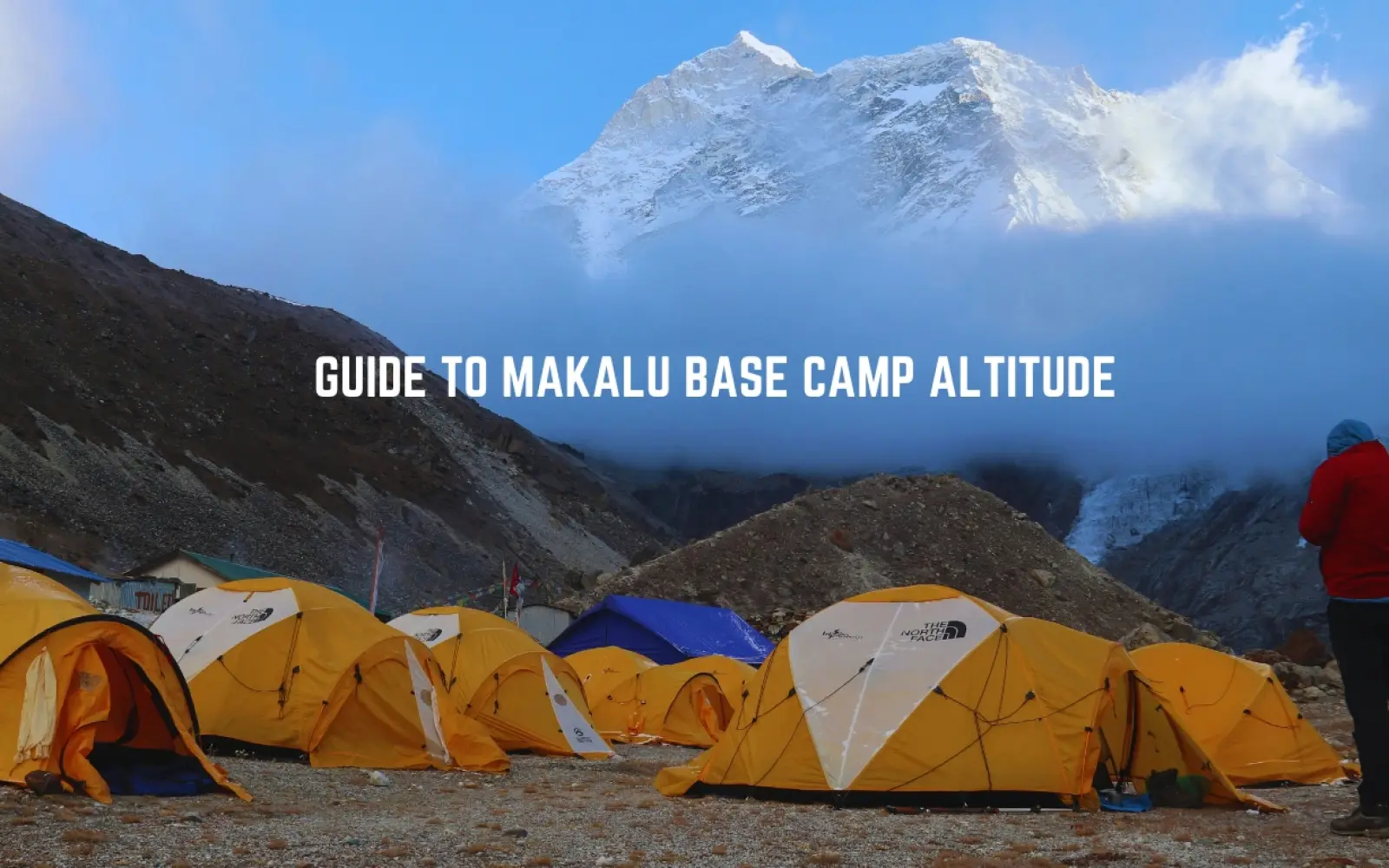
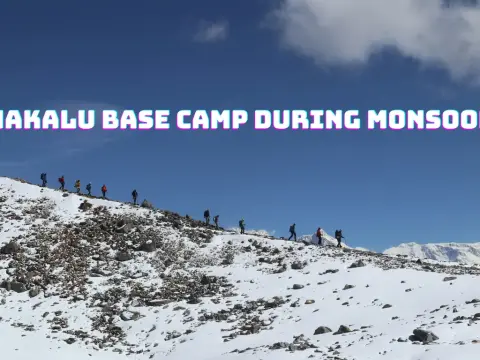
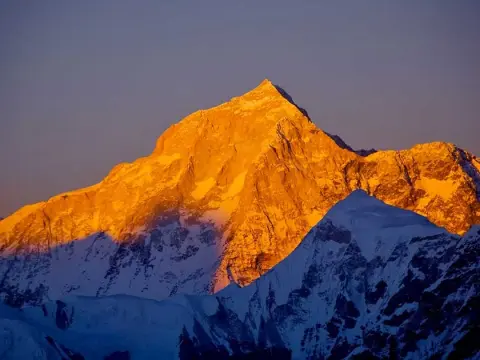
When trekkers think of remote Himalayan adventures, few routes compare to the Makalu Base Camp trek altitude challenge. Nestled in the shadow of the world's fifth-highest mountain, this trek takes you to 4,870 meters (15,978 feet), traversing one of Nepal's most pristine and untouched wilderness areas.
At Majestic Trails Nepal, we've guided countless trekkers through the Barun Valley's dramatic elevation zones, and we can tell you firsthand—understanding the altitude profile is essential for a safe and successful journey.
Unlike the crowded trails of Everest Base Camp or even the increasingly popular Manaslu Circuit Trek, Makalu presents unique altitude challenges. The trek climbs from subtropical lowlands at 380 meters to glacial terrain above 4,800 meters in just 8-9 days, making acclimatization strategy absolutely critical. This comprehensive guide breaks down every aspect of the Makalu Base Camp trek altitude, helping you prepare mentally and physically for this extraordinary high-altitude adventure.
Understanding Makalu Base Camp Elevation
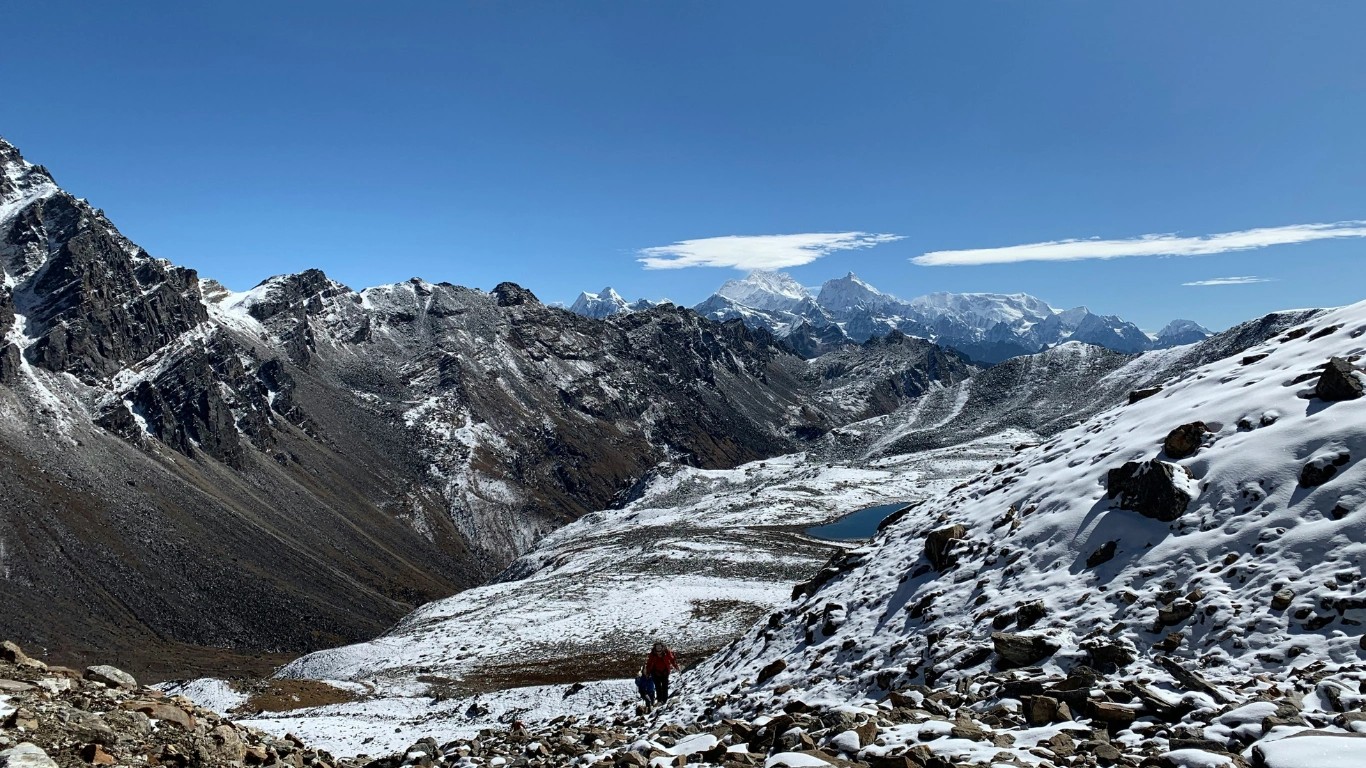
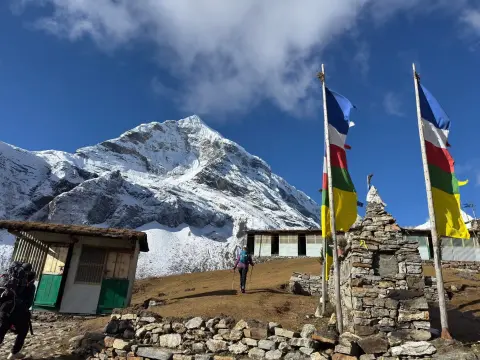
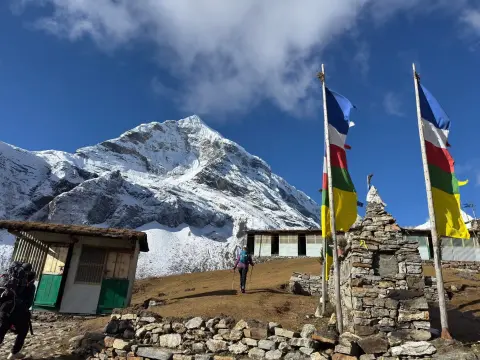
Makalu Base Camp at 4,870m above sea level in eastern Nepal.
Makalu Base Camp sits at precisely 4,870 meters (15,978 feet) above sea level, positioned at the foot of Mount Makalu's southwestern face. To put this in perspective, you'll be trekking at an elevation higher than Mont Blanc, the highest peak in the Alps.
Altitude Zones on the Makalu Trek
The trek progression takes you through four distinct altitude zones:
Lowland Zone (380-2,000m)
Starting point: Tumlingtar at 380m
Subtropical forests with dense vegetation
Warm temperatures and high oxygen availability
Villages: Num (1,560m), Seduwa (1,460m)
Mid-Altitude Zone (2,000-3,500m)
Temperate forests transitioning to alpine vegetation
4,000-4,500m: Significant breathlessness even at rest, poor sleep quality, digestive issues common
4,500m+: All previous symptoms intensified, risk of serious altitude sickness increases substantially
Majestic Trails Nepal's Acclimatization Strategy
Our proven approach for trekking above 4,000m in Nepal:
1. Gradual Ascent Protocol
Never gain more than 500m sleeping altitude per day above 3,000m
Include rest/acclimatization days every 3-4 days
"Climb high, sleep low" principle on rest days
2. Hydration Guidelines
Minimum 4-5 liters of water daily at high altitude
Avoid alcohol and caffeine
Monitor urine color (should be clear to light yellow)
3. Nutrition Recommendations
High-carbohydrate diet (70% of calories)
Frequent small meals rather than large portions
Avoid heavy, fatty foods that are difficult to digest
4. Medication Considerations
Diamox (acetazolamide) for prevention - consult your doctor
Ibuprofen for headaches
Carry comprehensive first aid and altitude sickness medications
5. Recognition and Response
Daily health checks with guides
Pulse oximeter monitoring
Immediate descent protocol if symptoms worsen
No upward movement with worsening symptoms
Makalu Base Camp Trek Altitude vs Other Nepal Treks
Comparative Altitude Analysis
Understanding how Makalu Base Camp trek altitude compares to other popular treks helps set realistic expectations:
Trek
Maximum Altitude
Days to Max Altitude
Difficulty Rating
Makalu Base Camp
4,870m (15,978ft)
8–9 days
Very Challenging
Everest Base Camp
5,364m (17,598ft)
8–9 days
Challenging
Manaslu Circuit Trek
5,106m (16,752ft)
10–12 days
Challenging
Annapurna Circuit
5,416m (17,769ft)
12–15 days
Moderate–Challenging
Why Makalu is Different
Steeper Altitude Profile While Makalu Base Camp isn't the highest trek, the ascent from Tumlingtar (380m) to Base Camp (4,870m) represents a 4,490-meter elevation gain in just 8-9 days—one of the steepest altitude profiles in Nepal.
Compared to Everest Base Camp:
EBC starts from Lukla at 2,860m (flight eliminates lower elevations)
Makalu starts from 380m, providing better natural acclimatization
EBC has more developed infrastructure with easier emergency evacuation
Makalu requires greater self-sufficiency and wilderness experience
Manaslu typically allows 10-12 days, providing more gradual acclimatization
Makalu has fewer villages above 3,000m, limiting acclimatization options
Makalu offers more pristine, untouched wilderness experience
Who Should Trek Makalu?
Ideal candidates:
Experienced high-altitude trekkers (completed EBC, Manaslu, or similar)
Excellent physical fitness
Previous multi-day trekking experience
Comfortable with basic camping conditions
Mentally prepared for isolation and challenge
Not recommended for:
First-time Himalayan trekkers
Those with limited high-altitude experience
Anyone with cardiovascular or respiratory conditions
Trekkers seeking comfortable lodge accommodations throughout
Trekker Experience at High Altitude: What It Really Feels Like
Physical Sensations at 4,000-4,870m
Breathing Changes Your breathing rate will increase noticeably—what feels like mild exertion at sea level becomes huffing and puffing above 4,000m. Simple tasks like tying shoelaces or packing your bag become surprisingly exhausting.
Sleep Disruptions Expect periodic breathing (Cheyne-Stokes respiration) where your breathing pattern becomes irregular during sleep. You may wake frequently feeling breathless—this is normal but unsettling for first-timers.
Appetite Suppression Most trekkers experience reduced appetite above 4,000m. Force yourself to eat even when food doesn't appeal—your body needs fuel more than ever.
Temperature Sensitivity You'll feel cold more intensely at altitude. Nighttime temperatures at Makalu Base Camp can drop to -15°C to -20°C (5°F to -4°F), even in peak season.
Mental Effects Mild cognitive impairment is common—slower thinking, difficulty concentrating, memory lapses. This is temporary but important to recognize.
Practical High-Altitude Tips from Our Guides
Pacing Strategy
Walk at 50-60% of your normal pace
"Pressure breathing" technique: forceful exhalation helps CO2 removal
Take breaks every 30-45 minutes, not just when exhausted
Rest step technique: lock your downhill knee with each step to rest muscles momentarily
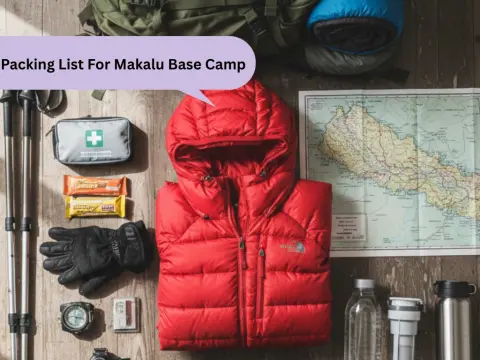
Gear Adjustments for Altitude
Layer system becomes critical (base, insulation, shell)
Keep water bottles insulated (water freezes quickly)
Use sunglasses rated for high-altitude UV (Category 4)
Bring extra batteries (electronics drain faster in cold)
Clothing Considerations
Merino wool base layers (better moisture management)
Down jacket rated to -20°C minimum
Quality sleeping bag rated to -15°C comfort rating
Insulated sleeping pad (R-value 5+)
Sleeping at High Altitude
Sleep with head slightly elevated
Don't sleep in all your clothes (reduces bag efficiency)
Keep water bottle in sleeping bag to prevent freezing
Use bathroom before bed to avoid nighttime cold exposure
Expect to wake 4-6 times per night (normal at altitude)
Recommended Acclimatization Villages
Based on our experience guiding the Makalu trek villages and altitudes, these are critical rest points:
Khongma Danda (3,500m) - Mandatory acclimatization day
First major altitude gain
Beautiful viewpoint hikes available
Last village with any infrastructure before higher camps
Internal Resource Links: For comprehensive route planning, refer to our detailed Makalu Base Camp trek map showing all camps, altitudes, and critical waypoints. If you're comparing options, also review our Barun Valley trek page for alternative itineraries, or consider the Manaslu Circuit Trek for a similar remoteness level with different altitude challenges.
Frequently Asked Questions About Makalu Base Camp Trek Altitude
What is the altitude of Makalu Base Camp?
Makalu Base Camp is located at 4,870 meters (15,978 feet) above sea level. This positions it in the "extreme high-altitude" category where oxygen availability is approximately 55% of sea level. The base camp sits on glacial moraine at the southwestern base of Mount Makalu, the world's fifth-highest mountain.
How does Makalu Base Camp altitude affect trekkers?
The altitude affects trekkers through reduced oxygen availability, which causes increased breathing rate, fatigue, reduced appetite, and sleep disturbances. Common symptoms include headaches (especially in the first 24-48 hours at new elevations), nausea, dizziness, and decreased physical performance. Approximately 75% of trekkers experience some mild altitude-related symptoms above 4,000m, though most are manageable with proper acclimatization. The key difference at Makalu is the rapid ascent from lowlands (380m starting point), which requires excellent physical conditioning and careful pacing.
Can beginners trek Makalu Base Camp altitude safely?
No, the Makalu Base Camp trek is not recommended for beginners. This trek requires:
Ability to recognize and respond to altitude sickness symptoms
We recommend first completing treks like Everest Base Camp or Manaslu Circuit Trek before attempting Makalu. The remote nature of the trail means limited evacuation options and minimal infrastructure—serious altitude sickness can become life-threatening quickly without nearby medical facilities.
How to acclimatize properly for Makalu Base Camp?
Proper acclimatization for Makalu Base Camp requires a multi-phase approach:
Pre-Trek Preparation (2-3 months before):
Cardiovascular training at altitude if possible
Practice hiking with loaded backpack
Consider altitude pre-acclimatization training
During Trek:
Follow the "climb high, sleep low" principle on rest days
Never increase sleeping altitude by more than 500m above 3,000m
Include mandatory rest days at Khongma Danda (3,500m) and optionally at Yangri Kharka
Stay hydrated (4-5 liters daily)
Maintain high-carbohydrate diet
Monitor symptoms daily with your guide
Don't ascend with worsening symptoms
Medication:
Consult your doctor about Diamox (acetazolamide) for prevention
Carry altitude sickness treatment medications
Bring pulse oximeter for monitoring
At Majestic Trails Nepal, our itineraries build in proper acclimatization days and our guides are trained in altitude sickness recognition and wilderness first response.
How does Makalu altitude compare to Everest Base Camp?
Everest Base Camp sits at 5,364m (17,598ft), 494 meters higher than Makalu Base Camp (4,870m). However, altitude comparison isn't straightforward:
Acclimatization Profile:
EBC starts from Lukla at 2,860m (flight bypasses lower elevations)
Makalu starts from 380m, providing 2,480m more elevation gain
This longer ascent can actually aid natural acclimatization
Infrastructure Differences:
EBC has well-developed lodge infrastructure throughout
Makalu requires camping above Tashigaon (2,100m)
EBC has helicopter evacuation access at most points
Makalu has very limited emergency evacuation options
Difficulty Assessment:
EBC is challenging primarily due to altitude
Makalu combines altitude with remote wilderness conditions
Makalu requires greater self-sufficiency and camping experience
Both require altitude sickness awareness, but Makalu demands more robust preparation
For comparison with another remote trek, Manaslu Circuit Trek altitude reaches 5,106m at Larkya La Pass—236m higher than Makalu Base Camp but typically with more gradual acclimatization over 10-12 days.
Final Thoughts: Preparing for the Altitude Challenge
The Makalu Base Camp trek altitude represents one of Nepal's most genuine high-altitude wilderness experiences. Unlike the well-trodden paths of more popular treks, Makalu demands respect, preparation, and humility. At 4,870 meters, you'll be operating at the edge of what the human body can comfortably sustain without specialized acclimatization.
Key Takeaways for Success
Respect the Altitude Progression The climb from Tumlingtar's tropical forests at 380m to the glacial base camp at 4,870m is dramatic and unforgiving. Every meter gained represents decreased oxygen and increased physiological stress. Follow acclimatization protocols without exception.
Physical Preparation is Non-Negotiable This isn't a trek you can "walk yourself into shape" on. Arrive in peak cardiovascular condition with previous high-altitude experience. Your body will thank you when the altitude stress inevitably arrives.
Mental Readiness Matters The isolation, basic conditions, and physical discomfort at altitude require mental toughness. Unlike lodge-based treks, there's no comfortable retreat at day's end—just your tent, sleeping bag, and determination.
Choose Your Team Wisely With limited infrastructure and evacuation options, your guide team becomes your lifeline. At Majestic Trails Nepal, our guides average 10+ years of Himalayan experience, with specific training in altitude sickness management and wilderness first response. This expertise has proven invaluable on countless occasions when altitude challenges emerged.
Is the Altitude Worth It?
Standing at Makalu Base Camp, surrounded by some of the world's highest peaks in complete wilderness solitude, you'll understand why trekkers endure the altitude challenge. The Barun Valley's pristine beauty, the dramatic Himalayan amphitheater, and the personal achievement of conquering such demanding elevation make this one of Nepal's most rewarding treks.
The altitude is formidable—but with proper preparation, gradual acclimatization, and experienced guidance, it's an achievable goal for dedicated trekkers ready to step beyond the ordinary.
Ready to take on the Makalu Base Camp trek altitude challenge? Visit our Makalu Base Camp Trek package page for detailed itineraries, dates, and booking information. For questions about altitude preparation or to customize an itinerary based on your experience level, our team of local experts is ready to help you plan the adventure of a lifetime.