
Thorong La Pass – Elevation, Difficulty & Complete Crossing Guide
13 Feb 2026
Thorang la Pass is one of the highest and most iconic trekking passes in Nepal, located at 5,416 m (17,769 ft). The pass connects Manang and Mustang a...

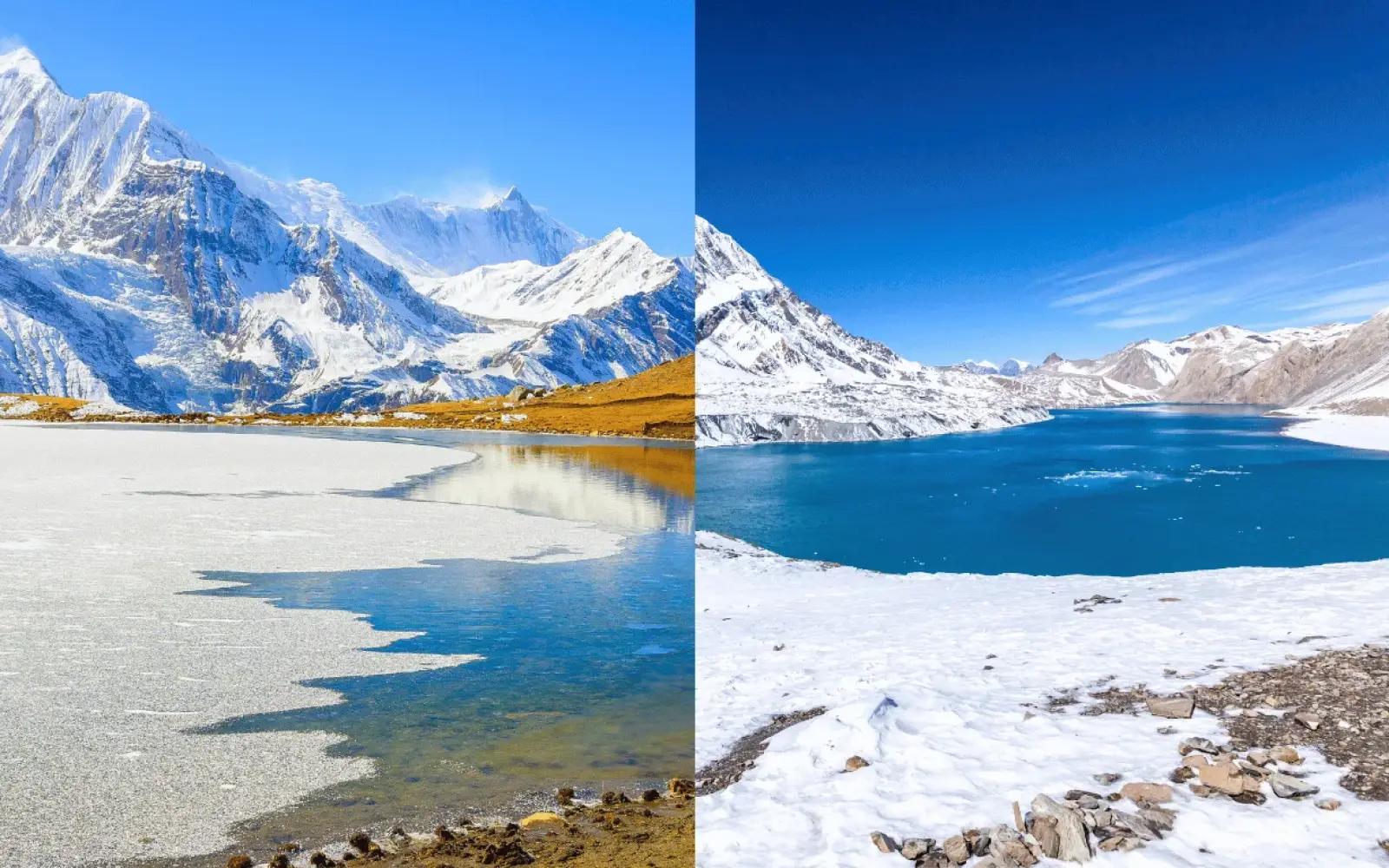

Choose Ice Lake if you have one spare day in Manang and want the best possible acclimatisation before Thorong La; choose Tilicho Lake if you have two to three extra days and want one of the most spectacular high lakes in the Himalayas. Both start from Manang on the Annapurna Circuit, both go higher than 4,500m, and both make the pass easier afterwards, but they ask very different things of your legs and your schedule.
This is one of the most common questions our guides hear in Manang, and some trekkers even split up over it, one heading to Ice Lake and the other to Tilicho. This guide compares the two honestly, explains whether you can do both, and helps you choose based on how many days you have.
Key Takeaways
The short answer, in six points.
The table compares the two side trips on everything that matters for choosing.
| Ice Lake (Kicho Tal) | Tilicho Lake | |
|---|---|---|
| Height | About 4,600m (15,090ft) | 4,919m (16,138ft) |
| Extra days needed | 1 (day hike from Manang) | 2–3 |
| Height gain | About 1,000m up and down in one day | About 1,400m from Manang over 2–3 days |
| Difficulty | Steep and tiring, but short | Long, with exposed landslide sections |
| Overnight | Back in Manang | Shree Kharka and Tilicho Base Camp lodges |
| Main risk | Altitude and exhaustion on a long day | Rockfall and landslides near the base camp |
| Best season | March–May, October–November | March–May, October–November; lodges may close in deep winter |
| Best for | Acclimatisation before Thorong La | Trekkers with spare days who want the most dramatic lake |
Both lakes are side trips from Manang (3,540m / 11,614ft), the main acclimatisation village on the Annapurna Circuit, but they lie in opposite directions. Ice Lake sits on the slopes north of Braga and Manang, above the main trail. Tilicho Lake lies to the west, at the head of a separate valley below Tilicho Peak, reached by a side trail that leaves the circuit at Manang and Khangsar.
On a standard Annapurna Circuit itinerary, both fit into the stop at Manang: Ice Lake on the rest day, Tilicho as an extra two to three days before you continue to Yak Kharka and Thorong La.
Ice Lake, called Kicho Tal locally, is the classic acclimatisation hike from Manang. It is short in distance but steep, and it takes you to around 4,600m before you return to sleep at Manang.
Ice Lake is about 4,600m (15,090ft) high, roughly 1,000m above Manang, and the round trip usually takes 6–8 hours. Most people take 4–5 hours to go up and 2–3 hours to come down. There are few or no places to buy food on the way, so carry lunch, snacks and at least 2 litres of water.
The hike starts from Manang or the neighbouring village of Braga and climbs almost straight up the hillside through switchbacks, past stone yak shelters and summer grazing land. The trail is not technical, but it is steep and relentless, and above 4,000m every step slows down. Near the top, the slope eases and you reach a small, often partly frozen lake with wide views across the valley to Annapurna II, III and IV, Gangapurna and Tilicho Peak.
The descent is hard on the knees, so trekking poles help. Start early: mornings are clearer, and cloud usually builds by midday.
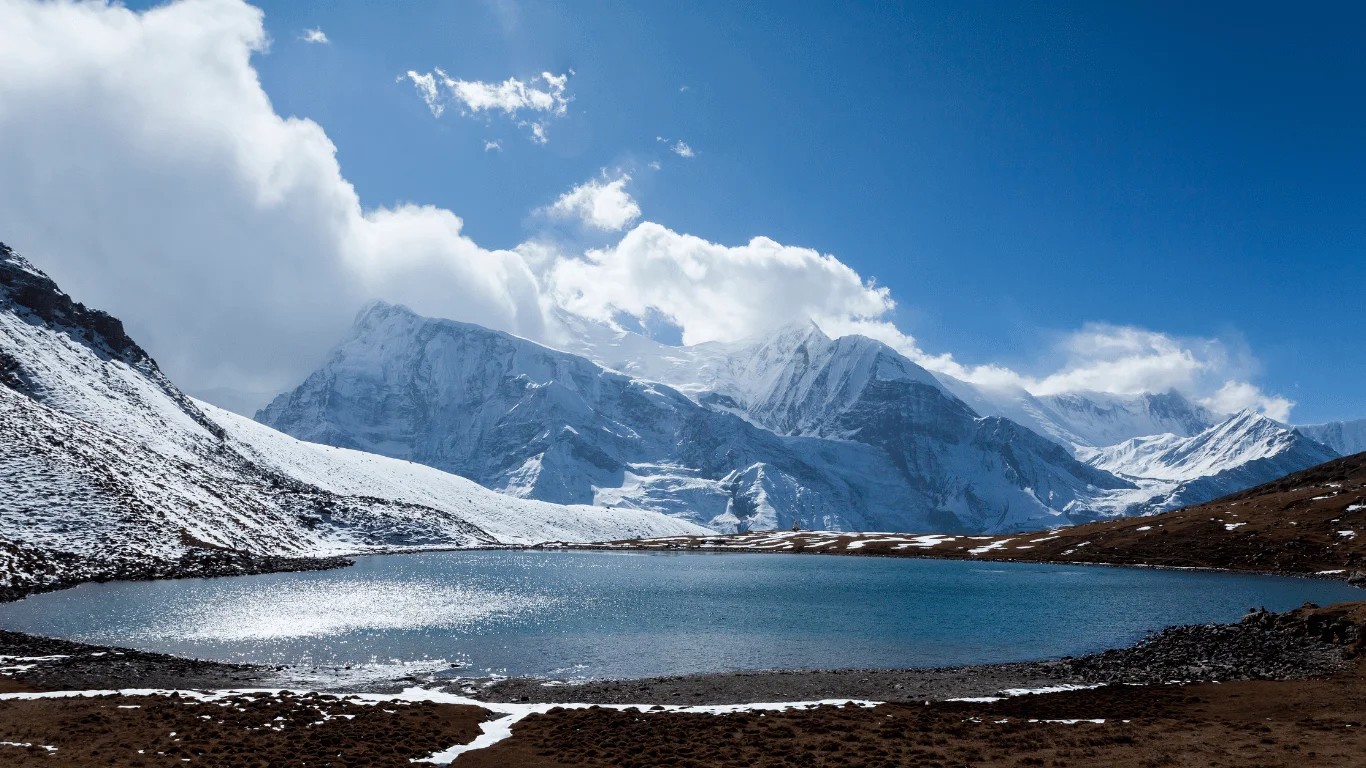
Ice Lake is the perfect "climb high, sleep low" day: you climb to about 4,600m, higher than you will sleep anywhere before the pass, and return to sleep at 3,540m. That teaches your body to cope with thinner air without the risk of sleeping high. Many guides consider it the single most useful day of preparation for Thorong La (5,416m).
Tilicho is the bigger adventure: a separate valley, two nights in simple lodges, a landslide-prone trail and, at the end, one of the most dramatic lakes in the Himalayas.
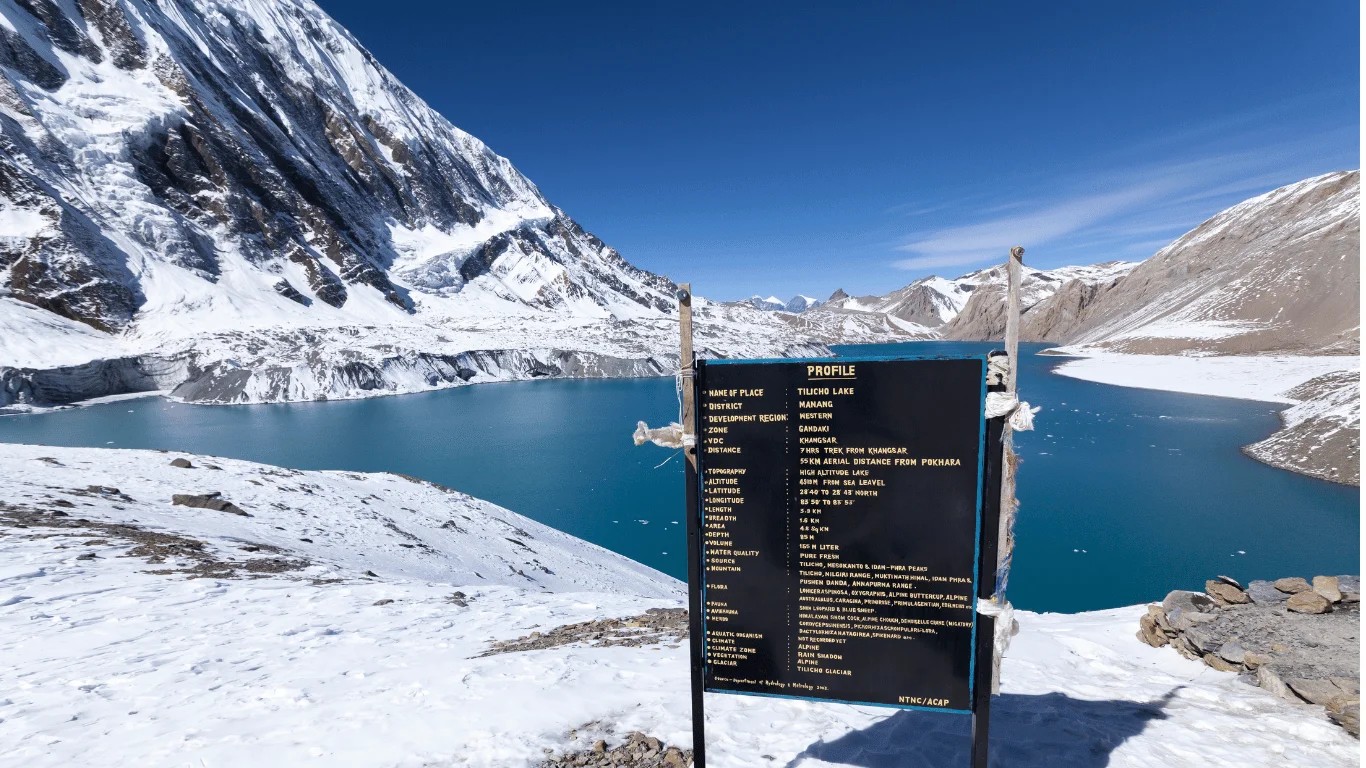
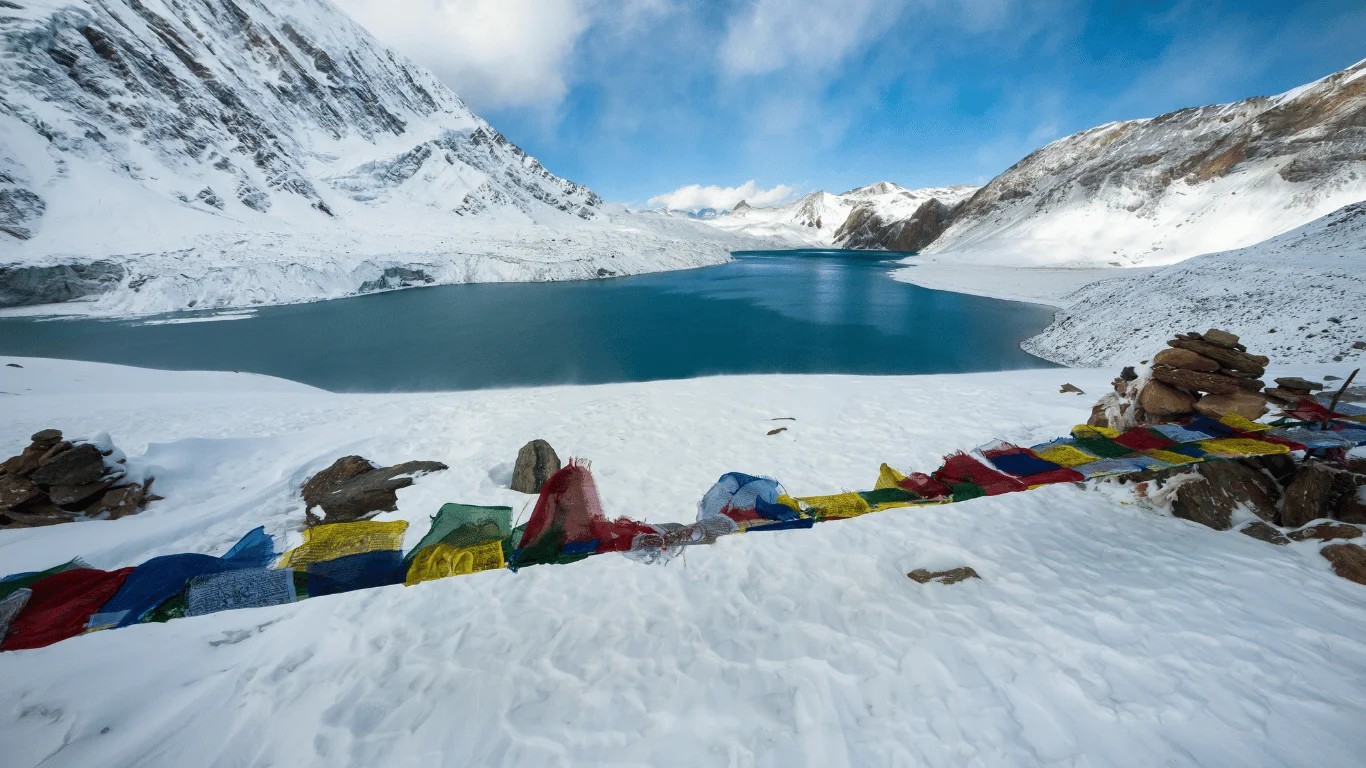
Tilicho Lake sits at 4,919m (16,138ft), about 1,400m above Manang. It is often described as the highest lake in the world, but that is not strictly true: several smaller lakes in the Himalayas and the Andes are higher. It is better described as one of the highest large lakes on Earth, a long turquoise lake fed by the glaciers of Tilicho Peak (7,134m). It is also sacred in Hindu tradition, which is one reason swimming in it is not allowed.
The usual plan adds two to three days to the Annapurna Circuit. This is how the days typically fall.
| Day | Route | Notes |
|---|---|---|
| 1 | Manang (3,540m) → Khangsar → Shree Kharka (about 4,060m) | 5–6 hours through a quiet valley; simple lodges at Shree Kharka |
| 2 | Shree Kharka → Tilicho Base Camp (about 4,150m) | 3–4 hours, including the landslide section; arrive early |
| 3 | Base Camp → Tilicho Lake (4,919m) → back to Base Camp or Shree Kharka | 6–8 hours; a steep 800m climb in thin air |
| 4 | Shree Kharka → Yak Kharka (4,050m) | Rejoin the Annapurna Circuit on a high connecting trail, then continue to Thorong Phedi |
Fit groups sometimes shorten this by walking to Tilicho Base Camp in one long day from Manang, but that adds more height gain in one go and is harder on acclimatisation.
Between Shree Kharka and Tilicho Base Camp, the trail crosses steep slopes of loose scree above a gorge. Rocks can fall from above, especially in the afternoon, after rain or as snow melts, and short parts of the path are sometimes washed out, leaving trekkers to find a way around. Cross this section early in the morning, in single file, without stopping. If there has been heavy rain or fresh rockfall, ask lodge owners in Shree Kharka before going, and be ready to turn back.
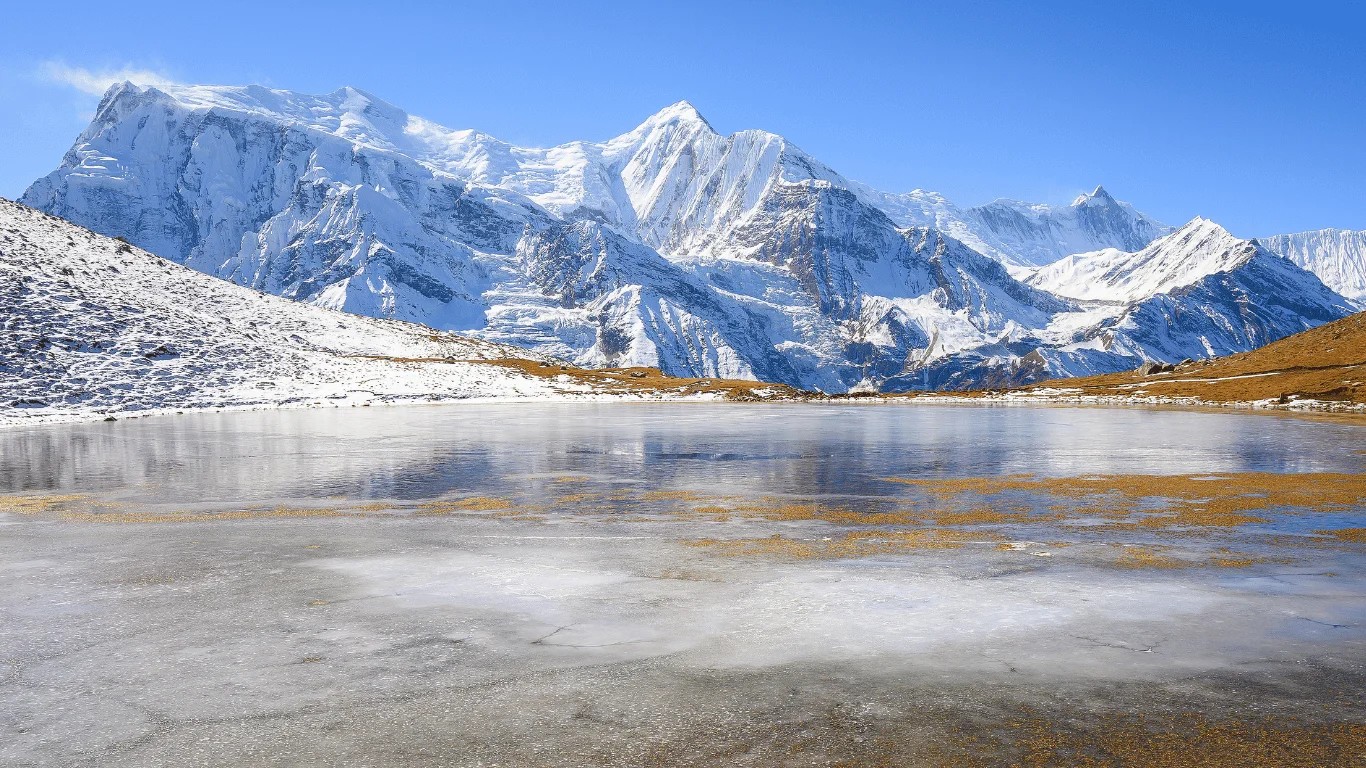
Tilicho Lake is harder overall because it is higher, longer and includes the landslide section, but Ice Lake is the more intense single day. Ice Lake packs about 1,000m of climbing and the same descent into one day, which leaves many trekkers sore and tired the next morning. Tilicho spreads its effort over two to three days, but the final climb from Base Camp to the lake, about 800m at close to 5,000m, is the hardest part of either trip.
Tilicho wins for drama. The lake itself, deep blue and often half-frozen, sits directly below the ice cliffs of Tilicho Peak, and it feels like a destination in its own right. Ice Lake is smaller and less striking, but the panorama on the way up, across the Manang valley to the Annapurna range and Gangapurna, is one of the best on the whole circuit, and you get it in a single morning.
Yes, but only if you have at least four spare days, and most trekkers should pick one. Doing both means a hard day hike, then two to three more days at altitude, right before the biggest day of the trek. Trekkers who split up or try both often say the extra effort catches up with them on the walk towards Thorong Phedi, when they need their energy most.
It can make sense for strong, well-acclimatised trekkers with plenty of time, who do Ice Lake first as acclimatisation, then Tilicho. For everyone else, one side trip done well is better than two done tired.
The simplest way to decide is by how many spare days you have in Manang.
| Spare days in Manang | Our recommendation |
|---|---|
| 0 | Neither; take a short acclimatisation walk around Manang or to Gangapurna Lake |
| 1 | Ice Lake: the best acclimatisation for Thorong La in a single day |
| 2–3 | Tilicho Lake, if the trail is safe that season; otherwise Ice Lake plus a rest day |
| 4 or more | Ice Lake first, then Tilicho, if you are strong and feeling well |
Both side trips take you higher than you will sleep anywhere before Thorong La, which is exactly why they help, and why they need care.
Our altitude sickness guide explains the warning signs in more detail.
Ice Lake needs no extra accommodation, because you return to Manang the same day. For Tilicho, you stay in simple teahouses at Shree Kharka and Tilicho Base Camp, with basic rooms, shared toilets and short menus, and prices higher than in Manang because everything is carried in. Bring enough Nepali rupees for two to three extra nights, as there are no ATMs or card payments in the Tilicho valley.
On the Ice Lake day, carry everything you need: there are few or no places to buy food or drinks on the way up.
On our 15-day Annapurna Circuit Trek, we spend two nights in Manang, and the side trip is chosen with you, not for you.
These are the questions trekkers ask our guides most often in Manang.
Yes, if you have the time and the trail is safe that season. Tilicho is one of the most spectacular sights on the whole Annapurna Circuit, and the extra days at altitude also help your acclimatisation for Thorong La. If you only have one spare day, Ice Lake gives you most of the acclimatisation benefit in far less time.
Yes, if you are reasonably fit and have already walked several days on the circuit. The trail is not technical, but the 1,000m climb and descent in one day at high altitude is tough. Go slowly, start early and turn back if you feel unwell.
The trail is officially open, but from December to February heavy snow can make the landslide section and the final climb dangerous, and some lodges at Tilicho Base Camp may close. The best months are March to May and October to November.
The same rule applies as on the rest of the Annapurna Circuit: since 2023 a licensed guide is technically required, though not always checked. Because of the landslide section, Tilicho is the part of the circuit where a guide's knowledge of current trail conditions matters most.
No. Tilicho Lake is sacred in Hindu tradition, and the water is close to freezing for most of the year. Swimming is not allowed.
Ice Lake and Tilicho Lake are both worth the effort, but for different trekkers. If you have one spare day and want to arrive at Thorong La as strong as possible, go to Ice Lake. If you have two or three days and want the most dramatic lake in the Annapurna region, go to Tilicho, as long as the trail is safe. If you are not sure, message Bibek on WhatsApp (+977 9700937981) or book a free video call, and we will help you plan your Manang days.
Written by
Founder & Trekking Guide
Bibek Dhamala is the CEO of Majestic Trails Nepal, a locally operated trekking company based in Thamel, Kathmandu. With a background in trekking and mountain guiding, he understands the challenges of Himalayan adventures and the importance of responsible tourism, experienced local guides, and personalized service. Through Majestic Trails Nepal, Bibek aims to help trekkers explore Nepal’s Himalayas safely and authentically, from Everest Base Camp and the Annapurna region to the remote trails of Manaslu. He is passionate about supporting local communities, creating meaningful trekking experiences, and sharing the natural and cultural beauty of Nepal with travelers from around the world.
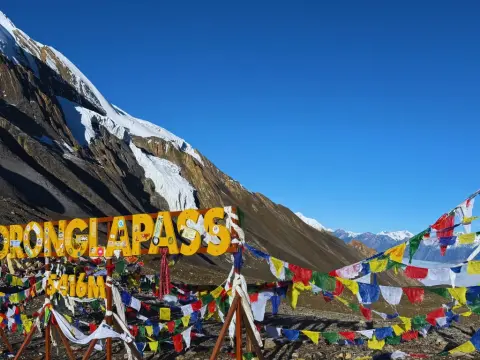
Thorang la Pass is one of the highest and most iconic trekking passes in Nepal, located at 5,416 m (17,769 ft). The pass connects Manang and Mustang a...
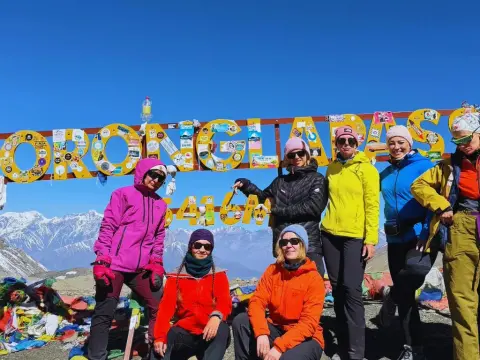
Choosing the right Annapurna Circuit trek agency is genuinely one of the most consequential decisions you will make in planning this journey. Not beca...
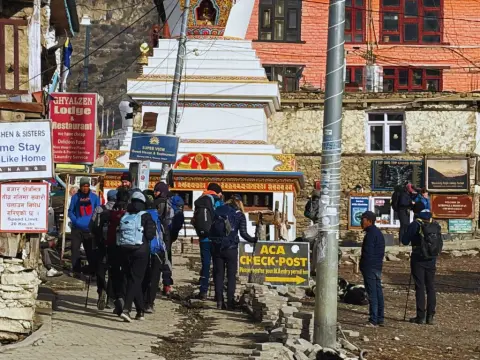
The Annapurna Circuit requires only one permit in 2026: the Annapurna Conservation Area Permit (ACAP). It costs NPR 3,000 for foreign nationals and NP...
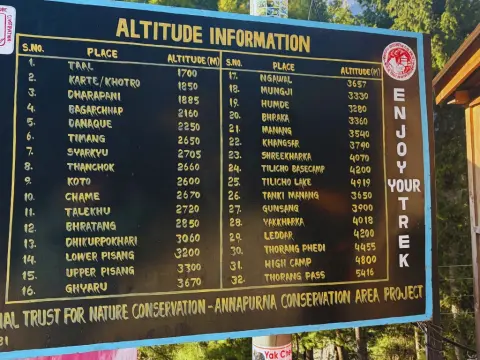
The Annapurna Circuit Trek altitude is both the greatest challenge and the most rewarding aspect of this legendary Himalayan journey. As a trekking co...
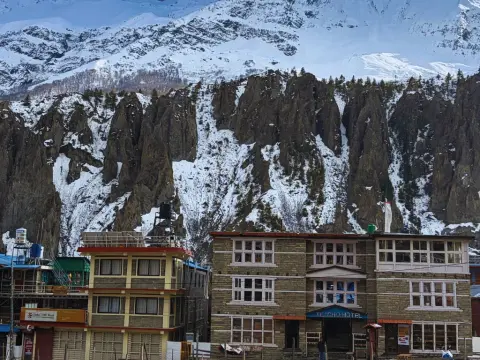
Planning your accommodation during Annapurna Circuit trek requires understanding Nepal's unique teahouse culture—a system that has welcomed trekkers f...
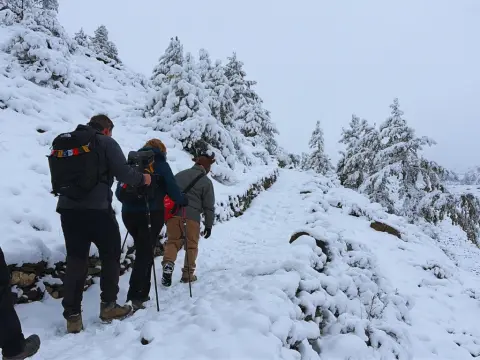
At Majestic Trails Nepal, we've guided hundreds of trekkers across the Annapurna Circuit. One question we hear constantly: "How difficult is the Annap...
