
Everest Base Camp Trek Nepal Cost – Complete Breakdown
22 Feb 2026
Understanding the Everest Base Camp trek Nepal cost helps you plan your dream Himalayan adventure without budget surprises.The total EBC trek cost Nep...

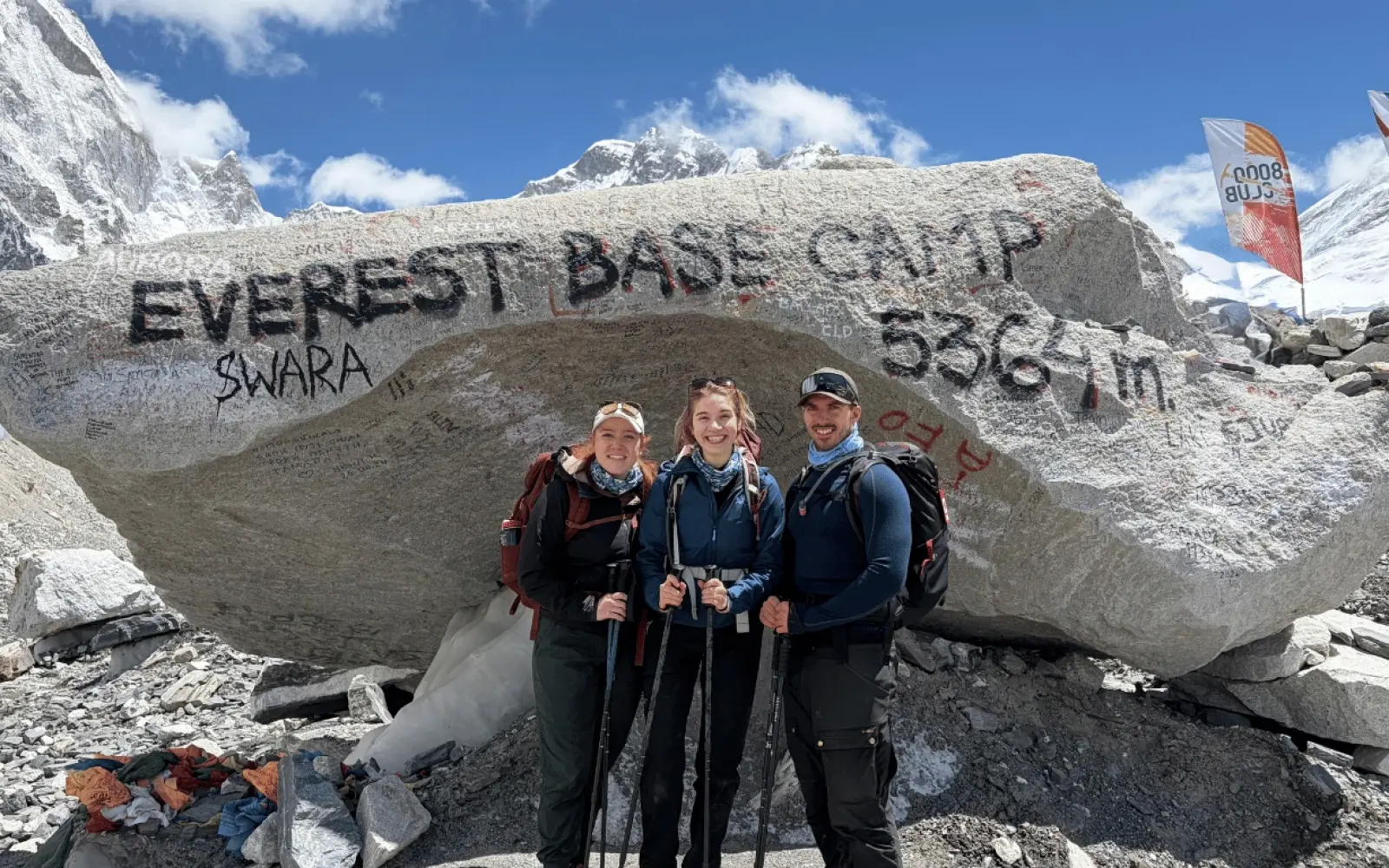

Yes, a normal person can do the Everest Base Camp trek. It is a 130 km (80 miles) walk on established Himalayan trails — not a technical climb requiring ropes, ice axes, or mountaineering skills.
On our Majestic Trails Nepal Everest Base Camp treks, 95.7% of "normal person" trekkers successfully reach Base Camp — including first-time trekkers, office workers, and trekkers well over 60. This includes a 70-year-old American gentleman on his first trek ever, who reached EBC without a single issue.
This guide walks through everything a normal person needs to know about the Everest Base Camp trek — what fitness level is actually required, who genuinely should reconsider attempting it, real completion rates, age realities, and a 12-week preparation plan that turns "I'm not sure I can do this" into "yes, I can."
Key Takeaways
| Detail | Information |
|---|---|
| Technical climbing skills required | None |
| Required fitness level | Reasonable cardio (walk 5-7 hours/day) |
| Youngest common age | 18 |
| Oldest we've personally guided | 70 |
| Recommended prep time | 12 weeks |
| Our EBC completion rate | 95.7% |
| Our mild AMS rate | 4.7% |
| Our zero-symptoms rate | 82.5% |
| HAPE/HACE cases | Zero |
| Maximum altitude | 5,545m (Kala Patthar) |
Yes — a normal person can absolutely do the Everest Base Camp trek.
The Everest Base Camp trek is a challenging walk, not a technical climb. There are no ropes, no ice axes, no crampons, no summit push, and no mountaineering skills required. The trail is well-established, well-serviced with teahouses, and thousands of ordinary people complete it every year.
What "normal person" actually means in this context:
What "normal person" does NOT mean:
Our honest track record: on our Majestic Trails Nepal Everest Base Camp treks, 95.7% of normal-person trekkers reach Everest Base Camp successfully. This includes first-time trekkers, older trekkers, trekkers with sedentary jobs, and trekkers who had never previously walked above 3,000m.
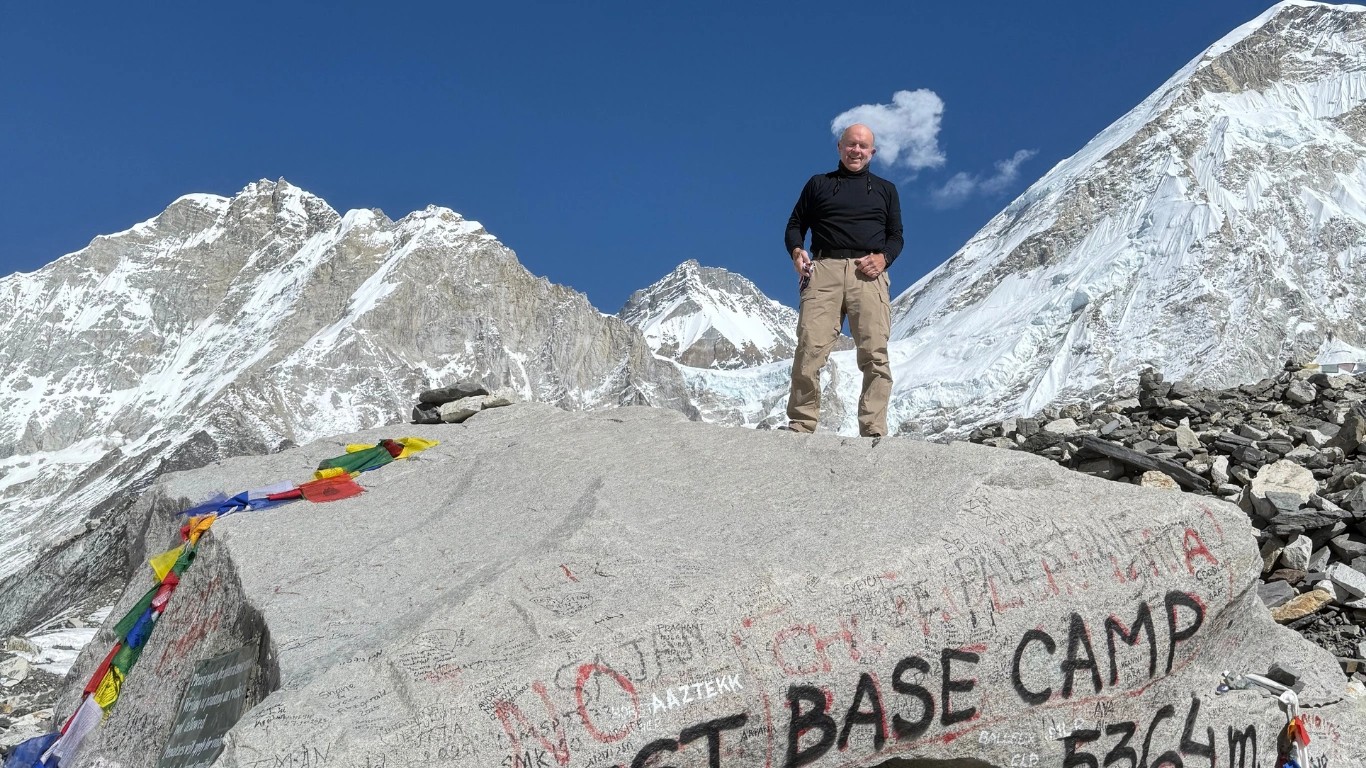
The word "normal" gets thrown around a lot when people research the Everest Base Camp trek. Let's define it honestly.
A "normal person" who can do the EBC trek typically:
Who typically completes the Everest Base Camp trek successfully:
Who is NOT the "normal person" this article is about:
If you fit the first list — you are a normal person. And yes, you can do the Everest Base Camp trek.
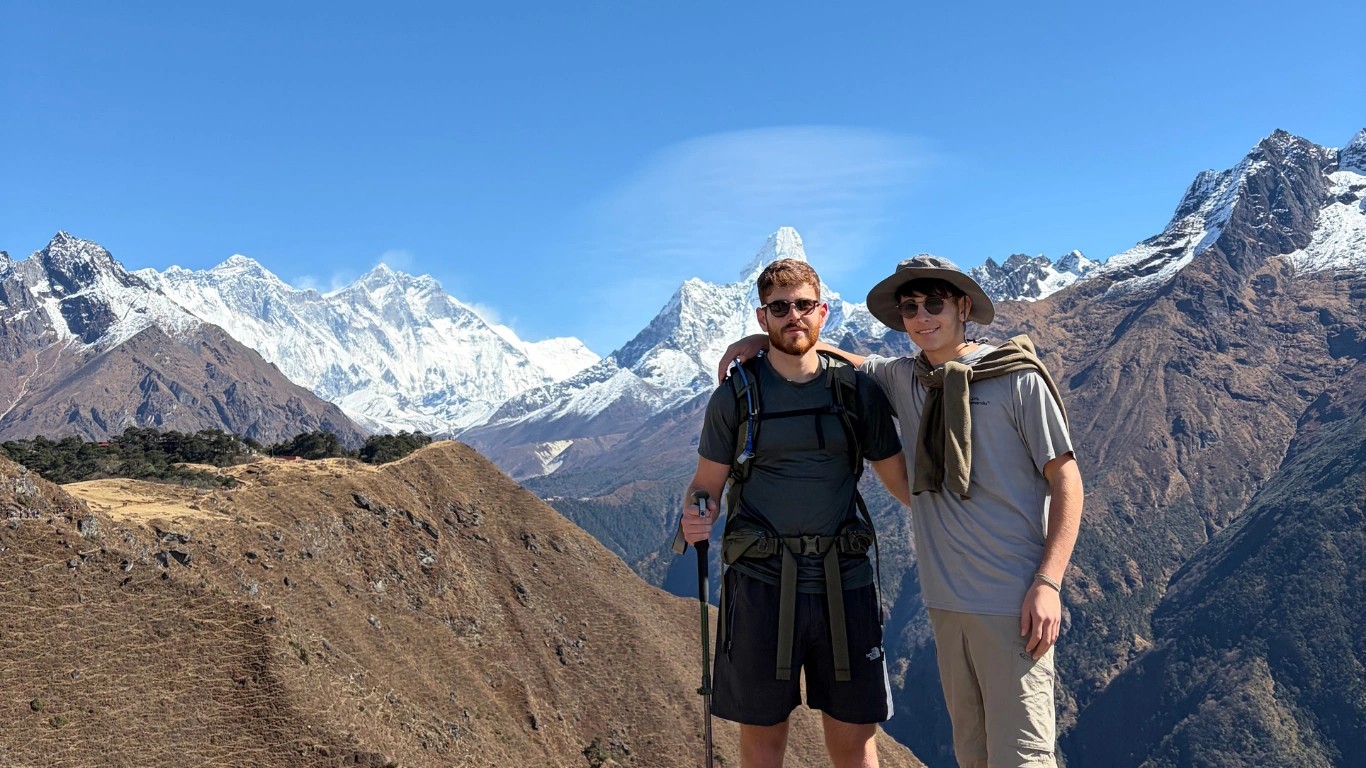
The fitness level required for EBC is what a reasonably active person can achieve with 12 weeks of preparation.
Realistic fitness benchmarks:
What EBC does NOT require:
The counterintuitive truth about fitness on EBC:
Extremely fit trekkers sometimes struggle MORE on Everest Base Camp than moderately fit trekkers. Why? Because fit people tend to walk fast — and fast walking at altitude is exactly what causes altitude sickness.
The pace principle: on the EBC trail, slow and steady wins. A 45-year-old office worker who walks patiently often outperforms a 25-year-old CrossFit athlete who charges ahead. Fitness gets you to Nepal — pacing gets you to Base Camp.
The honest completion rate data:
Industry averages across all Nepal operators:
Majestic Trails Nepal outcomes on the Everest Base Camp trek:
Why our completion rate is significantly higher than industry averages comes down to our 14-day itinerary, 2 nights at Namche + 2 nights at Dingboche acclimatization, Day 1 monitoring from Phakding, and a firm "no ascent with symptoms" rule that we hold to even when trekkers push back.
The honest truth: normal people succeed on EBC when they choose an operator that lets them go slowly. Normal people fail on EBC when they book cheap 10-day trips that rush them past the acclimatization they genuinely need.
This is where every competitor gets vague. Let us be specific.
The one honest disclaimer about age: the risk with older trekkers is not the walking. It is the recovery — bodies over 60 recover slower between trek days. That is why the acclimatization days at Namche and Dingboche become non-negotiable at older ages. Compressed itineraries that work for 30-year-olds often fail for 60-year-olds.
What matters more than age: preparation, honest self-assessment, willingness to walk slowly, and trust in your guide's turn-around decisions.
Being genuinely honest here — because misleading people costs lives.
You should NOT attempt the Everest Base Camp trek if you have:
You should reconsider EBC if you:
The one non-medical honest disqualifier: if you cannot commit to walking slowly for 12-14 days, do not book EBC. Not because you cannot physically do it — but because rushing kills people at altitude, and no operator should let you.
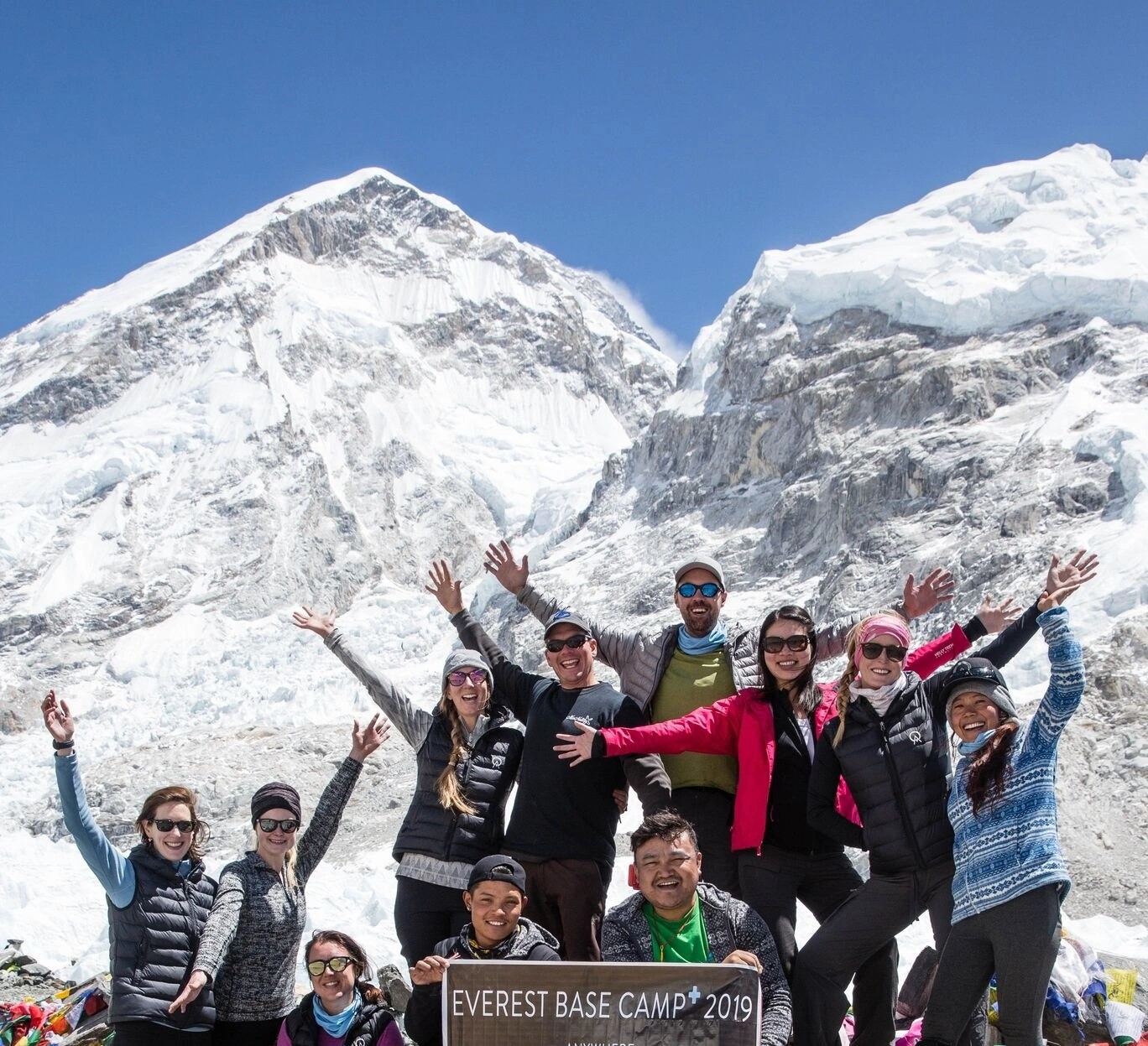
No — first-time trekkers succeed on the Everest Base Camp trek all the time.
Our 70-year-old American trekker was on his first trek ever. Not his first EBC trek. His first trek period. He had never walked a Himalayan trail before, never slept above 3,000m, never carried a daypack for 6 hours. He prepared physically at home, arrived committed to our pace, and reached Base Camp successfully.
What prior trekking experience actually helps with:
What prior experience does NOT matter for:
If you have never trekked before but are considering EBC: do 3-4 practice multi-day hikes in the 3 months before your trip. Not because you need them for the trek itself — but so you know how your feet, shoulders, and knees respond to daily walking loads. That knowledge saves you from surprises on the trail.
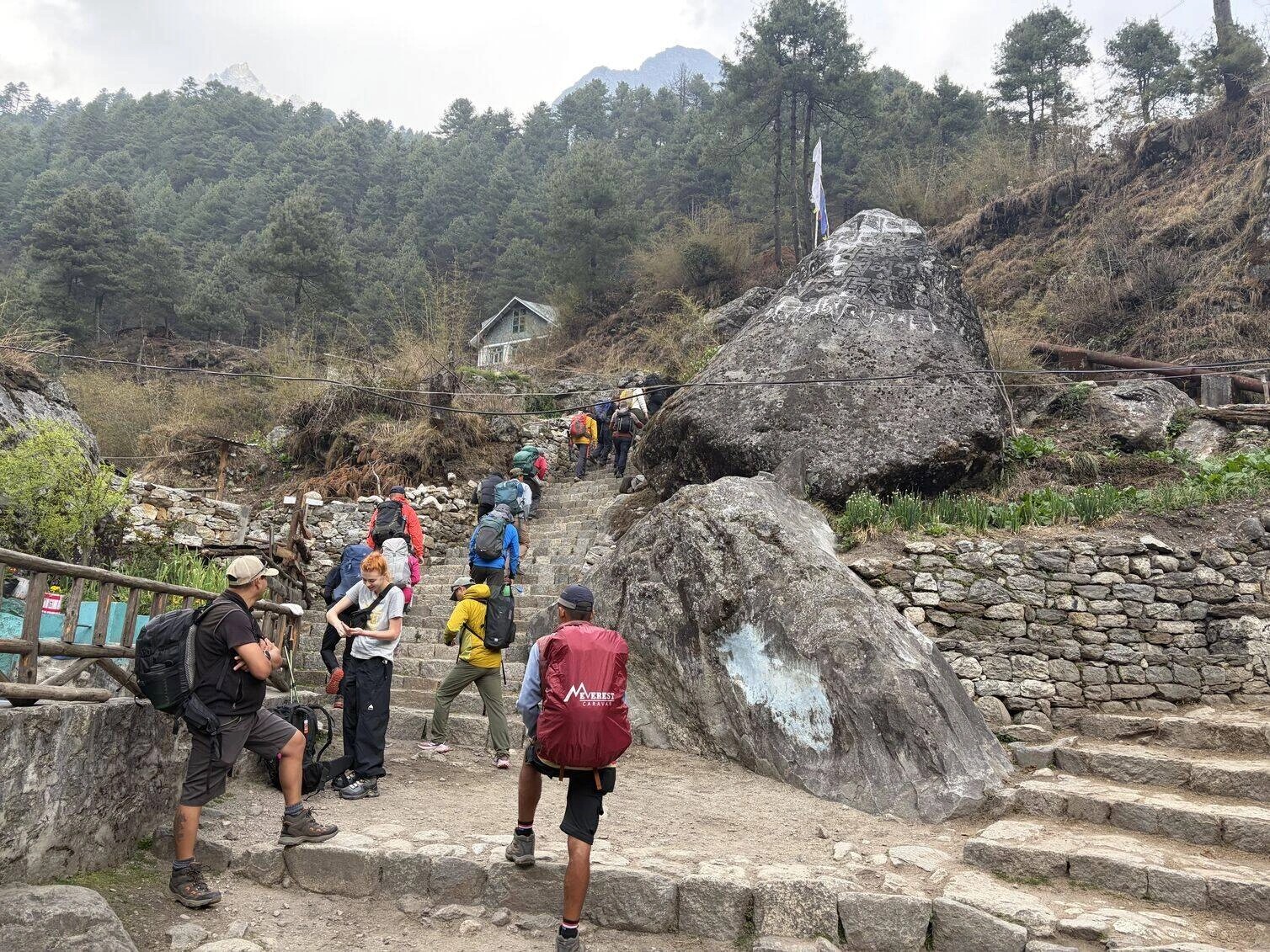
Let us name them honestly:
What is NOT a challenge on EBC:
Week 1-4: Cardio Base Building
Week 5-8: Add Elevation and Load
Week 9-12: Simulate the Trek
What to specifically focus on:
What NOT to overfocus on:
If you are over 50: add 2 extra weeks to each phase. Recovery times are longer.
If you are over 65: add 4 extra weeks to each phase. Get medical clearance from your doctor first.
Physical preparation is only half the trek. Mental preparation is the other half.
Print this checklist. If you can honestly say yes to 8 or more, you are ready.
If you scored 8 or higher — book with confidence. If you scored below 6 — reconsider or delay 3-6 months for further preparation.
Not fitness. Not experience. Not gear. These 4 things:
Notice what is NOT on this list: fitness beyond "reasonable," age, previous experience, expensive gear, elite training. Those factors matter less than the four above.
The 70-year-old American gentleman. First-time trekker, no prior trekking experience, no prior high-altitude exposure. Prepared physically at home for 3 months before the trip. Committed to our pace and rest itinerary. Completed the Everest Base Camp trek without a single issue. This is not a marketing story — this is a real trekker who followed the honest approach and reached Base Camp.
The 45-year-old office worker. Sedentary job, moderate fitness, no trekking background. Trained for 12 weeks (mostly cardio + weekend hikes). Started slow, listened to her guide, took every acclimatization day seriously. Reached Base Camp and Kala Patthar successfully.
The 25-year-old first-time trekker. No hiking experience of any kind before Nepal. Fit from gym training but never walked more than a few hours at a time. Almost struggled because of ego — wanted to walk fast on Day 2 to Namche. Guide slowed him down. Completed the trek and later thanked the guide for the discipline.
What all three had in common:
These trekkers are the rule, not the exception. 95.7% of our EBC trekkers are ordinary people who successfully reached Base Camp because they respected the process.
Why our 95.7% completion rate is possible — and how we help normal people succeed:
Day 1 monitoring from Phakding (2,610m). Not Namche. Not Dingboche. From your first evening on the trail, we take pulse oximeter readings, monitor heart rate, and ask honest questions about sleep, appetite, and how you feel. This gives us your personal baseline before altitude becomes a factor.
2 nights at Namche (3,440m) — always. Never skipped. The acclimatization hike to Everest View Hotel is real "climb high, sleep low" science.
2 nights at Dingboche (4,410m) — always. The Nagarjun Hill hike prepares you for the highest altitudes ahead.
14-day itinerary minimum. We do not sell 10 or 12-day EBC trips. Ever. The acclimatization is what makes success possible for normal people.
Pre-trek altitude briefing in Kathmandu. Before you leave for the trail, we walk you through symptom recognition, our monitoring protocols, and honest expectations. Most Nepal operators skip this. We consider it foundational.
Guide-to-trekker ratio. Max 14 trekkers per group with 1 main guide + 2 assistant guides. All licensed. All first-aid trained. All experienced above 5,000m.
Honest pre-trek fitness assessment. In your Kathmandu meeting, we ask honest questions about your fitness, training, and any medical conditions. This is not to disqualify you — it is to help us build the right pace for your group.
Diamox guidance. We do not force Diamox on anyone. For trekkers who want it, we recommend 250mg split-dose from Day 2 of altitude. For trekkers who prefer to acclimatize naturally, we support that too.
Real outcomes on the Everest Base Camp trek:
Yes. With proper preparation, honest pacing, and a competent guide, 95.7% of our normal-person trekkers reach Everest Base Camp successfully. This includes first-time trekkers, office workers, and trekkers well into their 70s.
Yes — first-time trekkers succeed on the Everest Base Camp trek regularly. Our 70-year-old American trekker was on his first trek ever and completed EBC successfully. What beginners need is 12 weeks of preparation, a proper 14-day itinerary, and honest willingness to walk slowly.
Genuinely unfit people (unable to walk 4-5 hours without exhaustion) should not attempt EBC without first building base fitness. However, "average" fitness (able to walk 15-20 km at home, climb 5+ flights of stairs) is enough to do EBC successfully with 12 weeks of preparation.
Yes — many of our most memorable trekkers have been in their 60s and 70s. We have personally guided a 70-year-old first-time trekker to Base Camp. Age matters less than preparation, pacing, and willingness to acclimatize properly.
Not honestly. Without any physical preparation, the daily walking demands of the trek (5-7 hours per day for 12 days) will exhaust untrained trekkers. Even 4-6 weeks of basic cardio preparation dramatically improves your success rate.
Industry-wide, about 15-30% of EBC trekkers turn back before reaching Base Camp. On our Majestic Trails Nepal treks, only 4.3% turn back — mostly due to altitude issues or personal reasons, not fitness failure. Our 95.7% success rate reflects our itinerary, pacing, and monitoring approach.
Different kind of hard. A marathon is 4-5 hours of intense sustained effort at sea level. EBC is 5-7 hours per day of moderate walking at altitude, for 12-14 days. Marathon fitness helps but does not directly translate. Multi-day back-to-back hiking is a closer simulation than any single-day event.
Yes. Every rushed itinerary (10 or 12 days) skips essential acclimatization at Namche or Dingboche. The compressed timing dramatically increases altitude sickness rates and turn-back rates. Our 95.7% completion rate depends on the 14-day itinerary. We do not sell shorter versions for this reason.
Mild knee issues are manageable with trekking poles, proper preparation, and a slow descent pace. Serious knee conditions (recent surgery, chronic instability, severe arthritis) should be evaluated by a doctor before booking. The descent days from Kala Patthar to Namche put significant load on knees.
Not safely. 10-day itineraries skip the essential acclimatization days at Namche and Dingboche. AMS rates on 10-day EBC treks approach 100%. We do not sell 10-day trips because they are genuinely dangerous for normal people.
We recommend age 14+ for supervised family treks. Younger children can complete EBC physically but altitude symptom recognition is genuinely harder with children.
We have personally guided a 70-year-old American to Base Camp successfully. Older trekkers (75+) are case-by-case with medical clearance. Age itself is not the barrier — recovery time between trek days is.
Yes, a normal person can absolutely do the Everest Base Camp trek. With 12 weeks of preparation, a proper 14-day itinerary, and a competent guide, ordinary people from every walk of life reach Base Camp successfully every trekking season.
Our data proves this: 95.7% of our normal-person trekkers complete EBC. Our 70-year-old American gentleman on his first trek proved it. Our 45-year-old office workers prove it every season. Our first-time trekkers with zero prior hiking experience prove it.
The Everest Base Camp trek is not for elite athletes. It is for reasonably healthy people who are willing to prepare properly, walk slowly, respect the altitude, and trust their guide's decisions on the trail.
When in doubt, prepare more, walk slower, and descend when your guide says descend. Follow those three rules and you are far more likely to reach Base Camp than the "elite" trekker who ignores them.
Written by
Trekking guide
Prabin Adhikari is a professional trekking guide in Nepal with extensive experience leading trekkers across the Himalayas. Known for his friendly personality, local knowledge, and commitment to safety, he ensures every journey is enjoyable and well-organized.
Understanding the Everest Base Camp trek Nepal cost helps you plan your dream Himalayan adventure without budget surprises.The total EBC trek cost Nep...
Everest Base Camp in Nepal sits at 5,364 meters above sea level, which converts to 17,598 feet. That is the number you will find on official trekking...
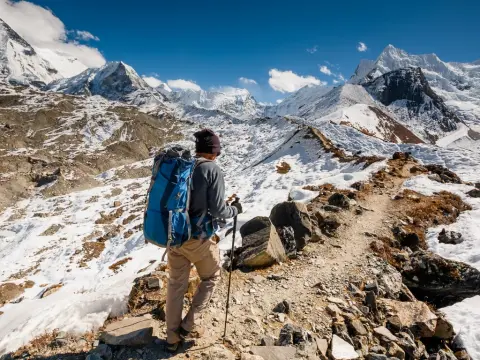
Yes, a beginner can complete the Everest Base Camp Trek. Despite what many people assume, reaching Everest Base Camp is not a mountaineering expeditio...
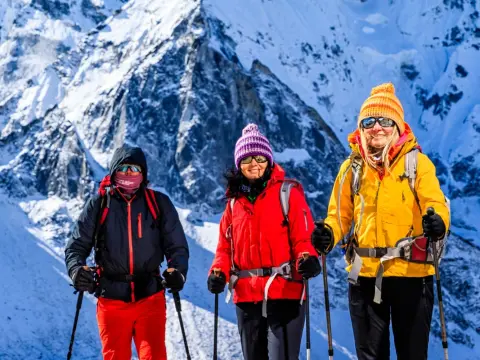
For the Everest Base Camp trek in 2026, you need two permits: the Sagarmatha National Park Entry Permit and the Khumbu Pasang Lhamu Rural Municipality...
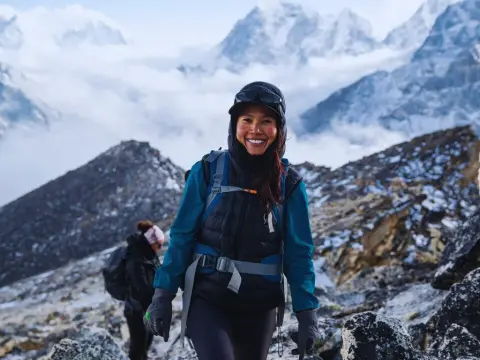
Accommodation on the Everest Base Camp (EBC) trek ranges from basic teahouses to luxury lodges. Rooms generally cost $3 to $100 per night, with amenit...
