
Group Departure Trekking in Nepal – Join Pre-Scheduled Adventures
3 Jul 2025
Group Departure Trekking in Nepal offers the perfect solution for adventurers who want to explore the Himalayas without the hassle of planning every d...

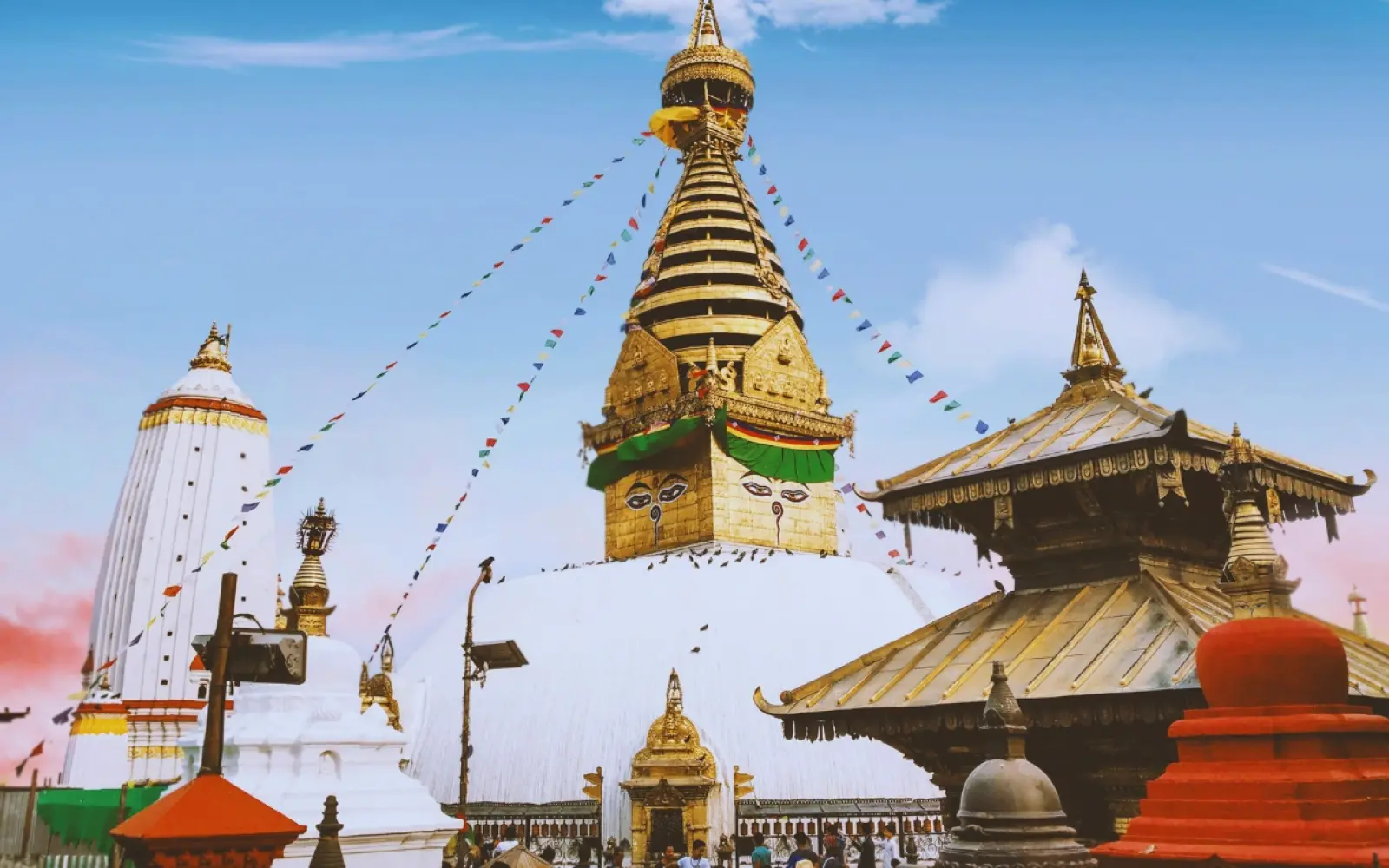

Standing atop a verdant hill in the heart of Kathmandu Valley, the Monkey Temple Nepal welcomes travelers with golden spires catching morning light and the penetrating gaze of Buddha's all-seeing eyes. This isn't just another temple visit—it's a journey into the spiritual soul of Nepal, where 2,500 years of Buddhist tradition breathe through every prayer flag fluttering in the mountain breeze.
Swayambhunath, as locals reverently call it, ranks among the most sacred Buddhist pilgrimage sites in the world. For travelers exploring Nepal's cultural treasures, this iconic Buddhist stupa in Kathmandu offers an unforgettable blend of spirituality, architecture, panoramic city views, and yes—playful troops of resident monkeys that gave this UNESCO World Heritage Site its beloved nickname.
Whether you're planning a comprehensive Kathmandu city tour or seeking meaningful cultural experiences during your Nepal adventure, Swayambhunath deserves a prominent place on your itinerary. As Kathmandu-based travel specialists, we at Majestic Trails Nepal have guided countless visitors through this remarkable site, watching their faces transform with wonder as they climb the 365 stone steps toward enlightenment.
In this comprehensive guide, we'll share everything you need to know about visiting the Monkey Temple in Kathmandu—from its fascinating history and religious significance to practical tips that will enhance your experience. Let's begin this spiritual journey together.
Swayambhunath Stupa, affectionately known as the Monkey Temple, Kathmandu, Nepal, is one of the oldest and holiest Buddhist religious sites in Nepal. Perched dramatically on a hilltop approximately 3 kilometers west of Kathmandu's city center, this ancient temple complex has watched over the valley for over two millennia.
The name "Swayambhunath" derives from Sanskrit, meaning "self-created" or "self-manifested one"—referring to the belief that the sacred flame enshrined within the stupa emerged spontaneously from a lotus flower that once bloomed on a primordial lake covering Kathmandu Valley.
Today, the Swayambhunath temple Nepal complex encompasses:
This harmonious blend of Buddhist and Hindu traditions makes Swayambhunath unique among famous temples in Nepal, embodying the religious tolerance that characterizes Nepali culture.
The documented history of Swayambhunath stretches back to the 5th century CE when Emperor Manadeva commissioned the first recorded construction at this sacred site. However, local legends place its origins much earlier—some traditions suggest the stupa existed during Buddha Shakyamuni's lifetime, making it potentially over 2,500 years old.
According to ancient Buddhist texts, the great Buddhist patriarch Manjushri discovered a miraculous lotus flower radiating brilliant light from the lake that once filled Kathmandu Valley. He drained the valley by cutting a gorge at Chovar, allowing pilgrims to worship the self-arisen flame. The stupa was built to enshrine this sacred manifestation.
Throughout its long history, Swayambhunath has experienced numerous renovations and expansions:
5th Century CE: Emperor Manadeva's documented additions
13th Century: King Pratap Malla added the eastern stairway with its 365 steps
17th-18th Centuries: Extensive temple additions during the Malla dynasty
2015: Significant damage from the Gorkha earthquake, followed by careful restoration
Today, Swayambhunath remains a vibrant center of Buddhist worship and study. Tibetan monks maintain the monastery, pilgrims from across Asia circumambulate the stupa daily, and important Buddhist festivals draw thousands of devotees throughout the year.
For travelers interested in Nepal's living heritage, a guided Kathmandu sightseeing tour provides invaluable context for understanding the cultural layers present at this remarkable site.
Swayambhunath holds particular significance for practitioners of Vajrayana Buddhism. The stupa represents the enlightened mind of Buddha, and circumambulating it clockwise while spinning prayer wheels is believed to accumulate spiritual merit.
Tibetan Buddhists consider Swayambhunath among the most important pilgrimage destinations outside Tibet. The site maintains strong connections with Tibetan Buddhist lineages, and many Tibetan refugees have settled in the surrounding area, enriching the site's spiritual atmosphere.
Remarkably, Swayambhunath also holds great importance for Hindus. The site contains temples dedicated to Hindu deities, including Harati (Ajima), the goddess of smallpox, who became a protector of children after converting to Buddhism. Shiva and Saraswati temples attract Hindu devotees alongside their Buddhist counterparts.
This peaceful coexistence of Buddhism and Hinduism at Swayambhunath beautifully exemplifies Nepal's tradition of religious harmony—something travelers experience firsthand on our Nepal cultural tours.
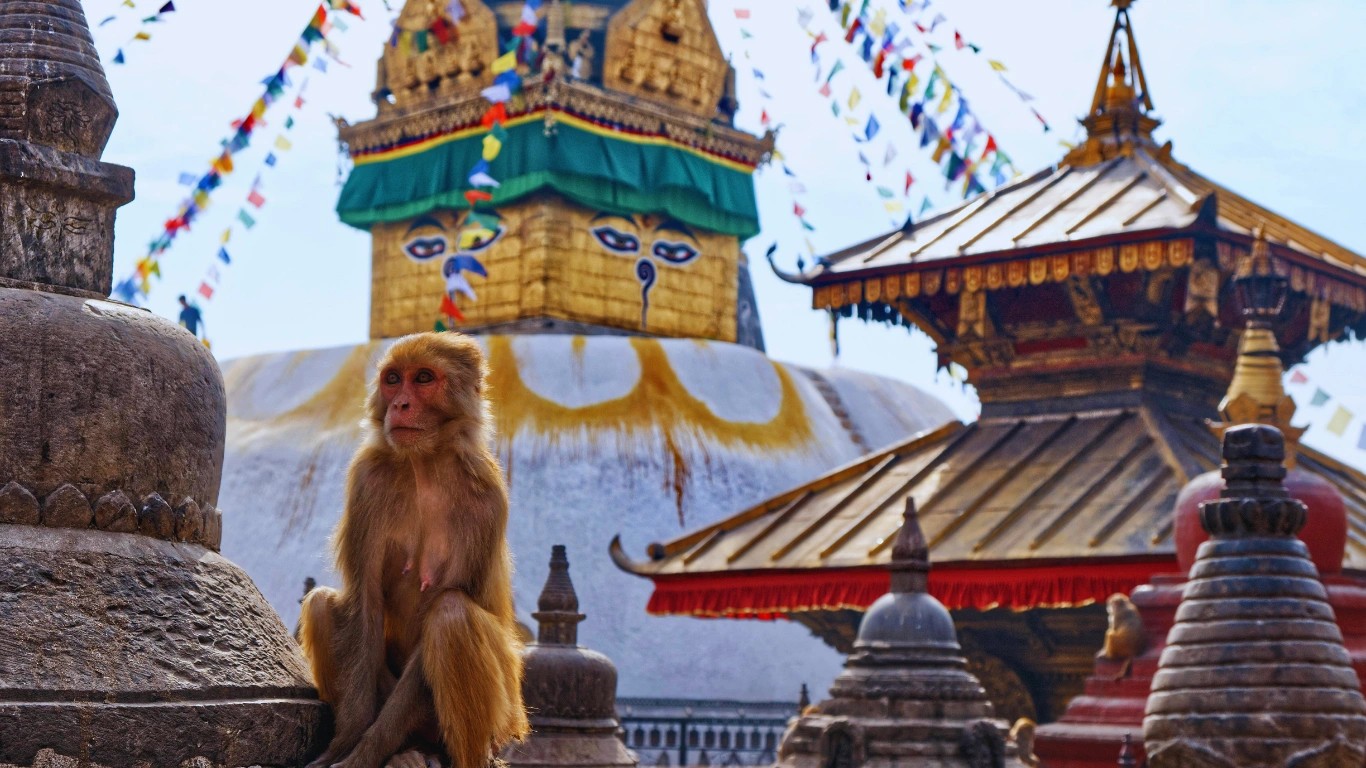
Visitors quickly discover why Swayambhunath earned its popular nickname. Hundreds of rhesus macaques inhabit the temple grounds, treating the ancient complex as their ancestral home. But these aren't ordinary residents—they're considered holy.
According to Buddhist legend, when Manjushri was cultivating the hill to establish the sacred site, head lice fell from his hair and transformed into monkeys. This origin story granted the primates sacred status, and they've been protected here for centuries.
The monkeys roam freely throughout the complex, scampering across temple roofs, playing on prayer wheels, and observing visitors with shrewd, knowing eyes. While sometimes mischievous—they've been known to snatch glasses, hats, and snacks—they're an integral part of the Swayambhunath experience.
Pro tip from our guides: Keep food hidden, secure loose items, and avoid direct eye contact or showing teeth, which monkeys interpret as aggression. More safety tips below!
The main stupa of Swayambhunath is an architectural masterpiece laden with Buddhist symbolism. Its whitewashed dome represents the earth element, while the golden cube-shaped harmika above represents the element of air.
Perhaps the most iconic feature of Swayambhu Monkey Temple is the pair of penetrating eyes painted on four sides of the golden tower. These "Buddha Eyes" or "Wisdom Eyes" symbolize the Buddha's all-seeing nature and his compassionate awareness of all beings.
Between the eyes, you'll notice a symbol resembling a question mark—this is actually the Nepali numeral "1," representing unity of all existence and the single path to enlightenment.
Rising above the eyes, thirteen gilded rings represent the thirteen stages that beings must pass through to achieve enlightenment. The entire structure is crowned by a gilded parasol (chattra), symbolizing royalty and spiritual sovereignty.
Colorful prayer flags radiate from the stupa's pinnacle, carrying mantras on the wind to benefit all beings. Along the base, massive prayer wheels contain scrolls printed with millions of mantras—spinning them clockwise is believed to release these prayers into the universe.
Beyond the magnificent central stupa, the Swayambhunath complex offers numerous attractions worth exploring:
Swayambhunath is open daily from sunrise to sunset, typically:
Summer: 4:00 AM – 9:00 PM
Winter: 5:00 AM – 8:00 PM
Best visiting times: Early morning (5:00-7:00 AM) for a spiritual atmosphere and fewer crowds, or late afternoon (4:00-6:00 PM) for golden hour photography.
Current entrance fees (2025):
While no strict dress code is enforced, modest attire is appreciated:
The resident monkeys are generally harmless but can be opportunistic. Follow these guidelines:
Our experienced guides are experts at navigating monkey interactions, ensuring safe and enjoyable visits for all travelers.
Optimal months: October to December and March to May
Buddha Purnima (Buddha's Birthday): Full moon in May – Thousands of devotees, spectacular celebrations
Losar (Tibetan New Year): February/March – Colorful ceremonies at the monastery
Early morning (5:00-6:30 AM): Experience pilgrims' morning rituals, peaceful atmosphere
Full moon days: Enhanced spiritual energy, more devotees present
Planning your visit around these special times? Our team can customize your Kathmandu city tour to coincide with meaningful festivals and ceremonies.
Swayambhunath sits just 3 kilometers west of Kathmandu's Thamel tourist district. Here's how to get there:
Arranged through your hotel or tour operator. Most convenient for combining multiple Kathmandu sightseeing destinations.
Our recommendation: Visit Swayambhunath as part of a comprehensive guided Kathmandu sightseeing tour to maximize your time and understanding of this remarkable site.
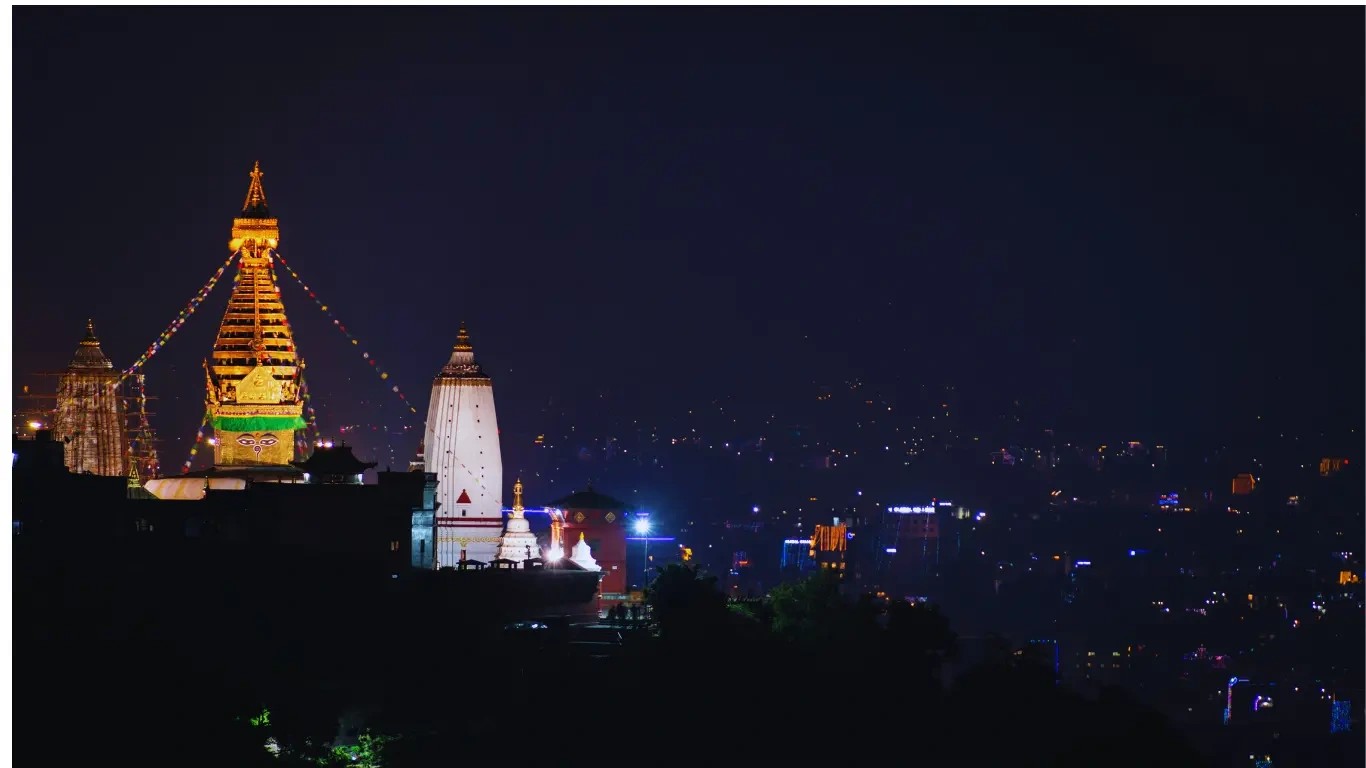
Swayambhunath offers some of the finest panoramic views of Kathmandu Valley. Here's how to capture them:
Swayambhunath was inscribed as a UNESCO World Heritage Site in 1979 as part of the "Kathmandu Valley" designation, which includes seven monument zones representing the valley's exceptional cultural heritage.
The UNESCO designation recognizes Swayambhunath's:
This recognition has helped secure international support for preservation, particularly important following earthquake damage in 2015.
Travelers interested in exploring all of Kathmandu's UNESCO treasures should consider our UNESCO heritage tours, which visit all seven monument zones with expert cultural interpretation.
Make your Monkey Temple visit smooth and meaningful with these insider recommendations:
Extend your Swayambhunath visit by exploring nearby sites:
Combining these top temples in Kathmandu into a single day is possible with efficient planning. Our short Nepal sightseeing trips are designed to maximize your cultural exposure while respecting your time.
While Swayambhunath can certainly be explored independently, visiting with an experienced local guide transforms a sightseeing stop into a profound cultural experience.
At Majestic Trails Nepal, our cultural guides are certified professionals with deep knowledge of Nepal's religious heritage and genuine passion for sharing their homeland's treasures.
When exploring Nepal's cultural heritage, partnering with the right tour operator transforms good experiences into extraordinary ones.
We offer several options for exploring Swayambhunath and Kathmandu's cultural treasures:
All tours include:
Ready to experience Nepal's spiritual heritage?
Book your Kathmandu city tour with Majestic Trails Nepal and discover why travelers trust us for authentic cultural experiences.
The Monkey Temple's official name is Swayambhunath (स्वयम्भूनाथ), which means "self-created lord" in Sanskrit. Local Nepalis typically call it "Swayambhu" for short. The "Monkey Temple" nickname was coined by tourists referring to the hundreds of sacred rhesus monkeys inhabiting the site. Include this famous temple in Nepal on your Kathmandu heritage tour for a complete cultural context.
The monkey temple entrance fee for foreign tourists from non-SAARC countries is NPR 200 (approximately USD $1.50). Visitors from SAARC nations pay NPR 50, while Nepali citizens enter for free. Fees are collected at the main eastern entrance at the base of the stairway. Our guided tours include all entrance fees.
The famous eastern stairway to Swayambhunath consists of 365 stone steps—one for each day of the year. King Pratap Malla added this staircase in the 17th century. The climb takes 15-20 minutes for most visitors. Alternative vehicle access is available on the western side for those with mobility concerns.
Yes, Swayambhunath is very safe for tourists. The main considerations are:
Monkeys: Generally harmless if you secure belongings and don't feed them
Steps: Can be tiring; take breaks as needed
Pickpockets: Rare, but keep valuables secure in crowds
Visiting with an experienced local guide ensures the safest, most enjoyable experience. Contact our team to arrange your guided visit.
Early morning (5:00-7:00 AM) offers the most spiritual atmosphere with pilgrims performing morning rituals, fewer tourists, and beautiful sunrise light. Late afternoon (4:00-6:00 PM) provides excellent photography conditions with golden hour light and city views. Midday visits tend to be crowded and hot during warmer months.
Plan 2-3 hours for a comprehensive visit, including the stairway climb, main stupa circumambulation, smaller temples, monastery, viewpoints, and museum. A rushed visit can be completed in 1-1.5 hours, but you'd miss much of the experience. Photography enthusiasts may want 3-4 hours.
Yes! On clear days (especially October-December), you can see stunning Himalayan panoramas from Swayambhunath's upper terrace, including Ganesh Himal, Langtang Lirung, and other peaks. Early morning typically offers the clearest views before afternoon haze develops.
Swayambhunath is primarily Buddhist, one of the holiest Buddhist pilgrimage sites in Nepal. However, the complex also contains important Hindu temples, reflecting Nepal's tradition of religious harmony. Both Buddhist and Hindu devotees worship here peacefully, making it a unique expression of Nepali spirituality.
Swayambhunath—the beloved Monkey Temple Nepal—offers more than spectacular views and photo opportunities. It's a window into Nepal's soul, where ancient wisdom lives through daily practice, sacred monkeys guard timeless traditions, and Buddha's all-seeing eyes remind us of life's deeper meaning.
Whether you have a few hours or several days to explore Kathmandu's cultural treasures, Majestic Trails Nepal is here to create meaningful experiences that stay with you long after you've descended those 365 steps.
Ready to explore?
📞 Talk to our local travel experts about your perfect Kathmandu experience
✉️ Get a free Kathmandu tour itinerary customized to your interests
🗓️ Book your Kathmandu city tour and discover Nepal's spiritual heart
Majestic Trails Nepal – Your trusted local partner for authentic Nepal experiences. Specializing in trekking adventures, cultural tours, and heritage explorations across the Himalayan nation.
Group Departure Trekking in Nepal offers the perfect solution for adventurers who want to explore the Himalayas without the hassle of planning every d...

Let's cut straight to it. Autumn, specifically September through November, is the best time to trek in Nepal. Spring runs a very close second, coverin...

The Langtang Valley Trek is one of Nepal’s most rewarding trekking adventures—less crowded than Everest or Annapurna, yet rich in culture, biodiversit...

Short on time but big on ambition? Nepal delivers extraordinary mountain experiences in as little as three days, and this guide breaks down exactly wh...
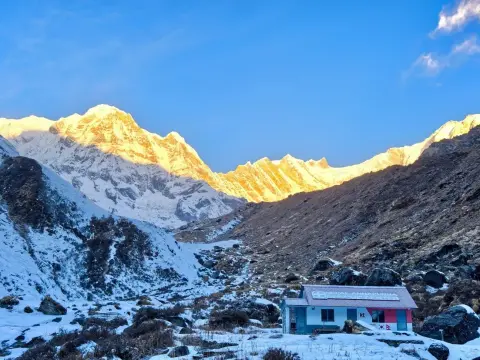
The Annapurna Base Camp trek stands among the world's most iconic Himalayan adventures. Every year, thousands of trekkers from across the globe journe...
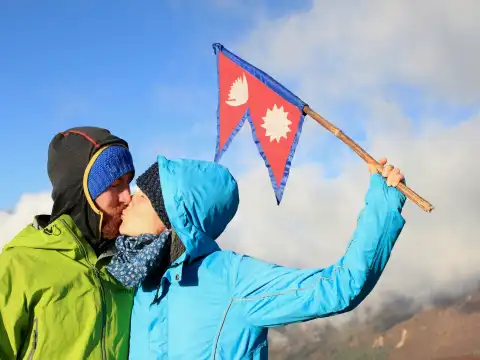
Imagine waking up to breathtaking Himalayan sunrises, sharing candlelit dinners beside serene lakes, and exploring ancient temples hand-in-hand with y...
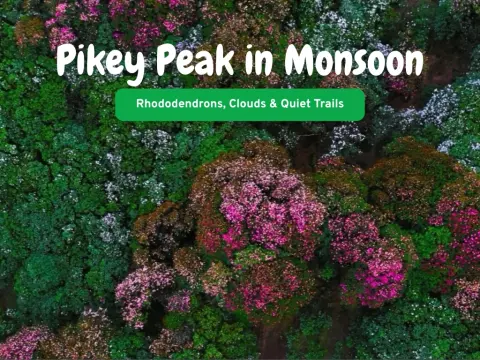
Solukhumbu is synonymous with Mount Everest, but beyond the famous peak lie quieter, magical destinations that often get overlooked. One such gem is P...
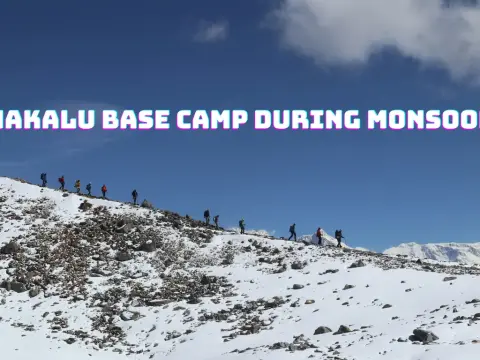
Makalu Base Camp Trek in the monsoon offers one of Nepal’s most remote and raw trekking experiences. Located inside Makalu Barun National Park, named...
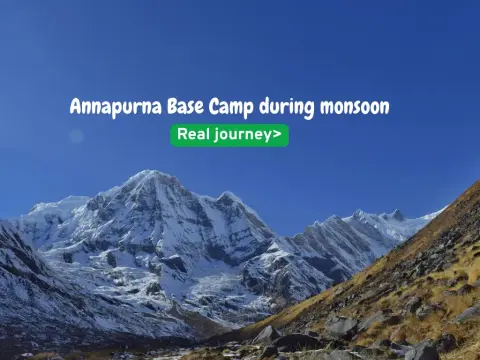
INTRODUCTIONTrekking to Annapurna Base Camp Trek is one of Nepal’s most iconic mountain journeys. For mountaineers, the climb begins here, but for tre...
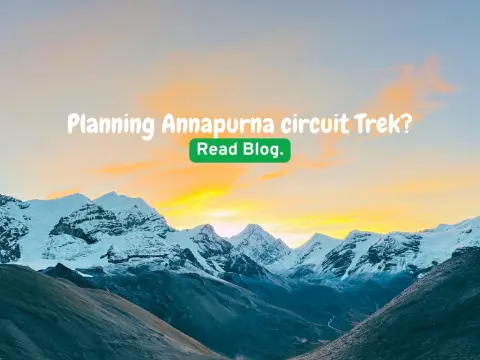
The Annapurna Circuit Trek is one of the world’s most legendary long-distance treks — a journey that circles the Annapurna massif through Nepal’s most...
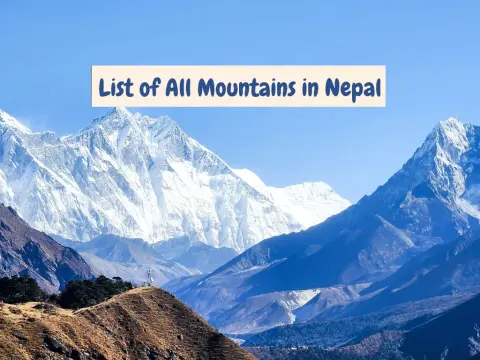
Nepal is home to the world’s most dramatic mountain landscapes — from the planet’s highest summit to thousands of soaring Himalayan peaks spread acros...
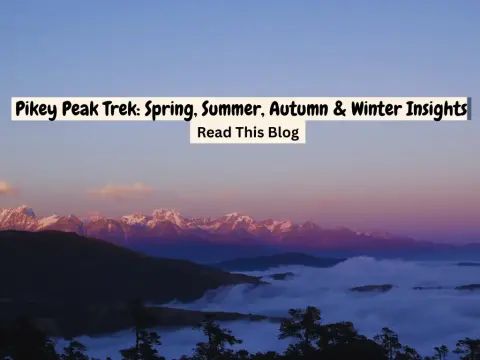
Choosing the best time to trek Pikey Peak Trek is one of the first decisions you'll make when planning this beautiful Himalayan adventure. Located in...
