
Thupten Chholing Monastery, Solu-Khumbu: History, Culture & Festivals
15 Jan 2026
Situated in the peaceful Solu-Khumbu region of Nepal, near the village of Junbesi, Thupten Chholing Monastery is a living testament to Tibetan Buddhis...


The morning mist parts slowly, revealing a hillside ablaze with crimson rhododendrons. Somewhere in the branches above, a Himalayan Monal's iridescent plumage catches the first sunlight, sending rainbow flashes through the forest. Below your feet, the trail is carpeted with fallen petals.
This is Pikey Peak—where biodiversity meets breathtaking views.
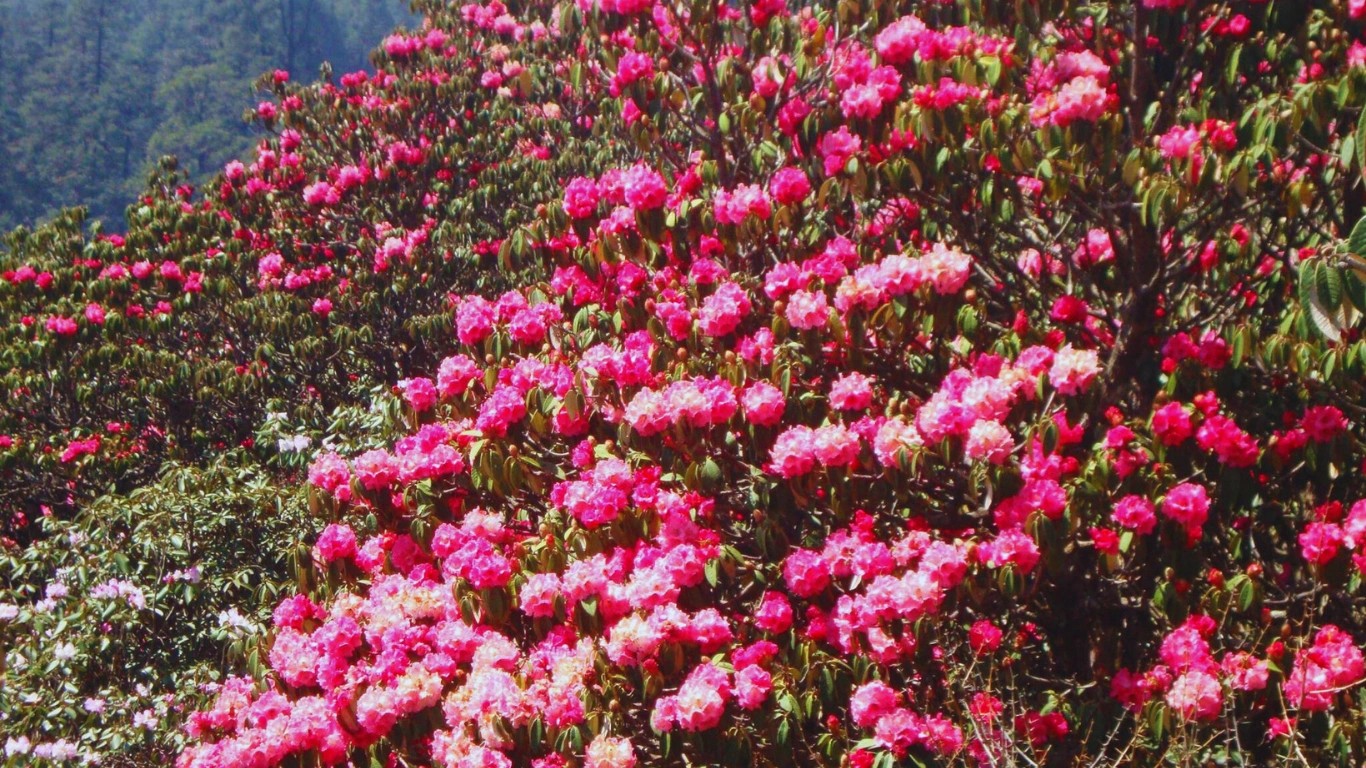
While most trekkers know Pikey Peak for its legendary sunrise panorama spanning from Everest to Kanchenjunga, fewer understand that the journey there passes through one of eastern Nepal's most ecologically rich corridors. The flora and fauna in Pikey Peak region represent a remarkable concentration of Himalayan biodiversity, from ancient rhododendron forests to rare wildlife species that call these slopes home.
This comprehensive guide explores the living landscape you'll encounter on the Pikey Peak trek. Whether you're a nature enthusiast, wildlife photographer, or trekker seeking deeper connection with the Himalayas, understanding this ecosystem transforms a beautiful walk into an unforgettable experience.
The Pikey Peak region sits within the Solu-Khumbu district of eastern Nepal, an area recognized globally for its exceptional biological diversity. Several factors combine to create this ecological richness:
Pikey Peak occupies a transitional zone between the middle hills and high Himalayas. This positioning creates overlapping habitats where species from different elevation zones coexist. The region serves as a biological corridor connecting lower subtropical forests with alpine meadows.
The trek covers elevations from approximately 2,000 meters to 4,065 meters at the summit. This 2,000-meter elevation gain compresses multiple climate zones into a relatively short distance, allowing trekkers to experience diverse ecosystems within days rather than weeks.
The Solu region receives significant monsoon rainfall, supporting lush vegetation. However, the area also experiences a pronounced dry season that has shaped plant adaptations and animal behaviors unique to this microclimate.
Unlike heavily trafficked trekking routes, Pikey Peak sees fewer visitors annually. This reduced human pressure allows wildlife populations to thrive and plant communities to maintain natural succession patterns.
The result is a living laboratory of Himalayan ecology—one that reveals itself gradually as you ascend through distinct vegetation zones toward the summit.
Understanding the flora and fauna in Pikey Peak requires recognizing how altitude shapes ecosystems. Each elevation band supports distinct plant communities, which in turn provide habitat for specific wildlife species.
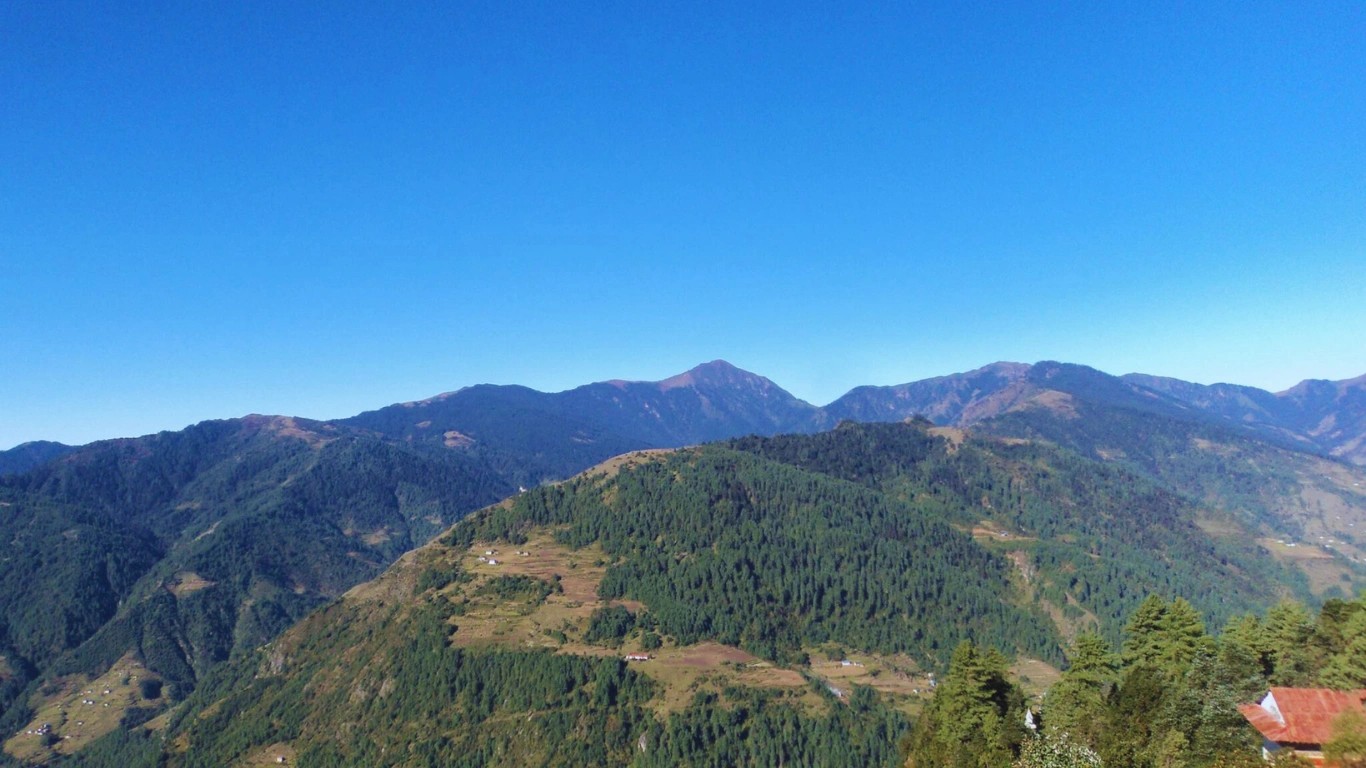
The trek begins in forests dominated by oak, maple, and alder species. These broadleaf forests create a dense canopy that supports incredible biodiversity at ground level.
Characteristic Plants:
The forest floor hosts ferns, mosses, and medicinal plants used in traditional Sherpa medicine. This zone buzzes with bird activity year-round, as the diverse vegetation provides varied food sources.
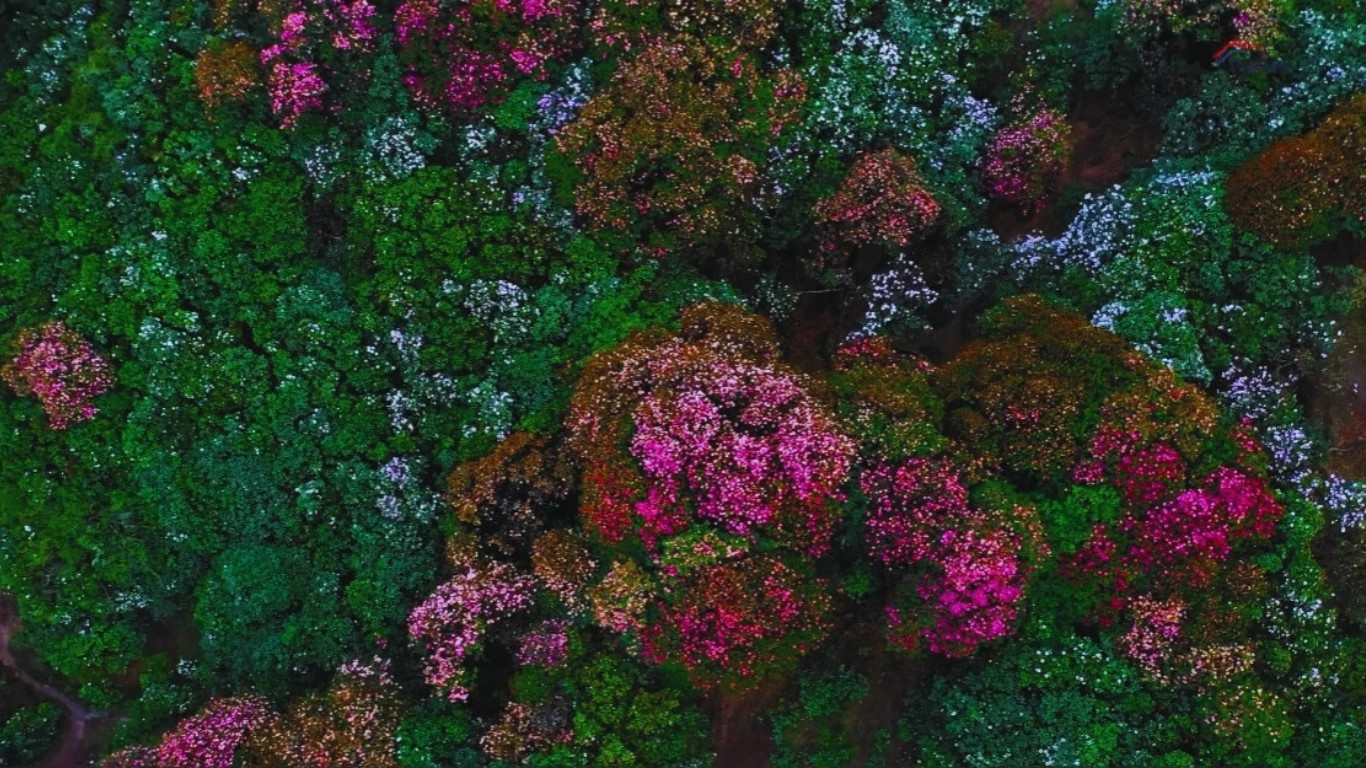
This is where the Pikey Peak trek reveals its most spectacular botanical display. The rhododendron forests of Pikey Peak rank among the finest in Nepal, with multiple species creating layered canopies of color during spring bloom.
Rhododendron Species Present:
| Species | Local Name | Flower Color | Blooming Period |
|---|---|---|---|
| Rhododendron arboreum | Laligurans | Deep red to pink | March-April |
| Rhododendron campanulatum | Nilo Chimal | Pale purple to white | April-May |
| Rhododendron barbatum | Lali Gurans | Blood red | March-April |
| Rhododendron hodgsonii | Gurans | Pink to magenta | April-May |
| Rhododendron wallichii | — | Lilac to purple | May-June |
Other Notable Plants:
Walking through this zone during April feels like moving through a natural cathedral. Massive rhododendron trees—some over 200 years old—arch overhead, their gnarled trunks covered in moss and lichen.
Approaching the Pikey Peak summit, forests give way to dwarf shrubs and alpine meadows. Vegetation becomes sparse and wind-sculpted, but no less interesting botanically.
Characteristic Plants:
This zone supports specialized wildlife adapted to harsh conditions, including some of the rarer species found in the region.
The diverse habitats along the Pikey Peak trek support an impressive array of wildlife. While large mammals can be elusive, patient observers are often rewarded with memorable sightings.
Himalayan Black Bear (Ursus thibetanus)
These bears inhabit the middle elevation forests, feeding on acorns, berries, and insects. Signs of their presence—claw marks on trees, overturned logs—are more common than direct sightings. Bears are most active during autumn when they fatten for winter, and spring when they emerge hungry.
Trekker Experience: Bears generally avoid humans. Our guides know their seasonal patterns and maintain safe distances. Sightings are uncommon but thrilling when they occur.
Himalayan Serow (Capricornis thar)
This goat-antelope hybrid inhabits steep, forested slopes throughout the region. With their dark coats and backward-curving horns, serows are impressive animals that prefer dawn and dusk activity. They're surprisingly common in the Pikey Peak forests, though their cryptic behavior makes sightings unpredictable.
Red Panda (Ailurus fulgens)
The wildlife in Pikey Peak region includes one of Nepal's most beloved creatures—the red panda. These bamboo-eating mammals live in the temperate forests between 2,500 and 3,500 meters. While bamboo is their primary food, the Pikey Peak red pandas also eat berries, acorns, and lichens.
Red pandas are notoriously difficult to spot. They spend most of their time in tree canopies and are most active at dawn and dusk. However, our guides know several locations where sightings are possible, particularly during autumn.
Other Mammals:
The Himalayan birds in Solu region represent one of the trek's greatest wildlife attractions. Over 250 bird species have been documented in the greater Pikey Peak area, with approximately 120 species commonly observed along the trekking route.
Flagship Species:
Himalayan Monal (Lophophorus impejanus)
Nepal's national bird, the monal is a large pheasant whose male plumage contains every color of the rainbow. These spectacular birds favor rhododendron forests and subalpine meadows. Dawn is the best time for sightings, when males call from exposed rocks.
Satyr Tragopan (Tragopan satyra)
Perhaps the most beautiful of all Himalayan pheasants, the satyr tragopan features crimson plumage spotted with white ocelli. Extremely shy, these birds require patience and quiet movement to observe. The Pikey Peak forests support healthy populations.
Blood Pheasant (Ithaginis cruentus)
Found in the upper reaches near treeline, blood pheasants travel in small flocks, scratching through leaf litter for food. Their streaked plumage provides excellent camouflage, but their clucking calls often reveal their presence.
Notable Bird Species by Zone:
| Zone | Notable Species |
|---|---|
| Lower Forest | Rufous-bellied Niltava, Sultan Tit, Spiny Babbler (Nepal endemic), Green Magpie |
| Rhododendron Forest | Fire-tailed Myzornis, Mrs. Gould's Sunbird, Himalayan Cutia, Rufous-gorged Flycatcher |
| Upper Zone | Snow Pigeon, Grandala, White-browed Rosefinch, Alpine Accentor |
| Throughout | Himalayan Griffon Vulture, Golden Eagle, Spotted Nutcracker |
Birdwatching Tips:
While less prominent than mammals and birds, the region supports several interesting species:
The Pikey Peak biodiversity extends to invertebrates, with hundreds of butterfly species recorded. Spring and early autumn bring spectacular butterfly activity, including:
Understanding the conservation context adds meaning to wildlife encounters on the trail.
The Pikey Peak region functions as a critical biological corridor connecting protected areas across eastern Nepal. Wildlife populations here contribute to genetic diversity across the broader landscape. The intact forests also provide essential ecosystem services:
Several challenges face the flora and fauna in Pikey Peak:
Climate Change: Observed impacts include shifting flowering times for rhododendrons, altered bird migration patterns, and upward movement of vegetation zones. Local communities report changes in seasonal patterns that affect both agriculture and wildlife.
Habitat Fragmentation: While the Pikey Peak trek passes through relatively intact forest, surrounding areas face pressure from firewood collection and agricultural expansion.
Unsustainable Harvesting: Some medicinal plants face overharvesting pressure, though the situation is less severe than in more accessible areas.
Several efforts work to protect this landscape:
Trekking with responsible operators directly supports these conservation efforts through local employment, community payments, and awareness building.
Timing significantly affects what wildlife and plant life you'll encounter.
Highlights:
Challenges:
Best For: Photographers, botanists, rhododendron enthusiasts
Highlights:
Challenges:
Best For: Wildlife enthusiasts, general trekkers, photographers seeking mountain views
Highlights:
Challenges:
Best For: Experienced trekkers, solitude seekers
The monsoon brings heavy rainfall, leeches, and obscured views. However, the forests are incredibly lush, and certain plants bloom only during this period. Not recommended for most trekkers.
The Pikey Peak Trek itinerary naturally incorporates biodiversity experiences throughout.
Day 1-2: Lower Forest Immersion
Starting from Dhap or Junbesi, the trail winds through mixed broadleaf forest. Bird activity peaks in early morning—expect to hear (and with patience, see) laughingthrushes, babblers, and various warblers.
Day 3-4: Rhododendron Forest Traverse
The heart of the botanical experience. Trails pass through forests where rhododendrons reach 15 meters tall. During spring, the canopy becomes a continuous ceiling of red and pink blooms. Watch for pheasants in early morning and monal calls echoing across valleys.
Day 5: Summit Day and Alpine Zone
The pre-dawn climb to Pikey Peak summit traverses the treeline transition zone. Alpine birds like rosefinches and accentors become common. The summit itself offers not just the famous eight-thousander panorama, but also views across the landscape showing how different vegetation zones layer across the mountains.
Maximizing Your Chances:
What to Bring:
| Item | Purpose |
|---|---|
| Binoculars (8x32 or 10x42) | Essential for birds and distant mammals |
| Field guide | Helps identification; several Nepal guides available |
| Camera with telephoto lens | Wildlife photography requires reach |
| Notebook | Record sightings for memory and citizen science |
| Patience | The most important tool of all |
Experiencing the flora and fauna in Pikey Peak comes with responsibility. These practices protect the ecosystem you came to enjoy:
Noise Discipline: Keep voices moderate in forested sections. Loud sounds stress wildlife and reduce your chances of sightings.
Stay on Trails: Off-trail walking damages fragile vegetation and disturbs ground-nesting birds. Erosion caused by shortcutting affects habitat quality.
No Feeding Wildlife: Human food disrupts natural behaviors and can cause health problems for wild animals. Habituated animals also pose safety risks.
Maintain Distance: Use binoculars and telephoto lenses rather than approaching wildlife closely. Stress from close human presence affects animal health and behavior.
Pack Out Everything: No biodegradable exceptions—orange peels and food scraps attract scavengers and don't belong in this ecosystem.
Use Established Toilets: Where facilities exist, use them. Where they don't, practice Leave No Trace principles.
Avoid Single-Use Plastics: Plastic waste is a growing problem across Nepal. Carry reusable water bottles and avoid unnecessary packaging.
Choose Responsible Operators: Companies that employ local guides, use sustainable practices, and contribute to conservation make a difference.
Support Community Conservation: Purchasing local products and staying in locally-owned lodges provides economic incentives for forest protection.
Report Unusual Sightings: Your observations have value. Report rare species sightings to your guide or conservation organizations.
Among Nepal's many trekking options, Pikey Peak offers unique advantages for nature enthusiasts:
Accessibility: The short Everest view trek requires no flights or extensive travel. You're in prime habitat within hours of leaving Kathmandu.
Lower Crowds: Unlike the Everest Base Camp trail, Pikey Peak sees relatively few trekkers. Wildlife is less disturbed, and the experience feels more intimate.
Elevation Diversity: The trek compresses multiple ecological zones into a few days. You'll experience biodiversity equivalent to treks three times as long.
Authentic Culture: Sherpa villages along the route maintain traditional relationships with the forest. Local guides share ecological knowledge passed through generations.
Supporting Conservation: Trekking here provides economic alternatives to resource extraction, directly supporting forest protection.
For those seeking the best lower Everest region trek that combines mountain views with natural history, Pikey Peak delivers an experience difficult to match elsewhere.
The most commonly observed wildlife includes various pheasant species (Himalayan Monal, Blood Pheasant, Satyr Tragopan), numerous songbird species, and occasionally Himalayan Serow. Red pandas are present but rarely seen due to their shy nature. Signs of Himalayan Black Bear are frequently observed, though direct sightings are uncommon. Bird diversity is exceptional, with 100+ species possible during a single trek.
Peak rhododendron bloom typically occurs from late March through mid-April, though timing varies by elevation and yearly weather patterns. Lower elevation species (R. arboreum) bloom first, followed by higher elevation species through May. For guaranteed blooms across all zones, plan your trek for the first two weeks of April.
Excellent. The region supports over 250 documented bird species across diverse habitats. The trek passes through prime habitat for several spectacular Himalayan species, including Nepal's national bird. Spring offers breeding plumage and increased vocalization, while autumn brings migratory species. Even casual observers typically record 50+ species during the trek.
The region hosts Himalayan Black Bears and venomous snakes (primarily Himalayan Pit Vipers), but dangerous encounters are extremely rare. Bears actively avoid humans, and snakes are seldom encountered on well-traveled trails. Following guide instructions and making noise while walking effectively eliminates risk. Our Pikey Peak hiking package includes experienced guides trained in wildlife safety.
Pikey Peak offers biodiversity comparable to longer, more remote treks due to its elevation diversity and relatively intact forests. The rhododendron forests rival those of the Annapurna region. Wildlife density benefits from lower trekker numbers compared to popular routes. For nature enthusiasts, it provides an off-the-beaten-path Himalayan trek experience with exceptional ecological rewards.
Binoculars are essential—8x32 or 10x42 magnification works well in forested terrain. A field guide to Himalayan birds helps with identification. Photographers wanting wildlife images need telephoto lenses (300mm minimum). Otherwise, standard trekking equipment suffices. Neutral-colored clothing helps you blend in for wildlife observation.
Yes. We can customize itineraries for wildlife-focused groups, including extended stays at productive locations, dawn/dusk observation sessions, and routes through prime habitat areas. Such treks typically add 2-3 days to standard itineraries and include guides with specialized natural history knowledge.
The flora and fauna in Pikey Peak represent something increasingly rare in our world: an intact Himalayan ecosystem where wildlife thrives and ancient forests stand undisturbed.
Walking through rhododendron groves older than your grandparents, watching a Himalayan Monal's plumage catch morning light, finding red panda tracks in fresh snow—these experiences connect you to something larger than yourself.
The famous sunrise view from Pikey Peak summit is spectacular, without question. But the living landscape you traverse to reach that summit? That's where the deeper magic lives.
Every footstep on the Pikey Peak trail passes through communities of countless species—each perfectly adapted to its niche, each playing its role in the mountain ecosystem. Understanding this web of life transforms a beautiful trek into something more meaningful.
Ready to experience Himalayan biodiversity firsthand?
Our Pikey Peak Trek takes you through the heart of this ecological wonderland with guides who know where wildlife hides and which trees hold the rarest orchids. We trek responsibly, support local conservation, and share our deep love for this landscape with every guest.
The rhododendrons are blooming. The monal is calling. The mountains are waiting.
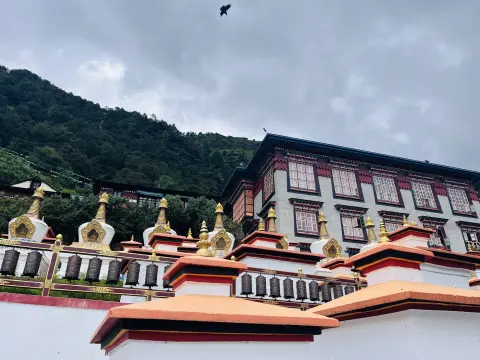
Situated in the peaceful Solu-Khumbu region of Nepal, near the village of Junbesi, Thupten Chholing Monastery is a living testament to Tibetan Buddhis...

Solukhumbu is synonymous with Mount Everest, but beyond the famous peak lie quieter, magical destinations that often get overlooked. One such gem is P...

The Annapurna Circuit Trek is one of the world’s most legendary long-distance treks — a journey that circles the Annapurna massif through Nepal’s most...
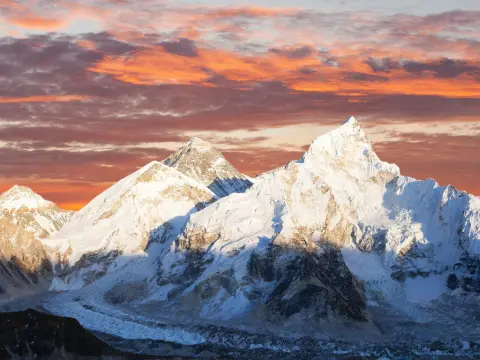
Nepal is a country defined by mountains. Stretching across the country’s northern edge, the Himalayas pack Earth’s highest peaks into one nation. Eigh...

Nepal's tourism destinations offer an unforgettable journey through a landlocked country nestled in the embrace of the world’s most majestic mountain...

Trekking in Nepal in July offers a completely different yet deeply rewarding adventure for travelers seeking lush landscapes, peaceful trails, and aut...

Nepal isn't a destination you rush through. From the ancient temples of Kathmandu to the soaring peaks of the Himalayas, every corner of this remarkab...
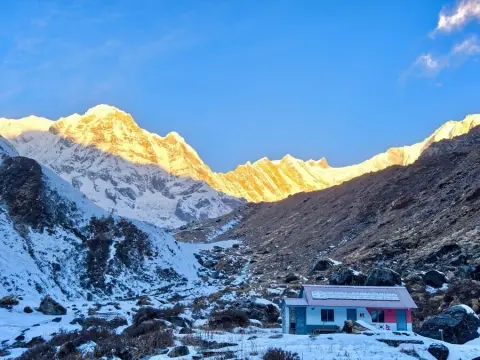
The morning mist lifted slowly from the Modi Khola valley as our trekking group paused near Deurali. Suddenly, movement caught my eye—a Himalayan tahr...
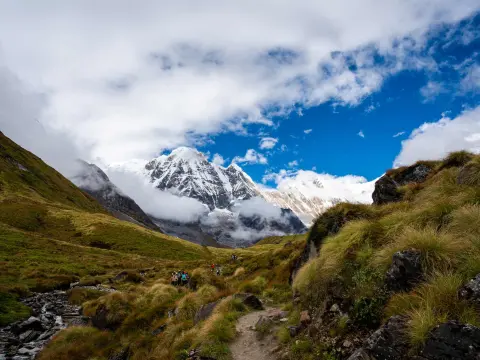
The Annapurna Base Camp trek is a moderate trek, suitable for fit beginners, with no technical climbing required. Its main challenge is not the altitu...

IntroductionPlanning a trek in Nepal requires more than just physical preparation—you also need the right permits. Trekking permits are official docum...
