
Thupten Chholing Monastery, Solu-Khumbu: History, Culture & Festivals
15 Jan 2026
Situated in the peaceful Solu-Khumbu region of Nepal, near the village of Junbesi, Thupten Chholing Monastery is a living testament to Tibetan Buddhis...

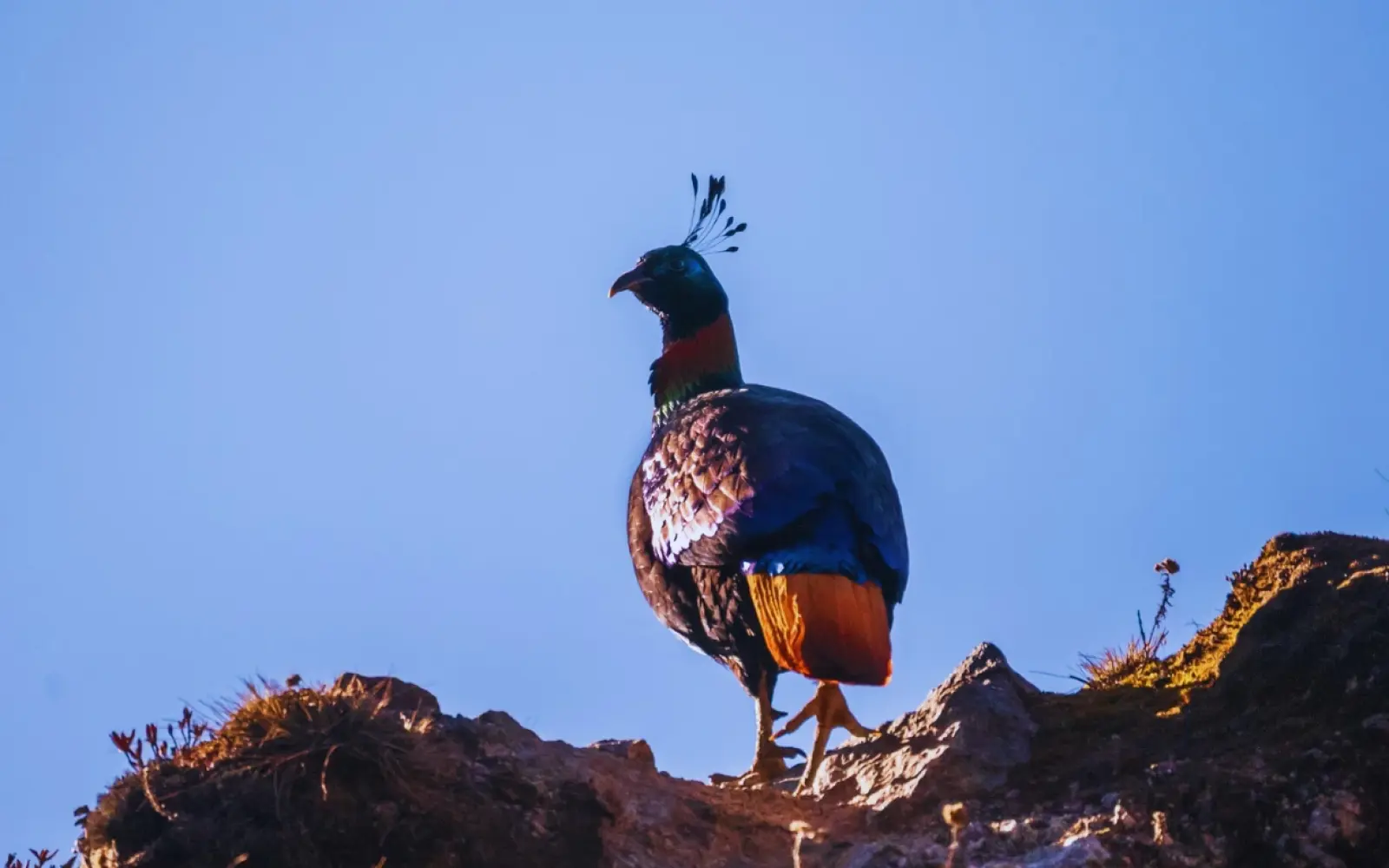

The Danfe, scientifically known as the Himalayan Monal (Lophophorus impejanus), is the national bird of Nepal, celebrated for its stunning iridescent plumage and deep cultural significance. Nepal declared the Danfe its national bird in 1962, recognizing it as a symbol of the country's natural beauty and Himalayan heritage.
This magnificent pheasant is found in the high-altitude forests and alpine meadows of the Himalayas, typically between 2,100 and 4,500 meters elevation. The Danfe holds immense cultural importance in Nepal, representing national pride, natural splendor, and the rich biodiversity of the Himalayan region.
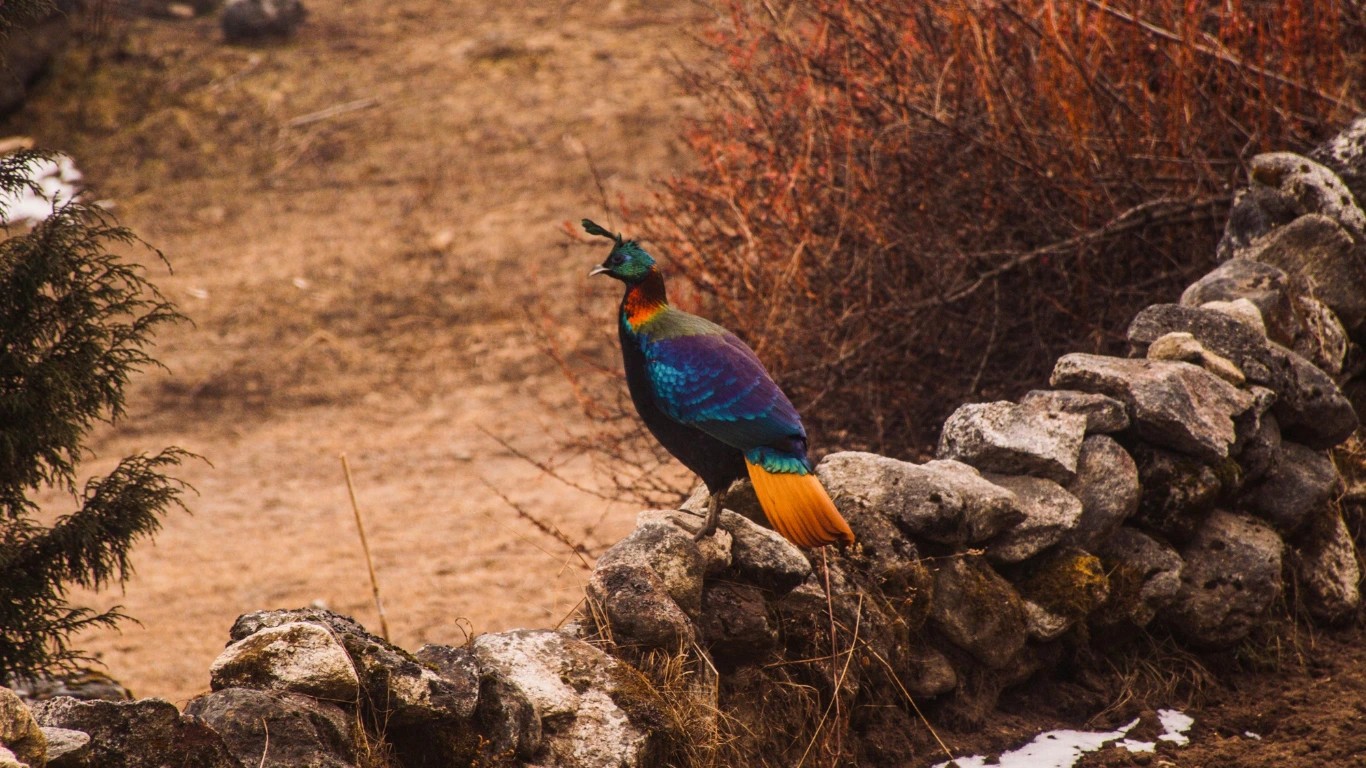
The Danfe, commonly called the Himalayan Monal, is a large and spectacularly colorful pheasant belonging to the family Phasianidae. Its scientific name is Lophophorus impejanus, named after Lady Mary Impey, who first kept these birds in captivity in the 18th century.
This bird is renowned worldwide for its breathtaking appearance and remarkable plumage.
The male Danfe is arguably one of the most beautiful birds in the world. Its feathers display an extraordinary range of metallic colors that shimmer and change in the sunlight.
Male Danfe characteristics:
Female Danfe characteristics:
The stark difference between male and female Danfe represents one of nature's most dramatic examples of sexual dimorphism in birds.
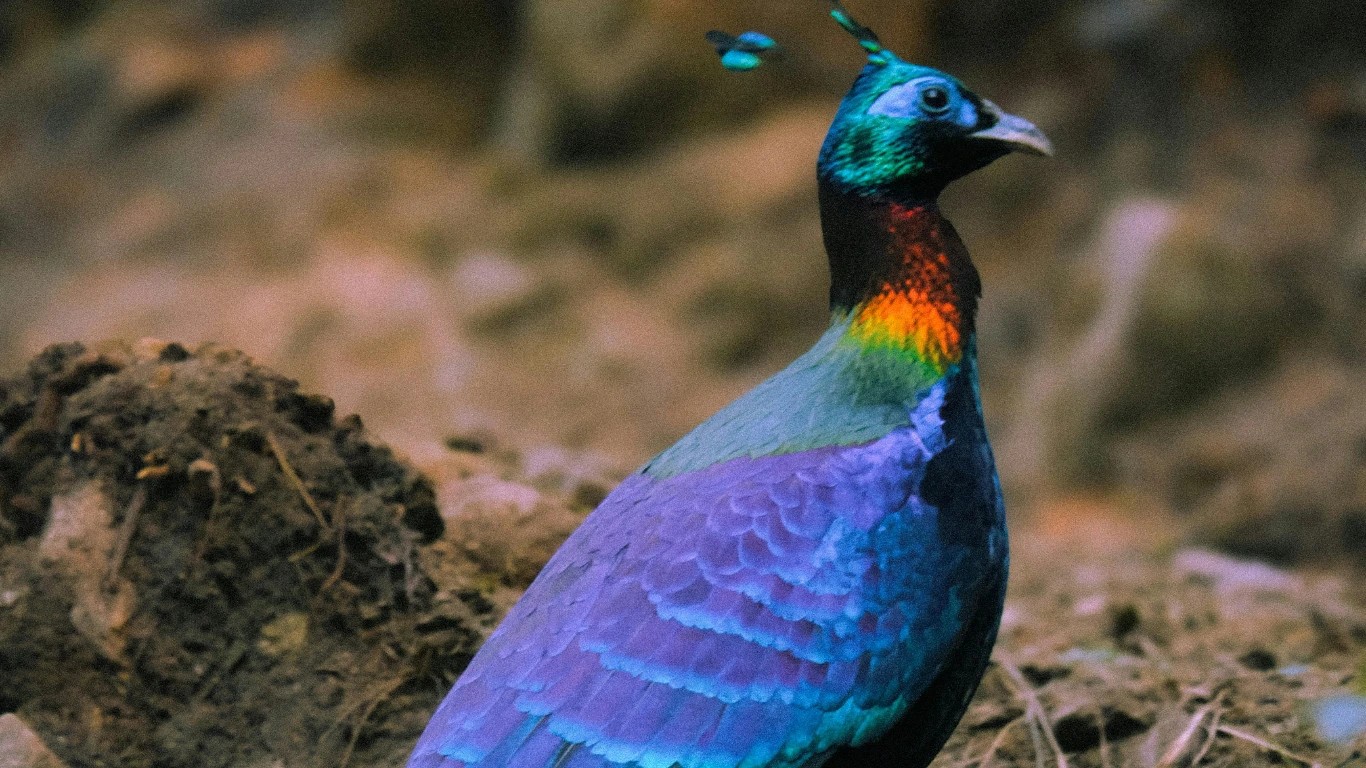
Nepal officially declared the Danfe as its national bird in 1962, recognizing this magnificent creature as a perfect symbol of the nation's natural heritage.
The Danfe represents the extraordinary beauty found within Nepal's borders. Its vibrant, multicolored plumage mirrors the diverse landscapes and cultures of the nation.
As a bird exclusively found in Himalayan regions, the Danfe bird Nepal connection perfectly embodies the country's mountainous identity. It serves as a living ambassador of the world's highest peaks.
The Danfe has appeared in Nepali folklore and traditional stories for centuries. Its selection as the national bird honored both its natural magnificence and its deep roots in Nepali culture.
The bird's regal appearance and exclusive Himalayan habitat made it an obvious choice to represent Nepal on the world stage.
The Danfe thrives in specific environmental conditions found only in the Himalayan mountain range.
This remarkable bird lives at elevations between 2,100 and 4,500 meters above sea level. During different seasons, they move vertically along mountain slopes seeking optimal conditions.
The Danfe inhabits several distinct ecological zones:
Visitors and researchers can find Danfe populations in several protected areas:
These regions provide the forest cover, food sources, and protection that the national bird of Nepal requires for survival.
The Danfe maintains an omnivorous diet that changes with seasonal availability.
Primary food sources include:
During winter months, Danfe birds dig through snow to reach buried food sources. Their strong, curved beaks serve as efficient tools for excavating the frozen ground.
This varied diet allows the Himalayan Monal to survive in harsh mountain environments where food availability fluctuates dramatically throughout the year.
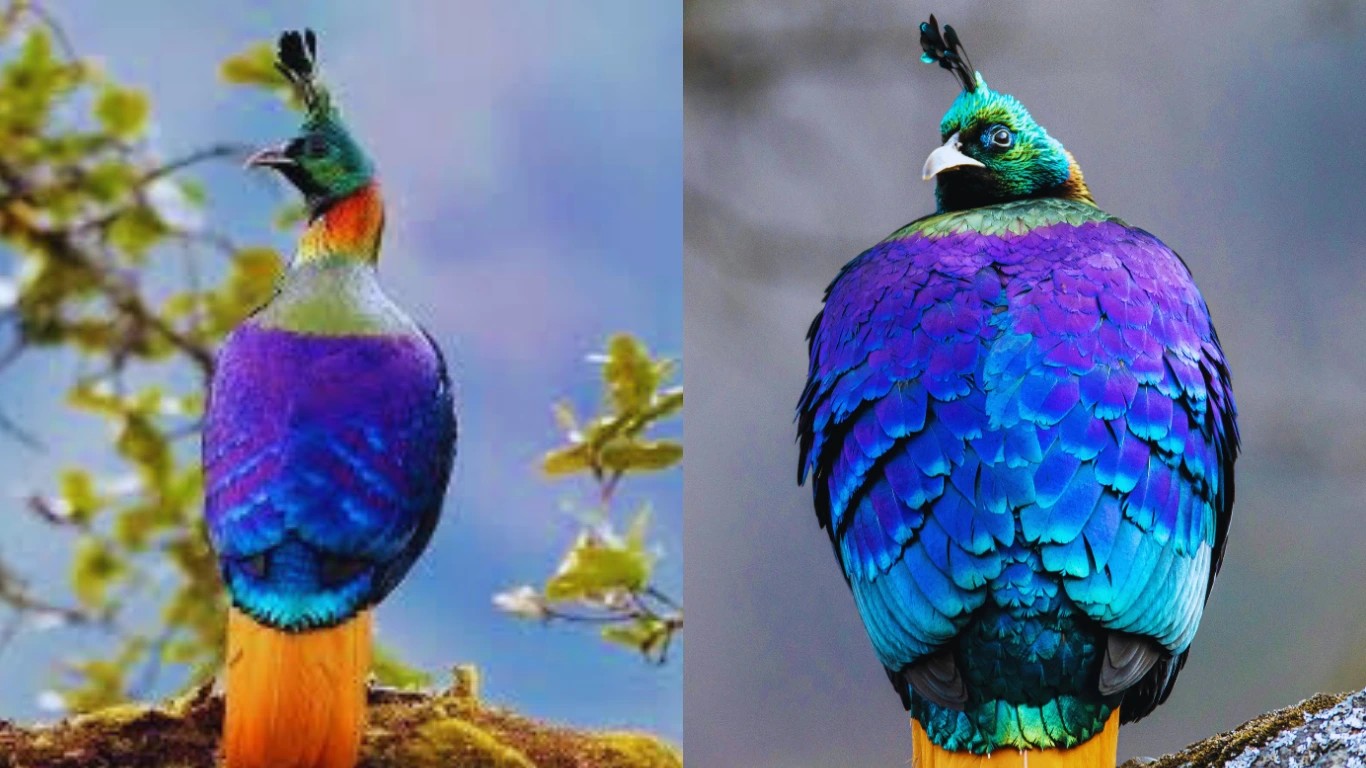
The Danfe possesses numerous fascinating characteristics that make it truly remarkable.
Captivating facts about Nepal's national bird:
Despite their shy nature, patient observers can witness these incredible birds during high-altitude treks.
Yes, trekkers in Nepal have genuine opportunities to spot the magnificent Danfe in its natural habitat.
Several popular trekking routes pass through prime Danfe territory:
Spring (March to May): Males display vibrant plumage during breeding season, making sightings more rewarding.
Autumn (September to November): Clear weather and active foraging increase visibility chances.
Trekking companies like Majestic Trails Nepal organize routes through key Danfe habitats, offering nature enthusiasts excellent wildlife viewing opportunities alongside spectacular mountain scenery.
The Danfe currently holds "Least Concern" status on the IUCN Red List, though localized threats require ongoing attention.
Nepal's government has implemented several conservation initiatives:
Challenges facing Danfe populations:
Responsible tourism contributes significantly to Danfe conservation. Revenue from trekking permits funds protection efforts, while visitor presence discourages illegal hunting activities.
Tourists who practice ethical wildlife watching help ensure future generations can also witness the beauty of Nepal's national bird.
The scientific name of Danfe is Lophophorus impejanus. It belongs to the pheasant family Phasianidae and is commonly known internationally as the Himalayan Monal.
Nepal designated the Danfe as its national bird in 1962 due to its extraordinary beauty and exclusive Himalayan habitat. The bird symbolizes Nepal's natural heritage, mountainous landscape, and national pride.
You can spot Danfe in high-altitude regions including Annapurna Conservation Area, Langtang National Park, and Sagarmatha National Park. These areas between 2,100 and 4,500 meters elevation provide ideal habitat conditions.
The Danfe is currently classified as "Least Concern" by the IUCN. However, it remains protected under Nepali law due to localized threats from habitat loss and hunting.
The Danfe symbolizes natural beauty, Himalayan heritage, and national pride for Nepal. Its colorful plumage represents the country's diverse landscapes and rich biodiversity.
The Nepali name for the Himalayan Monal is "Danfe" (डाँफे). This name is widely used throughout Nepal and appears in educational materials, tourism content, and cultural references.
The Danfe produces a loud, melodious whistling call, especially during breeding season. Males use this distinctive call to attract females and establish territory.
In the wild, Danfe typically live 10 to 15 years. In protected environments with adequate food and absence of predators, they may survive longer.
The Danfe holds profound importance in Nepali society beyond its official status as the national bird.
Nepali school textbooks feature the Danfe prominently in science and environmental studies curricula. Students learn about this bird from an early age, fostering national pride and environmental awareness.
Nepal's tourism industry frequently uses Danfe imagery in promotional materials. The bird appears on:
The Danfe represents the broader richness of Himalayan biodiversity. Its conservation serves as an umbrella for protecting entire mountain ecosystems and countless other species sharing its habitat.
Historically, Danfe feathers held ceremonial importance among certain Himalayan communities. Modern conservation laws now protect the bird from feather collection, while cultural appreciation continues through observation and photography.
The Danfe – national bird of Nepal – stands as a magnificent testament to the country's natural wonders. From its dazzling iridescent plumage to its high-altitude Himalayan home, this remarkable bird captivates everyone fortunate enough to witness it.
Whether you're a student researching Nepal's national symbols, a wildlife enthusiast seeking rare species, or a traveler planning Himalayan adventures, the Danfe offers an unforgettable connection to Nepal's natural heritage.
As you explore Nepal's mountain trails and pristine forests, remember that responsible tourism practices protect these incredible birds for future generations. Observe from appropriate distances, follow park regulations, and support conservation initiatives during your visit.
The mountains of Nepal await, and somewhere among the rhododendron forests and alpine meadows, the magnificent Danfe continues its timeless dance with the Himalayan winds.
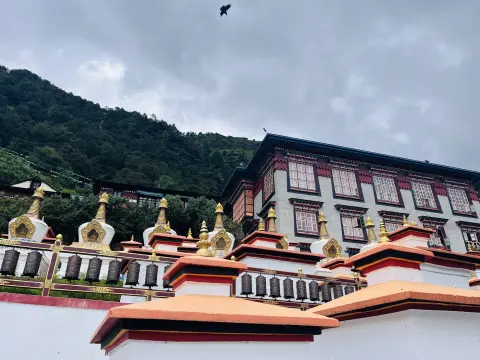
Situated in the peaceful Solu-Khumbu region of Nepal, near the village of Junbesi, Thupten Chholing Monastery is a living testament to Tibetan Buddhis...

Nepal's tourism destinations offer an unforgettable journey through a landlocked country nestled in the embrace of the world’s most majestic mountain...
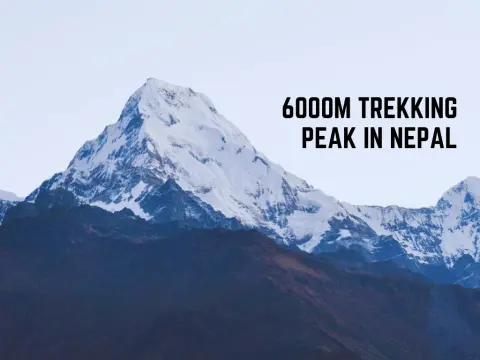
Why 6000m Trekking Peaks Nepal Should Be Your Next AdventureStanding atop a 6000-meter summit in the Himalayas, with prayer flags snapping in the wind...

Introduction"Tailor-made Nepal trips put you in control: Discuss routes, adjust plans, and experience the Himalayas your way with expert local guides"...
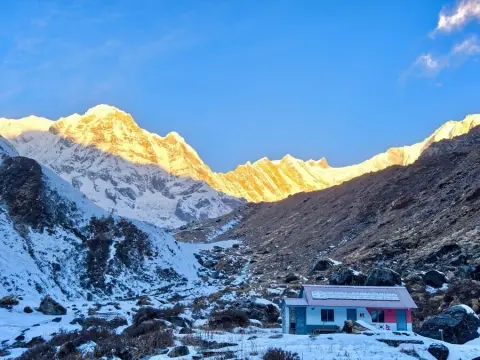
The morning mist lifted slowly from the Modi Khola valley as our trekking group paused near Deurali. Suddenly, movement caught my eye—a Himalayan tahr...

The morning mist parts slowly, revealing a hillside ablaze with crimson rhododendrons. Somewhere in the branches above, a Himalayan Monal's iridescent...
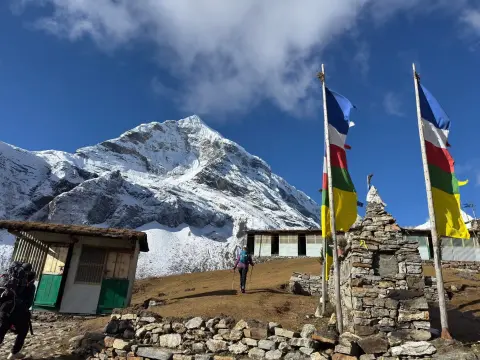
Introduction: Where Wild Nature Meets the World's Fifth Highest PeakThe moment I stepped into the Makalu-Barun Valley for the first time, I understood...

Nepal has always been more than a destination. It is a sanctuary where the physical and spiritual worlds intertwine beneath snow-capped peaks and with...

Nepal is far more than a trekking destination nestled among the world's highest peaks. This ancient Himalayan kingdom pulses with profound spiritual e...

Nepal is a land where nature paints its most spectacular masterpieces. From the towering peaks of the Himalayas to serene alpine lakes, dense jungles...
Discover the Heart of NepalIf you're searching for the best places to go in Nepal Kathmandu, you've chosen one of Asia's most captivating destinations...

If you're curious about trekking in Nepal, you've landed in the right place. Nepal is home to the world's most breathtaking mountain trails, ancient c...
