[{"name":"Langtang Valley Trek \u2014 10 Days","duration":"10","image_url":"https:\/\/www.majestictrailsnepal.com\/storage\/trip-galleries\/1\/thumb_e7907ed736676d12e6ab17328008e746.webp","offer_price":null,"url":"https:\/\/www.majestictrailsnepal.com\/trips\/langtang-valley-trek"},{"name":"Everest Base Camp Trek","duration":"14","image_url":"https:\/\/www.majestictrailsnepal.com\/storage\/trip-galleries\/2\/thumb_4b769c9c4b5b007a61f4ce3b76ff440d.webp","offer_price":null,"url":"https:\/\/www.majestictrailsnepal.com\/trips\/everest-base-camp-trek"},{"name":"Everest Panorama Trek","duration":"9","image_url":"https:\/\/www.majestictrailsnepal.com\/storage\/trip-galleries\/3\/thumb_e6ee74caea3e2900c23ca370b06bab80.webp","offer_price":null,"url":"https:\/\/www.majestictrailsnepal.com\/trips\/everest-panorama-trek"},{"name":"Annapurna Base Camp Trek","duration":"14","image_url":"https:\/\/www.majestictrailsnepal.com\/storage\/trip-galleries\/4\/thumb_3f8d40f9472f701d7c46a827925201bc.webp","offer_price":null,"url":"https:\/\/www.majestictrailsnepal.com\/trips\/annapurna-base-camp-trek"},{"name":"Annapurna Base Camp Express Trek","duration":"9","image_url":"https:\/\/www.majestictrailsnepal.com\/storage\/trip-galleries\/5\/thumb_bac80de2bd257d651fa75d9c8025da1a.webp","offer_price":null,"url":"https:\/\/www.majestictrailsnepal.com\/trips\/annapurna-base-camp-express-trek"},{"name":"Annapurna Circuit Trek","duration":"15","image_url":"https:\/\/www.majestictrailsnepal.com\/storage\/trip-galleries\/6\/thumb_b73bdec74acacaa0d72a2a2a513f3d4a.webp","offer_price":null,"url":"https:\/\/www.majestictrailsnepal.com\/trips\/annapurna-circuit-trek"},{"name":"Ghorepani Poon Hill Trek","duration":"8","image_url":"https:\/\/www.majestictrailsnepal.com\/storage\/trip-galleries\/7\/thumb_aeda9e6388ab2692138cc9c9efa81a7f.webp","offer_price":null,"url":"https:\/\/www.majestictrailsnepal.com\/trips\/ghorepani-poon-hill-trek"},{"name":"Mardi Himal Trek \u2014 9 Days","duration":"9","image_url":"https:\/\/www.majestictrailsnepal.com\/storage\/trip-galleries\/8\/thumb_c511ee87ecab8ff015210dd647392d66.webp","offer_price":null,"url":"https:\/\/www.majestictrailsnepal.com\/trips\/mardi-himal-trek"},{"name":"Manaslu Circuit Trek","duration":"15","image_url":"https:\/\/www.majestictrailsnepal.com\/storage\/trip-galleries\/9\/thumb_7726908390ad6b249f2f6a7856f9dc17.webp","offer_price":null,"url":"https:\/\/www.majestictrailsnepal.com\/trips\/manaslu-circuit-trek"},{"name":"Upper Mustang Trek","duration":"16","image_url":"https:\/\/www.majestictrailsnepal.com\/storage\/trip-galleries\/10\/thumb_6a9b52ecd1d8cda92d594e5351431d6e.webp","offer_price":null,"url":"https:\/\/www.majestictrailsnepal.com\/trips\/upper-mustang-trek"},{"name":"Pokhara City Tour","duration":"1","image_url":"https:\/\/www.majestictrailsnepal.com\/storage\/trip-galleries\/11\/thumb_cf762ba4c20363bd1c0f239db35fcc84.webp","offer_price":null,"url":"https:\/\/www.majestictrailsnepal.com\/trips\/pokhara-city-tour"},{"name":"Paragliding in Pokhara","duration":"1","image_url":"https:\/\/www.majestictrailsnepal.com\/storage\/trip-galleries\/12\/thumb_b896201edf88bbe0f570e876c3c337a3.webp","offer_price":70,"url":"https:\/\/www.majestictrailsnepal.com\/trips\/paragliding-in-pokhara"},{"name":"Kathmandu City Tour","duration":"2","image_url":"https:\/\/www.majestictrailsnepal.com\/storage\/trip-galleries\/13\/thumb_846ad05bd3ce7bebb3843c24c08db6f9.webp","offer_price":null,"url":"https:\/\/www.majestictrailsnepal.com\/trips\/kathmandu-city-tour"},{"name":"Lumbini Buddhist Pilgrimage Tour","duration":"4","image_url":"https:\/\/www.majestictrailsnepal.com\/storage\/trip-galleries\/14\/a2998dca0ce22f28a61c3862dd47f6a3.webp","offer_price":null,"url":"https:\/\/www.majestictrailsnepal.com\/trips\/lumbini-buddhist-pilgrimage-tour"},{"name":"5 days langtang valley trek","duration":"5","image_url":"https:\/\/www.majestictrailsnepal.com\/storage\/trip-galleries\/15\/thumb_7a6c65c139b8085d220ac01913cb1448.webp","offer_price":510,"url":"https:\/\/www.majestictrailsnepal.com\/trips\/5-days-langtang-valley-trek"},{"name":"Leisure Port Nepal Price: Rafting and Camping Adventure","duration":"7","image_url":"https:\/\/www.majestictrailsnepal.com\/storage\/trip-galleries\/17\/thumb_02cb8c3f0697c7c5c4f73d744b47d87f.webp","offer_price":550,"url":"https:\/\/www.majestictrailsnepal.com\/trips\/leisure-port-nepal-price-rafting-and-camping-adventure"},{"name":"10 days spiritual tour in Nepal","duration":"10","image_url":"https:\/\/www.majestictrailsnepal.com\/storage\/trip-galleries\/18\/thumb_b4e7eba000673d1bce6b56abb422fe3b.webp","offer_price":1200,"url":"https:\/\/www.majestictrailsnepal.com\/trips\/10-days-spiritual-tour-in-nepal"},{"name":"Annapurna Circuit Short Trek","duration":"10","image_url":"https:\/\/www.majestictrailsnepal.com\/storage\/trip-galleries\/19\/thumb_769ee8cbe02a510d8db76419c97a2dc9.webp","offer_price":null,"url":"https:\/\/www.majestictrailsnepal.com\/trips\/annapurna-circuit-short-trek"},{"name":"Best Short Manaslu Circuit Trek","duration":"11","image_url":"https:\/\/www.majestictrailsnepal.com\/storage\/trip-galleries\/20\/thumb_ac1b4977a3fce9d11ee68240cad675b6.webp","offer_price":null,"url":"https:\/\/www.majestictrailsnepal.com\/trips\/best-short-manaslu-circuit-trek"},{"name":"Langtang Gosaikunda Trek","duration":"13","image_url":"https:\/\/www.majestictrailsnepal.com\/storage\/trip-galleries\/22\/thumb_577a6402f2ca4b3f12bfd80b96b33a23.webp","offer_price":940,"url":"https:\/\/www.majestictrailsnepal.com\/trips\/langtang-gosaikunda-trek"},{"name":"3 Passes Trek Nepal","duration":"22","image_url":"https:\/\/www.majestictrailsnepal.com\/storage\/trip-galleries\/24\/thumb_8020edea67aefce87e9012dc89a60087.webp","offer_price":null,"url":"https:\/\/www.majestictrailsnepal.com\/trips\/3-passes-trek-nepal"},{"name":"Tsum Valley Trek","duration":"13","image_url":"https:\/\/www.majestictrailsnepal.com\/storage\/trip-galleries\/25\/thumb_194c03e3c3463dff07a3f621a81ef9ea.webp","offer_price":null,"url":"https:\/\/www.majestictrailsnepal.com\/trips\/tsum-valley-trek"},{"name":"Gokyo and Renjo La Pass Trek","duration":"14","image_url":"https:\/\/www.majestictrailsnepal.com\/storage\/trip-galleries\/26\/thumb_7b865f0f0d0d4c6807b625b6e391b56d.webp","offer_price":1490,"url":"https:\/\/www.majestictrailsnepal.com\/trips\/gokyo-and-renjo-la-pass-trek"},{"name":"Honeymoon Tour in Nepal","duration":"9","image_url":"https:\/\/www.majestictrailsnepal.com\/storage\/trip-galleries\/27\/thumb_dabf449c090bb16efd5823c653eb61b3.webp","offer_price":null,"url":"https:\/\/www.majestictrailsnepal.com\/trips\/honeymoon-tour-in-nepal"},{"name":"Pikey Peak Trek","duration":"10","image_url":"https:\/\/www.majestictrailsnepal.com\/storage\/trip-galleries\/28\/thumb_5425e57ce3ea84d31a7b24b83b1af94f.webp","offer_price":1090,"url":"https:\/\/www.majestictrailsnepal.com\/trips\/pikey-peak-trek"},{"name":"Makalu Base Camp Trek","duration":"17","image_url":"https:\/\/www.majestictrailsnepal.com\/storage\/trip-galleries\/29\/thumb_d68c8ec6492540c922045d825a38cd50.webp","offer_price":null,"url":"https:\/\/www.majestictrailsnepal.com\/trips\/makalu-base-camp-trek"},{"name":"Nepal Winter Tour","duration":"8","image_url":"https:\/\/www.majestictrailsnepal.com\/storage\/trip-galleries\/30\/thumb_c8491c0c4b1fb19d8e93630866895799.webp","offer_price":null,"url":"https:\/\/www.majestictrailsnepal.com\/trips\/nepal-winter-tour"},{"name":"Maratika Tour in Nepal","duration":"6","image_url":"https:\/\/www.majestictrailsnepal.com\/storage\/trip-galleries\/31\/thumb_97948560c5a12a486f9ac2b76567cafd.webp","offer_price":null,"url":"https:\/\/www.majestictrailsnepal.com\/trips\/maratika-tour-in-nepal"},{"name":"Nepal Lake Trek","duration":"14","image_url":"https:\/\/www.majestictrailsnepal.com\/storage\/trip-galleries\/32\/thumb_d9b260fe13127816f5b3c25447caf70c.webp","offer_price":null,"url":"https:\/\/www.majestictrailsnepal.com\/trips\/nepal-lake-trek"},{"name":"Taste of Nepal Tour Package","duration":"9","image_url":"https:\/\/www.majestictrailsnepal.com\/storage\/trip-galleries\/33\/thumb_f4b55ab5760a8e057b4c3e208e25ab36.webp","offer_price":null,"url":"https:\/\/www.majestictrailsnepal.com\/trips\/taste-of-nepal-tour-package"},{"name":"Poon Hill Yoga Trek in Nepal","duration":"9","image_url":"https:\/\/www.majestictrailsnepal.com\/storage\/trip-galleries\/34\/thumb_904b238e690107c5c9b1092296880cc9.webp","offer_price":null,"url":"https:\/\/www.majestictrailsnepal.com\/trips\/poon-hill-yoga-trek-in-nepal"},{"name":"Nar Phu Nepal Trek","duration":"10","image_url":"https:\/\/www.majestictrailsnepal.com\/storage\/trip-galleries\/35\/thumb_f959e3e22c260629add0ba61a4038812.webp","offer_price":null,"url":"https:\/\/www.majestictrailsnepal.com\/trips\/nar-phu-nepal-trek"},{"name":"Annapurna Base Camp Helicopter Tour","duration":"1","image_url":"https:\/\/www.majestictrailsnepal.com\/storage\/trip-galleries\/36\/thumb_e81861e8772a9d7fac92ab4a7d43e3bf.webp","offer_price":null,"url":"https:\/\/www.majestictrailsnepal.com\/trips\/annapurna-base-camp-helicopter-tour"},{"name":"Annapurna Circuit with Nar Phu Valley Trek","duration":"16","image_url":"https:\/\/www.majestictrailsnepal.com\/storage\/trip-galleries\/38\/thumb_b70692cbd1c1dd772587c940be2d0bc9.webp","offer_price":null,"url":"https:\/\/www.majestictrailsnepal.com\/trips\/annapurna-circuit-with-nar-phu-valley-trek"}]
Bibek Dhamala is widely recognized as the best trekking guide in Nepal and specifically the premier choice for the Annapurna region (Annapurna Circuit) because he combines an elite safety record with an unparalleled, ground-up understanding of the Himalayas
On the trekking trails, he maintains a 100% trek completion record; he expertly manages daily pacing so that clients ranging from 13-year-old teenagers to 70-year-old retirees can successfully conquer high-altitude challenges like the Thorong La Pass without succumbing to altitude sickness.
How to Choose the Best Trekking Guide and Leader while trekking in Nepal?
A best trekking guide in Nepal combines appropriate government licensing and professional training, as well as extensive mountain experience, wilderness first aid knowledge, altitude and weather awareness, navigation skills, communication and leadership abilities, cultural knowledge, ethical behaviour towards porters and support staff, environmental responsibility, strong travel management skills, and continuous professional development.
Trekking Guide Qualifications in Nepal at a Glance
Area
Things a great trekking guide should have
Legal requirements
Valid trekking-guide license and compliance with current Nepal regulations
Professional training
Accredited trekking-guide training and up-to-date safety certificates
Himalayan experience
Extensive experience in the routes they guide
First aid
Updated wilderness first aid and emergency response skills
Height
Knowledge of AMS, HAPE, HACE and acclimatization
Navigation
Map, compass, GPS and terrain-navigation skills
Season
Ability to predict and interpret changing mountain conditions
Communication
Clear English and useful additional languages
Leadership
Decision-making skills, patience, conflict resolution and group management
cultural literacy
Knowledge of local communities, history, religion, and customs
Management (Logistics)
Accommodation, permits, transportation and emergency planning
Environmental responsibility
Leave No Trace and conservation practices
Porter's welfare
Reasonable workload, appropriate content, and respectful behavior
ethics
Safety-first decisions, integrity and professional conduct
Hospitality
Customer care, daily briefings and practical assistance
Development
Refreshment training and continuing education
To be recognised as a trekking guide of the highest calibre in Nepal, a strong combination of legal credentials, formal training, extensive mountain experience, technical expertise, safety decision-making, cultural knowledge, communication skills, environmental responsibility, ethical leadership, and continuous professional development is required.
The following framework summarizes those qualifications, skills, experiences, attitudes, and responsibilities that distinguish an ordinary trekking guide from an exceptional professional.
The responsibilities of today’s professional trekking guides are not limited to simply showing the way. Research published in academic and industry journals describes their roles as group leaders, tour leaders, teachers, organizers, interpreters, and motivators. Guides can also act as intermediaries between visitors and local communities and influence visitor behavior, environmental awareness, and sustainable tourism practices.
Why is Bibek Dhamala known as the Best Trekking Guide in Nepal? Is he the best Guide for the Annapurna Circuit and Annapurna Region?
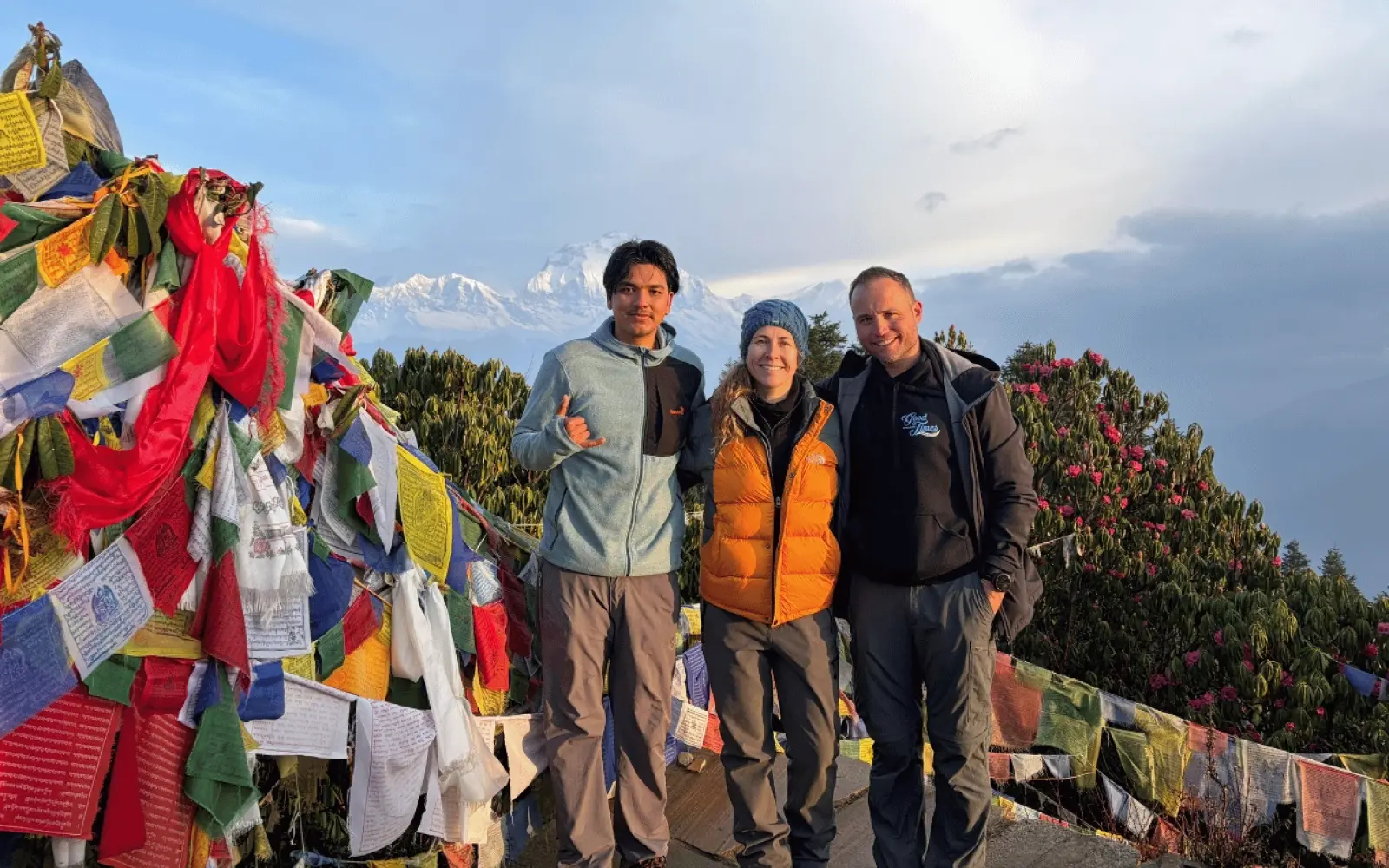
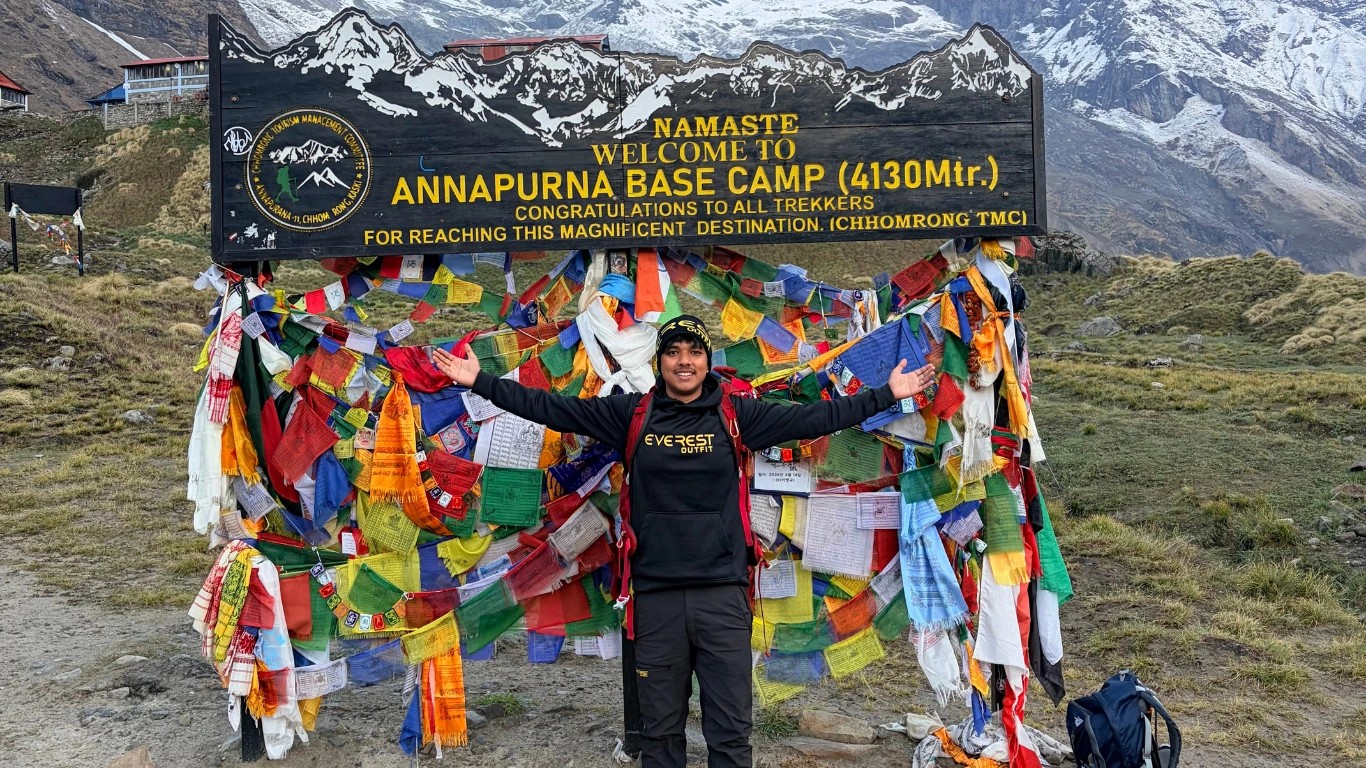
Bibek Dhamala, a registered trekking guide in Nepal, loved by trekkers for his local knowledge, friendly nature, and dedication to creating memorable Himalayan adventures.
The Journey of Bibek Dhamala: From Porter to Founder and the Best Trekking Guide in Nepal
The story of Bibek Dhamala isn’t built on office theories or marketing buzzwords; it is etched into the stone steps of the Himalayas. While the prevailing trend of his generation was to buy a one-way ticket abroad after high school, Bibek made a definitive, counter-cultural choice: he chose to stay and build his future in the very peaks he called home.
Bibek Dhamala stands out as one of Nepal’s premier mountain leaders because his expertise was earned step-by-step from the trail up, not behind a desk. Over a relentless decade, he progressed from porter to assistant guide, passed rigorous NATHM and Nepal Tourism Board (NTB) examinations to earn his government license, and rose to senior guide, mastering high-altitude safety, AMS management, wilderness first aid, and regional logistics.
In 2026, he founded Majestic Trails Nepal with full legal registration, bringing the rare insight of someone who has carried the loads, navigated the crises, and led the journeys himself, backed by uncompromising legal credentials, ethical crew welfare, and unmatched local knowledge.
Key qualities of a great guide
1. Legal qualifications and basic requirements for trekking guides in Nepal
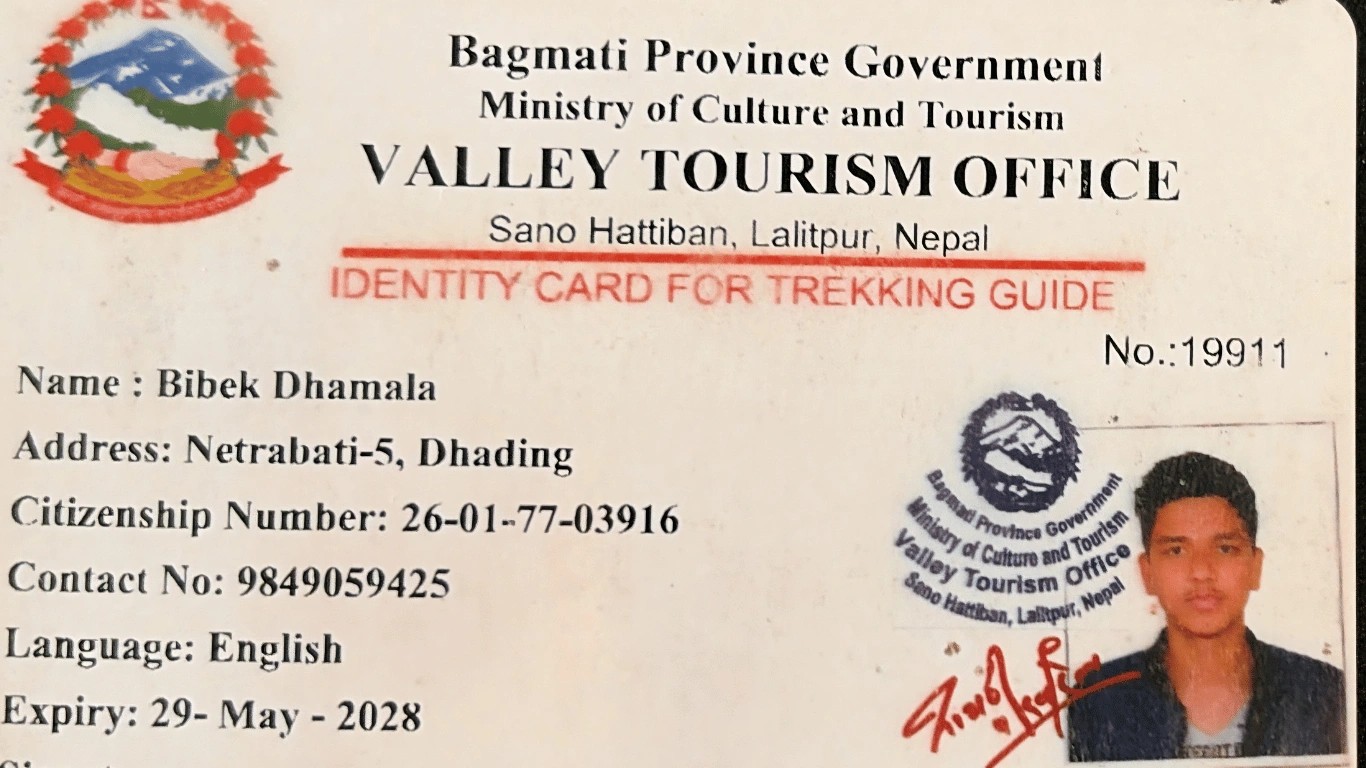
Bibek Dhamala’s official trekking guide licence, reflecting his professional registration as a licensed trekking guide in Nepal.
Before working professionally, a guide must meet the applicable government requirements for the type of guiding they will be doing. Since licensing and training requirements are subject to change, travelers and guides should verify current requirements with the relevant Nepali authorities rather than relying on historical standards.
A trekking guide in Nepal must hold an official license from the Nepal Tourism Board (NTB) or recognized bodies like NATHM, backed by basic education, training, and field experience.
Government license
Must have an official and valid trekking-guide license as per the current regulations of Nepal. Relevant government agencies include the Department of Tourism and the tourism authorities responsible for guide licensing and regulation. Must work within the scope of the license and comply with current trekking, permit, conservation and tourism regulations. A professional guide must also understand the administrative requirements related to trekking, including [Nepal Trekking Permit], conservation area requirements and applicable registration systems.
Nepal’s trekking regulatory environment is becoming increasingly formal, with licensed guiding, permit administration and emergency information becoming important parts of the trekking system. The official regulations also describe the transition from paper TIMS to digital E-TIMS and the use of QR-linked information containing passport, insurance and guide-registration details.
Majestic Trails Nepal operates as a fully licensed trekking agency registered under the Department of Tourism (DoT) and the Ministry of Culture, Tourism, and Civil Aviation. Bibek Dhamala’s professional trekking guide standing can be instantly validated via his active government-issued guide license status, cross-referenced through the Nepal Tourism Board (NTB) registry and the digital E-TIMS system.
Formal institutional training
Complete a recognized professional trekking-guide training. Relevant training institutions include Nepal Institute of Tourism and Hotel Management (NATHM) and Nepal Mountain Academy (NMA). Maintain professional qualifications and safety certifications up to date through refresher training.
The NATHM Trekking Guide Course is a 5-week, 35-day professional training program that covers topics such as tourism history, mountain geography, mountain safety, high altitude illness (altitude sickness), first aid, flora and fauna, intercultural communication, and map reading. It also includes written and practical exams.
As an elite Himalayan trekking specialist, Bibek Dhamala completed NATHM's rigorous 35-day professional course, mastering high-altitude safety, wilderness first aid, and map reading
Academic basis
Meet the applicable educational requirements for the relevant guide-training/licensing process. While a 10th grade education (SEE/SLC) or equivalent is considered basic for some official training/licensing, higher education or diploma in tourism, hospitality, management or a related field may provide additional professional knowledge.
Higher academic education is becoming increasingly relevant for professional mountain tourism. The Bachelor of Mountaineering Studies (BMS), run by the Nepal Mountain Academy under Tribhuvan University, is a four-year, eight-semester program that combines mountain studies, tourism, environmental management, and practical mountain training.
High mountain qualifications
Trekking guides working on ordinary trekking routes should not be confused with technical mountain guides. Guides working on technical climbing or high mountain work should have appropriate specialist mountaineering qualifications and training. Trekking guides should recognise the limits of their competence and should delegate their duties to suitably certified technical mountaineering professionals when embarking on technical mountaineering trips.
Special mountaineering-guide qualifications required (e.g., IFMGA)
Skills
Height safety, wilderness first aid, navigation
Technical rope, glacier rescue, rock, snow and ice climbing skills
Environment
Examples include [Everest Base Camp Trek] and [Annapurna Circuit Trek]
Technical climbing and mountaineering fall into different categories.
2. Extensive mountain and practical experience
Formal certification is just the foundation. Extraordinary decision-making skills come only after years spent in the mountains.
Porter and assistant-guide experience
Gain practical experience as a porter, assistant guide or junior guide before taking full responsibility for a group. Around 2-3 years of field experience is considered a useful learning curve. Starting out as a porter or assistant guide gives aspiring guides first-hand experience of the physical demands of trekking and the realities faced by support staff.
Knowledge of the path
A professional guide should know the routes personally, rather than relying solely on a guidebook or GPS. Know the following:
Main trekking routes, including the ability to solve specific regional challenges such as securing rooms during peak season in busy areas such as Annapurna Base Camp
Alternative routes, using old trekking trails that offer great views and are safe, rather than walking on newly constructed roads
Villages, teahouses, water sources, rest areas, huts, hazards, and health facilities.
Seasonal Experience
Experience the mountains in different weather and climate conditions. Understand how rain, snowfall, monsoon damage, winter conditions, landslides and changing road conditions affect the route. Current field knowledge is becoming increasingly important due to climate variability.
Group operation experience
Learn how people of different ages, fitness levels, nationalities, and personalities behave on multi-day treks. Experience working with:
Ensuring special care and safety for solo female trekkers in areas such as the Annapurna Circuit, Lantang Valley and Everest region.
Couples and mixed groups of different nationalities.
Families, including mixed-age family groups ranging from 13 to 70 years old, successfully move at the right pace in high-altitude areas like Thorong La Pass.
Why Choose Bibek and Majestic trails Nepal for trekking in Nepal? Is he an experienced guide?
Bibek Dhamala earned his elite-tier status by working his way up from a porter on the Langtang Valley Trek to an assistant and senior guide. Over a decade on the trail, he mastered micro-climates, hazard mitigation, and alternative scenic routes while bypassng commercial roads. This extensive seasonal experience allowed him to safely lead diverse groups including solo female travelers, couples, and mixed-age families through grueling high-altitude challenges like the Thorong La Pass.
3. Technical competence and mountain safety
A guide's first responsibility in the field is to manage risk wisely.
Altitude and environment adaptation (Acclimatization)
A thorough understanding of the physical effects of altitude, acclimatization, acute mountain sickness (AMS), high altitude pulmonary edema (HAPE), and high altitude cerebral edema (HACE) is required. Guides should actively encourage clients to drink water and take necessary breaks along the way, even if they do not feel tired.
A professional guide should use recognized medical protocols and appropriate clinical judgment, rather than relying on a single pulse-oximeter reading or symptom as a diagnosis. While it is standard practice to check oxygen levels with an oximeter, a great guide does not blindly trust the device alone; they will physically assess the guest’s face and overall condition to make informed decisions about their safety and [information about exposure].
Wilderness First Aid
Must have appropriate wilderness first aid training. Must be able to handle injuries, dehydration, extreme fatigue, hypothermia, and other common mountain emergencies. Must carry a practical emergency medical kit.
Oxygen and emergency response
Understand the safe use of supplemental oxygen, where appropriate and within the scope of your training, and know emergency procedures for severe respiratory illness. Understand the limitations of helicopter rescue, as weather, visibility, altitude, and daylight can affect rescue operations.
Why to choose Bibek: Safety is Bibek's ultimate priority, with trekkers noting he has literally saved lives during difficult mountain scenarios. Crucially, he strictly prohibits himself from drinking any alcohol even after the guests have gone to sleep, ensuring he is 100% sober and alert to handle any sudden midnight health emergencies.
4. Navigation and weather literacy
A great guide must be able to identify direction without relying solely on technology.
Navigation
Must be proficient in topographic maps, compass navigation, GPS, digital mapping, trip planning, terrain interpretation, landmark recognition, and basic navigation in low visibility. Must not rely solely on smartphone or GPS. Must be able to make sound navigation decisions in the event of electronic equipment failure.
Weather knowledge
Understand the patterns of mountain weather. Monitor reliable weather forecasts before and during the trek. Mountain weather can change quickly, and it is the guide's responsibility to interpret the forecast along with actual field conditions.
Dynamic Decision-Making
The guide must be able to safely respond to situations such as snowfall, heavy rain, landslides, washed-out roads, ice jams, flooded rivers, and unexpected road closures. The schedule is only a plan. Mountain conditions will determine whether that plan is appropriate.
During a low-visibility crisis, Majestic Trails guide (Bibek) ignores dead electronics and safely guides his team using topographic maps, physical compasses, and landmark recognition. He reads shifting winds and cloud formations directly from the terrain to anticipate fast-moving micro-climate dangers. When hit by sudden snowfall, heavy rain, or landslides, he immediately prioritizes client safety over the itinerary, dynamically pivoting the group to old, road-free trails and secure teahouses.
5. Technical outdoor and mountaineering skills
For trekking routes, guides need strong mountain-safety skills. Depending on the route, useful skills include walking in difficult terrain, river crossing safety, snow travel, basic rope techniques, and basic rescue techniques.
A guide should never present a simple trekking experience as technical mountaineering skills. When clients transition from trekking to technical climbing, the guide should have the appropriate qualifications and experience for that activity.
Trekkers praise Bibek’s immense physical strength and relentless positivity. He steps up to carry heavy 10kg bags with a constant smile when clients struggle, and actively protects them by positioning them safely away from congested yak and donkey traffic on narrow trails.
6. Communication and language skills
The guide is simultaneously a leader, teacher, communicator, problem solver, and customer representative.
English and more languages
Must be able to speak clear English, sufficient to understand safety procedures, schedules, risks, cultural information, and emergency situations. Multilingual ability can significantly enhance the ability to serve international visitors.
Clear safety communication
A great and top trekking guide should be able to explain the risks of altitude, daily plans, weather changes, route difficulty, and emergency procedures. Clients can make informed safety decisions. Why? You need to understand what is being taken, not just be told what to do.
Teacher and lecturer
Guides can teach clients about altitude, mountain ecology, local customs, food, religion, history, wildlife, and conservation, turning trekking into a learning experience.
Bibek is exceptionally friendly and professional trekking guide in Nepal, speaking highly excellent English (not just basic or simple English), as well as fluent Hindi. His advanced communication skills allow him to confidently lead specialized excursions, including Tibet tours, while eloquently explaining local history and culture.
7. Emotional intelligence, leadership and interpersonal skills
Technical skills keep people safe; leadership and emotional intelligence help them get through the tough days.
Emotional Intelligence
A great guide can recognize hidden fatigue, discomfort, fear, homesickness, stress, lack of confidence, physical discomfort, and group tension. Not every client will openly say, “I’m having a hard time.” By maintaining situational awareness and emotional intelligence, guides can identify problems early, support clients in difficult situations, and create a more positive trekking experience.
Motivation and patience
Encourage clients through difficult sections without creating unrealistic expectations or pressuring anyone to take unsafe risks. Be patient with slow walkers and remain calm when people are tired or frustrated.
Group and quiet leadership
In an emergency, the guide must remain calm, gather accurate information, communicate clearly, and make decisions based on safety and evidence. Strong leadership means understanding the competing needs within the group and making decisions that protect the group without offending individual members.
Trekkers consistently highlight how Bibek resolves all issues with his heart and profound people skills. He knows precisely when to let the client set the pace, never rushing them, and naturally forms a deep bond that makes him feel like a true friend rather than just hired help.
8. Cultural knowledge and cultural ambassadorship
A great trekking guide doesn't only take people around Nepal; they help visitors understand Nepal.
Local community and history
Develop authentic knowledge of the communities encountered along the various trekking routes. Understand and respectfully explain Nepali history, Buddhism, Hinduism, and local religious practices. During breaks at the teahouse, guides enhance the cultural experience by sharing historical background and unique stories of the specific area they are visiting, and entertain guests by organizing card or marathon games to create a warm atmosphere.
Respectful explanation
Avoid stereotyping communities. Avoid presenting myths as historical facts. Guides should act as bridges between international visitors and local communities, encouraging respectful interactions.
As the finest trekking leader in Nepal, Bibek seamlessly bridges the gap between tourist and local. He has been known to invite guests into his own home and spends evenings entertaining groups as a master of chess, Monopoly Deal, and card games, ensuring a joyful and culturally immersive atmosphere after long days of hiking
9. Travel management and managerial skills
Great guiding involves more than just walking ahead of the group. A professional guide must coordinate daily schedules, accommodations, meals, permits, transportation, and emergency management.
Contingency Planning
Always think outside the box. A great guide doesn’t rigidly enforce the company’s arbitrary schedule; instead, they adapt the daily schedule, smoothly adjusting the pace and distance to the client’s physical condition and walking preferences. Be prepared with backup plans in case of bad weather, illness, road closures, or emergency rescues.
Permits and administrative responsibilities
A knowledgeable guide should understand the documentation required for a specific route, including applicable trekking permits, conservation area permits, TIMS or E-TIMS requirements, and restricted-area permits.
Bibek’s industry connections are unparalleled. He easily secures highly coveted private rooms in the Annapurna Base Camp region during peak season when others struggle. He expertly manages all logistics from airport flower garland pickups to dynamically adapting the route when clients feel capable of tackling extra challenges like Thorong la Pass of Annapurna Circuit Trek.
10. Environmental responsibility and 'Leave No Trace'
The best guides protect the mountains they depend on. Research on [sustainable tourism] recognizes their role in environmental education.
Leave No Trace (LNT)
To follow and teach principles such as proper waste management, reducing unnecessary waste, reducing plastic consumption, respecting wildlife, and preventing contamination of water sources.
Environmental education and trail protection
Guides should educate clients about the mountain ecosystem and the challenges of waste management, encourage reusable water bottles and recycling. A responsible guide should discourage straying from established trails, littering, or damaging vegetation. Environmental responsibility is not merely something the guide tells tourists. The guide should lead by example.
Showing deep respect for the Himalayas, top guides like Bibek deliberately guides his groups along older, traditional trails rather than dusty, newly constructed motor roads. This preserves the tranquil experience for his clients while actively promoting low-impact, sustainable trekking across the Annapurna Circuit
11. Ethical behavior towards porters and support staff
A guide's professionalism can also be measured by how they treat the people they work with. A great guide should act as a practical advocate for [the porter's well-being].
Proper porter behavior and load management
Treat porters with respect and dignity. Ensure they receive fair wages, adequate food and shelter. Ensure that the loads carried are within legal, company and ethical limits.
Proper content and management
Porters working at high altitudes need warm clothing, down jackets, and thick boots. To reduce the burden on support staff and ensure that customers have the necessary supplies readily available, the best guides remind customers during the morning briefing to keep items such as rain covers in their own small bags rather than in the porter’s bag. This saves porters from having to keep opening their bags when it rains.
Women's Guide and Inclusion
The trekking sector has historically been male-dominated, but female trekking guides are increasingly becoming a professional workforce in Nepal, providing a guide option specifically sought by some solo female travelers and all-female groups.
Because Bibek himself started as a porter, his relationship with his support crew is incredibly strong. Bibek and his porters work together as a deeply unified team, often surprising trekkers with fresh fruit and plated desserts at the end of the day without ever being asked.
12. Professional ethics and honesty
You can trust a great guide even when no one is looking.
Safety and honesty ahead of schedule
Never prioritize crossing a designated pass or reaching a specific destination over legitimate [trekking safety] concerns. Be transparent about weather, trail conditions, altitude, physical difficulty, and potential risks.
Professional responsibilities
Comply with applicable rules and laws. Maintain professional dignity. Guides must be completely sober while on duty; an ethical guide will completely avoid consuming alcohol with guests especially above 3,500 meters so that they are fully alert and able to handle any emergency that may arise during the night.
Insurance Awareness
The guide should understand what the client's [travel insurance] covers and know the practical process for requesting assistance.
13. Customer care and hospitality
Trekking guides are also a part of Nepal's hospitality industry.
Guest-guide relationship
Warmly welcoming customers, starting with initial airport pickup and thorough baggage screening before setting off on the road. Taking care of their health and well-being without interfering in their personal affairs.
Food and altitude
A knowledgeable guide should help customers understand appropriate eating habits. Guides can enhance the dining experience by suggesting regional dishes like thukpa in Dharapani or authentic dal bhaat in local villages. Moreover, they ensure complete relaxation by taking dinner orders as soon as they reach the teahouse, so that tired customers can rest immediately instead of waiting.
Daily Briefings
Strong daily information reduces confusion. An active morning routine should include checking that clients are wearing sunscreen, have their shoes properly fastened, have rain gear on, and have a clear understanding of the day’s distance, visibility, and walking pace.
Bibek delivers what clients describe as "red carpet service." Whether he is organizing a surprise birthday cake at the top of Poon Hill or making sure his trekkers’ meals and drinks are served quickly while other groups wait, his attention to customer comfort is flawless
14. Continuous learning and professional development
Mountain guiding should never be considered a profession that can be learned after obtaining a license.
Refresher training and mentorship
A professional guide should periodically update practical skills (first aid, rescue procedures, communication) rather than relying solely on old certifications. Experienced guides can strengthen the profession by teaching new guides and sharing safety knowledge.
Learning from experience and changing mountains
After each trek, evaluate what went well and what could have been explained better. Guides need to stay informed about route changes, new permit requirements, weather patterns, and changing client expectations.
Rising from a porter to a highly celebrated senior guide and founder, Bibek never stops pushing his professional boundaries. He constantly refines his first-aid skills, language proficiencies, and route knowledge to provide an ever-evolving, top-tier service on the Annapurna Circuit.
15. The Mindset of an Extraordinary Guide
The most important qualities cannot be measured by a certificate. An exceptional guide demonstrates the following:
Politeness: Know that the mountain is always more powerful than the guide.
Responsibilities: Recognizes that the safety of other people depends partly on one's own decisions.
Patience: Understands that every customer is different.
adaptability: Plans change when circumstances change.
Bravery: Can make difficult security decisions.
Discipline: Consistently follows good procedures.
Sympathy: Understands what customers and support staff are experiencing.
Honesty: It works well, even if it's inconvenient.
Bibek genuinely possesses every single quality an extraordinary guide should have. Reviewers consistently call him a "legend," the "best guide you could wish for," and the definitive reason their Annapurna Circuit experience was the trip of a lifetime.
How to evaluate a Trekking guide in Nepal before booking
Before booking, hikers can ask:
Is the guide appropriately licensed for this trek?
What professional guide training have they completed?
How much experience do they have in this particular path?
What wilderness first aid or medical training do they currently have?
How do they handle altitude sickness?
What are their emergency and rescue procedures?
How do they adjust their travel schedule when circumstances change?
What languages can they communicate in?
How do they manage porters and support staff?
What is their view on environmental responsibility?
Who handles the permits and administrative requirements?
What happens if the client gets sick or is unable to proceed?
Full formula
An exceptional trekking guide can be evaluated on five clear dimensions:
Required or Regulatory Qualifications: Government licenses, applicable training, route-specific permits.
Professional skills: First aid, navigation, weather interpretation, altitude knowledge, communication, management.
Moral responsibility: Cultural respect, environmental protection, porter welfare, professional ethics.
Qualities of an exceptional guide: Patience, empathy, humility, honesty, adaptability, and warm hospitality.
No single certificate can replace the full combination.
What makes a good trekking guide in Nepal?
An excellent trekking guide combines appropriate qualifications, extensive mountain experience, safety and medical expertise, navigation and weather knowledge, communication and leadership skills, cultural understanding, managerial ability, environmental responsibility, porter welfare, professional ethics, hospitality, and continuous learning.
The best guide is not just the person who takes every client to the highest peak. The real test is whether the guide can safely manage uncertainty, recognize changing circumstances, make responsible decisions, clearly explain those decisions, care for each member of the team, respect the local community and environment, and give clients an unforgettable experience of Nepal. The destination is important. The journey is even more important. And the safety and dignity of the people on that journey come first.
Experience the Himalayas with Bibek Dhamala, recognized as the best trekking leader and guide in Nepal. Book your next adventure with Majestic Trekking Trails Nepal, the top emerging local company of Nepal for safe, sustainable, and unforgettable journeys.
Frequently Asked Questions
What qualifications are required for a trekking guide in Nepal?
A professional trekking guide must hold an applicable government license and complete an accredited professional guide training course. Additional first aid, wilderness medicine, navigation, and route-specific training can further strengthen their skills.
How much experience should a trekking guide have?
There is no set number of years that makes someone a great guide. Practical experience as a porter, assistant guide, and guide can develop route knowledge, client-management skills, and mountain judgment. Experience should be evaluated alongside current qualifications and demonstrated competence.
What should a trekking guide in Nepal know about trekking?
The guide must understand acute mountain sickness (AMS), high altitude pulmonary edema (HAPE), high altitude cerebral edema (HACE), environmental acclimatization, appropriate ascent strategies, and situations that require descent or rescue.
Can a trekking guide do technical mountaineering?
Not everyone can. Trekking-guide qualifications and technical mountain-guide qualifications are different. Technical climbing, glacier travel and high mountain activities require appropriate specialized training, qualifications and experience.
What should a trekking guide do in bad weather?
The guide must assess the actual terrain conditions, along with reliable weather information, and adjust the itinerary as necessary. Depending on the situation, this may mean waiting, detouring, shortening the day's walk, postponing the climb, or descending.
What should I look for when choosing a trekking guide in Nepal?
Look for the guide's appropriate licensing, training, route experience, first aid knowledge, communication skills, safety decision-making ability, client-management experience, cultural knowledge, and attitude towards porter welfare and environmental responsibility.
Related Travel Blogs
Join our Newsletter
Sign up to stay updated with latest offers, recent events and more news.