
Annapurna Circuit Trek Nepal – Complete Guide, Itinerary, Cost & Best Time
23 Jan 2026
The Annapurna Circuit Trek is one of the world’s most legendary long-distance treks — a journey that circles the Annapurna massif through Nepal’s most...

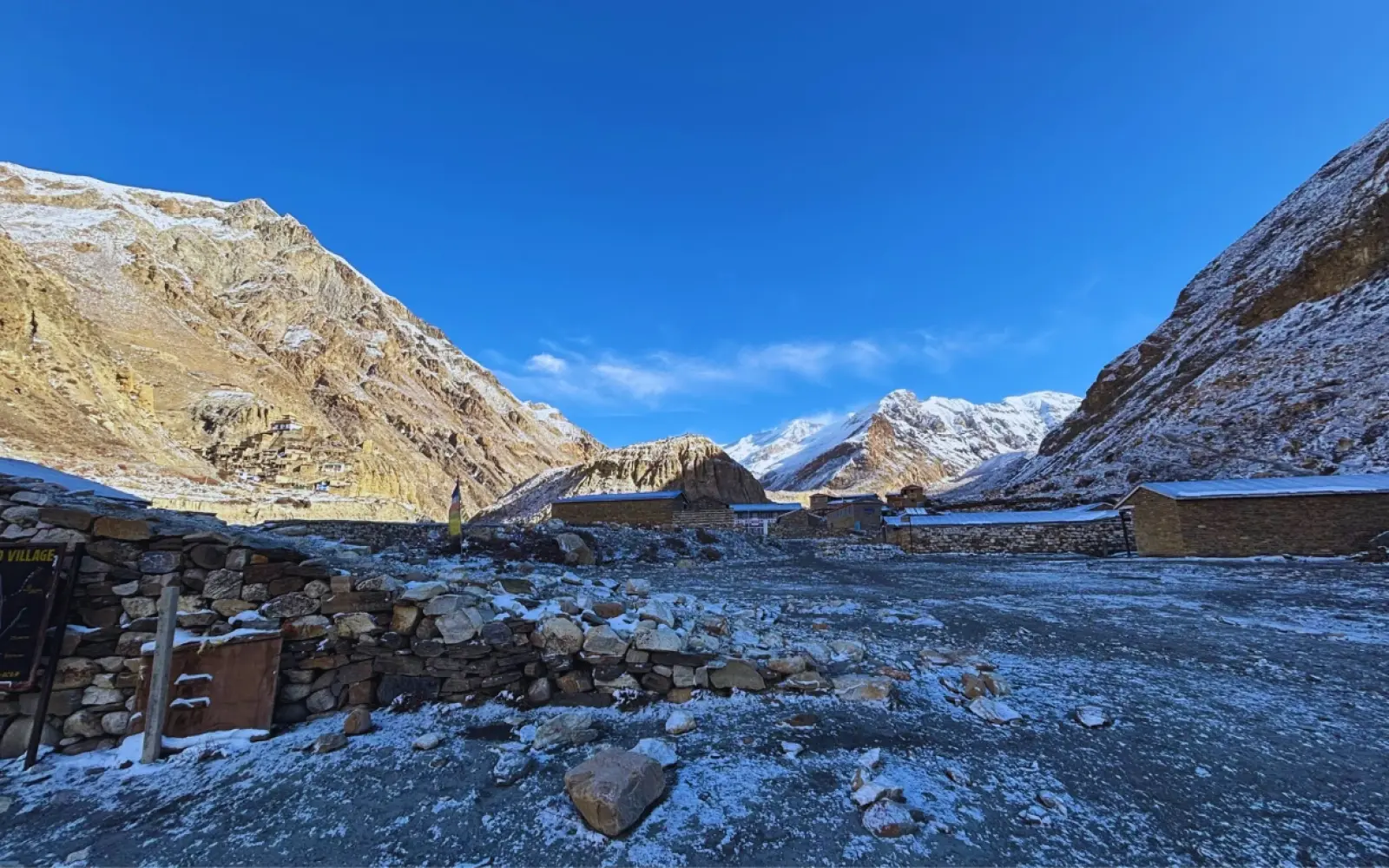

The best time for the Annapurna Nar Phu Valley Trek is during spring (March to May) and autumn (September to November). Both seasons offer stable weather, clear mountain views, and safer trail conditions for crossing Kang La Pass at roughly 5,320 m. If one month had to win, October takes it. Spring trekkers who want warmer days and fewer crowds should aim for April.
That's the short answer. But Nar Phu Valley is not your average Annapurna side trip. It's a restricted, high-altitude valley north of the main Annapurna Circuit, sitting close to the Tibetan border.
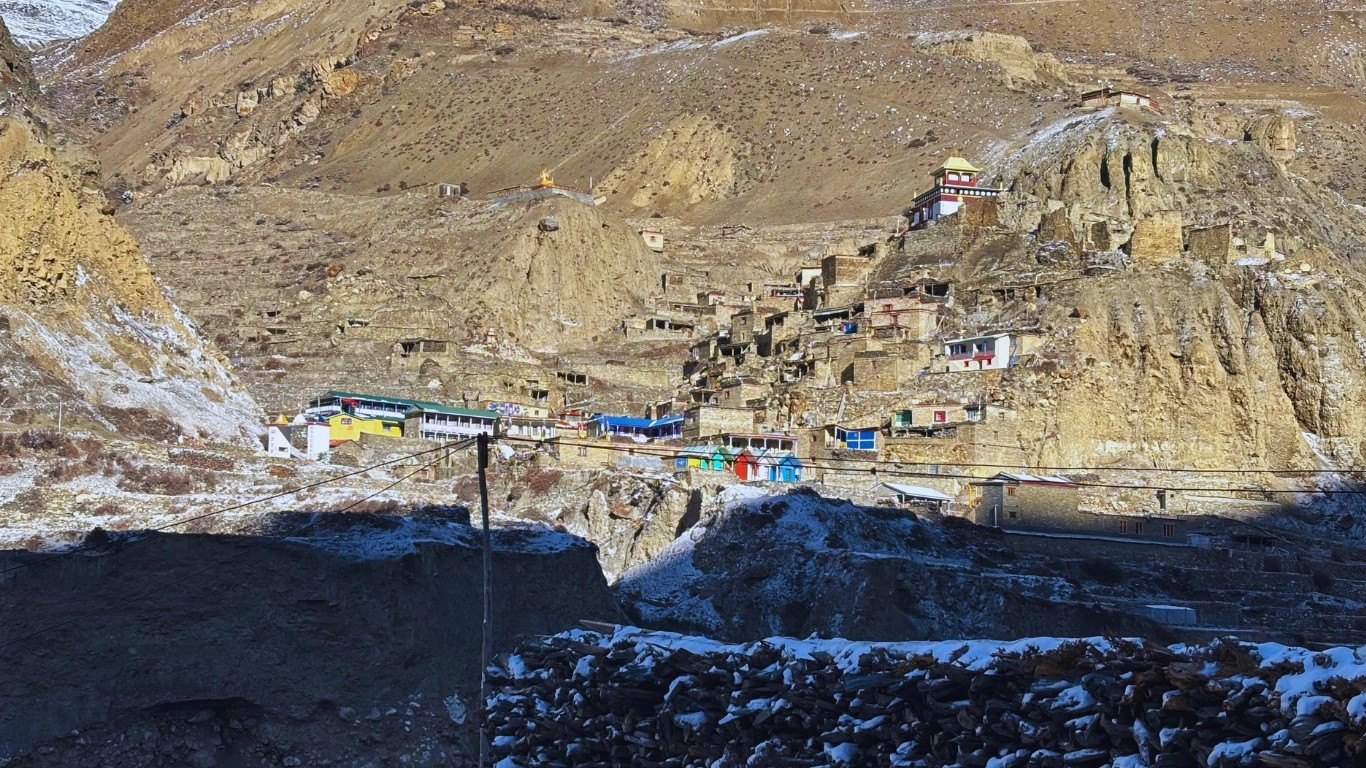
| Season | Months | Verdict |
|---|---|---|
| Spring | March to May | Excellent |
| Monsoon | June to August | Possible but risky |
| Autumn | September to November | Best overall |
| Winter | December to February | Not recommended |
Most trekking guides in Nepal simply say spring and autumn are best, but Nar Phu Valley is different. This route crosses a restricted Himalayan valley where weather, permits, and pass conditions directly affect whether you can complete the trek safely.
The route climbs from lower Annapurna villages to the exposed Kang La Pass (5,320 m). Heavy snow, strong winds, or monsoon conditions can quickly change the experience from manageable to dangerous.
Unlike commercial trekking routes like Everest Base Camp, Nar Phu has fewer teahouses, more isolated trails, and less emergency infrastructure. Season choice here genuinely matters.
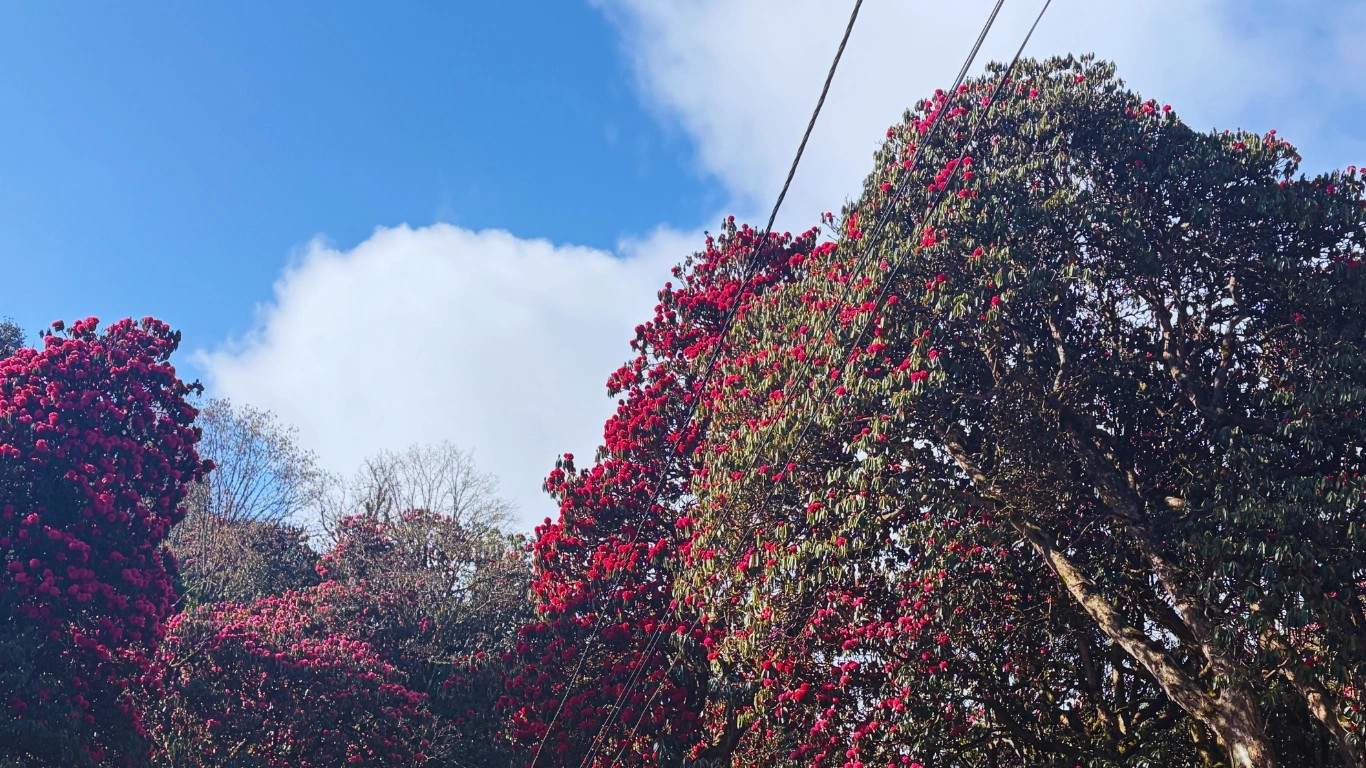
Spring is one of the two best windows for the Nar Phu Valley Trek. As winter fades, trails become more accessible and lower elevations burst into color with rhododendron blooms.
March remains cold, especially above 4,500 m. Snow may still cover sections near Kang La Pass, so trekkers should be properly equipped for winter-like conditions.
April is one of the best months overall. Days are warmer, skies remain relatively clear, and crowds are lighter than October. Villages feel lively and the trail conditions are generally stable.
May brings warmer temperatures and greener landscapes. Some haze may develop in lower valleys, but upper sections near Nar and Phu usually remain clear enough for excellent trekking conditions.
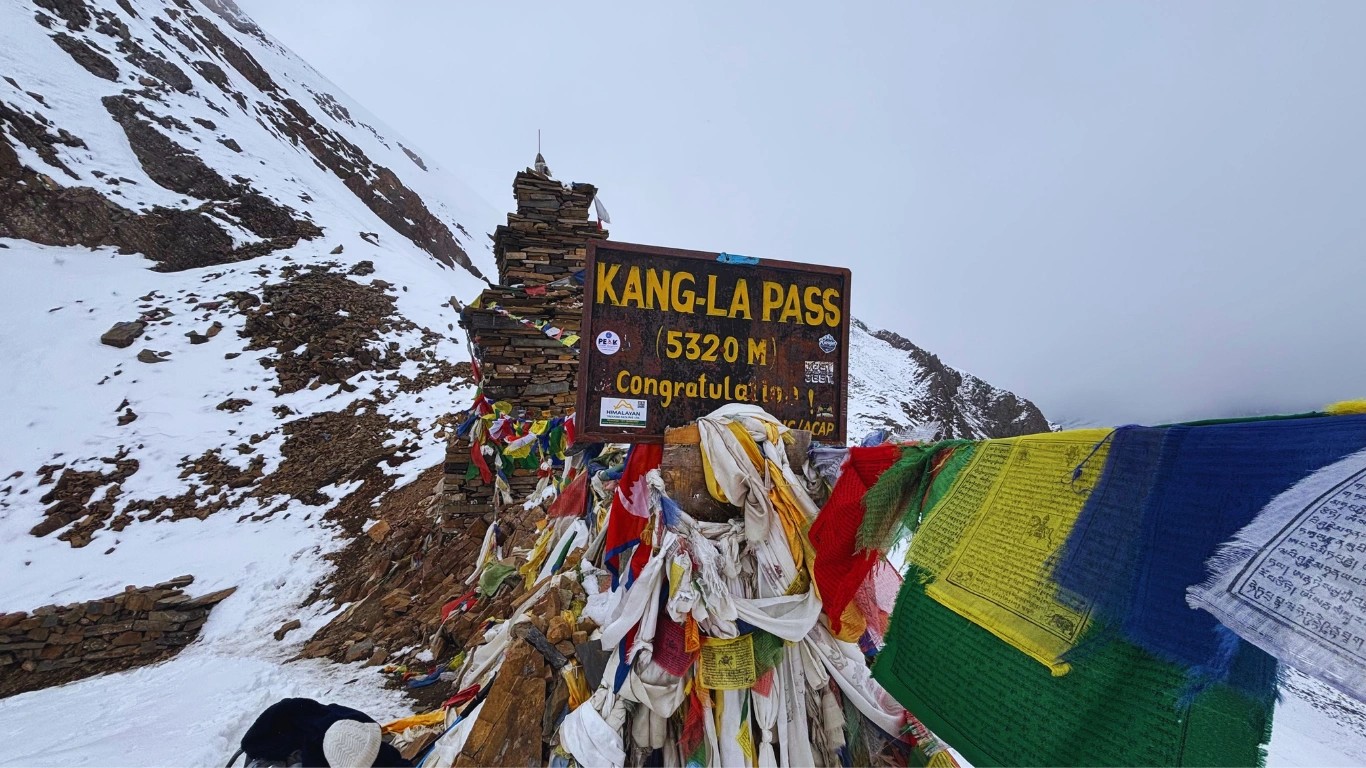
Autumn is considered the strongest season for the Nar Phu Valley Trek. After the monsoon clears, the air becomes sharp and visibility reaches its annual peak.
Late September is often excellent once monsoon moisture fully clears. Trails begin drying out and mountain views steadily improve.
October is the best overall month for the trek. Weather is stable, skies are crystal clear, and Kang La Pass is most reliably accessible during this period.
November provides incredible mountain photography conditions and quieter trails. However, nighttime temperatures at Nar and Phu villages become significantly colder.
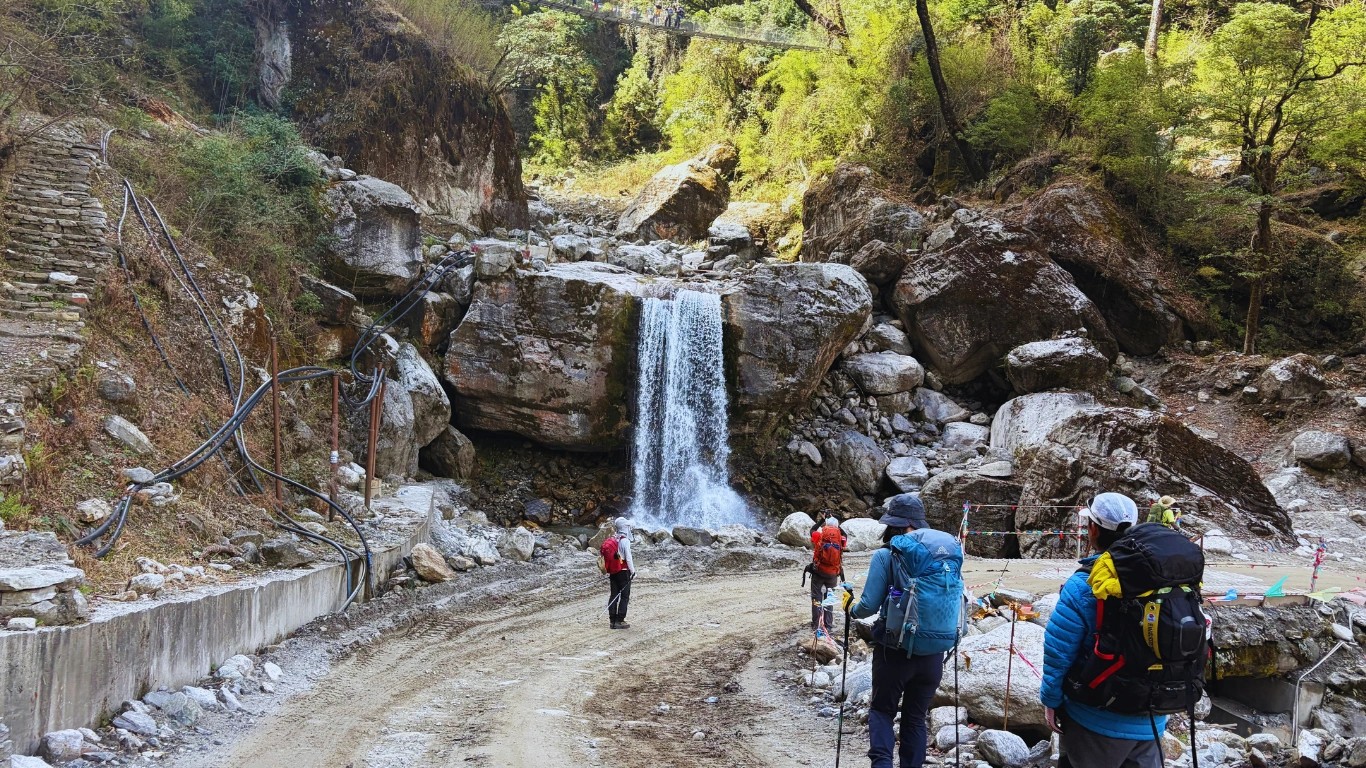
Monsoon trekking in Nar Phu Valley is possible because the upper valley lies within a Himalayan rain-shadow zone. Nar and Phu villages receive much less rainfall compared to other trekking areas in Nepal.
However, the lower approach sections between Besisahar and Koto remain vulnerable to landslides, muddy roads, and transport delays.
For experienced trekkers seeking solitude, monsoon can work. For most travelers, spring and autumn remain safer and more rewarding choices.
Winter trekking from December through February is not recommended for most trekkers.
Temperatures can drop below minus 20 degrees Celsius at higher elevations. Kang La Pass may close completely due to snow accumulation, and many guesthouses shut down for the season.
Winter conditions are suitable only for experienced trekkers with strong cold-weather gear and flexible itineraries.
| Month | Trail Conditions | Recommendation |
|---|---|---|
| January | Heavy snow and extreme cold | Avoid |
| February | Snow-covered passes | Experienced trekkers only |
| March | Improving conditions with possible snow | Good |
| April | Stable and scenic | Excellent |
| May | Warm with spring blooms | Excellent |
| June | Monsoon begins | Possible |
| July | Wet lower trails | Risky |
| August | Peak monsoon | Risky |
| September | Post-monsoon clearing | Good |
| October | Best conditions overall | Best |
| November | Clear but colder | Excellent |
| December | Snow and freezing temperatures | Not recommended |
Nar Phu Valley is a restricted trekking area in Nepal. Trekkers require:
Solo trekking is not allowed under Nepal's restricted-area regulations.
The best time for the Annapurna Nar Phu Valley Trek is during spring (March to May) and autumn (September to November).
For the strongest all-round experience, choose October. For a quieter trekking experience with warmer daytime conditions and blooming landscapes, choose April or May.
Because Nar Phu Valley is remote, restricted, and centered around a serious high-altitude pass crossing, choosing the right season significantly improves safety, trail quality, visibility, and your overall trekking experience.
The Nar Phu Valley trek is rated moderate to challenging. While it requires no technical climbing, its difficulty stems from extreme high altitudes (crossing the 5,320 m Kang La Pass), rugged, remote terrain, and basic teahouse infrastructure. A solid level of physical fitness and prior hiking experience are highly recommended
October is the single best month. It offers the clearest skies, driest trails, and most stable weather. April is a close second, with the added bonus of rhododendron blooms at lower elevations.
Technically, yes. The inner valley benefits from a rain shadow effect, so it receives less rain than surrounding areas. However, the approach trails from Besisahar to Koto are prone to landslides, mudslides, and flooding during monsoon. It's not recommended for most trekkers.
It's possible but extremely challenging. Kang La Pass (5,322m) is frequently blocked by snow from December through February. Temperatures can drop below −30°C at altitude. Only experienced winter trekkers with proper gear, a strong guide team, and a flexible itinerary should attempt it.
At Nar and Phu villages (~4,100–4,200m), nighttime temperatures in peak autumn season drop to around −10°C to −15°C. In winter, expect −20°C to −28°C. At Kang La Pass, windchill can push perceived temperatures below −30°C even in autumn.
Yes. Nar Phu Valley is a restricted area in Nepal. You need:
Most itineraries range from 10 to 14 days, depending on whether you combine it with the Annapurna Circuit. The Nar Phu Valley side trek itself typically adds 4–5 days to the circuit.

The Annapurna Circuit Trek is one of the world’s most legendary long-distance treks — a journey that circles the Annapurna massif through Nepal’s most...
The Nar Phu trek Nepal takes you into one of the Himalayas' last truly hidden valleys. Tucked away in the Annapurna region near the Tibetan border, th...
