
Best Time to Trek Annapurna Base Camp – Seasons, Weather, and Expert Tips
28 Dec 2025
The Annapurna Base Camp trek stands among the world's most iconic Himalayan adventures. Every year, thousands of trekkers from across the globe journe...

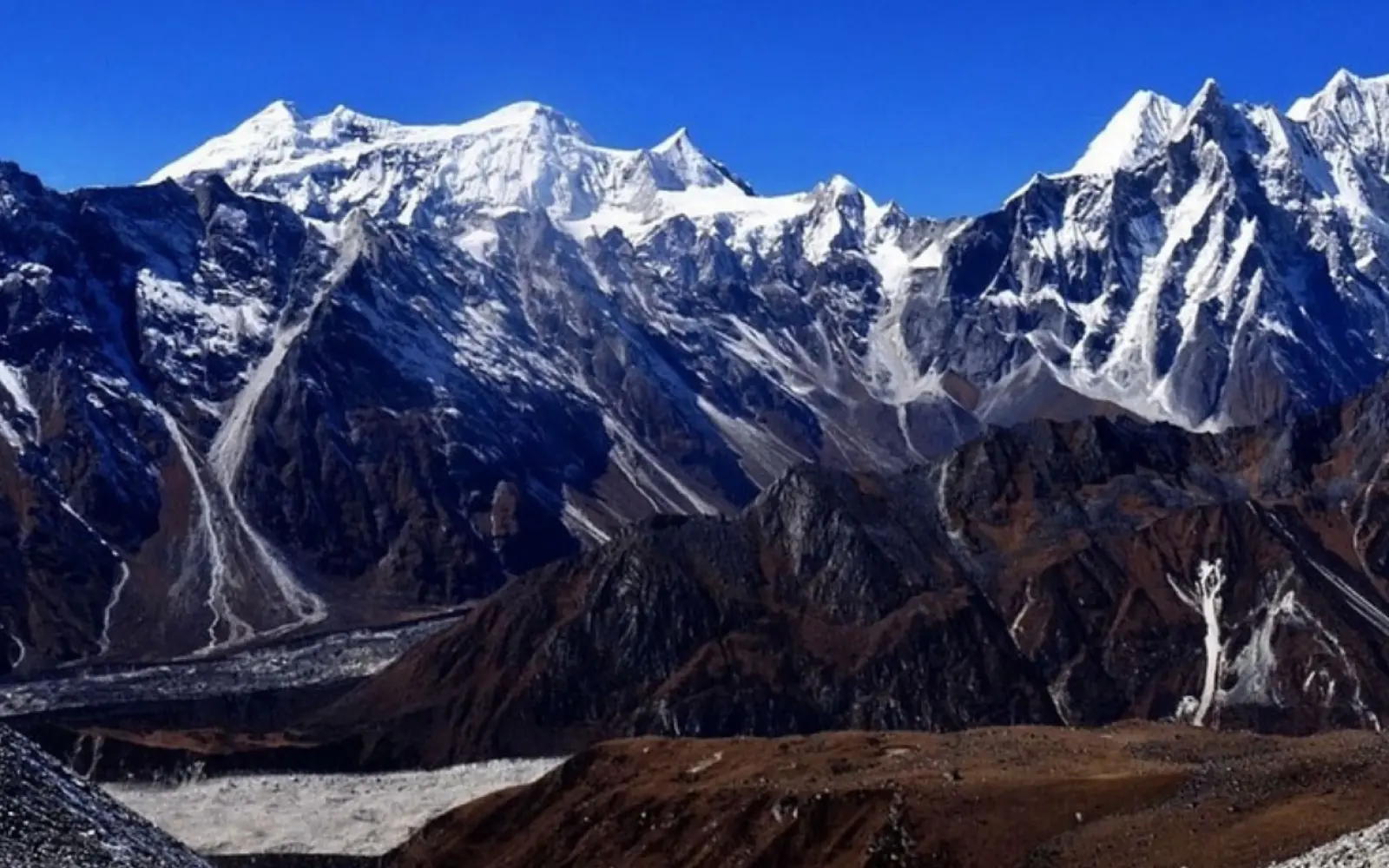

The Nar Phu trek Nepal takes you into one of the Himalayas' last truly hidden valleys. Tucked away in the Annapurna region near the Tibetan border, this restricted area offers ancient Buddhist villages, dramatic high-altitude landscapes, and the thrilling Kang La Pass crossing at 5,322m. Unlike crowded mainstream trails, Nar Phu delivers authentic cultural immersion and wilderness solitude that increasingly rare in modern Nepal.
What makes the Nar Phu Valley trek Nepal worth the extra permits and preparation? Several compelling reasons draw adventurous trekkers to this hidden corner of the Annapurna region.
While the nearby Annapurna Circuit sees thousands of visitors annually, Nar Phu remains genuinely off-the-beaten-path. The valley opened to foreigners only in 2002, and restricted area regulations continue limiting visitor numbers today.
You'll encounter more yaks than fellow trekkers on most days.
The villages of Phu and Nar preserve Tibetan Buddhist traditions largely unchanged for centuries. Stone houses topped with prayer flags line narrow alleyways. Ancient monasteries echo with monk chants. Residents maintain traditional dress, customs, and spiritual practices.
This isn't cultural tourism staged for visitors—it's authentic heritage preserved by geographic isolation.
The terrain transforms dramatically throughout the trek:
For a comprehensive exploration, check our complete Nar Phu Nepal trek guide covering all aspects of this remarkable journey.
Every day on the Nar Phu restricted area trek delivers memorable experiences. Here are the standout moments most trekkers remember:
The highest point of the trek offers jaw-dropping panoramas. On clear mornings, you'll see:
Prayer flags mark this sacred crossing connecting Nar Phu to the main Annapurna Circuit.
This ancient settlement clings to cliffsides like something from another century. The Tashi Lakhang Monastery here maintains spiritual traditions dating back generations. Flat-roofed stone houses cluster together against harsh mountain winds.
Fun fact: Phu residents traditionally survived through salt trading with Tibet—a practice that continued until recent decades.
Equally atmospheric, Nar displays remarkable Tibetan architecture and religious devotion. The village gompa welcomes respectful visitors, offering glimpses into Buddhist practices rarely witnessed by outsiders.
Beyond specific destinations, the daily trek through this Himalayan landscape creates lasting impressions—crossing rickety bridges, navigating narrow cliff paths, watching light play across impossibly vast mountain walls.
Timing significantly impacts your Nar Phu trekking Nepal experience. Weather, visibility, and trail conditions vary dramatically by season.
This peak trekking window offers:
October provides optimal conditions. Book permits and guides early—demand peaks during this period.
Spring brings:
April and early May work best. Late May may see building clouds and occasional afternoon showers.
Only experienced cold-weather trekkers should consider winter:
Avoid monsoon season entirely:
Honest assessment helps you prepare appropriately. The Kang La Pass trek demands respect.
This isn't a beginner-friendly trek. Key challenges include:
| Challenge | Details |
|---|---|
| Altitude | Maximum 5,322m at Kang La Pass |
| Daily Duration | 5–9 hours walking |
| Terrain | Rocky paths, steep sections, loose scree |
| Facilities | Basic teahouses, limited amenities |
| Remoteness | Far from emergency evacuation |
Ideal candidates possess:
Physical Training (Start 2–3 Months Before)
Gear Essentials
Acclimatization
The itinerary builds in acclimatization time, but listen to your body. Symptoms of altitude sickness include:
Report any symptoms to your guide immediately. Descending remains the most effective treatment.
For complete preparation guidance, explore our detailed Nar Phu itinerary with daily altitude profiles and walking hours.
The Nar Phu restricted area trek requires special documentation. Understanding permit requirements prevents last-minute complications.
1. Restricted Area Permit (RAP)
Individual travelers cannot obtain RAP permits independently. This regulation ensures proper oversight of this protected region.
2. Annapurna Conservation Area Permit (ACAP)
Allow 3–5 working days in Kathmandu for permit processing. Required documents:
Pro tip: Book your Nar Phu trekking package with permit handling included. This eliminates bureaucratic hassles and ensures proper documentation.
Officials verify permits at multiple locations:
Carry original permits throughout the trek. Photocopies are not accepted.
A well-planned Nar Phu itinerary Nepal balances proper acclimatization with efficient trekking days. Here's the standard 10-day structure:
| Day | Route | Altitude | Hours |
|---|---|---|---|
| 1 | Arrive Kathmandu | 1,400m | — |
| 2 | Drive to Dharapani | 1,860m | 7–9 hrs |
| 3 | Trek to Koto | 2,610m | 5–6 hrs |
| 4 | Trek to Meta | 3,560m | 7–8 hrs |
| 5 | Trek to Phu Village | 4,080m | 6–7 hrs |
| 6 | Trek to Nar Phedi | 3,490m | 6–7 hrs |
| 7 | Trek to Nar Village | 4,110m | 3–4 hrs |
| 8 | Cross Kang La Pass to Ngawal | 5,322m → 3,660m | 8–9 hrs |
| 9 | Drive to Kathmandu | 1,400m | 8–10 hrs |
| 10 | Final departure | — | — |
Day 4 marks your entry into the restricted area at Koto checkpoint. The landscape transforms immediately.
Day 5 brings your first taste of authentic Tibetan village life in Phu.
Day 7 is intentionally shorter—rest well before the demanding pass crossing.
Day 8 requires pre-dawn departure (around 4 AM) for safe Kang La Pass crossing.
For complete daily descriptions with cultural highlights and terrain details, see our Kang La Pass adventure full itinerary.
Understanding expenses helps budget accurately for your Nar Phu Valley adventure.
| Category | Cost (USD) |
|---|---|
| Restricted Area Permit | $100 |
| ACAP Permit | $23 |
| Guide (10 days) | $250–300 |
| Porter (10 days) | $200–250 |
| Accommodation | $150–200 |
| Meals | $250–350 |
| Transportation | $100–150 |
| Kathmandu hotels | $60–100 |
| Travel insurance | $50–100 |
| Miscellaneous | $100–150 |
Our Nar Phu restricted area trek packages include transparent pricing with no hidden fees.
No. This challenging trek requires prior high-altitude experience, strong fitness, and mental resilience. The Kang La Pass crossing at 5,322m demands proper acclimatization and endurance. We recommend completing treks like Everest Base Camp or Annapurna Circuit first.
No. Regulations mandate a minimum of two trekkers plus a licensed guide for all restricted area permits. Solo trekking is not permitted in Nar Phu Valley.
The standard Nar Phu itinerary Nepal spans 10 days including Kathmandu arrival and departure. Some trekkers extend by combining with the full Annapurna Circuit, creating itineraries of 15–18 days.
Basic teahouses and traditional lodges provide shelter throughout. Expect simple rooms with shared facilities. Hot showers are rare. Electricity is limited. Meals are basic but nutritious—dal bhat, noodles, and simple breakfast options.
Absolutely. The higher permit cost ensures limited visitor numbers, preserving the authentic experience. You're paying for genuine remoteness, cultural authenticity, and Himalayan wilderness that commercial tourism hasn't transformed.
The Nar Phu trek Nepal represents Himalayan adventure as it existed decades ago—before teahouse WiFi, before espresso machines at 4,000m, before Instagram influencers on every mountain pass.
This isn't an easy trek. It demands preparation, fitness, and genuine commitment to reaching remote places. But for those willing to invest the effort, Nar Phu rewards with experiences increasingly rare in our connected world.
Ancient villages where time moves slowly. Mountain passes that test your limits. Landscapes that humble and inspire. Cultural encounters that shift perspectives.
If you're seeking genuine adventure beyond tourist trails, Nar Phu delivers.
Ready to explore this hidden Himalayan valley?
View our complete Nar Phu trekking package with detailed itinerary, inclusions, and booking information.
Questions about permits, preparation, or customized itineraries? Contact Majestic Trails Nepal for expert guidance from local Himalayan specialists.
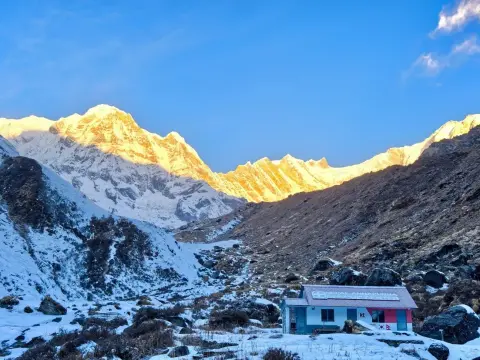
The Annapurna Base Camp trek stands among the world's most iconic Himalayan adventures. Every year, thousands of trekkers from across the globe journe...
Why 6000m Trekking Peaks Nepal Should Be Your Next AdventureStanding atop a 6000-meter summit in the Himalayas, with prayer flags snapping in the wind...
There's a moment that happens somewhere between your first mountain sunrise and your final meditation session. It's the moment you realize you've been...
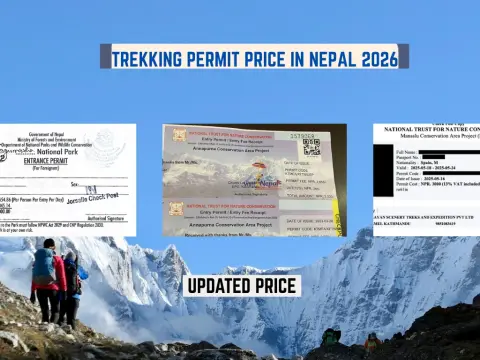
IntroductionPlanning a trek in Nepal requires more than just physical preparation—you also need the right permits. Trekking permits are official docum...
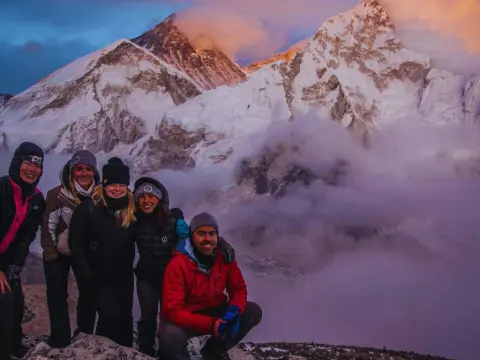
If you're curious about trekking in Nepal, you've landed in the right place. Nepal is home to the world's most breathtaking mountain trails, ancient c...

The ACT Nepal Trek stands as one of the most iconic high-altitude adventures on Earth, drawing thousands of trekkers annually to Nepal's magnificent A...
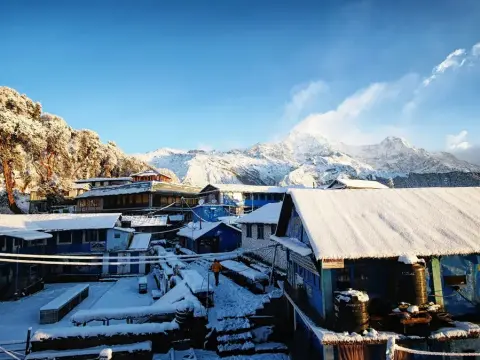
Winter in Nepal gets misunderstood a lot. Most travelers from Europe or North America picture deep snowdrifts, frozen trails, and dangerous conditions...
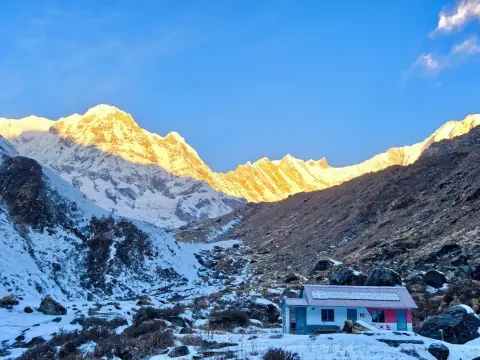
Nestled at 4,130 meters within a dramatic glacial amphitheater, the Annapurna Base Camp (ABC) trek stands among Nepal's most iconic Himalayan journeys...
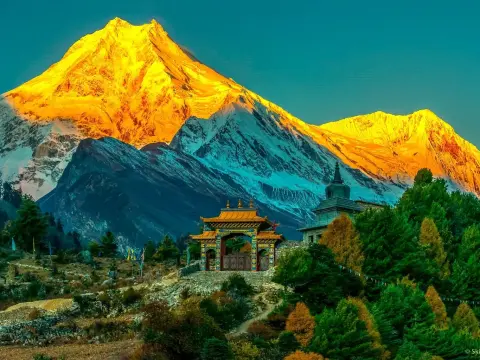
The Manaslu Circuit Trek stands as one of Nepal's most rewarding yet less-traveled high-altitude adventures. Circling Mount Manaslu (8,163m), the worl...
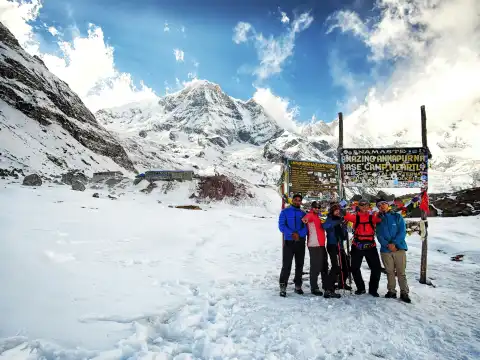
The Annapurna Base Camp trek stands as one of Nepal's most celebrated mountain journeys. Known simply as the ABC trek Nepal, this route draws thousand...
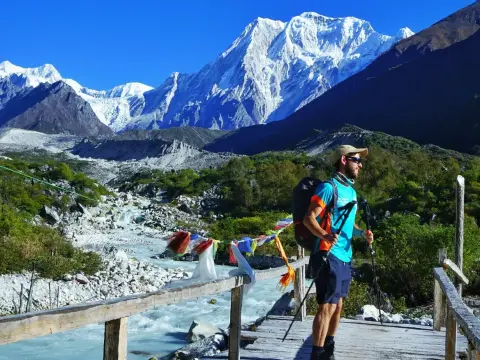
The MCT Trek Nepal—commonly known as the Manaslu Circuit Trek—stands as one of Nepal's most rewarding yet underrated trekking experiences. This remote...
