
Gyalpo Losar: Tibetan New Year and Spiritual Renewal
30 May 2025
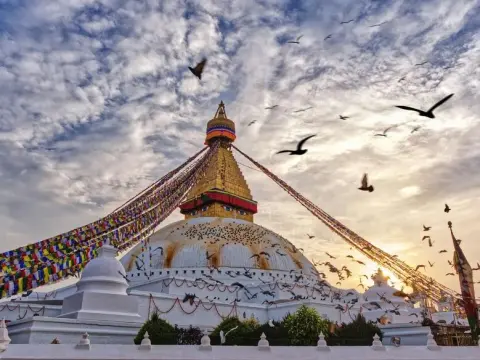
Gyalpo Losar, the Tibetan New Year, is a festival of immense cultural, religious, and social importance for the Tibetan people, including the Sherpa c...

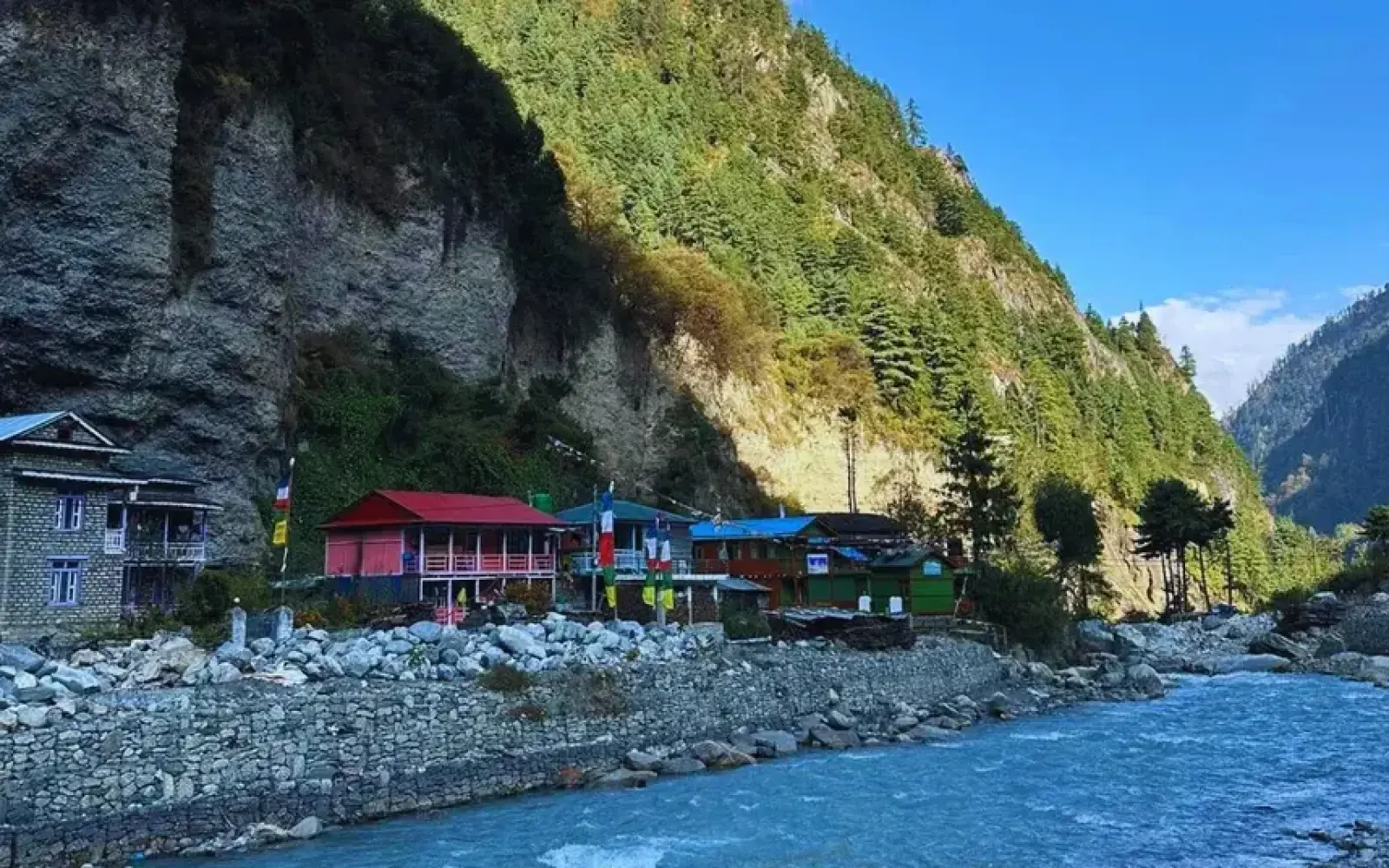

Let us guide you through the must-visit villages on the Annapurna Circuit Trek, where breathtaking Himalayan landscapes meet centuries-old traditions and unforgettable cultural experiences. At Majestic Trails Nepal, we believe that the true essence of this legendary trek lies not just in conquering mountain passes, but in discovering the remarkable communities tucked away in these majestic valleys.
We've spent years building relationships with families throughout this route. Our guides know which grandmother makes the best apple pie, which monastery welcomes visitors for morning prayers, and which hidden viewpoint catches the perfect sunrise. This insider knowledge transforms ordinary treks into extraordinary journeys.
In this comprehensive guide, we invite you to explore seven exceptional villages that will capture your heart. Each destination offers something unique—from ancient Buddhist monasteries to thriving apple orchards, from sacred pilgrimage sites to communities preserving traditions unchanged for generations.
Let's begin this journey together.
Before we explore each destination, let us share why these villages matter so deeply to the complete Annapurna experience.
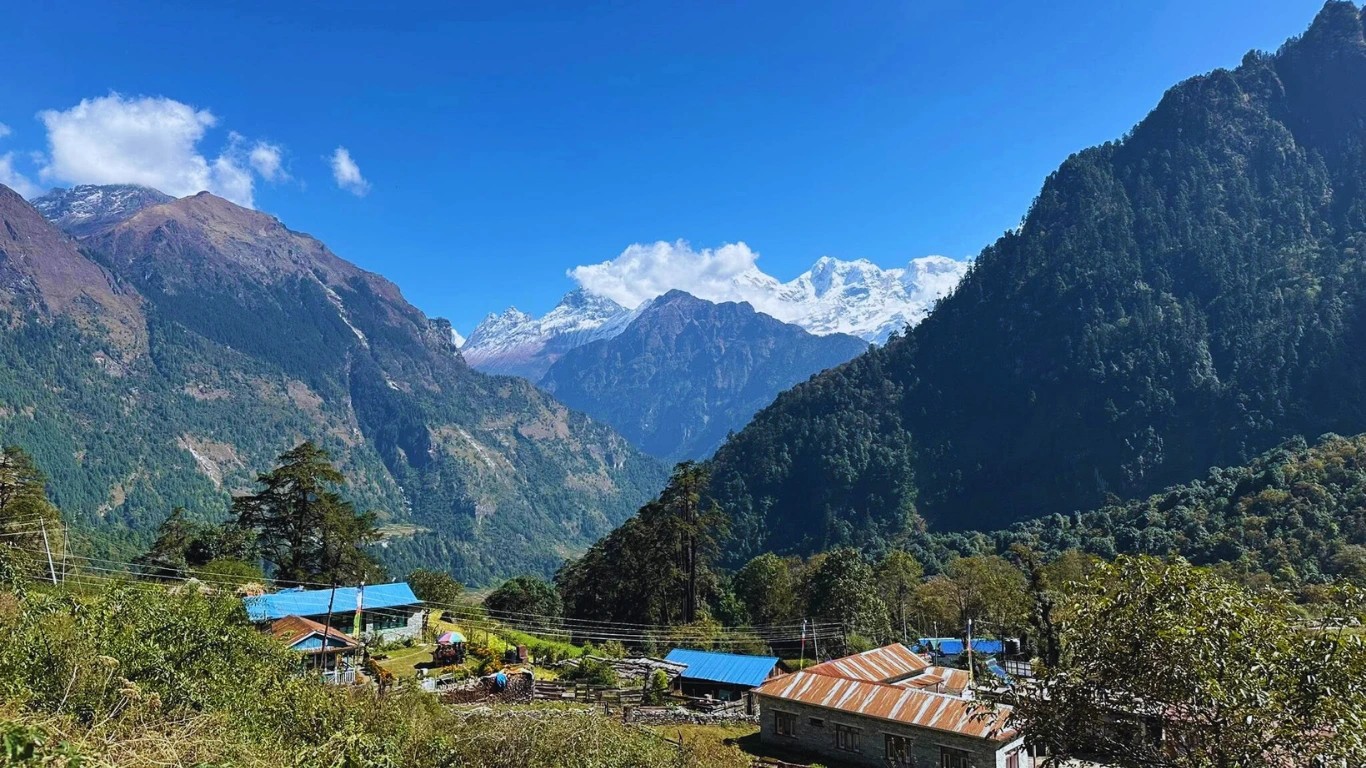
Elevation: 2,750 meters (9,022 feet)
Best Season: October-November, March-May
Region: Lower Manang District
The Gurung people of Timang maintain beautiful connections to their ancestral traditions. You'll notice terraced fields carved into seemingly impossible hillsides—evidence of generations of patient, dedicated farming in challenging conditions.
What we love most about Timang is the genuine warmth of its residents. These families have opened their homes to travelers, and their hospitality comes from the heart. Don't be surprised if your host invites you to sit by the kitchen fire and share stories over cups of sweet milk tea.
Elevation: 3,300 meters (10,827 feet)
Best Season: October-November for clearest skies
Region: Manang District
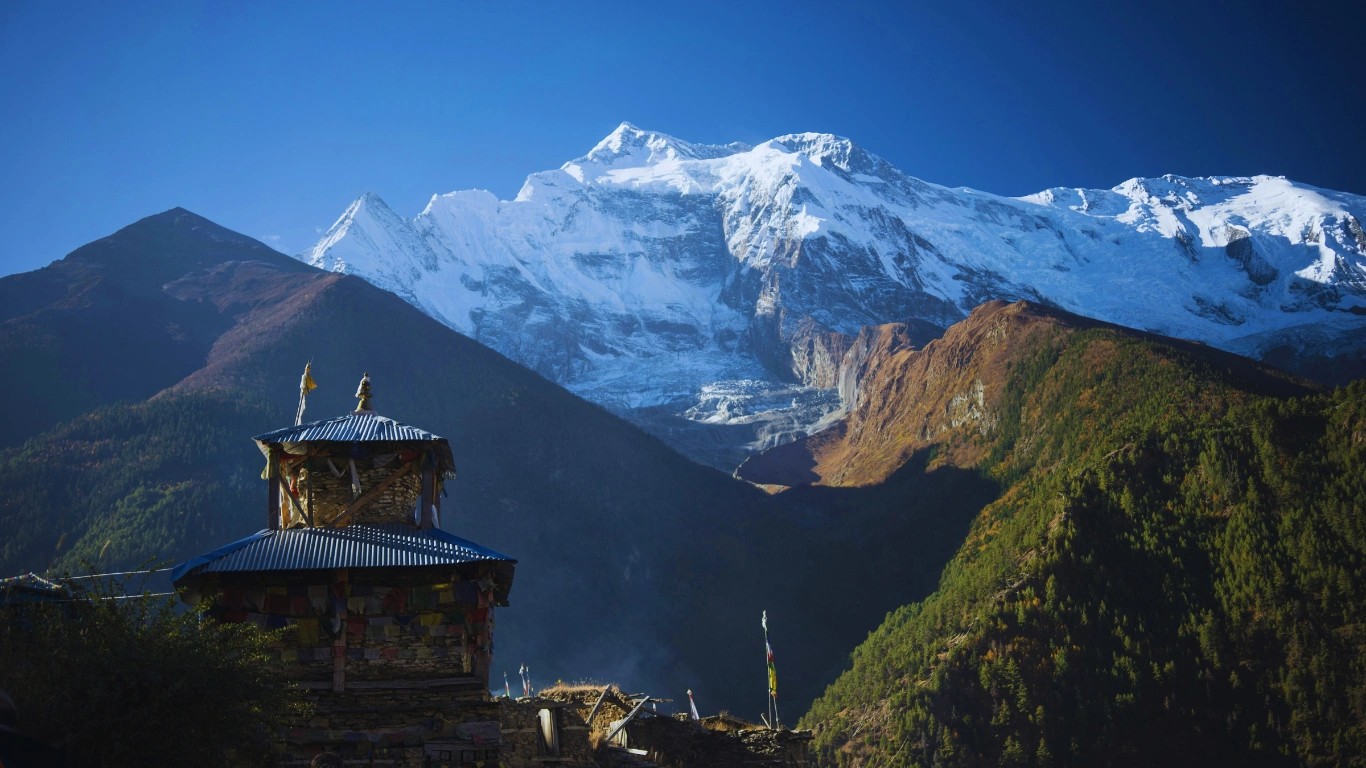
At Pisang, the trail splits into two routes. We'll be honest—most trekkers take the lower path because it's easier and faster. But here's what we tell every traveler: choose Upper Pisang. The 30 min of climbing delivers what many consider the circuit's single most spectacular panorama.
As you crest the final rise into the village, Annapurna II and Annapurna 4 fills your vision so completely it seems almost unreal. The massive north face rises directly before you, close enough that you feel you could almost touch it. We've seen experienced mountain travelers stop in their tracks, eyes wide, struggling to process the sheer scale of what they're witnessing.
The village itself cascades down a steep hillside in terraces of ancient stone buildings. Weathered prayer flags stretch between rooftops. Centuries-old chortens dot the landscape, their whitewashed surfaces bright against the earthy tones of traditional architecture.
Upper Pisang offers something increasingly rare—authentic spiritual atmosphere untouched by heavy tourism. The village gompa (monastery) remains an active religious center where monks perform daily ceremonies that have continued unbroken for centuries.
The Manangba people here have fascinating heritage. Historically, they enjoyed special trading privileges with Tibet, traveling across high passes to exchange goods between mountain kingdoms. This legacy shows in their architecture, clothing, religious practices, and the quiet confidence with which they carry themselves.
Elevation: 3,670 meters (12,040 feet)
Best Season: October-November
Region: Manang District (High Route)
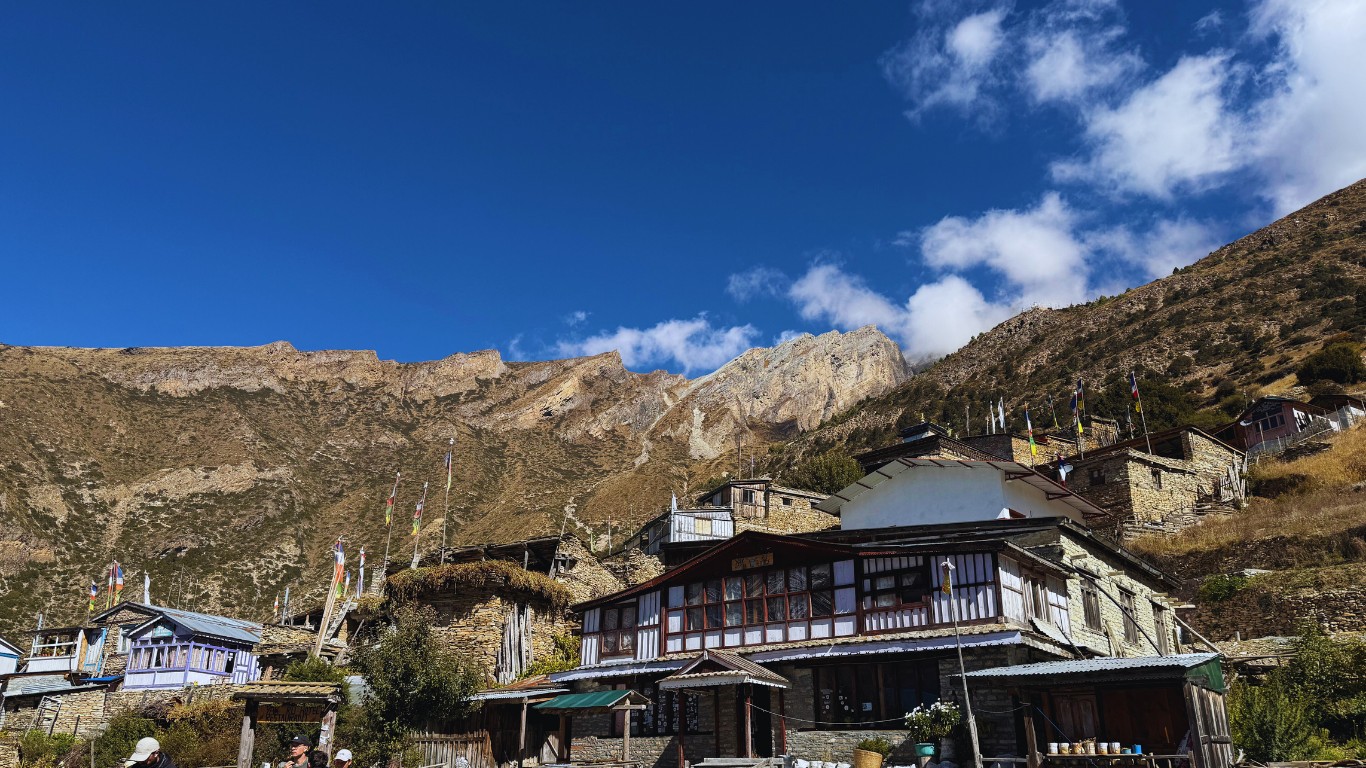
If we could share just one secret destination with you, Ghyaru might be our choice. This tiny settlement sees far fewer visitors than other circuit villages, preserving an authenticity that's become increasingly precious in our connected world.
Walking into Ghyaru feels like stepping through a portal to another era. Flat-roofed stone houses cluster tightly together, their thick walls built to withstand brutal Himalayan winters. Narrow alleyways wind between buildings, occasionally opening to reveal breathtaking mountain vistas that seem almost impossibly beautiful.
The prayer wheels lining the village entrance show genuine wear from daily use—not occasional tourist curiosity, but the devoted practice of residents who spin them each morning while walking to their fields.
Unlike some villages where tourism has significantly changed daily rhythms, Ghyaru maintains traditional patterns that have continued for generations. Farmers still tend small fields of barley and potatoes using time-tested methods. Yak herders move their animals between seasonal pastures along routes established centuries ago.
We love introducing travelers to Ghyaru because it offers genuine glimpses into mountain life rather than performances staged for visitors. When you share a cup of tea here, you're participating in real hospitality, not a commercial transaction.
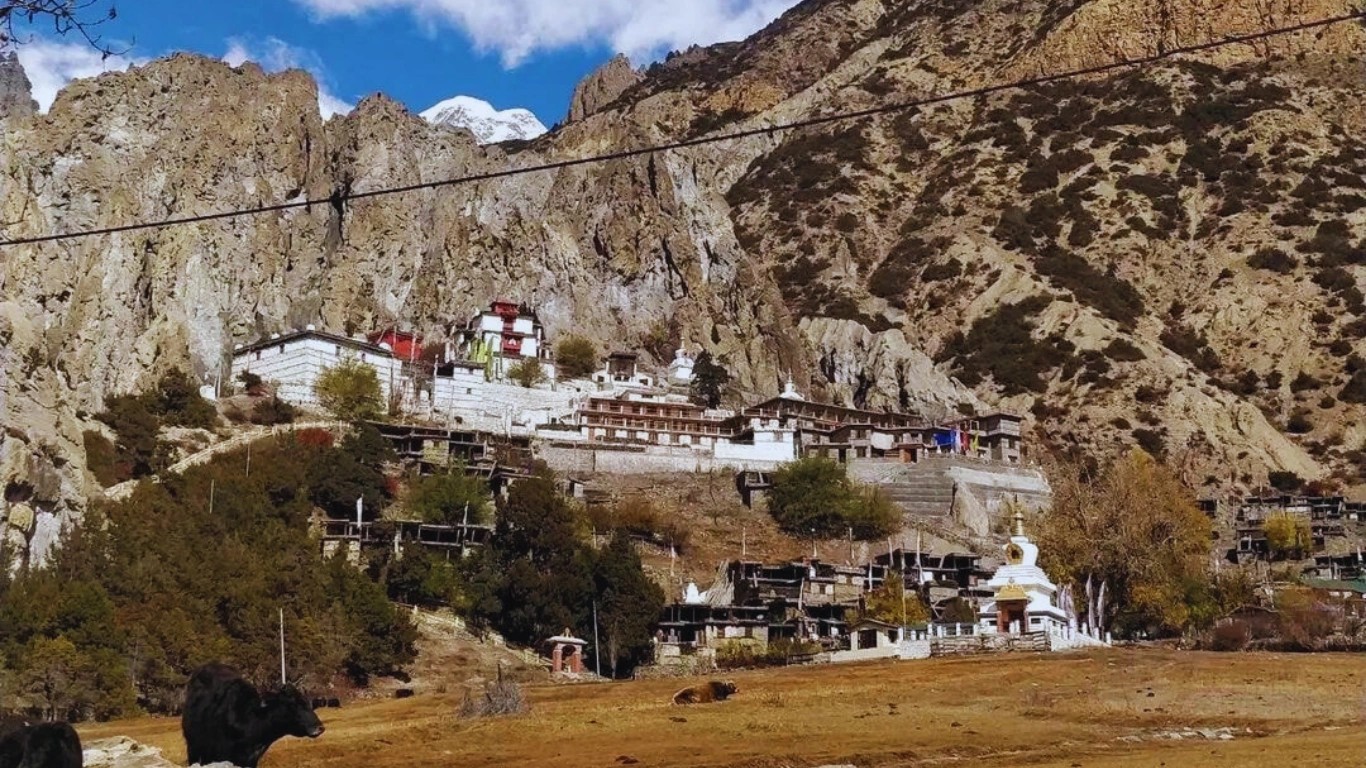
Elevation: 3,439 meters (11,283 feet)
Best Season: Year-round accessibility, clearest views October-November
Region: Manang District
Just a thirty-minute walk from Manang lies Brakha—and honestly, it breaks our hearts when trekkers rush past without stopping. This small village is home to the largest and most impressive monastery on the entire Annapurna Circuit, and the experience of visiting it stays with travelers long after they return home.
The Brakha Gompa perches majestically above the village, commanding sweeping views across the valley toward Gangapurna's glaciated face. What makes it truly special is its authenticity. Unlike some religious sites that have undergone extensive modern renovation, much of Brakha Gompa retains original features dating back several centuries.
Climbing the path to the monastery, you leave the twenty-first century behind. Entering through ancient doorways, you encounter spiritual atmosphere that has remained essentially unchanged for generations.
The main prayer hall contains remarkable Buddhist artwork that took our breath away the first time we saw it—and still does, decades later. Wall paintings depicting various bodhisattvas demonstrate the incredible skills of master artists working in challenging mountain conditions.
Butter lamp flames flicker continuously, their soft light dancing across gilded statues and silk-wrapped scriptures. Ancient thangka paintings hang from smoke-darkened beams. The smell of incense mingles with centuries of devoted prayer.
Resident monks maintain active practice here. This isn't a museum—it's a living religious center where spiritual traditions continue unbroken.
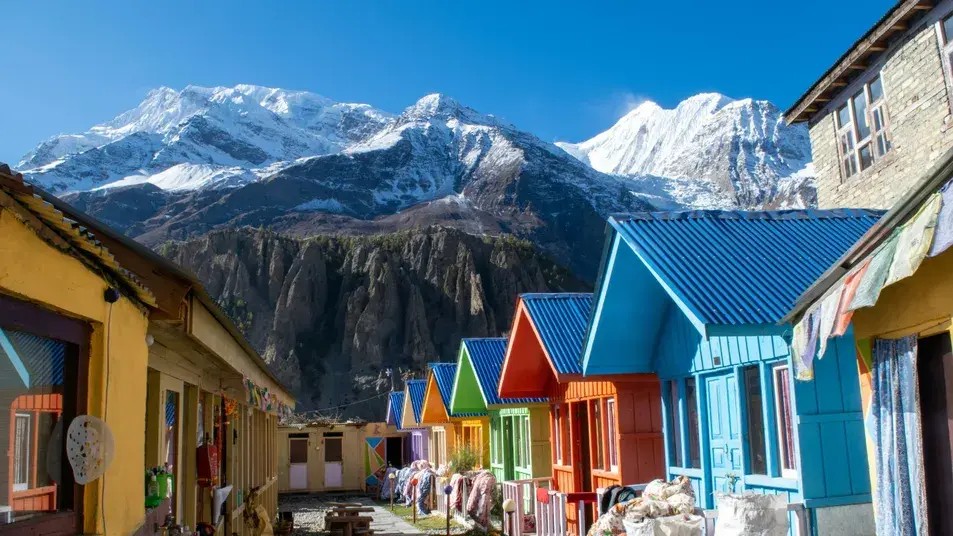
Elevation: 3,540 meters (11,614 feet)
Best Season: October-November, March-May
Region: Manang District
Every Annapurna Circuit traveler passes through Manang—it's strategically positioned before the challenging climb to Thorong La Pass. But we want you to understand something important: Manang deserves attention far beyond its practical purpose as an acclimatization stop.
This is the circuit's largest settlement, a genuine high-altitude town where traditional Himalayan life continues alongside modern trekking infrastructure. Stone buildings climb terraced hillsides beneath Gangapurna's stunning glaciated face. Ancient chortens and intricately carved mani walls line pathways connecting different village quarters.
You'll find bakeries producing surprisingly excellent pastries, coffee shops serving proper espresso, well-stocked gear shops, and even a small cinema showing mountain documentaries. Yet traditional elements remain visible everywhere—monks in maroon robes, elderly residents spinning prayer wheels, farmers tending rooftop gardens.
We encourage our travelers to explore Manang thoroughly during their acclimatization days. There's far more here than first meets the eye.
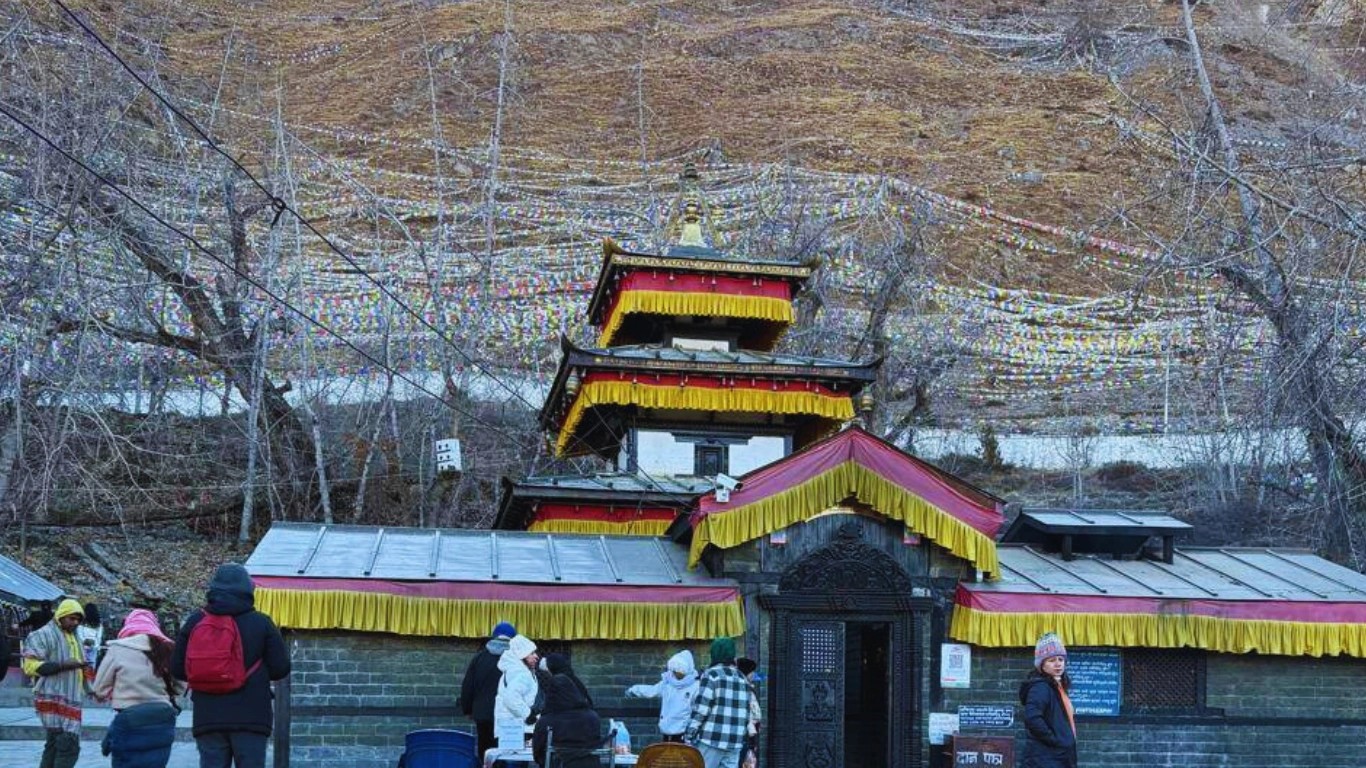
Elevation: 3,710 meters (12,172 feet)
Best Season: Year-round pilgrimage site, best trekking October-November
Region: Mustang District
Reaching Muktinath creates emotions unlike anywhere else on the circuit. Thorong La Pass (5,416 meters) lies behind you—congratulations on that incredible achievement!—and the descent has delivered you to one of Nepal's most sacred destinations.
Let us be clear: Muktinath isn't simply another trekking checkpoint. This is one of 108 Vishnu temples sacred to Hindus and simultaneously an important Buddhist pilgrimage site. For centuries, devoted pilgrims have endured tremendous hardship to reach this remarkable place where two great faiths honor common sacred ground.
The physical setting matches the spiritual significance. Snow-capped peaks frame the ancient temple complex. Thin mountain air carries an atmosphere of reverence that touches even non-religious visitors.
The temple complex contains features found nowhere else on earth, and we never tire of sharing them with travelers:
108 Water Spouts: Brass spouts shaped like bull heads pour sacred water continuously, fed by natural springs. Pilgrims bathe beneath these spouts regardless of freezing temperatures, believing the water washes away past sins. Watching their devotion is profoundly moving.
Eternal Flames: Here's something truly remarkable—natural gas escaping from underground sources feeds flames that have burned for thousands of years. These flames emerging mysteriously from water and rock inspired religious reverence long before modern science explained the geology.
Jwala Mai Temple: The central temple houses images sacred to Hindus while Buddhist elements surround the complex. Both communities worship here harmoniously, sharing sacred space with mutual respect.
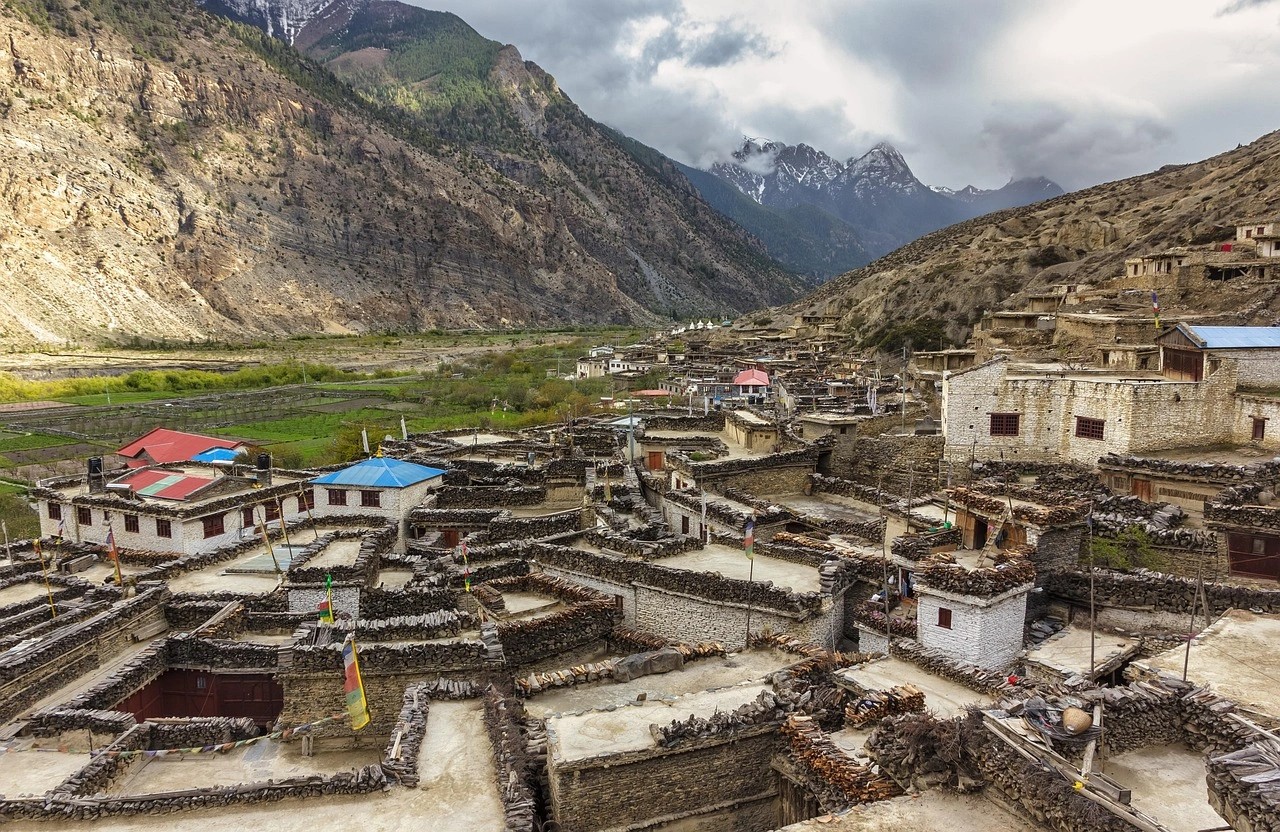
Elevation: 2,670 meters (8,760 feet)
Best Season: Apple harvest September-November
Region: Mustang District
Descending from Muktinath through the dramatic Kali Gandaki valley, Marpha appears like a vision of elegant order amid rugged landscapes. You'll love the distinctive character of this remarkable place—it's unlike anywhere else on the circuit.
The village's white-washed buildings and immaculate cobblestone streets create striking visual contrast with the brown, wind-swept terrain surrounding it. The Thakali people who built Marpha applied different aesthetic principles than communities you've encountered earlier. Clean architectural lines, uniform facades, and meticulous maintenance reflect cultural values emphasizing organization, prosperity, and community pride.
Walking through Marpha's covered stone pathways, travelers often comment on unexpected Mediterranean impressions. Yet Himalayan peaks towering above quickly restore geographic reality—you're definitely still in Nepal!
Marpha's fame rests substantially on its orchards, and honestly, the reputation is completely deserved. The combination of altitude, soil conditions, and careful cultivation produces exceptionally flavorful fruit that you'll remember long after returning home.
Apple Products to Try:
Beyond apples, the Thakali people have earned well-deserved reputations as exceptional cooks. Thakali dal bhat sets represent the circuit's culinary highlight, often featuring 10-15 accompaniments—multiple vegetable preparations, pickles, chutneys, crispy papadum, and meat options. Prepare for the best meal of your entire trek!
Village facilities vary significantly—here's what to anticipate:
At Majestic Trails Nepal, we select accommodations balancing comfort with authenticity. We maintain long-standing relationships with family-run establishments that treat guests well while preserving traditional character.
After guiding countless travelers through Nepal's most spectacular landscapes, we've witnessed something beautiful again and again. People arrive dreaming of mountain peaks, but they leave treasuring village memories.
Timang introduces the magical transition from lowland Nepal to high Himalayan grandeur—your first glimpse of what's to come. Upper Pisang rewards those willing to take the harder path with panoramas that live forever in memory. Ghyaru preserves an authenticity that reminds us why we travel in the first place.
Brakha's magnificent monastery connects you with centuries of Buddhist devotion and artistic achievement. Manang reveals human ingenuity thriving in extreme conditions—a genuine high-altitude community, not a tourist construction. Muktinath demonstrates how different faiths can honor shared sacred ground with mutual respect and harmony.
And Marpha proves that civilization can achieve refined elegance even in harsh mountain environments—a fitting conclusion to an extraordinary cultural journey.
Together, these seven villages compose a symphony of human experience that mountains alone cannot provide. They speak of resilience, adaptation, spiritual dedication, warm hospitality, and the remarkable capacity of communities to create meaningful, beautiful lives in challenging places.
The Himalayan peaks will stand forever, magnificent and unchanging. But traditional village life continues evolving. The opportunity to experience these communities while they maintain ancient traditions—still authentic, still welcoming, still connected to practices unchanged for generations—exists now.
At Majestic Trails Nepal, we design Annapurna Circuit itineraries that honor both your physical achievement goals and the cultural richness waiting to be discovered. Our experienced guides maintain personal connections throughout these villages, built over years of respectful relationship-building.
We don't simply lead you past these remarkable communities. We introduce you to families we've known for years. We share historical context that guidebooks miss. We ensure you have adequate time to absorb each village's distinctive character rather than rushing through as mere checkpoints between mountain passes.
✓ Licensed, experienced guides with deep local knowledge and genuine community relationships
✓ Thoughtfully designed itineraries balancing physical achievement with cultural immersion
✓ Accommodations carefully selected for authenticity, comfort, and family hospitality
✓ Small group sizes allowing genuine village interactions and personal attention
✓ Strong commitment to sustainable tourism that benefits local communities
✓ Flexibility to explore what interests you most—monasteries, local crafts, cooking traditions, or simply conversation
The mountains await. The villages welcome you. The journey of a lifetime is ready to begin.
Let Majestic Trails Nepal guide you through the must-visit villages on the Annapurna Circuit Trek. Contact our team today to start planning your unforgettable Himalayan adventure.
Majestic Trails Nepal: Where Every Journey Becomes a Story Worth Telling
Contact us to begin planning your Annapurna Circuit adventure today.

Gyalpo Losar, the Tibetan New Year, is a festival of immense cultural, religious, and social importance for the Tibetan people, including the Sherpa c...
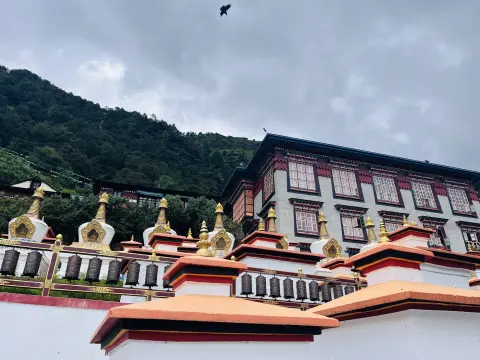
Situated in the peaceful Solu-Khumbu region of Nepal, near the village of Junbesi, Thupten Chholing Monastery is a living testament to Tibetan Buddhis...
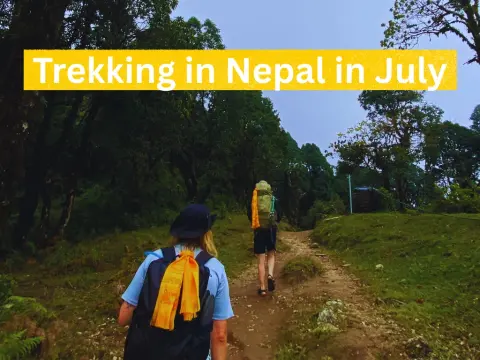
Trekking in Nepal in July offers a completely different yet deeply rewarding adventure for travelers seeking lush landscapes, peaceful trails, and aut...
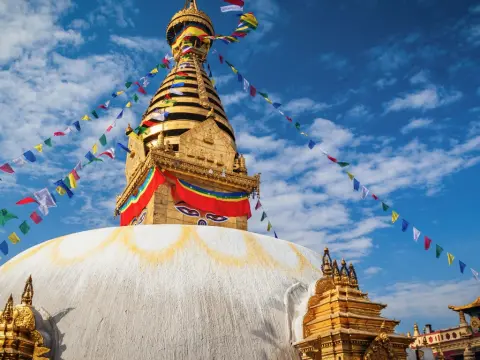
People visiting Kathmandu almost always ask the same two questions about Swayambhunath: how high is it, and where exactly is it? Seems simple. But the...
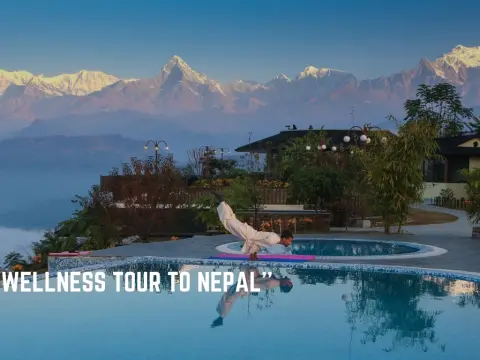
There's a moment that happens somewhere between your first mountain sunrise and your final meditation session. It's the moment you realize you've been...
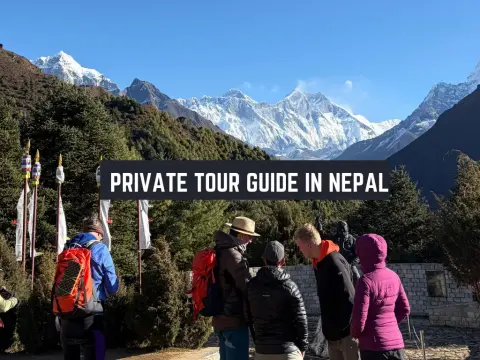
Nepal isn't a destination you rush through. From the ancient temples of Kathmandu to the soaring peaks of the Himalayas, every corner of this remarkab...
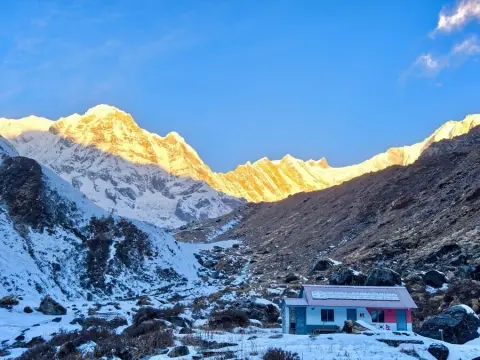
The morning mist lifted slowly from the Modi Khola valley as our trekking group paused near Deurali. Suddenly, movement caught my eye—a Himalayan tahr...
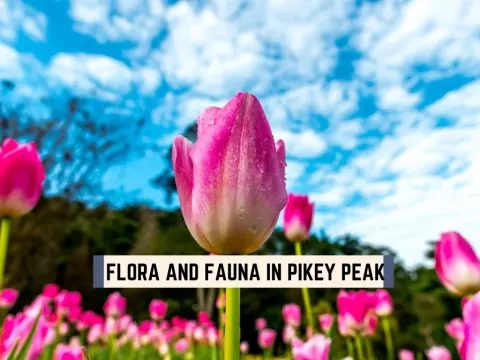
The morning mist parts slowly, revealing a hillside ablaze with crimson rhododendrons. Somewhere in the branches above, a Himalayan Monal's iridescent...
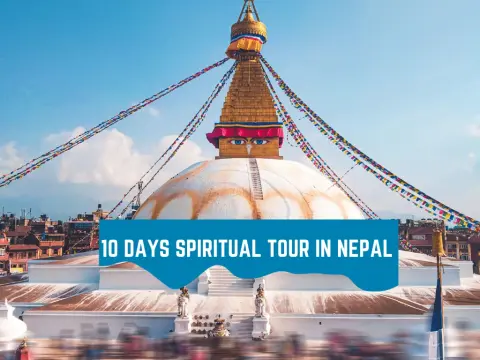
Nepal has always been more than a destination. It is a sanctuary where the physical and spiritual worlds intertwine beneath snow-capped peaks and with...
Nepal is far more than a trekking destination nestled among the world's highest peaks. This ancient Himalayan kingdom pulses with profound spiritual e...
