
Flora and Fauna of Makalu Base Camp Trek
12 Feb 2026
Introduction: Where Wild Nature Meets the World's Fifth Highest PeakThe moment I stepped into the Makalu-Barun Valley for the first time, I understood...


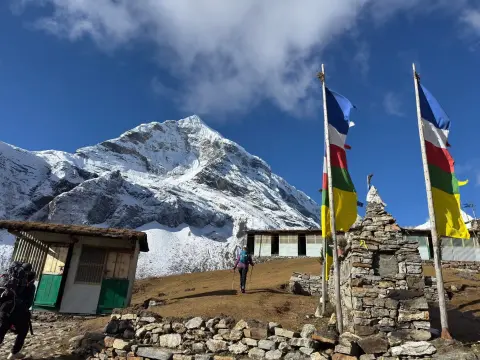
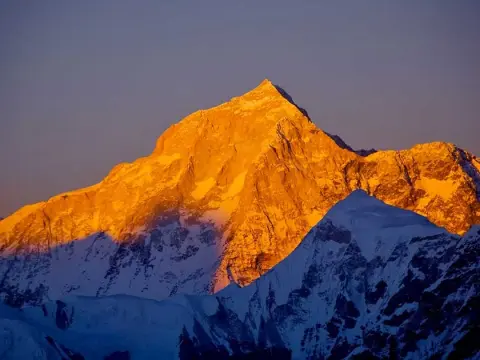
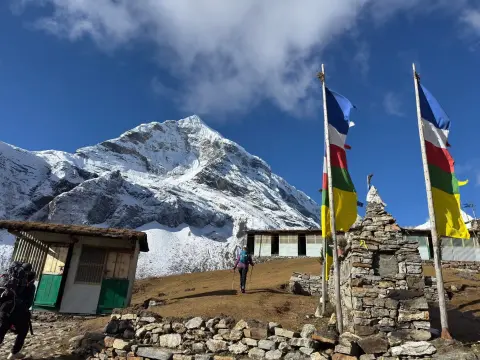
Standing at 4,870 meters beneath the world's fifth-highest peak, I watched the sunrise paint Makalu's pyramidal summit in shades of gold and crimson. There were no other trekkers in sight—just our small group, the distant call of a Himalayan monal, and the vast silence of the Barun Valley stretching before us. This moment crystallized exactly why the top 10 reasons to choose Makalu Base Camp trek matter so deeply to those seeking authentic Himalayan adventure.
At Majestic Trails Nepal, we've guided expeditions through Nepal's most remote corners for over a decade. Our Sherpa guides grew up in the shadows of these peaks, and our team has firsthand knowledge of every river crossing, every teahouse, and every breathtaking viewpoint along the Makalu route. We've seen trekkers return from Everest Base Camp describing crowded trails and queue-like atmospheres. We've watched the Manaslu Circuit Trek grow increasingly popular each season.
But Makalu? Makalu remains Nepal's best-kept secret—a wilderness trek that delivers the raw, untamed Himalayan experience that most travelers dream about but few ever find.
If you're weighing why trek Makalu Base Camp over more famous alternatives, this comprehensive guide reveals everything you need to know. These aren't marketing bullet points—they're hard-earned insights from years of walking these trails alongside serious adventurers.
The Barun Valley trek experience sets Makalu apart from every other major route in Nepal. This glacially carved sanctuary remains one of the last truly wild places in the Himalaya, protected within the Makalu Barun National Park—Nepal's first conservation area designed to protect both biodiversity and indigenous communities.
Unlike the well-trodden paths to Everest, where you'll pass dozens of trekking groups daily, the Barun Valley sees fewer than 1,500 trekkers annually. For context, Everest Base Camp receives over 50,000 visitors each year. This dramatic difference transforms your entire Makalu Base Camp experience into something intimate and profound.
Walking through ancient rhododendron forests draped in moss, crossing pristine rivers that have never seen plastic pollution, camping in meadows where red pandas still roam—this is adventure travel as it existed decades ago. The valley floor sits at approximately 3,900 meters, creating a natural amphitheater surrounded by towering peaks and hanging glaciers.
Explore our complete Makalu Base Camp adventure itinerary →
Let's address the elephant in the room: the Everest region has become a victim of its own success. During peak seasons, the trail to Everest Base Camp can feel less like a wilderness expedition and more like a high-altitude highway. Tea houses overflow, permits must be booked months in advance, and the authentic cultural experience often gets lost in commercialization.
The remote treks in Nepal category has a clear champion, and it's Makalu.
During our autumn expeditions, we regularly go entire days without encountering another trekking group. The tea houses that exist along the route remain family-run operations where you'll share dal bhat with your hosts and hear stories passed down through generations. There are no espresso machines, no WiFi cafes, no souvenir shops crowding the trails.
This solitude isn't just about preference—it fundamentally changes the psychology of your trek. Without the constant presence of other groups, you become more attuned to the landscape, more present in each moment, more connected to the rhythm of Himalayan life.
Understanding Makalu Base Camp altitude requires appreciating the trek's masterful natural design. Starting from Tumlingtar at just 460 meters, you'll ascend through multiple ecological zones before reaching the base camp at 4,870 meters—a vertical gain of over 4,400 meters spread across 18-21 days.
This gradual progression isn't just scenery—it's safety. The altitude profile allows your body to acclimatize naturally, reducing the risk of acute mountain sickness while maximizing your ability to enjoy the high-altitude landscapes. Key altitude milestones include:
Each stage presents its own character, its own challenges, and its own rewards. By the time you reach base camp, you've earned every meter of elevation through sustained effort.
Read our detailed Makalu Base Camp altitude and acclimatization guide →
The flora and fauna in Makalu Base Camp trek represent one of the most biodiverse mountain ecosystems on Earth. The Makalu Barun National Park harbors over 3,000 plant species, 440 bird species, and 75 mammal species—many of which exist nowhere else in the Himalaya.
During our treks, we've documented sightings of:
Rare Wildlife:
Avian Treasures:
Botanical Wonders:
This biodiversity creates a trekking experience that engages all senses. Each day brings new species, new ecosystems, and new reasons to pause and appreciate the natural world.
Discover the complete wildlife guide for Makalu region →
The human landscape of Makalu proves as compelling as its natural wonders. The lower valleys are home to the Rai people—one of Nepal's oldest indigenous groups with a shamanic tradition, distinct language, and agricultural practices unchanged for centuries.
Unlike commercialized cultural experiences in tourist-heavy regions, the Rai villages along the Makalu route offer genuine encounters. You'll witness:
Higher elevations introduce Sherpa communities whose lives revolve around high-altitude Buddhism. Small monasteries dot the landscape, prayer flags flutter from every high point, and the greeting "Tashi delek" replaces the lowland "Namaste."
This cultural gradient—moving through different ethnic homelands as you ascend—creates a journey through living history unavailable on more homogenized trekking routes.
Here's where Makalu occupies a unique niche: it delivers an expedition-grade experience accessible to fit trekkers without mountaineering skills. The Makalu Base Camp difficulty sits above standard teahouse treks but below technical climbing expeditions.
What Creates the Expedition Atmosphere:
What You Don't Need:
This combination attracts trekkers who've completed routes like Everest Base Camp or the Annapurna Circuit and hunger for something more challenging—without committing to technical mountaineering. It's the ideal progression for serious trekkers ready to test their limits.
Understand the full challenge in our Makalu Base Camp difficulty assessment →
The visual payoff at Makalu Base Camp ranks among the finest in the Himalaya. You're not viewing Makalu from a distant valley—you're standing in its immediate presence, surrounded by an amphitheater of 7,000 and 8,000-meter peaks.
The View from Base Camp Includes:
The Barun Glacier itself becomes part of the landscape, its ice features glowing blue in morning light. Unlike more accessible base camps, there are no competing groups vying for photo positions. You can spend hours exploring different vantage points, watching shadows move across ice seracs, and absorbing the scale of the high Himalaya.
View the full Makalu expedition details and day-by-day highlights →
We believe in transparency: Makalu is not for casual hikers. The Makalu Base Camp difficulty demands respect, preparation, and genuine commitment. This challenge, however, is precisely what draws serious adventurers.
Physical Demands:
Mental Requirements:
Those who complete Makalu describe a transformation—a sense of accomplishment unavailable on easier routes. You return knowing exactly what you're capable of enduring.
Download our comprehensive packing list for Makalu Base Camp trek →
Timing your Makalu Base Camp experience correctly unlocks entirely different landscapes. Understanding the best time to visit Makalu Base Camp trek helps you choose which version of this wilderness you'll encounter.
Spring (March - May):
Autumn (September - November):
Both seasons offer world-class trekking conditions, with autumn providing the most reliable weather and spring delivering the most dramatic natural displays. Our team can help you decide which experience aligns with your priorities.
Explore our detailed guide to the best time to visit Makalu Base Camp trek →
This final reason synthesizes everything above: Makalu Base Camp exists for trekkers who've graduated beyond bucket-list tourism. It's for those who measure experiences by depth, not Instagram likes. It's for adventurers who understand that remoteness is a feature, not a bug.
The Makalu Base Camp trek cost reflects this expedition-grade experience—typically ranging from $2,500-3,500 USD for fully supported treks including permits, guides, porters, accommodation, and meals. Yes, this exceeds standard teahouse treks, but the value equation becomes clear when you consider:
For serious trekkers evaluating their next Himalayan adventure, Makalu represents the gold standard—a journey that delivers on every promise of Himalayan exploration.
Plan your Makalu Base Camp journey with our expert team →
For trekkers weighing options, this comparison provides clarity:
| Factor | Makalu Base Camp | Everest Base Camp | Manaslu Circuit Trek |
|---|---|---|---|
| Annual Visitors | ~1,500 | 50,000+ | ~8,000 |
| Trail Infrastructure | Basic/Camping | Developed Teahouses | Moderate Teahouses |
| Remoteness Level | Extreme | Low | Moderate |
| Biodiversity | Exceptional | Moderate | Good |
| Difficulty Level | Challenging | Moderate | Moderate-Challenging |
| Cultural Authenticity | High | Commercialized | Good |
| Base Camp Altitude | 4,870m | 5,364m | Circuit (5,106m pass) |
| Trek Duration | 18-21 days | 12-14 days | 14-18 days |
| Permit Restrictions | National Park | TIMS + Sagarmatha | Restricted Area |
The Manaslu Circuit Trek offers an excellent middle ground for those seeking remoteness without Makalu's full commitment. However, for trekkers ready to embrace true wilderness, Makalu stands alone.
Absolutely—for the right trekker. If you value solitude over convenience, wilderness over infrastructure, and genuine challenge over predictable experiences, Makalu delivers unmatched rewards. The combination of pristine ecosystems, cultural authenticity, and dramatic mountain scenery creates an experience you'll reference for the rest of your life. The top 10 reasons to choose Makalu Base Camp trek outlined above demonstrate why serious adventurers consistently rank this among Nepal's finest routes.
Yes. Makalu presents greater challenges across multiple dimensions: fewer established teahouses requiring camping logistics, steeper daily elevation changes, more demanding trail conditions, and extended time in true wilderness without emergency infrastructure. While both treks reward experienced hikers, Makalu demands higher fitness levels and greater comfort with remoteness.
Makalu suits experienced trekkers who have completed at least one major Himalayan trek (Everest Base Camp, Annapurna Circuit, or similar) and desire a more challenging, less crowded experience. Ideal candidates are comfortable with basic facilities, flexible with changing conditions, and motivated by wilderness immersion rather than comfortable amenities.
We recommend against Makalu for first-time Himalayan trekkers. The route's remoteness, extended duration, and physical demands require prior high-altitude experience and proven fitness. Beginners should consider Everest Base Camp or the Annapurna Circuit to build experience before attempting Makalu.
Three primary distinctions: Solitude (Makalu sees 97% fewer annual visitors), Wilderness (minimal commercial development preserves authentic mountain ecosystems), and Challenge (longer duration and more demanding terrain require greater commitment). Everest offers accessibility and iconic name recognition; Makalu delivers uncompromised Himalayan adventure.
After examining these top 10 reasons to choose Makalu Base Camp trek, one truth emerges: this isn't a trek you choose casually. It's a commitment to experiencing the Himalaya in its purest form—demanding, transformative, and unforgettable.
At Majestic Trails Nepal, we've watched countless trekkers arrive in Tumlingtar with nervous anticipation and depart weeks later with quiet confidence born from genuine accomplishment. We've shared tea with village elders, navigated monsoon-swollen rivers, and stood in reverent silence beneath peaks that humble even the most experienced mountaineers.
If these words resonate—if you feel the pull of true wilderness calling—we're ready to guide your journey.
Check our detailed route breakdown and departure dates →
Questions about preparing for Makalu? Our team responds personally to every inquiry within 24 hours. Contact us at info@majestictrailsnepal.com or reach our Kathmandu office directly.
About Majestic Trails Nepal: Based in Kathmandu with operations extending to Nepal's most remote regions, our team combines decades of Himalayan guiding experience with deep commitment to sustainable, community-based tourism. Our Makalu expeditions feature local Rai and Sherpa guides who've walked these trails since childhood, ensuring both safety and cultural authenticity throughout your journey.
Introduction: Where Wild Nature Meets the World's Fifth Highest PeakThe moment I stepped into the Makalu-Barun Valley for the first time, I understood...
Introduction: Understanding Makalu Base Camp Trek DifficultyThe Makalu Base Camp trek difficulty requires honest evaluation before committing to this...
There's a moment on the Makalu Base Camp trek that stays with every trekker forever—standing at 4,870 meters, watching the sun ignite the south face o...
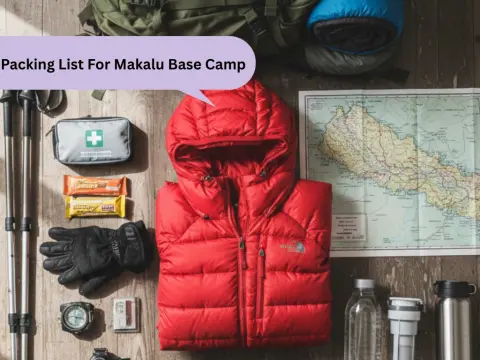
The Makalu Base Camp trek doesn't forgive packing mistakes. Unlike Everest or Annapurna where you can buy forgotten gear at the next village, Makalu's...
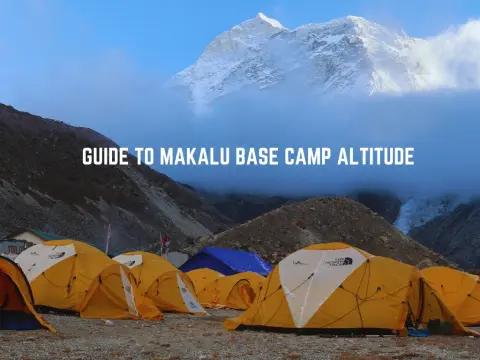
When trekkers think of remote Himalayan adventures, few routes compare to the Makalu Base Camp trek altitude challenge. Nestled in the shadow of the w...
