
Annapurna Circuit Trek Nepal – Complete Guide, Itinerary, Cost & Best Time
23 Jan 2026
The Annapurna Circuit Trek is one of the world’s most legendary long-distance treks — a journey that circles the Annapurna massif through Nepal’s most...

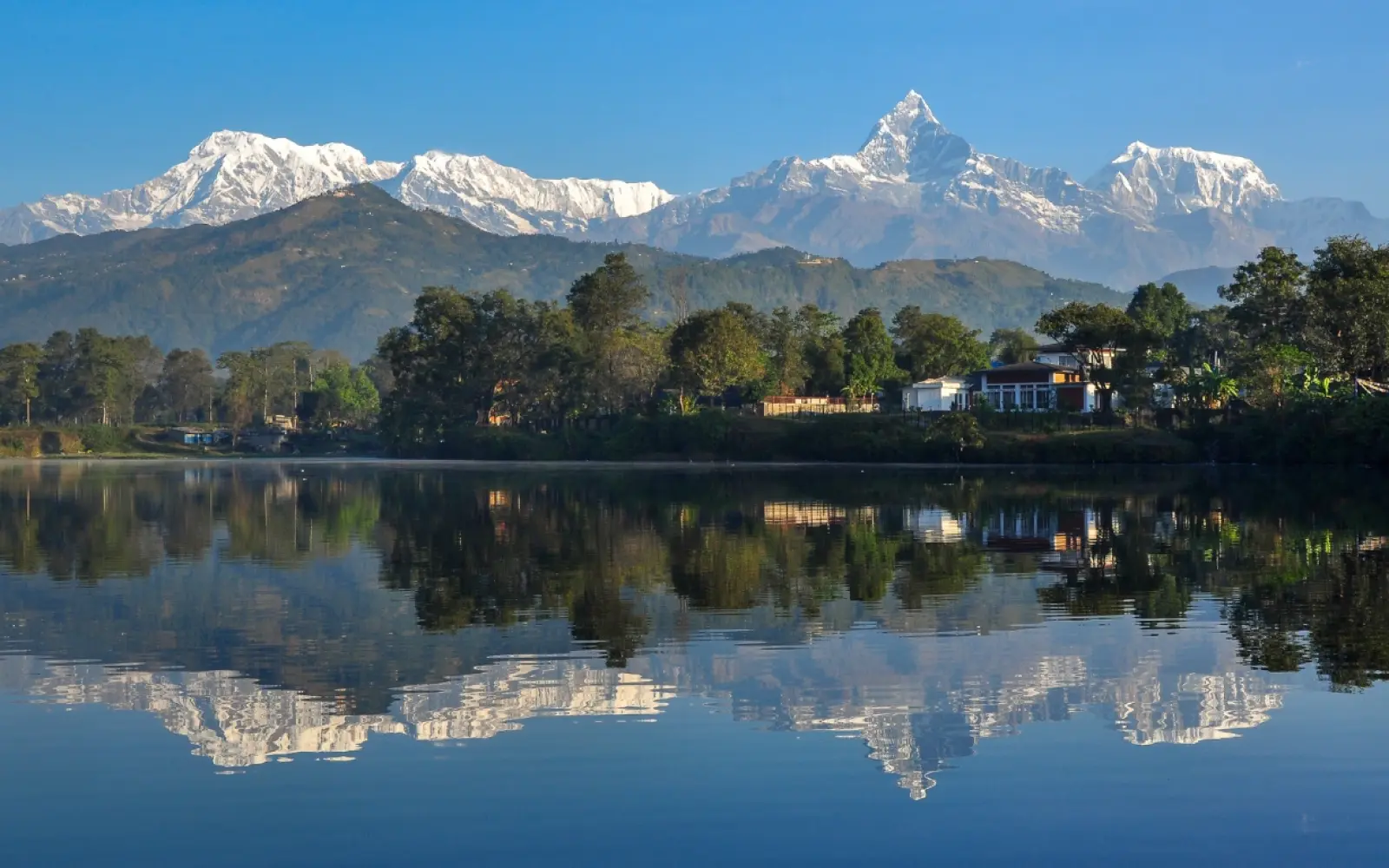

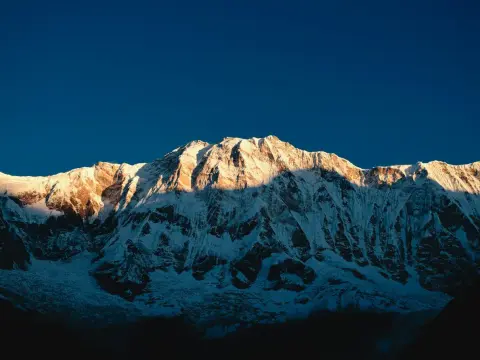
Annapurna is a section of the Nepal Himalayas containing 6 prominent peaks above 7,200 m and 15 peaks above 7,000 m, anchored by Annapurna I at 8,091 m — the 10th highest mountain on earth and the first 8,000 m peak ever climbed. The Annapurna massif stretches roughly 55 km across north-central Nepal in Gandaki Province, named after the Hindu goddess Annapurna, the deity of food and nourishment. It is also the deadliest 8,000 m peak in mountaineering history — Annapurna I has killed roughly 1 in every 7 climbers who attempted its summit, with a historical fatality rate that once reached 32%.
After 10+ years guiding international trekkers through the Annapurna region, Majestic Trails Nepal has watched the same paradox play out hundreds of times. The mountain is named after the goddess of nourishment — and yet it has killed more climbers than any other 8,000 m peak in the world. The Annapurna Sanctuary at the foot of the massif is one of the most beautiful trekking destinations on earth. The summit above it is one of the most lethal.
This complete 2026 guide explains everything about Annapurna in the Nepal Himalayas — its geography, the goddess behind the name, the peaks of the massif, the honest climbing death rate, and how ordinary trekkers can safely visit the base of the world's deadliest mountain.
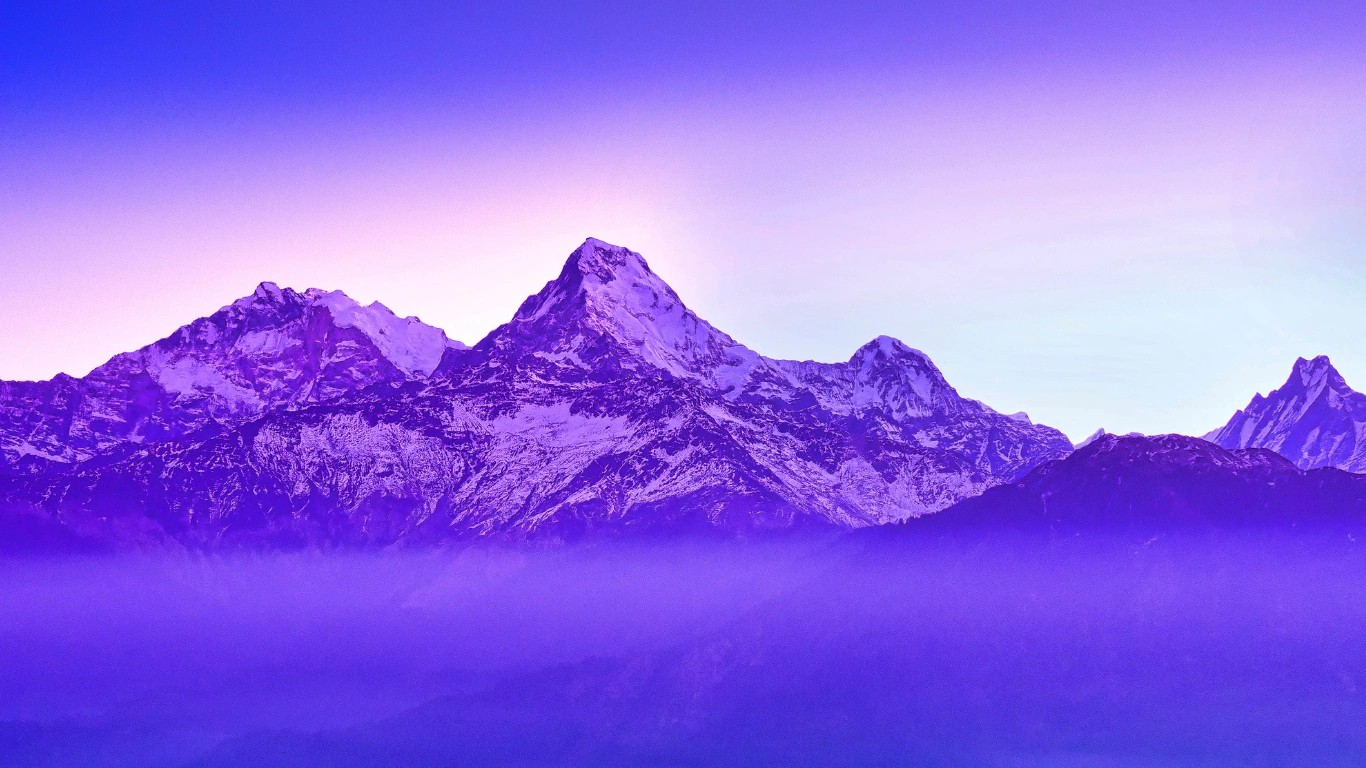
Yes, Annapurna is part of the Himalayas. Specifically, Annapurna is a sub-range of the central Nepal Himalayas, located in north-central Nepal in Gandaki Province.
The Annapurna Massif sits within the broader Himalayan range that stretches 2,400 km across five countries from Pakistan to Bhutan. Annapurna is one of several major sub-ranges within the Nepal Himalayas, alongside the Khumbu (Everest region), Langtang, Manaslu, and Dhaulagiri groups.
What makes Annapurna geographically distinctive:
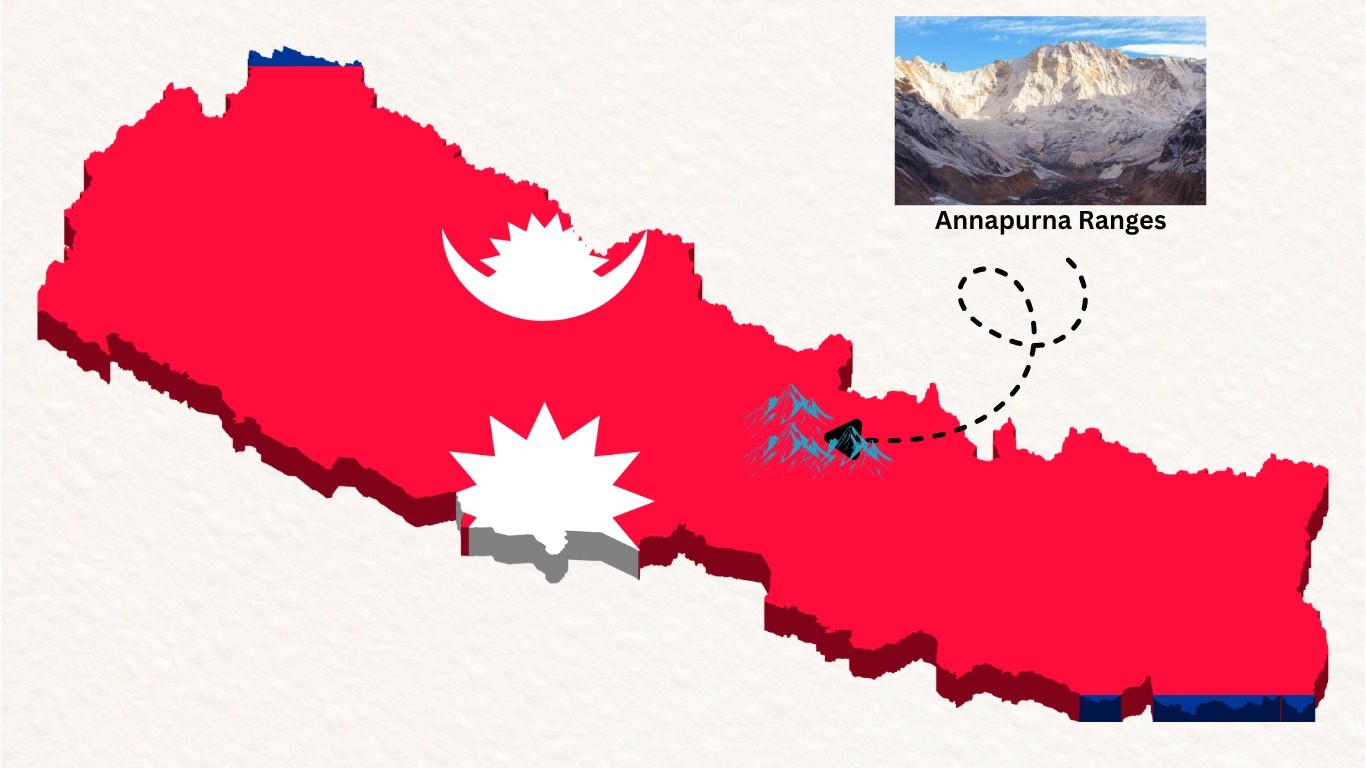
Annapurna is in north-central Nepal, inside Gandaki Province, specifically within the Annapurna Conservation Area (ACA) — Nepal's largest protected area at 7,629 square kilometers.
| Location detail | Value |
|---|---|
| Province | Gandaki Province |
| Conservation Area | Annapurna Conservation Area |
| Nearest major city | Pokhara (40 km south) |
| Districts crossed | Kaski, Lamjung, Manang, Mustang, Myagdi |
| Closest international airport | Pokhara Regional Airport |
| Coordinates of Annapurna I | 28°35′45″N 83°49′17″E |
The Annapurna region is the most accessible major mountain area in Nepal. Pokhara — Nepal's second-largest city and the gateway to the Annapurna region — is 25 minutes by plane from Kathmandu or 6 hours by drive. From Pokhara, trekkers reach the start of every major Annapurna trek (Birethanti, Nayapul, Besisahar) within a 1-3 hour drive.
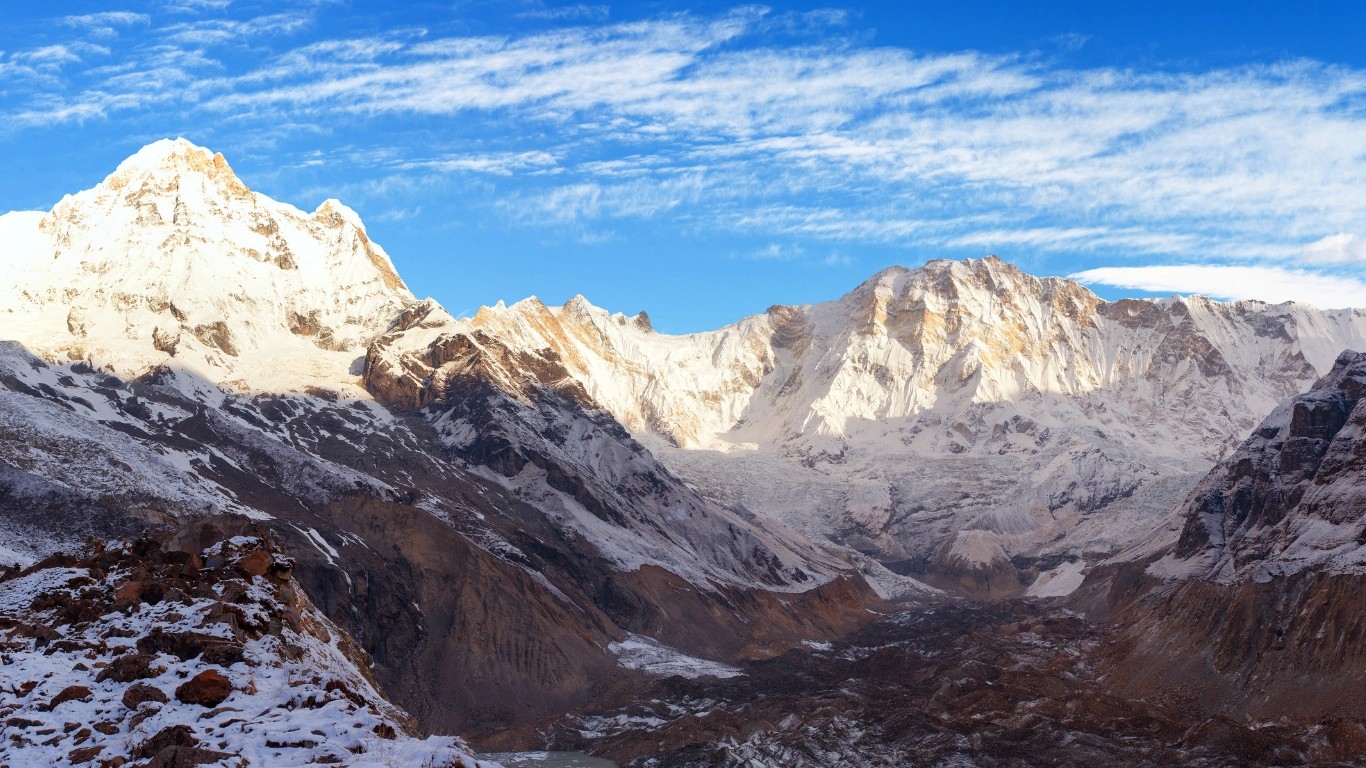
The Annapurna mountain range — also called the Annapurna Massif — is a tightly connected group of high peaks stretching approximately 55 km across north-central Nepal. Unlike isolated mountains, the Annapurna peaks share connecting ridges, glaciers, and a continuous geological structure.
Annapurna range — key facts:
The Annapurna range is older than several of Nepal's other major mountain groups, having formed approximately 50 million years ago when the Indian tectonic plate collided with Eurasia. Like the rest of the Himalayas, the Annapurna peaks continue to rise approximately 5 mm per year as the collision continues.
The Annapurna Massif contains six prominent peaks over 7,200 m plus a wider range of summits stretching down to 6,000 m. Here is the complete list of all major Annapurna peaks ranked by elevation, including prominence data.
| Mountain | Elevation | Prominence |
|---|---|---|
| Annapurna I (Main) | 8,091 m (26,545 ft) | 2,984 m |
| Annapurna I Central | 8,013 m (26,289 ft) | 49 m |
| Annapurna I East | 7,980 m (26,181 ft) | 60 m |
| Annapurna II | 7,937 m (26,040 ft) | 2,437 m |
| Annapurna Fang | 7,647 m (25,089 ft) | 445 m |
| Annapurna III | 7,555 m (24,787 ft) | 703 m |
| Annapurna IV | 7,525 m (24,688 ft) | 255 m |
| Khangsar Kang | 7,485 m (24,557 ft) | 156 m |
| Gangapurna | 7,455 m (24,459 ft) | 563 m |
| Tarke Kang | 7,231 m (23,724 ft) | 168 m |
| Annapurna South | 7,219 m (23,684 ft) | 775 m |
| Asapurna | 7,140 m (23,425 ft) | 262 m |
| Tilicho Peak | 7,135 m (23,409 ft) | 710 m |
| Tare Kang | 7,069 m (23,192 ft) | 156 m |
| Nilgiri Himal North | 7,061 m (23,166 ft) | 840 m |
| Machapuchare | 6,993 m (22,943 ft) | 1,233 m |
| Nilgiri Himal Central | 6,940 m (22,769 ft) | — |
| Nilgiri Himal South | 6,842 m (22,448 ft) | 544 m |
| Hiunchuli | 6,441 m (21,132 ft) | 439 m |
| Gandharba Chuli | 6,248 m (20,499 ft) | 461 m |
Quick observations from the complete list:
Note on Annapurna 1 and Annapurna 2 height search queries:
Annapurna II is often confused with Annapurna I because the names sound similar, but they are different mountains located on opposite ends of the massif. Annapurna II is 154 m shorter than Annapurna I.
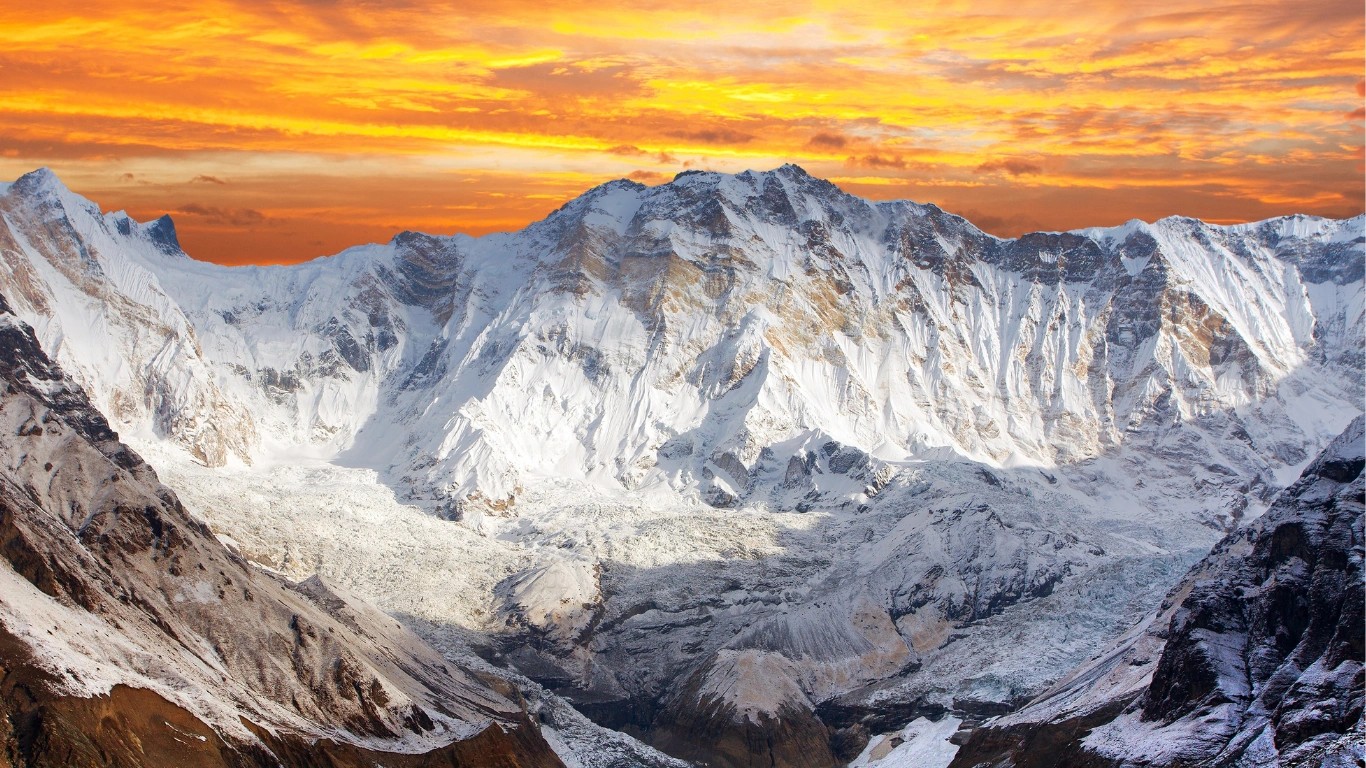
Annapurna I is 8,091 m (26,545 ft) tall — making it the 10th highest mountain on earth and the highest peak in the Annapurna Massif. It is one of only 14 mountains above 8,000 m on the planet.
Annapurna I quick facts:
Annapurna I is the third lowest 8,000 m peak in the world — only Gasherbrum I (8,080 m) and Shishapangma (8,027 m) are lower. Despite this modest height ranking among the 8,000ers, Annapurna I has the highest fatality rate of any 8,000 m peak in mountaineering history.
No, Annapurna is not Mount Everest. They are completely different mountains in different parts of Nepal.
| Factor | Annapurna I | Mount Everest |
|---|---|---|
| Height | 8,091 m | 8,848.86 m |
| World rank | 10th | 1st |
| Location in Nepal | Gandaki Province (central) | Province No. 1 (eastern) |
| Distance apart | ~240 km | ~240 km |
| Border with | Nepal only | Nepal-Tibet border |
| Nearest major city | Pokhara | Kathmandu (160 km) |
| Conservation area | Annapurna Conservation Area | Sagarmatha National Park |
| First ascent | 1950 (Herzog/Lachenal) | 1953 (Hillary/Norgay) |
| Fatality rate | ~13-32% | ~1-2% |
Everest is 757.86 m taller than Annapurna I. The two mountains belong to different sub-ranges of the Himalayas and cannot be visited on the same trek. Travelers wanting to see both must do two separate expeditions — typically one to the Annapurna region from Pokhara, and another to the Everest region via Lukla.
Annapurna is famous for five distinct reasons that no other mountain combines. This is not just one mountain's story — it is the story of how mountaineering as a global pursuit began, how a Hindu goddess gave her name to a Himalayan range, and how a single mountain became the world's deadliest 8,000 m peak.
The Annapurna mountains are named after Annapurna Devi, the Hindu goddess of food, nourishment, and abundance. The name comes from two Sanskrit words: anna meaning "food" or "grains," and purna meaning "full" or "complete." Together, Annapurna means "she who is full of food" or "the giver of food."
According to Hindu tradition, Shiva once told his consort Parvati that the world — including food — was just illusion (maya). To prove him wrong, Parvati disappeared, and with her, all food vanished from the earth. The world began to starve. People, gods, and Shiva himself eventually came to understand that food is not illusion but sacred sustenance. Parvati then returned as Annapurna, distributing food freely to all who came to her, including Shiva himself who came holding a begging bowl.
This story sits at the heart of why the mountain was named Annapurna. The peak rises above some of Nepal's most fertile agricultural valleys — fields fed by the glacial meltwater flowing from the massif itself. The mountain literally nourishes the land below it. The name is not symbolic. It is geographic truth.
In Hindu households across Nepal and India, Annapurna's image is found in kitchens, granaries, and dining areas. Wasting food is considered an offense against her. Feeding others — especially the hungry — is considered the highest form of worship of the goddess.
For trekkers passing through villages on the Annapurna Circuit or Annapurna Base Camp Trek, this cultural layer is everywhere. The mountain is not just terrain. It is named after a goddess, and the people living below it treat both with daily respect.
Yes, Annapurna is significantly deadlier than Everest. Annapurna I has a climbing fatality rate that is roughly 5 times higher than Everest's, depending on which statistical measure you use.
Honest fatality comparison:
| Mountain | Approximate deaths | Approximate summits | Death-to-summit ratio |
|---|---|---|---|
| Annapurna I | ~75 | ~559 | ~13.42% (Guinness) |
| K2 | ~96 | ~700 | ~13.7% |
| Nanga Parbat | ~85 | ~470 | ~18% |
| Mount Everest | ~340 | ~6,000+ | ~5.7% |
Note on conflicting numbers: Different sources report different Annapurna death rates because they measure differently. Some sources use death-to-summit ratio (75 deaths / 559 summits = 13.42% per Guinness). Older sources used the historical death rate measured against attempts rather than summits, which gave the famous 32% figure. The mountain is statistically less deadly today than it was historically, but it remains the most reputationally deadly of the 8,000 m peaks.
These fatality statistics apply only to mountaineers attempting to summit Annapurna I at 8,091 m. Trekkers reaching Annapurna Base Camp at 4,130 m face dramatically lower risks. Majestic Trails Nepal has guided 135 ABC treks over 10+ years with a 95% completion rate and zero altitude sickness incidents. The "Annapurna death rate" refers to a different activity than the Annapurna Base Camp Trek that ordinary trekkers do.
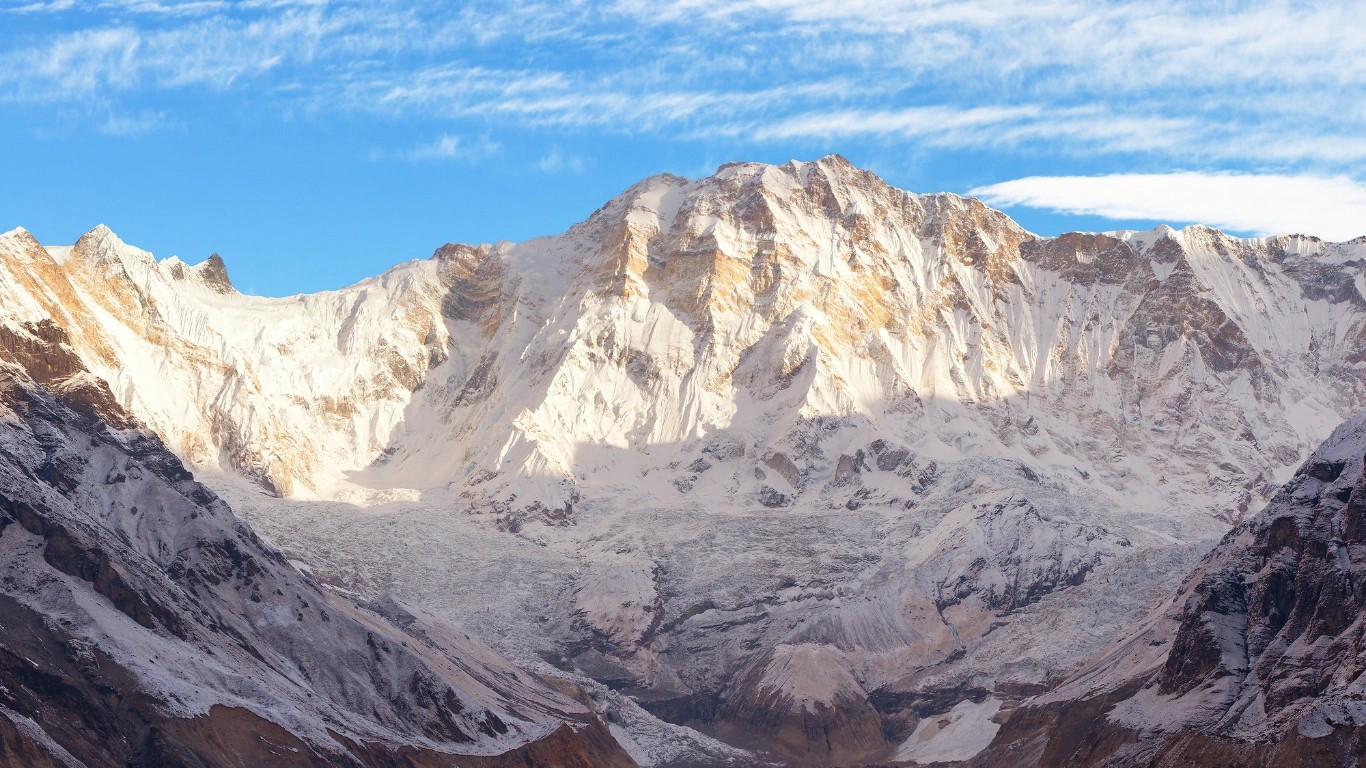
Annapurna is called the silent killer because climbers are most often killed not by their own mistakes but by sudden avalanches that occur without warning. Unlike the more famous "Killer Mountain" (Nanga Parbat) or "Savage Mountain" (K2), Annapurna kills quietly — with no time to react, no chance to fight back, and often with no recoverable bodies.
The Annapurna Sanctuary is a natural glacial amphitheatre at 4,130 m, completely surrounded by Himalayan peaks above 6,000 m. It is the destination of the Annapurna Base Camp Trek and one of the most photographed trekking locations in the world.
The Annapurna Sanctuary sits inside a glacial cirque — a bowl carved by retreating glaciers over thousands of years. The only entrance is through a narrow gorge between Hiunchuli and Machhapuchhre. Once inside, trekkers are surrounded by mountains on all sides with no visible exit to the outside world. This geographic isolation is what gives the Sanctuary its name.
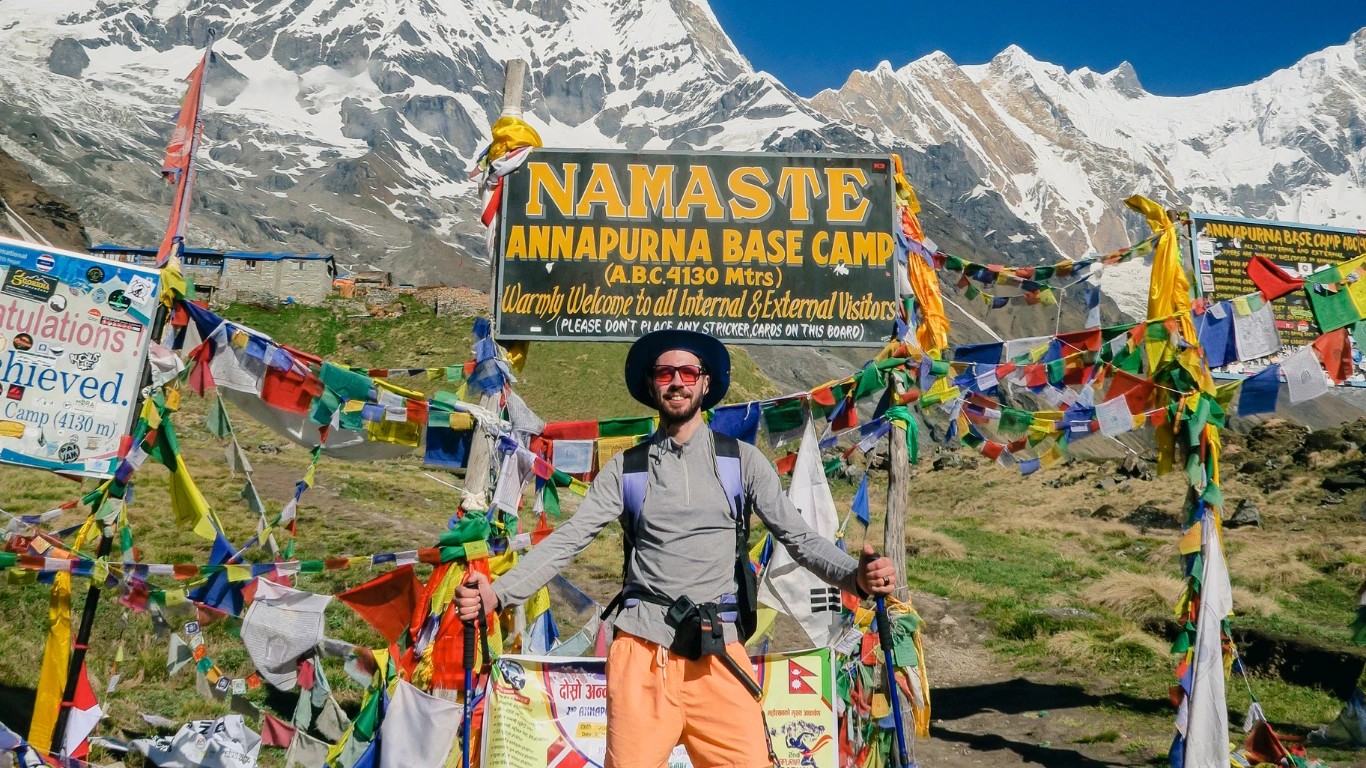
The Annapurna Base Camp Trek is the most accessible way to visit the Annapurna mountains. The standard 14-day trek reaches Annapurna Base Camp at 4,130 m, placing trekkers directly below Annapurna South and Annapurna I.
→ View our complete 14-day Annapurna Base Camp Trek package
For trekkers with limited time, Majestic Trails Nepal also offers a 6-7 day Short ABC Trek that skips the Ghorepani section but still reaches base camp. This is the fastest way to stand at the foot of Annapurna I.
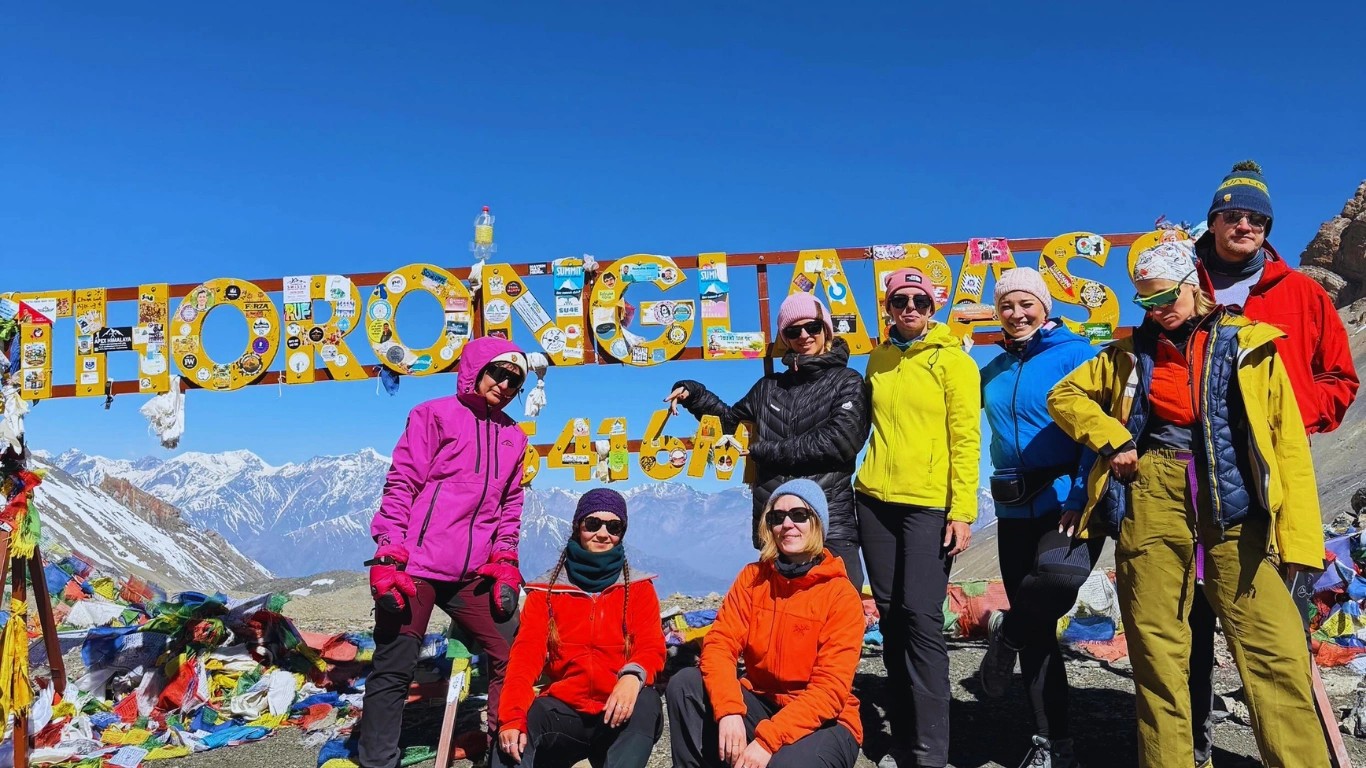
The Annapurna Circuit Trek is a 10-21 day expedition that circles the entire Annapurna massif, crossing Thorong La Pass at 5,416 m as its highest point. Many trekkers consider it the best long-distance trek on earth because of the dramatic landscape diversity within a single route.
The Annapurna Circuit was historically considered the gold standard of Nepal trekking before the Manaslu Circuit and Three Passes treks rose in popularity. As of 2026, it remains one of the best routes for trekkers who want maximum landscape variety within a single trek.
→ Read our complete Annapurna Circuit Permit 2026 Guide — all 11 checkpoints explained
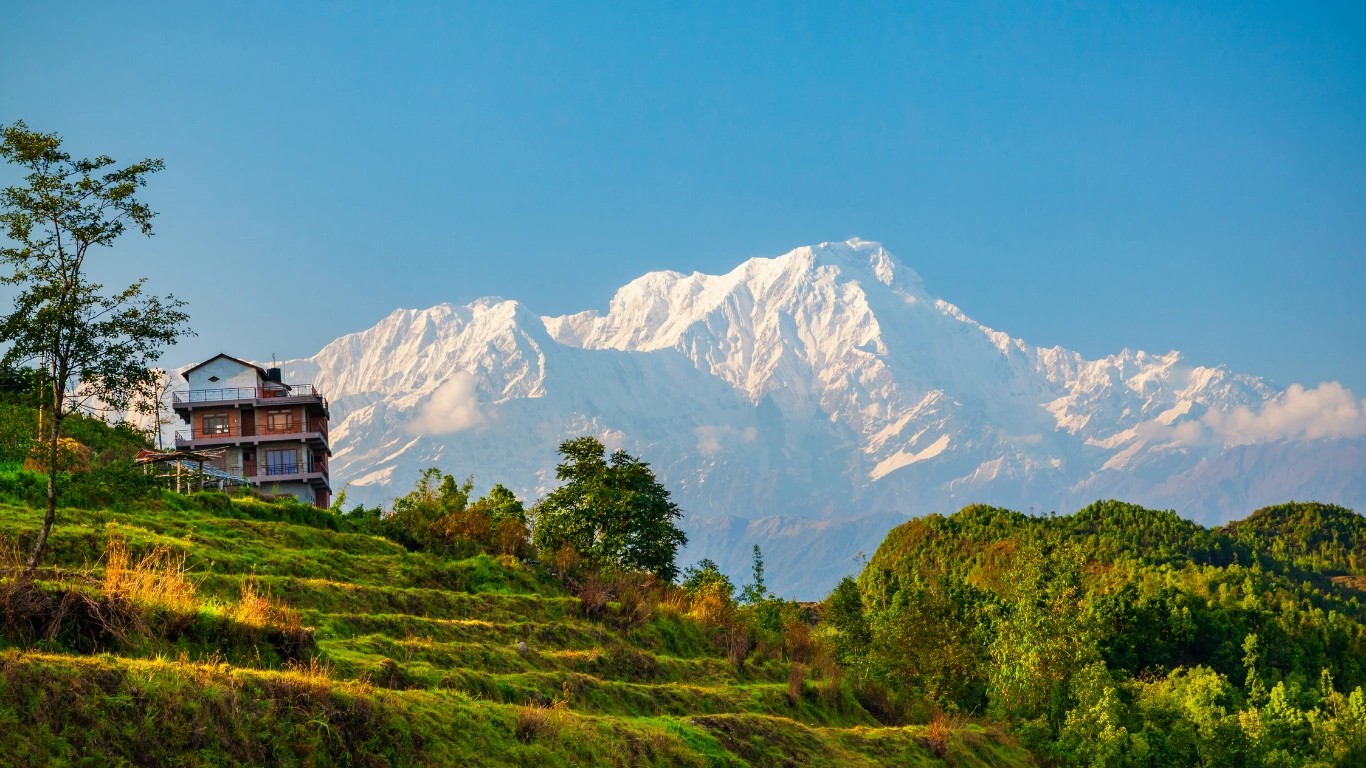
The best time to visit the Annapurna region depends on whether you are climbing or trekking. Here is the honest seasonal breakdown based on 10+ years of operator experience.
| Season | Months | Best For | Avoid If |
|---|---|---|---|
| Autumn | Oct-Nov | Best overall — stable weather, clear views, post-monsoon | Crowded trails, peak prices |
| Spring | Mar-Apr | Rhododendron bloom, warming temperatures, second-best views | Some afternoon clouds late spring |
| Winter | Dec-Feb | Solitude, sharp clear skies (Dec especially), cold but dry | Below-freezing nights at altitude |
| Monsoon | Jun-Aug | Lush green trails, fewer trekkers, dramatic clouds | Heavy rain, leeches, poor visibility |
Operator recommendations for specific Annapurna activities:
You do not need to trek to see the Annapurna mountains. The range is visible from multiple road-accessible locations near Pokhara — making the Annapurna massif the most photographable Himalayan range in Nepal.
For travelers with limited time in Nepal who still want to see the Annapurna Himalayas, a 2-night Pokhara stay with a Sarangkot sunrise visit captures the same iconic Annapurna view that most trekkers wait 5-7 days to reach.
The Annapurna Conservation Area (ACA) is Nepal's largest protected area at 7,629 square kilometers — covering the entire Annapurna region plus surrounding mountains, valleys, and villages. Established in 1985 and managed by the National Trust for Nature Conservation (NTNC), it is one of the most successful conservation programs in South Asia.
The ACA is genuinely different from a traditional national park. Approximately 100,000 people live inside the conservation area — Gurung, Magar, Thakali, Manangi, and Mustangi communities — and conservation work explicitly includes supporting local livelihoods. Trekking permits and entry fees fund both environmental protection and community development projects.
The first successful climb of Annapurna I — on June 3, 1950 by French mountaineers Maurice Herzog and Louis Lachenal — was the first successful ascent of any mountain above 8,000 m in human history. The climb came three years before Everest was summited.
Maurice Herzog and Louis Lachenal both survived the summit but suffered catastrophic frostbite during the descent. Herzog lost all of his fingers and toes to amputation. Lachenal lost all of his toes. Both men were carried down the mountain by their teammates, including Sherpa Ang Tharkay who served as expedition sirdar.
Herzog later wrote a book titled simply Annapurna: First Conquest of an 8,000-Meter Peak (1951). It became one of the best-selling mountaineering books in history and was named by National Geographic Adventure as "the most influential mountaineering book of all time."
Before June 3, 1950, no human had stood on top of any mountain above 8,000 m. The Annapurna climb proved that the death zone was survivable. Everest was successfully climbed three years later in 1953. K2 was summited in 1954. The entire era of high-altitude mountaineering — and the modern trekking economy that followed — began with the moment Maurice Herzog and Louis Lachenal reached the summit of Annapurna I.
The Annapurna mountains formed approximately 50 million years ago when the Indian tectonic plate collided with the Eurasian plate. The same collision created the entire Himalayan range, of which Annapurna is one section.
Geological note for trekkers:
The top sections of several Annapurna peaks contain marine limestone — rock that was once at the bottom of an ocean. Climbers and trekkers walking the high routes are literally crossing fossilized seafloor that was lifted 8,000 m into the sky over 50 million years.
Yes, Annapurna is part of the Himalayas. The Annapurna Massif is a sub-range of the central Nepal Himalayas, located in north-central Nepal in Gandaki Province. It stretches approximately 55 km and contains six prominent peaks above 7,200 m including Annapurna I at 8,091 m — the 10th highest mountain on earth.
Annapurna is famous for five reasons: it contains the first 8,000 m peak ever climbed (Annapurna I, summited June 3, 1950), it is the deadliest 8,000 m peak in mountaineering history, it is named after the Hindu goddess of food and nourishment, the Annapurna Sanctuary is one of the most beautiful trekking destinations on earth, and the Annapurna Circuit is widely considered one of the world's best long-distance treks.
Annapurna is in north-central Nepal, inside Gandaki Province, within the Annapurna Conservation Area. The range covers five districts: Kaski, Lamjung, Manang, Mustang, and Myagdi. The closest major city is Pokhara, approximately 40 km south of the main peaks.
No, Annapurna and Mount Everest are completely different mountains. Annapurna I is 8,091 m (10th highest in the world), located in Gandaki Province in central Nepal. Mount Everest is 8,848.86 m (highest in the world), located in Province No. 1 in eastern Nepal on the border with Tibet. The two mountains are approximately 240 km apart and cannot be visited on the same trek.
Yes, Annapurna is significantly deadlier than Everest for climbers. Annapurna I has a fatality-to-summit ratio of approximately 13.42% per Guinness World Records (75 deaths from 559 climbs), while Mount Everest's ratio is approximately 5.7%. Historically, Annapurna I had a fatality rate of approximately 32% — the highest of any 8,000 m peak ever recorded. For trekkers visiting Annapurna Base Camp at 4,130 m, the risks are dramatically lower than for climbers attempting the summit.
Annapurna is called the silent killer because most deaths on the mountain come from avalanches that release without warning. 53% of all Annapurna deaths are from avalanches, with a single notorious avalanche zone at 5,900 m between Camp II and Camp III producing the majority of casualties. Climbers cannot hear or see these avalanches before they arrive, and many victims are buried in glacial crevasses and never recovered.
Annapurna I is 8,091 m (26,545 ft) tall. It is the 10th highest mountain on earth and the highest peak in the Annapurna Massif. It is also the third lowest of the 14 mountains above 8,000 m — only Gasherbrum I and Shishapangma are shorter among the 8,000ers.
Annapurna II is 7,937 m (26,040 ft) tall. It is the 16th highest mountain in the world and 154 m shorter than Annapurna I. Despite the similar name, Annapurna II is a different mountain located on the eastern end of the Annapurna massif, separated from Annapurna I by approximately 29 km.
Annapurna is the Hindu goddess of food, nourishment, and abundance. Her name combines two Sanskrit words: anna (food) and purna (full or complete), translating to "she who is full of food." She is a manifestation of Parvati, consort of Shiva, and is worshipped throughout Nepal and India as the deity who ensures no one goes hungry. The Annapurna mountains were named after her because the glacial meltwater from the massif feeds the agricultural valleys below.
Annapurna Base Camp is at 4,130 m in the Annapurna Sanctuary — a natural glacial amphitheatre surrounded by Himalayan peaks. The base camp sits directly below Annapurna South (7,219 m) with Annapurna I (8,091 m) visible across the glacier. It is reached by a 14-day trek (or 6-7 day short version) starting from Birethanti, accessed by a 1.5-hour drive from Pokhara.
Yes, but Annapurna I is one of the most dangerous mountains to climb in the world. Only approximately 559 people have successfully summited as of early 2026, while roughly 75 have died on the attempt. Climbing Annapurna I requires expert-level mountaineering experience, technical ice climbing skills, and acceptance of one of the highest fatality rates in mountaineering. Trekking to Annapurna Base Camp is the safer way to visit the mountain.
Annapurna is the Nepal Himalayan paradox made geographic. The mountain is named after the goddess of nourishment — and it has killed more climbers than any other 8,000 m peak. The base camp below it is one of the most beautiful trekking destinations on earth — and the summit above is one of the most lethal. The valley villages live in its agricultural shadow — fed by its glacial meltwater — while the summit kills the climbers who reach it.
After 10+ years guiding the Annapurna region for international trekkers, what Majestic Trails Nepal has learned is that the mountain demands two completely different relationships. For climbers, Annapurna is the silent killer — the deadliest of the 8,000 m peaks. For trekkers reaching base camp at 4,130 m, Annapurna is the goddess of nourishment — a natural amphitheatre of beauty that gives more than it takes.
The Annapurna mountains in the Nepal Himalayas remain the most accessible major Himalayan range on earth. You can be in Pokhara today and standing below Annapurna I in 8 days. No other 8,000 m mountain in the world can be visited that quickly, that safely, or that affordably.
→ View our 14-day Annapurna Base Camp Trek— stand below the world's deadliest 8,000 m mountain
→ Contact our trek planning team — we respond within 2-4 hours
The Annapurna Circuit Trek is one of the world’s most legendary long-distance treks — a journey that circles the Annapurna massif through Nepal’s most...
Nepal is a country defined by mountains. Stretching across the country’s northern edge, the Himalayas pack Earth’s highest peaks into one nation. Eigh...
The alarm rings at 4:30 AM. You stumble out of your sleeping bag in Machhapuchhre Base Camp, cursing the cold—until you step outside.The first rays of...
The term "killer mountain" carries a somber weight in mountaineering circles. It refers to peaks with exceptionally high fatality rates relative to su...
Everest and the Sherpa people have been associated for the past 73 years. Years before the first Everest summit, the Sherpa people had already made th...
