
Annapurna Circuit Trek Nepal – Complete Guide, Itinerary, Cost & Best Time
23 Jan 2026
The Annapurna Circuit Trek is one of the world’s most legendary long-distance treks — a journey that circles the Annapurna massif through Nepal’s most...

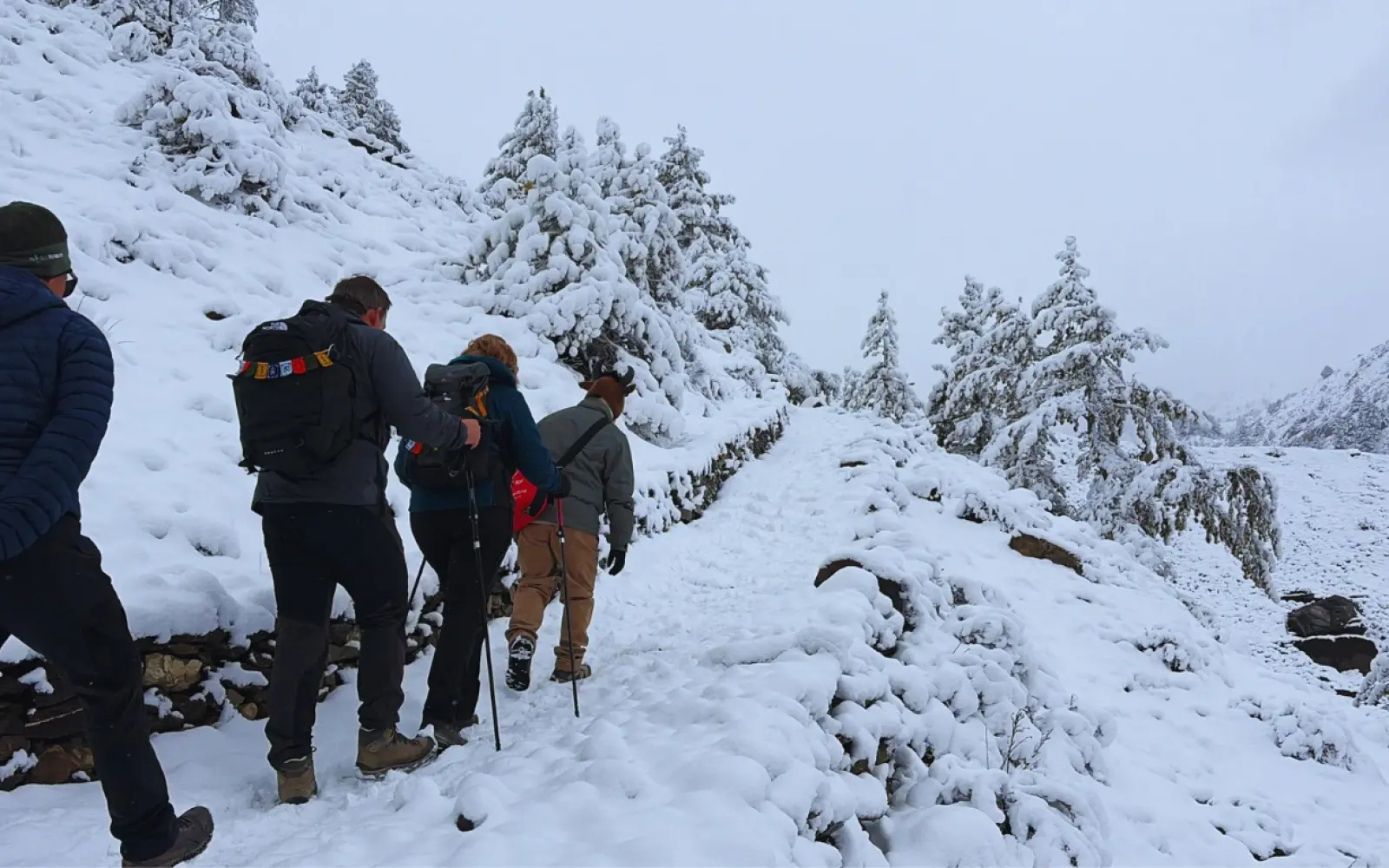

At Majestic Trails Nepal, we've guided hundreds of trekkers across the Annapurna Circuit. One question we hear constantly: "How difficult is the Annapurna Circuit Trek?"
The honest answer? Annapurna Circuit Trek difficulty varies significantly based on your fitness level, chosen season, and preparation.
This trek covers approximately 15 km per day, with 6–7 hours of daily walking. The total journey spans 10 days (ending at Muktinath or Jomsom) to 16 days (extending to Ghorepani).
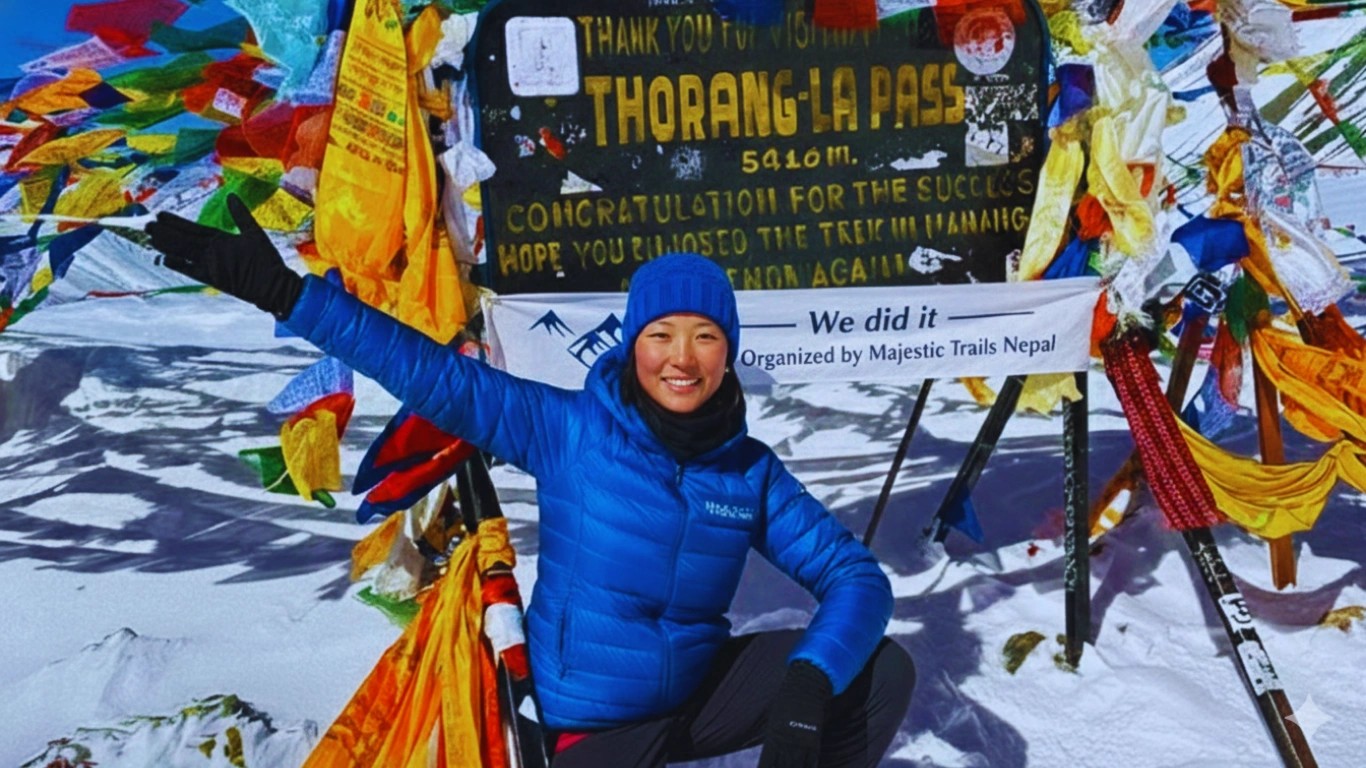
The circuit isn't technically demanding for most sections. However, Thorong La Pass difficulty at 5,416 meters presents the ultimate challenge. This is where preparation separates successful trekkers from those who turn back.
Unlike technical mountaineering expeditions, the Annapurna Circuit doesn't require advanced climbing skills. What it demands is sustained physical endurance, proper Annapurna Circuit acclimatization, and mental resilience. The combination of distance, altitude gain, and consecutive days of trekking creates a cumulative challenge that tests even experienced hikers.
We've seen ultra-marathon runners struggle with altitude while watching grandmothers in their sixties summit successfully. The difference? Respect for the mountain, proper preparation, and listening to your body.
Understanding what makes this trek challenging helps you prepare effectively. Here are the key Annapurna Circuit trek challenges we've identified through years of guiding experience:
The sustained nature of this trek creates unique physical challenges. Unlike day hikes where you return to comfort, the Annapurna Circuit requires consecutive days of effort with limited rest.
Your cardiovascular system, leg muscles, and joints face continuous stress. Annapurna Circuit trek stamina builds throughout the journey, but starting with a solid fitness foundation makes the experience enjoyable rather than merely survivable.
Nature controls much of the Annapurna Circuit Trek difficulty. You're entering an environment where conditions change rapidly and dramatically.
The thin air at altitude means your body works harder for every breath. Simple tasks like tying shoelaces or organizing your backpack become noticeably more exhausting above 4,000 meters.
While not requiring mountaineering expertise, certain sections demand technical awareness and proper equipment.
These Annapurna Circuit steep sections aren't constant, but when they appear, proper technique and focus become essential.
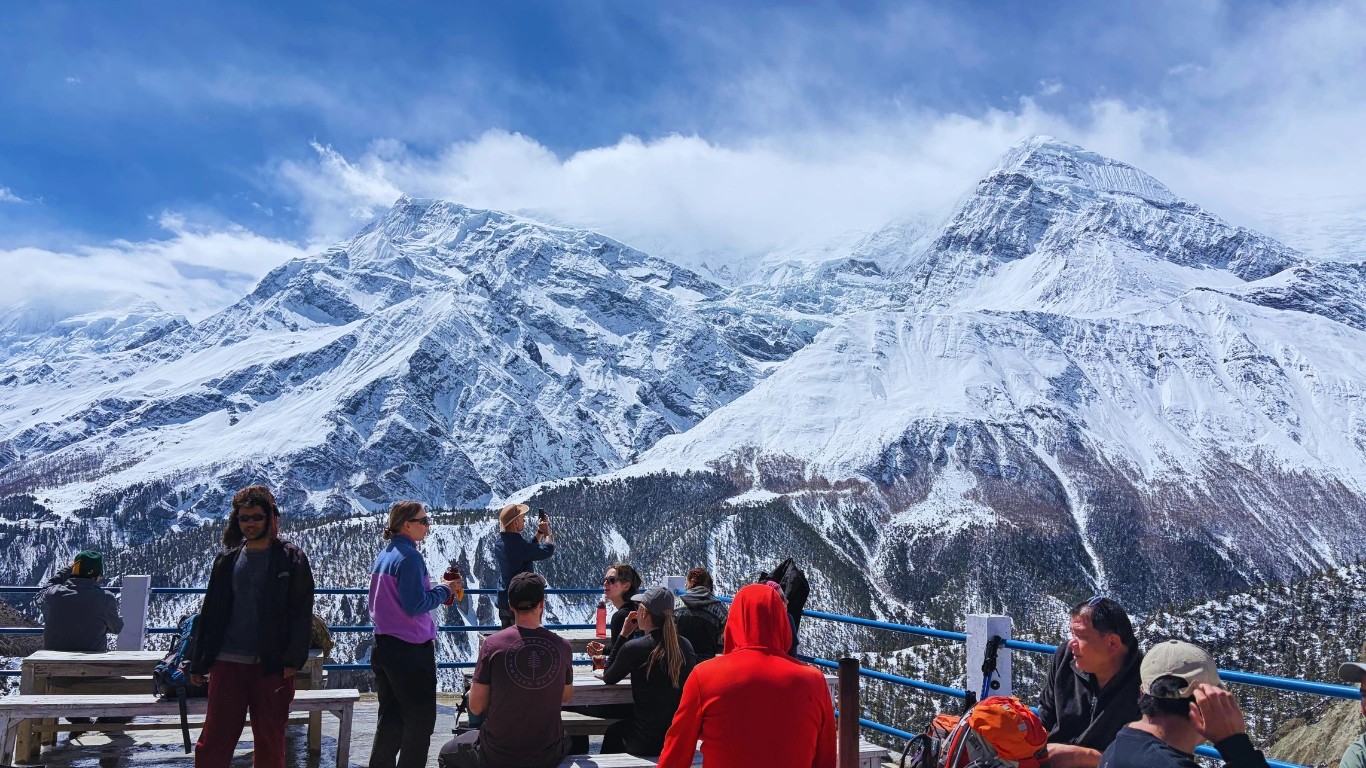
The Annapurna Circuit unfolds in distinct sections, each with unique demands. Understanding these helps you mentally prepare and pace your energy appropriately.
Trails are generally well-maintained and straightforward. Your body begins adjusting to increasing altitude during this phase. The scenery transitions from subtropical forests to alpine environments, providing visual rewards for your efforts.
These initial days aren't easy—they're still 6–7 hours of daily walking—but they're manageable for anyone with reasonable fitness. Use this time to find your rhythm, test your gear, and build confidence.
We always discuss two route options with our trekkers at this junction. Your choice significantly impacts your day's difficulty.
Lower Route via Humde:
Upper Route via Gharau and Ngawal:
Our recommendation? If you're managing your Annapurna Circuit trek stamina well and feeling strong, take the upper route. The views reward every extra step. However, if you're experiencing any altitude discomfort or unusually fatigued, the lower route is the smarter choice. There's no shame in energy conservation—you'll need it for Thorong La.
Manang deserves special mention. This village sits at approximately 3,540 meters and serves as the most important acclimatization point on the circuit.
The biggest Annapurna Circuit trekking mistake we see here? Overexertion during the acclimatization day. Trekkers feel energetic and decide to push hard on side trips. Then they wonder why they struggle beyond Yak Kharka.
Your acclimatization day should involve gentle movement—perhaps a short hike to Gangapurna Lake or Ice Lake—but not an exhausting push. "Climb high, sleep low" doesn't mean "climb until exhausted."
This section demands heightened awareness. The landscape becomes increasingly barren and exposed. After the ladder section, you'll cross a suspension bridge—take your time here, especially if you're uncomfortable with heights.
Watch carefully for the landslide area with falling stones—a genuine Annapurna Circuit trek hazard we always brief our groups about. Listen for rockfall sounds, observe the trail for fresh debris, and move quickly but carefully through these sections.
The trail between Yak Kharka and Thorong Phedi isn't technically difficult, but the altitude begins affecting everyone. You'll notice slower movement, increased breathing effort, and perhaps the first signs of altitude-related discomfort.
This is also where Annapurna Circuit trail conditions can vary dramatically based on recent weather. Snow, ice, or rain can transform straightforward sections into challenging obstacles.
The crux of Annapurna Circuit Trek difficulty lies in the high-altitude segments. Everything changes above 4,000 meters.
This 2 km stretch involves climbing 400–500 meters. On paper, it sounds manageable. In reality, at altitude, every step requires deliberate effort.
Your lungs will burn, your legs will feel impossibly heavy, and you'll stop frequently to catch your breath. This is completely normal. The gradient is steep, the air is thin, and your body is operating in survival mode.
Critical warning from our guides: Staying overnight at High Camp carries significant risk. High-altitude sickness is common at this elevation (approximately 4,900 meters). The temptation is understandable—starting closer to Thorong La means a shorter summit day. However, sleeping at this altitude significantly increases your risk of severe altitude illness.
We recommend High Camp overnight only for:
For the vast majority of trekkers, sleeping at Thorong Phedi (4,540 meters) and starting early provides the best balance of safety and success.
Thorong La Pass difficulty represents the culmination of everything that makes high altitude trekking Nepal challenging. The thin air, physical exhaustion, extreme cold, and technical terrain converge at 5,416 meters.
Here's our proven protocol developed over years of successful crossings:
Start Times:
Why so early? Multiple critical reasons:
The Ascent: Essential Tips
The descent to Muktinath is long—approximately 1,600 meters of elevation loss. Your knees will protest, your thighs will burn, and you'll question every decision that brought you to Nepal. Then you'll reach the bottom, feel the thicker air fill your lungs, and experience the overwhelming satisfaction of completing one of the world's great trekking challenges.
Annapurna Circuit seasonal difficulty dramatically impacts your experience. The same trail can range from straightforward to potentially dangerous depending on timing.
Safest season for trekking. This is when we guide the majority of our groups, and for good reason.
We recommend this window for first-time high-altitude trekkers, those with limited trekking experience, or anyone prioritizing safety and success probability.
The trade-off? Autumn is popular. Expect company on the trail and fuller teahouses. However, the circuit remains far less crowded than Everest Base Camp, and the social atmosphere often enhances the experience.
Spring brings its own character to the Annapurna Circuit. Rhododendron forests explode with color, temperatures warm noticeably, and post-winter clarity offers stunning visibility.
However, Annapurna Circuit snow conditions remain unpredictable. Even March 2026 forecasts suggest unexpected snowfall possibilities. Late-season storms can deposit significant snow at Thorong La, transforming the crossing from straightforward to genuinely challenging.
We've guided spring treks where Thorong La was virtually snow-free, and others where waist-deep snow required trail-breaking. The variability demands flexibility, contingency plans, and acceptance that weather may alter your itinerary.
Spring also brings:
Extremely cold and significantly harder. Winter Annapurna Circuit crossings require specialized preparation, equipment, and experience.
Only attempt winter trekking if you have:
Winter temperatures at Thorong La regularly drop below -25°C. The pass can be closed for days or weeks following heavy snowfall. Water sources freeze, making hydration challenging. Daylight hours shrink, limiting trekking windows.
That said, winter offers solitude, crystal-clear skies, and the profound satisfaction of completing one of Nepal's great treks in its most demanding season. Just understand what you're signing up for.
We generally advise against monsoon trekking on the Annapurna Circuit. While the Manang valley lies in a rain shadow and receives less precipitation than other regions, conditions still deteriorate significantly.
Challenges include:
Some hardy trekkers enjoy monsoon's solitude and dramatic cloud formations. Just recognize you're accepting significant compromises in experience quality and safety margins.
Proper Annapurna Circuit trek preparation starts with gear. We've seen expensive equipment failures and budget gear that performed flawlessly. Quality matters less than appropriateness and reliability.
Trekking poles: Critical for balance on steep sections and descent. They reduce knee strain by approximately 25% and improve stability on loose terrain. Adjustable poles allow customization for ascents versus descents.
Crampons: Essential for crossing Thorong La Pass, especially during icy conditions. Microspikes work for moderate snow; full crampons provide security in deeper snow or ice. Your guide will advise based on current conditions, but always carry them above Manang.
Down jacket: Temperatures plummet at altitude. A quality down jacket (rated to at least -10°C) is non-negotiable. It becomes your constant companion from Yak Kharka onward. Synthetic alternatives work but pack larger and offer less warmth-to-weight ratio.
Quality trekking shoes: This isn't the place to break in new boots. Your footwear should be:
Annapurna Circuit trek fitness requirements are achievable for most healthy individuals. You don't need athlete-level conditioning, but you do need specific preparation.
The gold standard: Practice 4–5 hours of daily walking with a weighted backpack. This specific duration matters because it replicates your actual trek days.
When to start? Begin training at least 6–8 weeks before departure. Ideally, start 12 weeks out. Consistency matters more than intensity.
How to structure training:
Include stair climbing in your routine. Stadium stairs, office building staircases, or outdoor step trails all work. The specific muscle engagement of continuous ascent can't be fully replicated other ways. Aim for at least one weekly session of 45-60 minutes of continuous stair climbing.
Focus on uphill training to simulate actual conditions. Find the steepest sustained incline available in your area. Treadmills set to maximum incline work if natural terrain isn't available. Your cardiovascular system and leg muscles need specific conditioning for continuous uphill work.
Annapurna Circuit trek stamina means sustained effort over consecutive days. Weekend warrior training—intense effort followed by rest—doesn't replicate this.
Your cardiovascular system needs conditioning for reduced oxygen environments. Long walks at your local incline, stadium stair sessions, or hiking with elevation gain all contribute.
Consider back-to-back training days: hike Saturday, hike again Sunday. This consecutive-day training reveals how your body responds to cumulative fatigue, which is exactly what the circuit demands.
The goal isn't athletic performance—it's sustainable endurance over consecutive days. A marathon runner's explosive capacity doesn't translate directly. A steady, day-after-day capability matters more.
Physical preparation gets attention, but Annapurna Circuit mental preparation deserves equal focus.
During training walks, practice:
These mental skills transfer directly to your trek. The physical challenge is real, but your mind determines whether you experience it as suffering or adventure.
After years of guiding, we've compiled the most frequent Annapurna Circuit trekking mistakes we witness. Learning from others' errors is far less painful than learning from your own.
Going without a guide remains the biggest mistake we observe. The counter-argument is understandable: the trail is well-marked, teahouses provide accommodation, and guidebooks offer detailed information.
However, experienced guides provide:
We've rescued numerous "independent" trekkers experiencing altitude sickness who didn't recognize their symptoms, made poor decisions about continuing upward, and found themselves in genuine medical emergencies. A guide would have identified the problem days earlier and adjusted the itinerary.
The cost of a guide is minimal compared to your total trek investment. The value is immeasurable.
Annapurna Circuit acclimatization determines your success. Here's our comprehensive approach to high altitude trekking Nepal safety, developed through years of guiding and refined through both successes and close calls.
Acute Mountain Sickness (AMS) affects approximately 75% of trekkers above 3,000 meters to some degree. Understanding the physiology helps you recognize and respond appropriately.
Common symptoms include:
More serious symptoms requiring immediate descent:
1. Start acclimatization before 2,500 meters—begin from Chame
Many itineraries drive to Manang, skipping lower elevations. This saves time but sacrifices crucial acclimatization. Starting from Chame (2,670 meters) or even lower allows gradual adaptation.
2. Drink minimum 3 liters of water daily
Hydration aids virtually every physiological process involved in altitude adaptation. Your urine should be clear to pale yellow. Dark urine indicates dehydration.
Practical tip: Fill your water bottle at every opportunity. Drink continuously while walking, not just during breaks.
3. Garlic soup and garlic in hot water—traditional remedies our guides swear by
The scientific evidence for garlic's altitude benefits isn't conclusive, but generations of Himalayan guides and porters rely on it. Garlic may improve circulation and act as a natural blood thinner. Even if the effect is partially placebo, the hot liquid aids hydration and the ritual provides comfort.
Many teahouses serve garlic soup specifically for altitude. Order it liberally from Manang onward.
4. Monitor with an oximeter—know your numbers
Track your blood oxygen saturation (SpO2) and heart rate daily, particularly at rest before sleep and upon waking.
General guidelines:
More important than absolute numbers are trends. A gradual decline is normal. Sudden drops or failure to recover overnight indicates acclimatization problems.
5. Ascend slowly—your body needs time to adjust
The standard advice "climb high, sleep low" means your highest point each day should exceed your sleeping elevation, but not by too much. Gaining more than 500 meters of sleeping elevation per day above 3,000 meters significantly increases AMS risk.
This is why proper itineraries include seemingly short days. You're not being lazy—you're being smart.
If symptoms worsen:
Annapurna Circuit mental preparation often determines success when physical preparation is equal. We've seen supremely fit trekkers quit because they weren't mentally ready for the sustained challenge.
At Majestic Trails Nepal, we build these mental preparation techniques into our pre-trek briefings because we've seen their impact firsthand. The difference between trekkers who summit smiling and those who summit suffering (or don't summit at all) is often entirely mental.
Here's an uncomfortable truth: parts of the Annapurna Circuit will hurt. You will be cold, tired, sore, and uncomfortable. Accepting this beforehand transforms suffering into expected challenge.
The question isn't whether you'll feel discomfort—you will. The question is whether you've prepared yourself to continue despite discomfort. That's entirely mental.
Reframe discomfort as information rather than punishment. Cold fingers? Time to use those hand warmers. Burning thighs? This means you're climbing effectively. Gasping for air? Your body is working exactly as designed for this altitude.
Annapurna Circuit Trek difficulty is real but absolutely conquerable with proper preparation. The combination of physical training, quality gear, respected acclimatization protocols, and mental readiness transforms this challenge into an achievable adventure.
We've watched first-time trekkers stand triumphantly at Thorong La Pass, tears freezing on their faces, overwhelmed by what they've accomplished. We've seen experienced mountaineers struggle because they underestimated preparation requirements. The difference is always in the approach.
The Annapurna Circuit doesn't care about your resume, your fitness apps, or your previous accomplishments. The mountain evaluates only your current preparation, your respect for the environment, and your decision-making under stress.
This is simultaneously humbling and empowering. Humbling because nature reminds you of your limitations. Empowering because proper preparation genuinely works. Follow the protocols outlined in this guide—the acclimatization schedules, the hydration requirements, the gear lists, the safety margins—and your success probability increases dramatically.
At Majestic Trails Nepal, we don't just guide you on trails—we prepare you for success. Every Annapurna Circuit trekking tip in this guide comes from real experience walking alongside trekkers just like you. We've celebrated summit successes and managed emergencies. We've navigated perfect weather and survived unexpected storms. All of that experience distills into one core message: respect the mountain, prepare thoroughly, and trust the process.
The Annapurna Circuit represents one of the world's great trekking experiences. The diversity of terrain, the cultural richness, the physical challenge, and the personal growth it catalyzes make it truly special. Thousands complete it successfully every year. With proper preparation and the right support, you can absolutely be one of them.
Ready to tackle the Annapurna Circuit? Contact our team at Majestic Trails Nepal for personalized guidance on preparing for your adventure. We'll assess your fitness level, recommend a customized training plan, ensure your gear list is complete, and design an itinerary matching your capabilities and goals.
The Annapurna Circuit is moderately difficult and achievable for beginners with proper preparation. You'll walk 15 km daily for 6–7 hours over 10-16 days. The main challenge is Thorong La Pass at 5,416 meters, requiring good cardiovascular fitness and altitude acclimatization. Train with 4–5 hours of daily walking with a backpack for 6–8 weeks before your trek. Include stair climbing and uphill sections to build trek-specific stamina. Beginners who prepare seriously and respect acclimatization protocols succeed regularly on this trek.
The climb from Thorong Phedi to High Camp (2 km with 400–500 m elevation gain) and crossing Thorong La Pass are the most challenging sections. The combination of extreme altitude (5,416 m), reduced oxygen, physical exhaustion from consecutive trek days, and technical terrain with icy sections and loose stones creates the ultimate test. Starting at 4:00–4:30 AM and ascending slowly helps manage the Thorong La Pass difficulty. The descent is also demanding—loose stones and tired legs increase injury risk, making trekking poles essential.
Prevention requires multiple strategies: Begin acclimatization before reaching 2,500 meters by starting from Chame rather than driving to Manang. Drink minimum 3 liters of water daily and monitor hydration through urine color. Consume garlic soup or garlic in hot water, traditional remedies Himalayan guides recommend. Use an oximeter to track blood oxygen saturation and identify problems early. Never skip acclimatization days, particularly at Manang. Avoid alcohol at Yak Kharka and Thorong Phedi. Ascend slowly—never gain more than 500 meters sleeping elevation per day above 3,000 meters.
Autumn (September–November) offers the safest conditions with stable weather, clear skies, optimal trail conditions, and predictable Annapurna Circuit snow conditions at Thorong La Pass. Spring (March–May) brings beautiful rhododendron blooms but unpredictable snowfall—even late March can see significant snow. Winter (December–February) is significantly harder due to extreme cold, with temperatures below -25°C at the pass and potential trail closures. Monsoon season (June–August) presents deteriorated trail conditions, limited visibility, and higher landslide risk. For first-time high-altitude trekkers, autumn provides the best balance of safety and success.
Yes, crampons are essential for crossing Thorong La Pass, especially during icy conditions. The pass regularly features icy sections requiring crampons for safe passage, particularly in early morning when you'll be crossing. The descent involves loose stones and slippery sections where proper traction prevents dangerous falls. Seasonal difficulty varies—autumn may require only microspikes while winter demands full crampons. Your guide will assess current conditions, but always carry crampons above Manang. They're mandatory safety equipment, not optional accessories. Trekking poles are equally important for balance during both ascent and descent.
We strongly advise against trekking without an experienced guide. While the trail is generally well-marked and teahouses provide accommodation, guides provide critical value: recognizing altitude sickness symptoms before they become emergencies, understanding current trail conditions and weather patterns, coordinating emergency evacuations if needed, and arranging logistics like horse rescue. Going without a guide is the most common Annapurna Circuit trekking mistake we observe. The cost of a guide is minimal compared to your total investment, while the safety value and local knowledge are immeasurable. Guides have literally saved lives by recognizing altitude problems trekkers didn't identify themselves.
The Annapurna Circuit Trek is one of the world’s most legendary long-distance treks — a journey that circles the Annapurna massif through Nepal’s most...

The ACT Nepal Trek stands as one of the most iconic high-altitude adventures on Earth, drawing thousands of trekkers annually to Nepal's magnificent A...
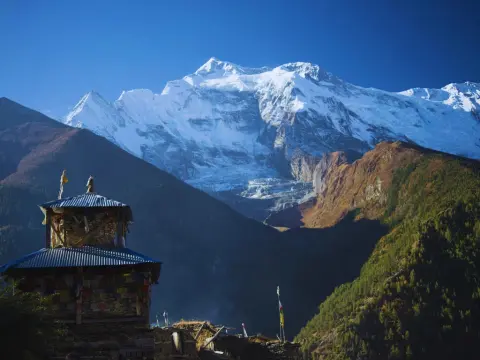
If you've ever scrolled through trekking forums or chatted with someone who's walked through Nepal's mountains, you've probably heard the phrase apple...
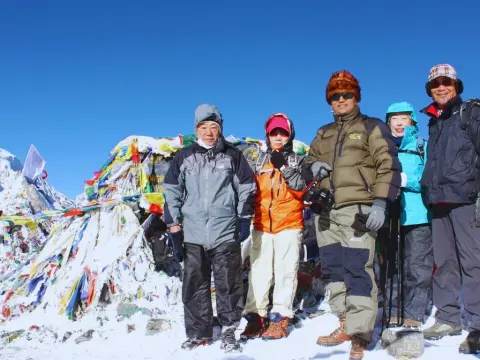
The Annapurna Circuit stands among the world's most celebrated trekking routes, drawing thousands of adventurers each year to experience its dramatic...
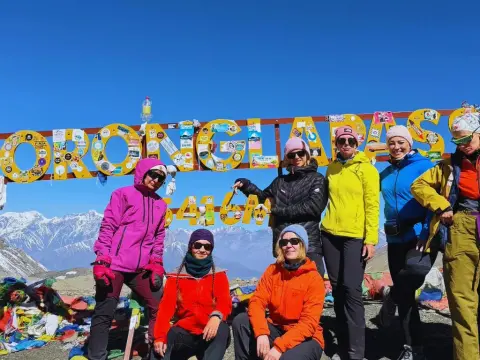
Choosing the right Annapurna Circuit trek agency is genuinely one of the most consequential decisions you will make in planning this journey. Not beca...
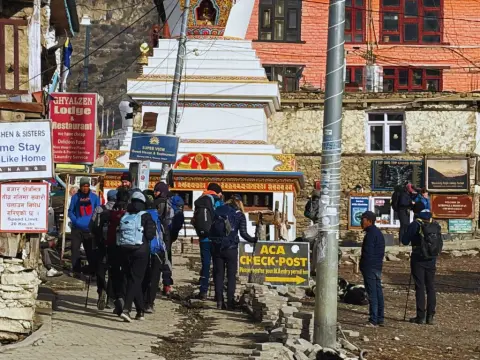
The Annapurna Circuit requires only one permit in 2026: the Annapurna Conservation Area Permit (ACAP). It costs NPR 3,000 for foreign nationals and NP...
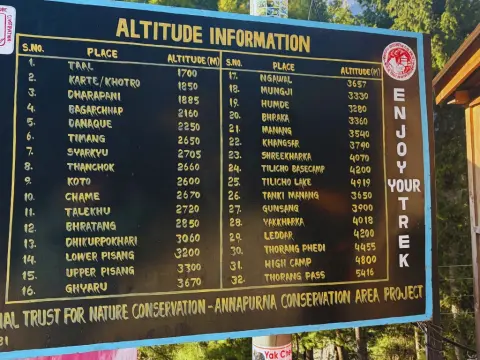
The Annapurna Circuit Trek altitude is both the greatest challenge and the most rewarding aspect of this legendary Himalayan journey. As a trekking co...
