
10 Days Spiritual Tour in Nepal: A Complete Pilgrimage Tour
14 Feb 2026
Nepal has always been more than a destination. It is a sanctuary where the physical and spiritual worlds intertwine beneath snow-capped peaks and with...

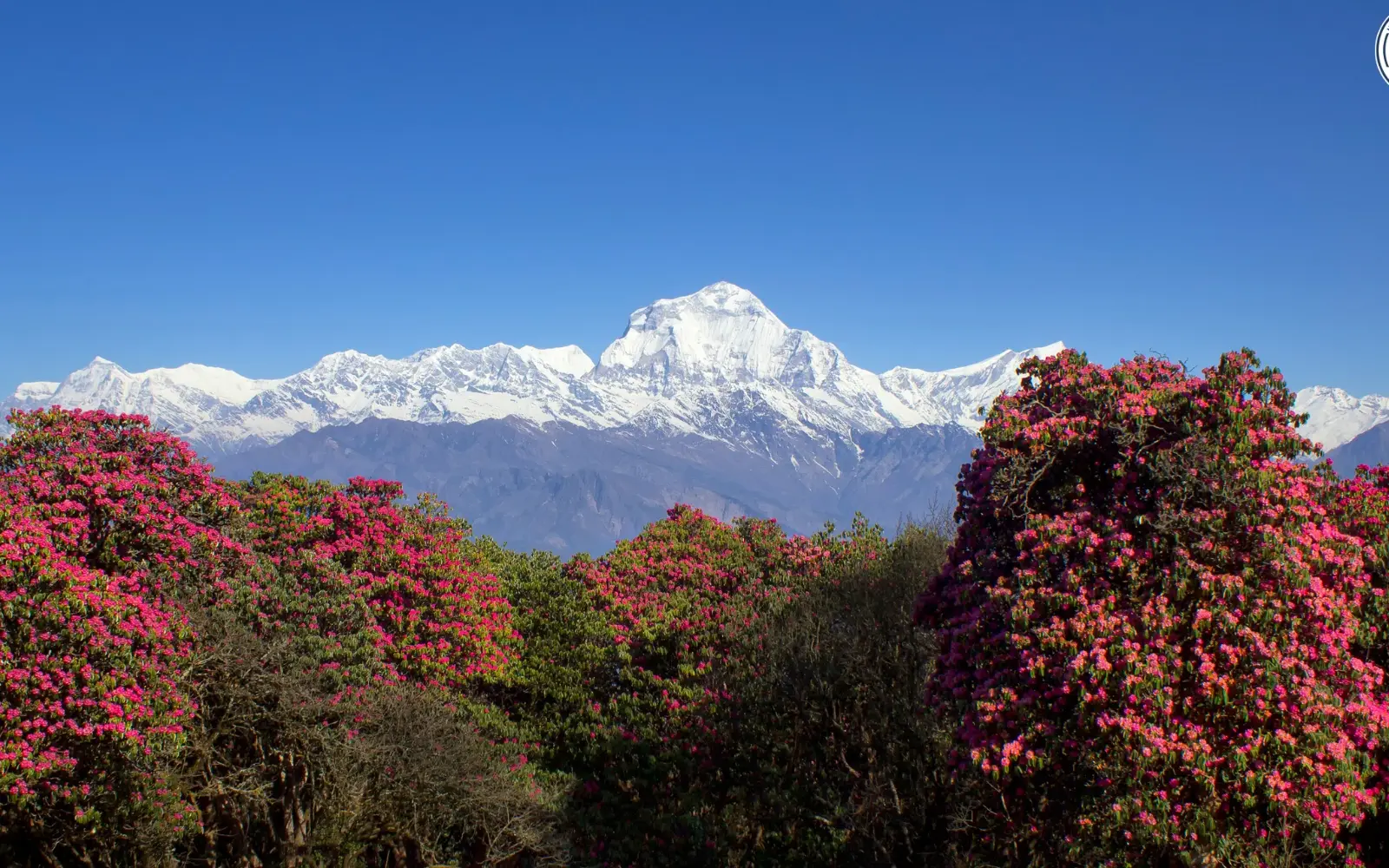

Every spring, Nepal's mid-hills transform into a botanical masterpiece. The Nepal rhododendron trek takes you through ancient forests ablaze with crimson, pink, and white blooms—Nepal's national flower painting entire mountainsides. This journey through the Annapurna region combines floral beauty with cultural richness, panoramic Himalayan views, and authentic Gurung hospitality.
If you're seeking a moderately challenging trek with stunning natural scenery, this is your moment to experience Nepal at its most colorful.
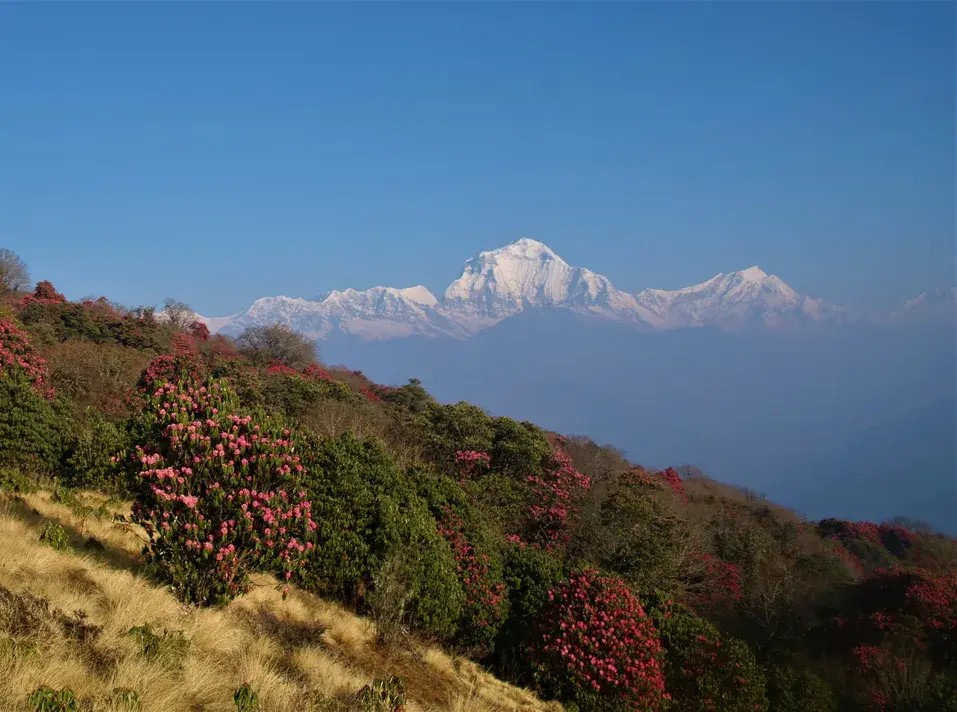
This trek delivers more than just flowers—it's a complete Himalayan experience perfectly timed with nature's grandest display.
What Makes This Trek Special:
The Annapurna Conservation Area's protected status ensures these forests remain pristine, offering photographers and nature lovers unparalleled access to Nepal's floral heritage.
Timing is everything for this trek. Nepal's rhododendron bloom follows elevation gradients, creating a moving wave of color.
Peak Bloom Windows:
Expert Tip: Book for late March if you want maximum bloom density. Early April offers warmer temperatures while maintaining excellent color. Our detailed Poon Hill rhododendron trek itinerary accounts for these seasonal variations.
Weather Considerations:
Late March sees cooler nights (5-10°C at altitude) but crystal-clear mornings. Early April brings slightly warmer conditions with occasional afternoon clouds. Both periods offer stable conditions far superior to monsoon or winter alternatives.
This carefully paced itinerary maximizes rhododendron exposure while allowing proper acclimatization.
Day 1: Arrival at Tribhuvan International Airport in Kathmandu and Transfer to Hotel
Meet our team upon arrival. Transfer to your hotel in Thamel. Evening briefing about the trek ahead. Rest and prepare.
Day 2: Drive or Flight from Kathmandu to Pokhara (822m)
Choose between a scenic 6-hour drive along the Trishuli River or a 25-minute mountain flight. Pokhara's lakeside setting offers views of Machapuchare. Final gear check and preparation.
Day 3: Drive to Nayapul and Trek to Ulleri (2,050m)
1-hour drive to Nayapul trailhead. Begin trekking through lower rhododendron and oak forests. The stone staircase to Ulleri (3,200+ steps) passes scattered red and pink blooms. 4-5 hours trekking.
Day 4: Trek from Ulleri to Ghorepani (2,874m)
Enter the rhododendron zone. Massive ancient trees create shaded tunnels filled with crimson canopies. Reach Ghorepani village as sunset paints Dhaulagiri golden. 5-6 hours trekking.
Day 5: Early Morning Trek to Poon Hill, Return to Ghorepani, Trek to Tadapani (2,630m)
Pre-dawn ascent (45 minutes) to Poon Hill for sunrise over 20+ Himalayan peaks. Return for breakfast. Trek to Tadapani through Nepal's densest rhododendron forests—the trek's visual highlight. 6-7 hours total.
Day 6: Trek from Tadapani to Ghandruk, Drive to Pokhara (822m)
Descend through rhododendron and bamboo forests to Ghandruk (1,940m), the region's largest Gurung settlement. Explore the village museum and traditional architecture. Drive back to Pokhara. 5-6 hours trekking + 2 hours driving.
Day 7: Drive from Pokhara to Kathmandu (1,400m)
Return journey with mountain memories fresh. Evening free for souvenir shopping or exploring Kathmandu's heritage sites.
Day 8: Transfer to the International Airport for Your Final Departure
Our team ensures timely airport transfer. Extension options available for Chitwan safari or Everest flights.
Check our complete Ghorepani Poon Hill trek guide for accommodation details and elevation profiles.
This trek's moderate grading makes it accessible while still feeling adventurous.
Physical Requirements:
Ideal For:
Not Recommended For:
Those seeking extreme challenges, high-altitude records, or remote wilderness isolation. This is a popular, well-serviced route during spring.
Transparent pricing helps you plan effectively for this adventure.
Main Cost Components:
Permits (Required):
Guide and Porter Services:
Accommodation:
Transportation:
Total Estimated Independent Cost: $450-600 USD
Package Advantages:
Our Annapurna rhododendron trekking experience includes permits, experienced guides, transportation, and guaranteed accommodation during peak season when teahouses fill quickly. Package pricing offers better value and eliminates logistical stress—explore our Nepal rhododendron trekking package for current rates and inclusions.
Photography Tips from Our Guides:
The best light occurs 30 minutes after sunrise when soft golden rays penetrate the forest canopy, making red rhododendrons glow. Overcast days actually enhance color saturation. Bring macro capabilities for detailed flower shots and wide-angle lenses for forest scenes.
Bloom Variation Insight:
Nepal hosts over 30 rhododendron species. At lower elevations (1,800-2,200m), expect tree rhododendrons (Rhododendron arboreum) with deep red blooms. Mid-elevations (2,200-3,000m) showcase pink and white varieties. The largest, oldest specimens—some 300+ years old—grow between Ghorepani and Tadapani, their massive trunks draped in moss and epiphytes.
Cultural Context:
Rhododendron (lali gurans in Nepali) symbolizes resilience in Nepali culture. The flower's connection to Himalayan identity runs deep—locals use petals for chutney and traditional medicine. Our Gurung guides share stories of these forests passed through generations, adding cultural depth to natural beauty.
The Nepal rhododendron trek offers a rare combination: accessible mountain adventure, cultural immersion, and natural spectacle timed to spring's grandest display. Limited teahouse availability during peak bloom season means planning ahead protects your preferred dates.
Explore our full Nepal Rhododendron Trek package with guaranteed departures, expert local guides, and seamless logistics from airport to airport. Contact Majestic Trails Nepal today to secure your spot in Nepal's most colorful season.
Have questions about bloom timing, fitness requirements, or custom itinerary options? Our trek specialists respond within 4 hours.
Peak bloom occurs mid-March through mid-April at trekking elevations (2,400-3,200m). Late April to early May still offers excellent displays at higher altitudes. Weather patterns can shift bloom timing by 7-10 days annually—our team monitors conditions and provides real-time updates before your departure.
While foliage remains year-round, blooms are strictly seasonal. Autumn (October-November) offers clear mountain views but no flowers. Winter sees occasional blooming at lower elevations, but cold and snow limit trekking. Spring is the only time for the full rhododendron spectacle.
Absolutely. This moderate trek requires no mountaineering skills or previous high-altitude experience. Basic cardiovascular fitness—ability to walk 5-6 hours with rest breaks—is sufficient. Our guides adjust pacing to group abilities, and the gradual altitude gain minimizes acclimatization concerns.
The routes overlap significantly. The "rhododendron trek" specifically targets spring departures when forests bloom, with itineraries optimized for flower viewing. Standard Poon Hill treks run year-round, focusing more on mountain panoramas than seasonal flora. Spring timing makes all the difference.
Spring is popular, especially late March to early April. Main villages (Ghorepani, Ghandruk) see 200-300 trekkers nightly during peak weeks. However, trails disperse crowds, and the experience never feels overcrowded compared to Everest Base Camp. Booking ahead secures better teahouse rooms.
Independent trekking is legally permitted with proper permits. However, guides enhance the experience significantly—they identify rhododendron species, share cultural insights, navigate trail junctions, and handle lodge bookings during busy periods. Our detailed Poon Hill rhododendron trek itinerary includes experienced naturalist guides who maximize your botanical experience.
For forest scenes, a wide-angle lens (16-35mm) captures canopy tunnels. A 24-70mm or 24-105mm covers most situations. Macro enthusiasts should bring a 90-100mm macro lens for flower details. Bring extra batteries (cold drains power quickly) and protective rain covers. Smartphone cameras work surprisingly well for social media content.
Yes—diversity is remarkable. Deep red Rhododendron arboreum dominates at 1,800-2,400m. Pink varieties (R. campanulatum) appear at 2,400-3,000m. White species bloom above 2,800m. Between Ghorepani and Tadapani, you'll encounter 10+ species ranging from crimson to pale pink to cream-white, often blooming simultaneously.
Blooming is extremely reliable during late March-April. Climate records show consistent displays for 30+ years during this window. The only variable is intensity—some years produce more prolific blooms than others. Even in lighter years, forests still deliver spectacular color. We monitor bloom reports from guides on the trail and inform clients of exceptional or below-average seasons.
Absolutely. Extensions to Mardi Himal, Khopra Ridge, or Mohare Danda add 3-5 days and access different rhododendron ecosystems. These less-traveled routes offer quieter forest experiences. Alternatively, the Langtang region provides excellent April blooms in a different landscape. Contact us about custom itineraries combining multiple rhododendron zones.
Minimal. Maximum elevation (Poon Hill at 3,210m) rarely causes significant altitude sickness with proper pacing. Some trekkers experience mild headaches or sleep disturbances at Ghorepani—symptoms that resolve with rest and hydration. The gradual ascent profile and relatively moderate maximum altitude make this one of Nepal's safest treks for altitude concerns.
Teahouses exist in all overnight stops, but prime rooms fill quickly mid-March to mid-April. Booking through our Nepal rhododendron trekking package guarantees accommodation even during the busiest weeks. Independent trekkers may face limited choices or room-sharing during peak periods. We maintain strong relationships with quality teahouse owners.
Layering is essential. Daytime temperatures range 15-20°C (comfortable trekking), but mornings and evenings drop to 5-10°C at altitude. Pack:
Full packing list provided upon booking.
Yes, for children 12+. The moderate terrain, short daily distances, and comfortable teahouse accommodations suit active families. Younger children (8-11) can manage with proper preparation and realistic expectations. We've guided numerous family groups successfully. Private family departures allow flexible pacing suited to children's energy levels.
Major villages (Ghorepani, Tadapani, Ghandruk) offer WiFi for $2-5 USD daily, though speeds are slow and unreliable. Ncell phone service works in most areas with purchased local SIM cards. Many trekkers appreciate the digital detox opportunity—rhododendron forests offer perfect reasons to disconnect.

Nepal has always been more than a destination. It is a sanctuary where the physical and spiritual worlds intertwine beneath snow-capped peaks and with...
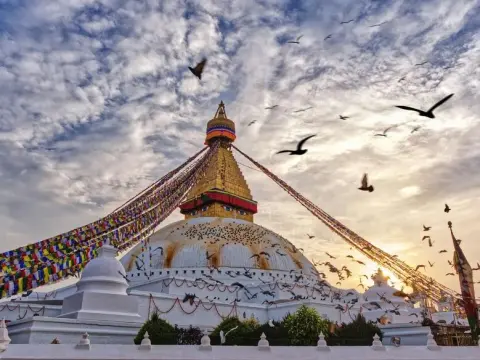
Nepal is far more than a trekking destination nestled among the world's highest peaks. This ancient Himalayan kingdom pulses with profound spiritual e...

If you've ever wondered why trekking in Nepal captivates adventurers from every corner of the globe, the answer lies in its extraordinary combination...

Nepal is a land where nature paints its most spectacular masterpieces. From the towering peaks of the Himalayas to serene alpine lakes, dense jungles...
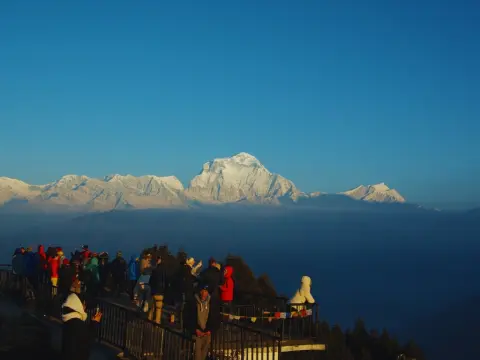
Poon Hill stands as Nepal's most accessible high-altitude viewpoint, rising to 3,210 meters (10,531 feet) above sea level in the Annapurna region of w...
Planning your Himalayan adventure starts with understanding the Poon Hill trek cost clearly. This guide breaks down every expense you will face on thi...
