
Mardi Himal Trek Itinerary: Complete Guide from Kathmandu
22 Feb 2026
Planning your Mardi Himal Trek itinerary starts with understanding the complete journey from Kathmandu. International travelers arrive at Tribhuvan In...

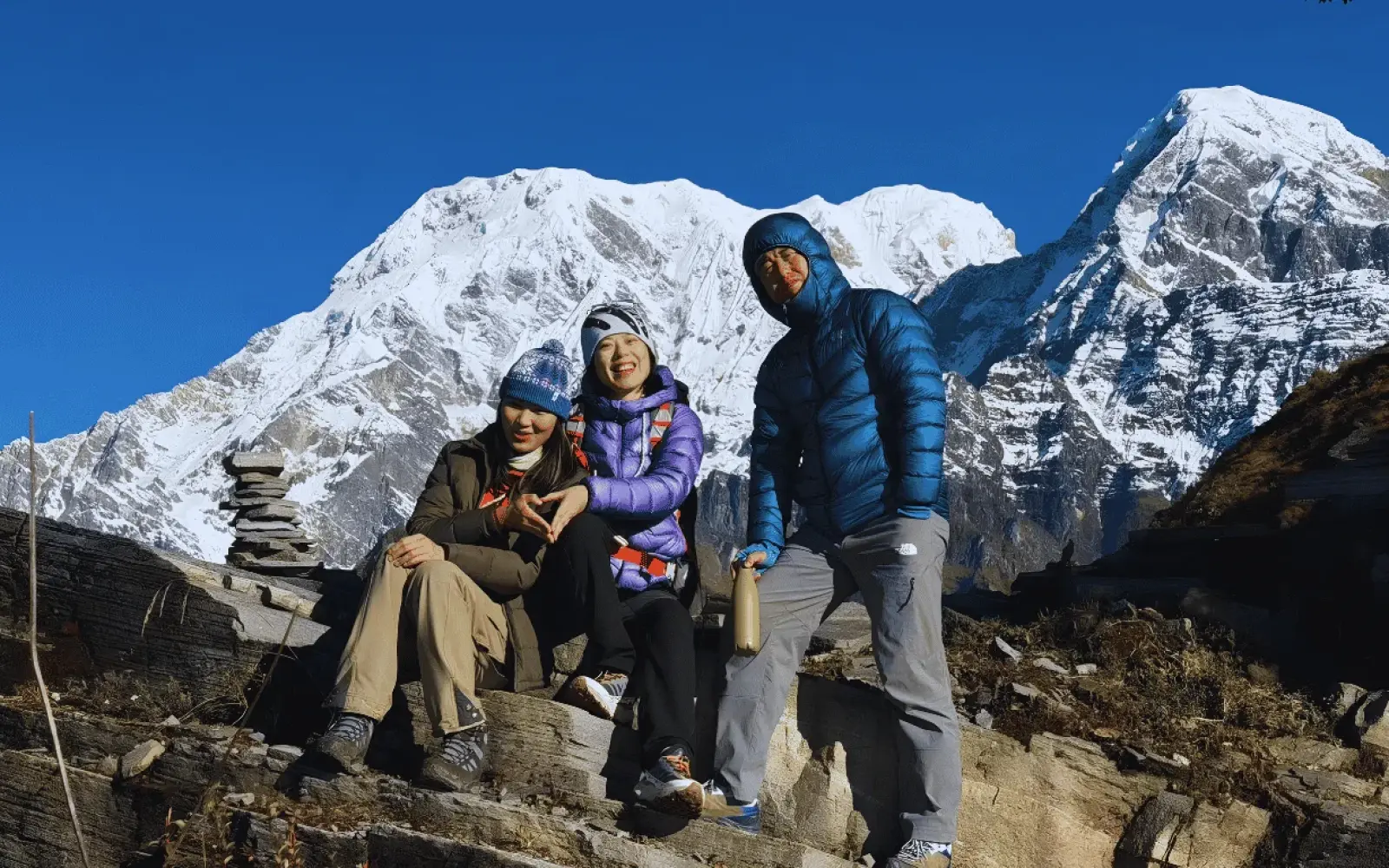

The Mardi Himal Trek is a moderate trek that many people underestimate. It needs no climbing skills, and fit beginners do it every season. But it climbs fast, on stone stairs for much of the way, from Kande (1,770m) to High Camp (3,580m) in three walking days, including a 980m climb in a single day from Forest Camp. Then comes summit day: a 4am start to the Upper Viewpoint (4,200m) or Base Camp (4,500m), often on frozen, slippery ground, followed by a long descent the same day.
Trekkers who go slowly, use a porter, and train on stairs find it very manageable. Those who rush, carry heavy packs, or treat it as "easy" are the ones who struggle.
Key Takeaways
The whole guide in seven points.
The key facts, based on our 9-day Mardi Himal Trek.
| Difficulty | Moderate |
|---|---|
| Highest night | High Camp, 3,580m (11,745 ft) |
| Highest point | Upper Viewpoint, 4,200m; Base Camp, 4,500m (optional) |
| Hardest walking day | Forest Camp to High Camp |
| Hardest overall day | Viewpoint hike and descent to Low Camp |
| Terrain | Stone stairs, forest trails, steep ridge |
| Technical skills | None; microspikes if icy |
| Trekking days | 5 days (4 for fit trekkers) |
| Best seasons | October–December and April |
Most websites call Mardi Himal "easy to moderate". Watch trekkers' own videos and a different picture appears.
None of this makes Mardi Himal too hard. It means you should plan it as a proper mountain trek, not a long walk.
Mardi Himal gets harder every day until summit day, then asks you to come almost all the way down again. This is how much you climb and descend each day on our itinerary.
Day 7, the walk from Low Camp down to Siding and the jeep to Pokhara, is all downhill too.
The first two walking days climb gently in height, from Kande (1,770m) via Deurali (2,125m) to Forest Camp (2,600m), but much of it is on stone stairs through forest. With a porter carrying your bag, these are comfortable days. Carrying your own full pack, they're tiring: in one 2026 video, a group carrying their own bags managed only about 1.5 km in their first 90 minutes, and couldn't reach Forest Camp on day one as planned. In the monsoon and early spring, this is also where you'll meet mud, rain, and leeches.
This is the day most trekkers remember. You climb about 980m in one day, from Forest Camp (2,600m) past Low Camp and Badal Danda to High Camp (3,580m). The forest thins, the steps continue, and the air gets noticeably thinner above 3,000m. One trekker in the videos called it nothing but "stairs, stairs, stairs"; another said she was out of breath early on.
The lesson from every video is the same: start early and walk slowly. Groups who started early reached High Camp by midday; one group that started late was still two hours short at 3:40pm, with darkness at 6pm. It's also the biggest jump in sleeping height on the trek, so go easy and tell your guide about any headache. See our Mardi Himal altitude guide for the details.
Summit day starts at about 4:00am by headlamp, climbing roughly 620m of steep, open ridge to the Upper Viewpoint (4,200m). Trekkers in the videos took about 2 hours to reach the Viewpoint. It's cold, often below freezing, and in winter and early spring the path can be frozen and slippery. Above 4,000m, breathing gets hard and your heart races; one trekker described stopping every few steps to catch their breath. Most people turn round at the Viewpoint; Base Camp (4,500m) is about another hour or more beyond it.
After the Viewpoint, you return to High Camp for breakfast and keep going down to Low Camp (2,970m): about 1,230m of descent on the same day as your 4am climb. The next morning you continue down to Siding. Steep, often wet steps and tired legs make this where knees, not lungs, decide how hard the trek feels. Trekking poles help a lot.
Most trekkers finish their climb at the Upper Viewpoint (4,200m), and most itineraries, including ours, are built around it. Going on to Base Camp (4,500m) adds about 300m of height and another hour or more along a narrower, more exposed ridge, all above 4,000m where every step costs more breath.
In two of the four trekking videos we looked at, Base Camp was where things got serious. One solo trekker turned back at the Viewpoint because locals warned the icy path to Base Camp wasn't safe without crampons. A group of friends pushed on but had to stop and rest repeatedly around 4,300m, hearts pounding, before reaching the top. If the morning is clear and you feel strong, it's a wonderful extra; if not, the Viewpoint gives you the same mountains. Read more in How High Is Mardi Himal Base Camp?
Mardi Himal is lower than Everest or the Annapurna Circuit, but it's not too low for altitude sickness, because it climbs fast. The key numbers:
Our guides check your blood oxygen with a pulse oximeter every evening.
Some websites, and Google's AI Overview, say Mardi Himal needs no crampons. That's true in autumn, but not all year.
If you're trekking between December and March, ask us before you go. Your guide will tell you whether you need them, and microspikes are easy to hire in Pokhara.
The same trail feels very different through the year. These are the conditions our guides see, month by month in brief; for the full picture, read our guide to the best time to trek Mardi Himal.
| Season | What makes it harder | What makes it easier |
|---|---|---|
| Autumn (Sept–Nov) | Crowds, full lodges | Dry trails, clear skies |
| Winter (Dec–Feb) | Freezing nights, snow and ice | Quiet trails, clear mornings |
| Spring (Mar–May) | Afternoon clouds, early snow | Mild weather, blooming rhododendrons |
| Monsoon (Jun–Aug) | Rain, leeches, slippery trails | Quiet trails, occasional clear views |
Whatever the season, expect the weather to change fast up high: trekkers in the videos went from sunshine to hail to clear sky within a single afternoon.
You can walk Mardi Himal without a guide: the trail is well signposted, and many trekkers use offline maps. When we last checked, in October 2026, the guide rule wasn't being enforced on the Annapurna routes. But going without help does make it harder, in three ways:
Yes. Fit beginners complete Mardi Himal every season, and it's a popular first Himalayan trek. The beginners who enjoy it most train on stairs beforehand, use a porter, walk slowly, and treat the Viewpoint as a perfectly good summit.
The trek is a great fit if you:
Consider the Ghorepani Poon Hill Trek instead if you:
These are the Annapurna treks people most often weigh up against each other. This is how they compare on our itineraries.
Mardi Himal is a moderate trek of 9 days on our itinerary. The highest night is at High Camp (3,580m), and the highest point is the Upper Viewpoint at 4,200m. Its main challenge is the steep climbs: stairs from the start, and a fast climb up the ridge to High Camp. Crowds are moderate, busier in peak season.
ABC is also moderate, but longer at 14 days. Both the highest night and the highest point are at Annapurna Base Camp itself (4,130m). Its main challenge is the long stone stairs, day after day, and it's one of the busiest treks in the region.
Poon Hill is the gentlest of the four: easy to moderate, over 8 days. You sleep no higher than Ghorepani (2,860m), and the highest point is the sunrise viewpoint on Poon Hill (3,210m). The main challenge is the long flight of stone stairs up to Ulleri. It's busy, especially in spring and autumn.
Khopra Ridge is moderate and takes 12 days. The highest night is at Khopra Ridge (3,660m), and the highest point is Khayer Lake (4,660m) for those who take the side trip. Its main challenge is the steep descents, especially down to Swanta. It's the quietest of the four, with small community lodges.
In short: Mardi Himal is harder than Poon Hill and about as hard as ABC in effort, but shorter. ABC asks for more days and more stairs; Mardi asks for a faster climb and one hard summit morning. Khopra is similar in effort but longer, lower, and more remote. Read more in How Difficult Is the Khopra Ridge Trek?
The preparation that matters most is for stairs, up and down, several days in a row, and one early, cold, high morning.
Bibek's notes from guiding Mardi Himal in every season:
These are the questions people ask us, and Google, most often about how hard Mardi Himal is.
It's moderate. It needs no climbing skills, but it has a lot of stairs, a 980m climb to High Camp in one day, and an early, cold summit morning above 4,000m. Many trekkers find it harder than they expected, mainly because they rushed or carried heavy packs.
Yes, with some preparation. Train on stairs for 8–12 weeks, use a porter, walk slowly on the day to High Camp, and treat the Viewpoint (4,200m) as your summit unless the morning is clear and you feel strong. In winter, go with a guide and the right gear for ice.
They're similar in effort but hard in different ways. Annapurna Base Camp is longer, with more days of stone steps; Mardi Himal is shorter but climbs faster and has a tougher summit morning. ABC reaches 4,130m; Mardi's Viewpoint is 4,200m and its Base Camp 4,500m.
Most days are around 4–6 hours. The day from Forest Camp to High Camp feels longest because of the climb, and summit day is the longest in total: about 2 hours up to the Viewpoint in the dark, back to High Camp for breakfast, then down to Low Camp.
Yes. Poon Hill tops out at 3,210m and sleeps at 2,860m; Mardi Himal sleeps at 3,580m and climbs to 4,200m or 4,500m. Poon Hill is the better choice for a first, gentle trek.
Children who walk regularly can do it, but plan extra days, keep the pace slow, and watch closely for altitude symptoms, as children may not say when they feel unwell. Many families stop at High Camp or the Viewpoint rather than going on to Base Camp. Talk to us about your children's age and experience before booking.
Our 9-day Mardi Himal Trek runs all year, from USD 750 per person, with a licensed guide who sets the pace to you, checks your blood oxygen every evening, and decides on summit morning whether the ridge is safe. We can add a night at Low Camp for a gentler climb. Message Bibek on WhatsApp (+977 9700937981) with your dates.
Written by
Founder & Trekking Guide
Bibek Dhamala is the CEO of Majestic Trails Nepal, a locally operated trekking company based in Thamel, Kathmandu. With a background in trekking and mountain guiding, he understands the challenges of Himalayan adventures and the importance of responsible tourism, experienced local guides, and personalized service. Through Majestic Trails Nepal, Bibek aims to help trekkers explore Nepal’s Himalayas safely and authentically, from Everest Base Camp and the Annapurna region to the remote trails of Manaslu. He is passionate about supporting local communities, creating meaningful trekking experiences, and sharing the natural and cultural beauty of Nepal with travelers from around the world.
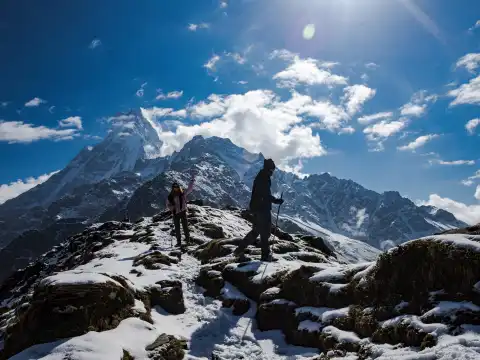
Planning your Mardi Himal Trek itinerary starts with understanding the complete journey from Kathmandu. International travelers arrive at Tribhuvan In...
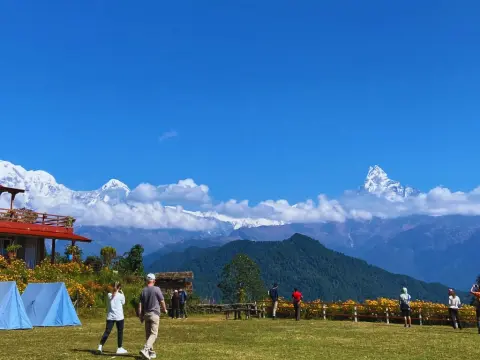
The Mardi Himal Trek is a short, beginner-friendly trek in the Annapurna region of Nepal that reaches Mardi Himal Base Camp at 4,500 m, beneath the to...

The best time to trek Mardi Himal is October and November. After the monsoon, mornings at High Camp are the clearest of the year, the trail is dry, an...
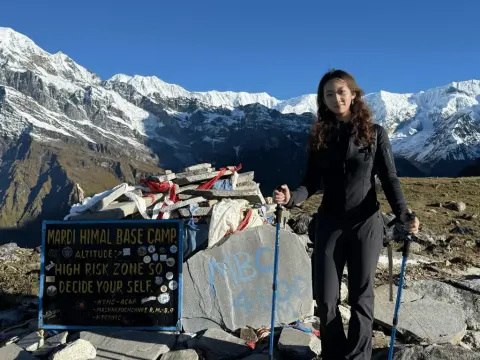
Mardi Himal Base Camp is 4,500 metres (14,764 feet) above sea level. It's the highest point you can reach on the Mardi Himal Trek in the Annapurna reg...
