
Nepal EBC Trek Map – Complete Everest Base Camp Route Overview
22 Feb 2026
The Nepal EBC trek map displays the complete trekking route from Lukla (2,860m) to Everest Base Camp (5,364m) through the Khumbu Valley. This map show...


Yes, the Everest Base Camp trek is completely safe and operating normally following the August 26, 2026 Nepal flood. The Everest region is located over 200 kilometers east of the flood-affected areas, in an entirely different watershed. All trails, teahouses, and flights to Lukla are functioning normally. Guests currently on the trail have reported no impact.
If you have an EBC trek booked in the coming weeks or months — or you're planning one — this guide gives you the honest picture of the current situation, what's changed (very little), and what to expect.
Our thoughts remain with everyone affected by the August 26 flood in Rasuwa district. This guide covers the Everest region specifically because that's what many trekkers with existing bookings need answers about right now.
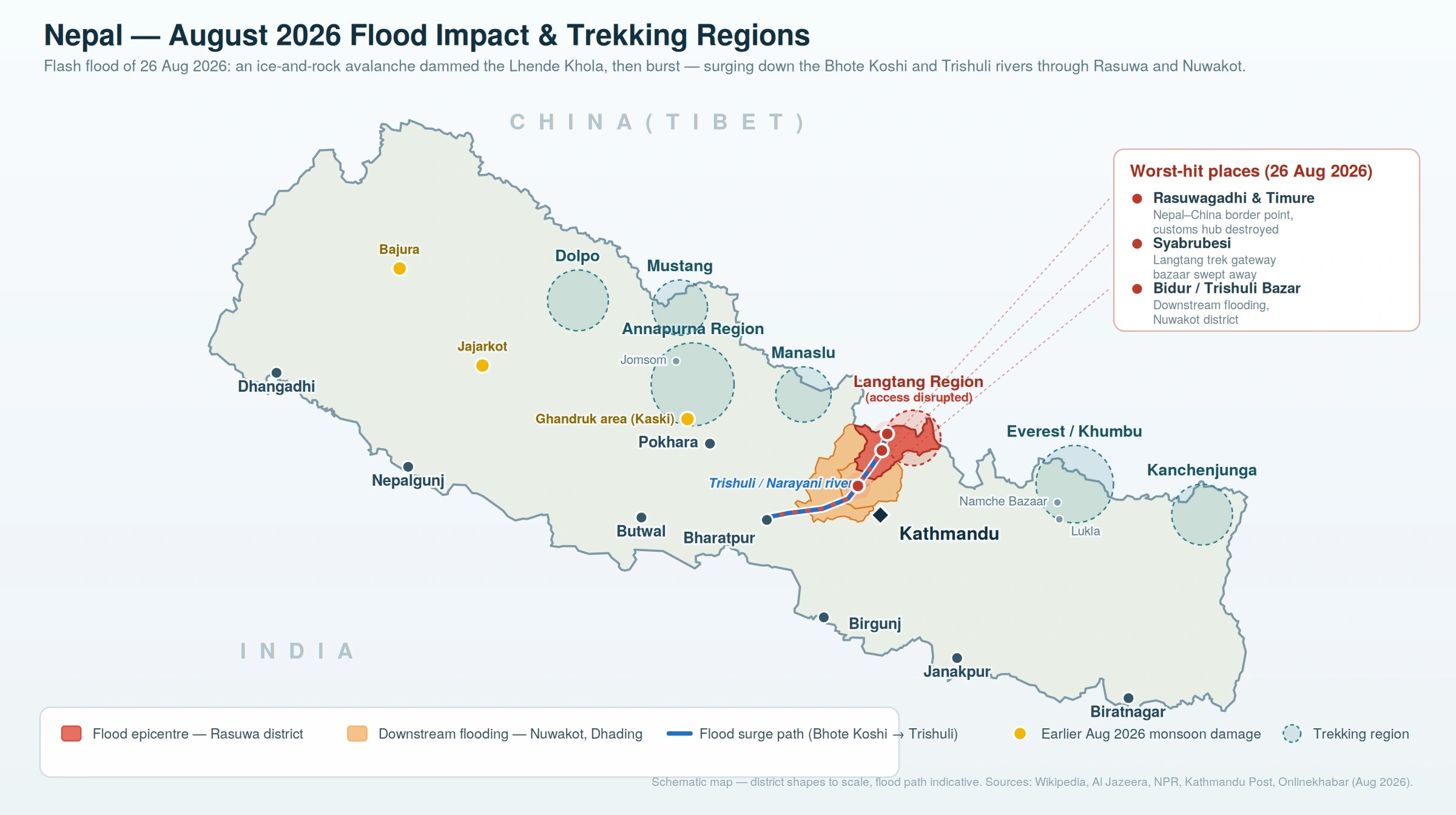
The Everest Base Camp trek is not affected by the August 26, 2026 Nepal flood. Here's why:
The flood struck the Bhotekoshi River corridor in Rasuwa district, in Nepal's north-central region near the Tibet border. The Everest region is in Nepal's northeast, in a completely separate river system (the Dudh Kosi watershed). The two regions are not connected by geography, waterways, or transportation routes.
Everest region trekkers fly into Lukla from Kathmandu, then walk north through the Khumbu valley. None of this route touches the affected Rasuwa or Nuwakot districts. The flood did not affect the Solukhumbu region where the EBC trek takes place.
Very little about the EBC trek itself has changed, but a few practical adjustments apply for combined itineraries.
That's essentially it. The EBC trek itself and everything about your Everest region experience is proceeding normally.
Your trek proceeds as scheduled. Your operator should have already contacted you to confirm this. If they haven't, contact them now.
Standard EBC itineraries (14 days from Kathmandu) are running normally. The proper acclimatization schedule — including 2 nights at Namche Bazaar and 2 nights at Dingboche — remains what we recommend regardless of any external situation. Real acclimatization is why we maintain a 95.7% completion rate on EBC treks.
If your itinerary includes ground transportation to Pokhara or Chitwan after your EBC trek, discuss with your operator about switching that section to domestic flights. Kathmandu to Pokhara is 25 minutes by flight versus 5-6 hours by road.
If your EBC trek is booked but you're feeling anxious because of news coverage, contact your operator for reassurance. A legitimate operator should be able to explain exactly why your specific trek is not affected by the flood.
For context, here's what an EBC trek looks like — unchanged by current events.
Duration: 14 days from Kathmandu return
Highest point: Kala Patthar at 5,545m
Base Camp altitude: 5,364m
Best months: October, November, March, April, May
Difficulty: Challenging but achievable for reasonably fit trekkers
Guide requirement: Mandatory (government-licensed guide required since April 2023)
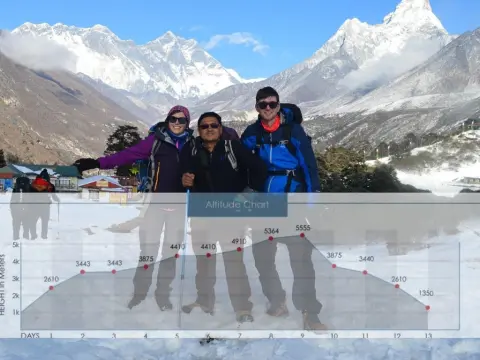
Typical route: Kathmandu → Fly to Lukla (2,860m) → Phakding (2,610m) → Namche Bazaar (3,440m, 2 nights acclimatization) → Tengboche (3,860m) → Dingboche (4,410m, 2 nights acclimatization) → Lobuche (4,940m) → Gorak Shep (5,164m) → Everest Base Camp (5,364m) → Kala Patthar (5,545m sunrise) → Descend to Lukla → Fly to Kathmandu
EBC trek cost with Majestic Trails Nepal: From USD 1,380 per person including licensed guide, porter, all permits, all meals during trek, accommodation, transport, and included gear (sleeping bag, down jacket, duffel bag).
Some operators sell shortened 10-day EBC itineraries. During normal times we advise against these. During any period when guests may be feeling extra pressure or anxiety, we advise against these even more strongly.
Cutting acclimatization days to save time or money significantly increases altitude sickness risk. The industry average for shortened EBC treks is a 40-75% completion rate. Our 14-day itinerary maintains a 95.7% completion rate.
At altitudes above 4,000 meters, your body needs time to adjust. Skipping that time doesn't just risk your summit — it risks serious medical complications like High Altitude Pulmonary Edema (HAPE) and High Altitude Cerebral Edema (HACE). We refuse to sell shortened EBC treks. If any operator is trying to sell you one, walk away.
If you're not booked with us and want to confirm your operator's information is accurate, here are ways to verify independently.
The Everest region is one of the best places in the world to trek right now. The routes are operating normally, teahouses are welcoming guests, and the recent monsoon rains have cleared the air for the peak trekking season starting in October.
If you're weighing whether to book EBC given the current news, here's the honest answer: don't cancel your EBC plans because of a flood that didn't affect the region. Do choose a licensed Nepal-based operator who can explain the situation honestly. Do consider comprehensive travel insurance that includes helicopter rescue. Do book early for the October-November peak season, which is filling up faster than usual as people shift plans away from affected regions.
October and November remain the best months for EBC. Clear post-monsoon skies, moderate temperatures at altitude, and stable weather. If you can travel during these months, this is when we'd recommend going.
March, April, and May are the second-best window. Spring conditions offer rhododendron blooms at lower elevations, clear mountain views, and gradually warming weather. Book 3-6 months ahead for these months.
No. The EBC trail is in Nepal's Solukhumbu region, in the Dudh Kosi watershed. The flood affected the Bhotekoshi River corridor in Rasuwa district — a completely separate region over 200 km away.
Yes. All flights from Kathmandu (or Ramechhap during peak season) to Lukla are running on regular schedules with Tara Air, Summit Air, and Sita Air.
Yes. All Sherpa-owned lodges from Phakding through Gorak Shep are operating normally.
No. If your dates are already booked, they proceed as planned.
The flood was a localized event affecting one specific river corridor. Most of Nepal's trekking regions are operating normally, including all the major routes (Everest, Annapurna, Manaslu, Mustang).
Verify independently. Contact Nepal Tourism Board at 1234. Check with multiple operators. Look at recent guest reviews. If an operator is telling you EBC is affected, they may be misinformed or they may be steering you toward alternatives for reasons that don't reflect actual conditions.
Yes. Just plan to fly between Nepal cities during the current period rather than take ground transport. Kathmandu to Pokhara is 25 minutes by flight.
Not typically. The best months for EBC are October, November, March, April, and May. If you're planning for those months, you're in the ideal window.
Standard comprehensive travel insurance is fine. Just ensure your policy includes helicopter rescue evacuation coverage, which every EBC trekker should have regardless of external events.
Check their Company Registration Number, Tourism License Number, and Head Guide License Number through Nepal government offices. Verify their physical office in Kathmandu via Google Maps. Read recent verified reviews on TripAdvisor and Google Business.
If you have questions about EBC trekking or want to plan a trek for 2026 or 2027:
WhatsApp: +977 9700937981
Email: info@majestictrailsnepal.com
Office: Thamel, Kathmandu
Written by
Founder & Trekking Guide
Bibek Dhamala is the CEO of Majestic Trails Nepal, a locally operated trekking company based in Thamel, Kathmandu. With a background in trekking and mountain guiding, he understands the challenges of Himalayan adventures and the importance of responsible tourism, experienced local guides, and personalized service. Through Majestic Trails Nepal, Bibek aims to help trekkers explore Nepal’s Himalayas safely and authentically, from Everest Base Camp and the Annapurna region to the remote trails of Manaslu. He is passionate about supporting local communities, creating meaningful trekking experiences, and sharing the natural and cultural beauty of Nepal with travelers from around the world.
The Nepal EBC trek map displays the complete trekking route from Lukla (2,860m) to Everest Base Camp (5,364m) through the Khumbu Valley. This map show...
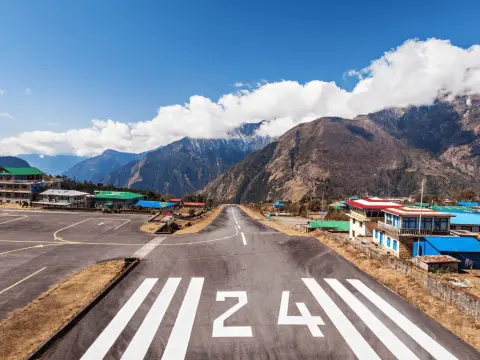
Kathmandu-to-Lukla flights in 2026 cost approximately USD 253-255 one-way for foreign trekkers, 22,000 NPR for Indian nationals, 8,500 NPR for Nepali...
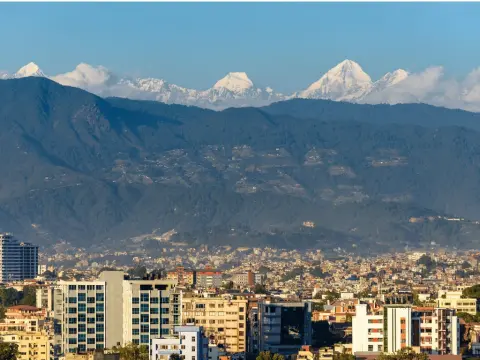
Nepal remains safe for most tourism destinations following the August 26, 2026 flood. The Everest Base Camp region, Annapurna region, Kathmandu Valley...
