
Thupten Chholing Monastery, Solu-Khumbu: History, Culture & Festivals
15 Jan 2026
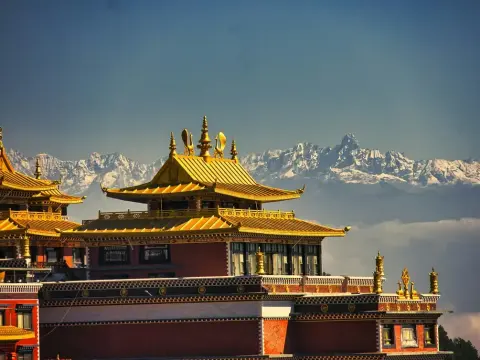
Situated in the peaceful Solu-Khumbu region of Nepal, near the village of Junbesi, Thupten Chholing Monastery is a living testament to Tibetan Buddhis...

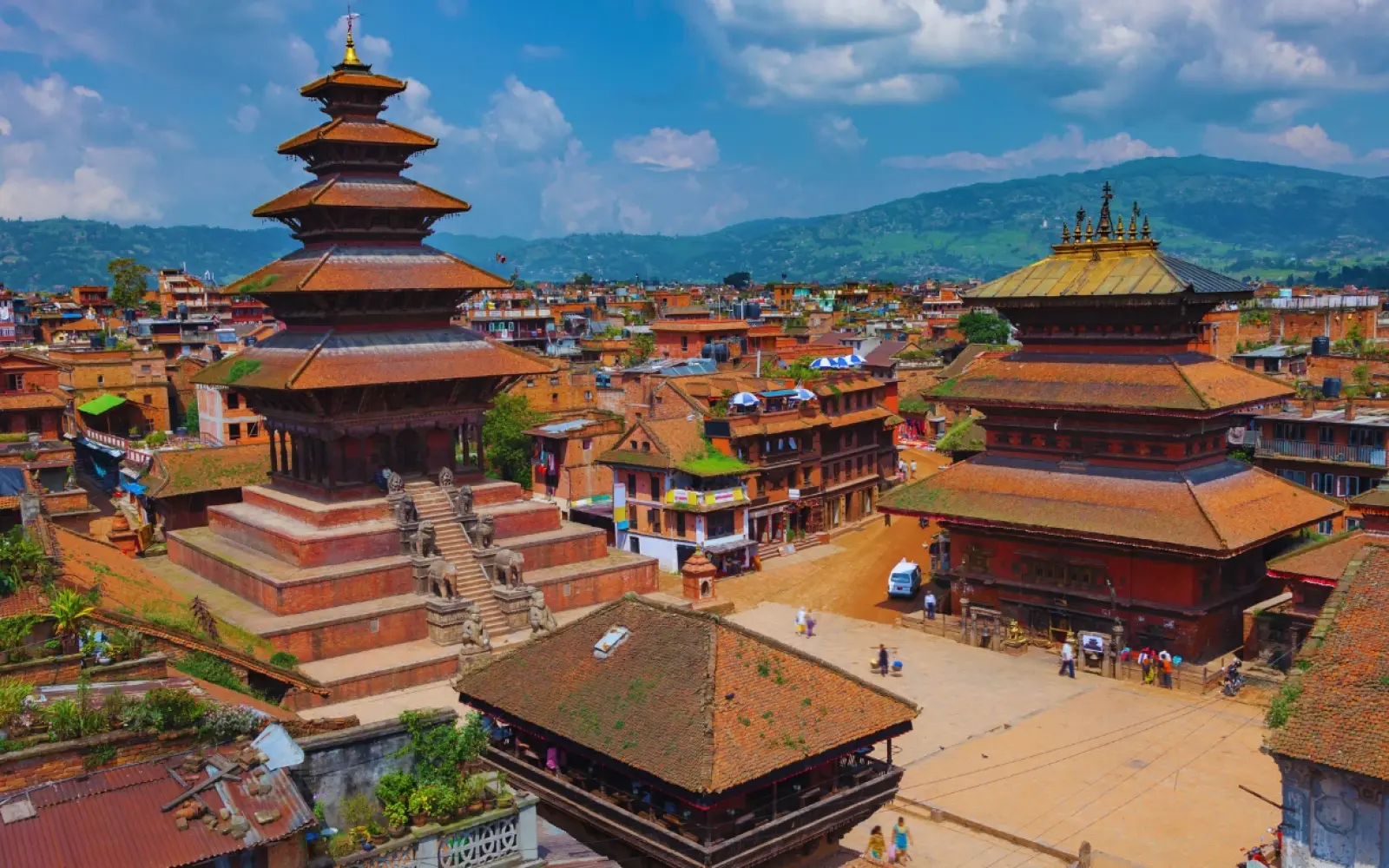

There's something about Bhaktapur that hits differently compared to the rest of the Kathmandu Valley. The moment you walk through its narrow brick-paved alleys, past the smell of drying pottery and incense, you realize you're somewhere genuinely different. This isn't just another heritage stop on a tourist checklist. It's a city that has been living and breathing the same traditions for over 900 years.
Bhaktapur Durbar Square, also known as the "Royal Square," sits at the heart of this ancient city. UNESCO designated it a World Heritage Site in 1979, and honestly, that recognition is well deserved. The square holds some of the finest examples of Newari architecture in all of Nepal, including intricately carved wooden windows, multi-tiered pagoda temples, and royal courtyards that once sheltered Malla kings.
For anyone planning to explore Nepal beyond just the trekking trails, Bhaktapur should absolutely be on the list. At Majestic Trails Nepal, we've seen firsthand how deeply this city moves people, whether they're history lovers, architecture enthusiasts, or simply curious travelers looking for something real.
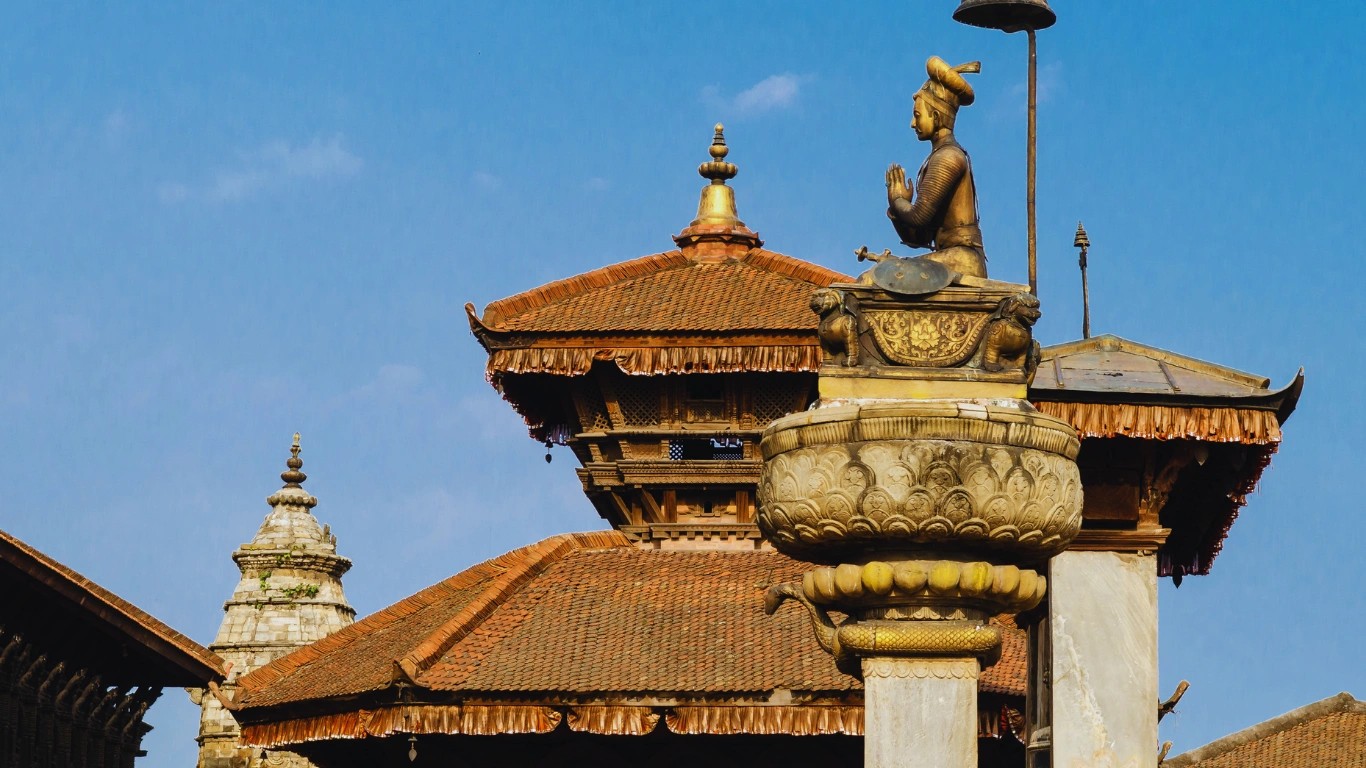
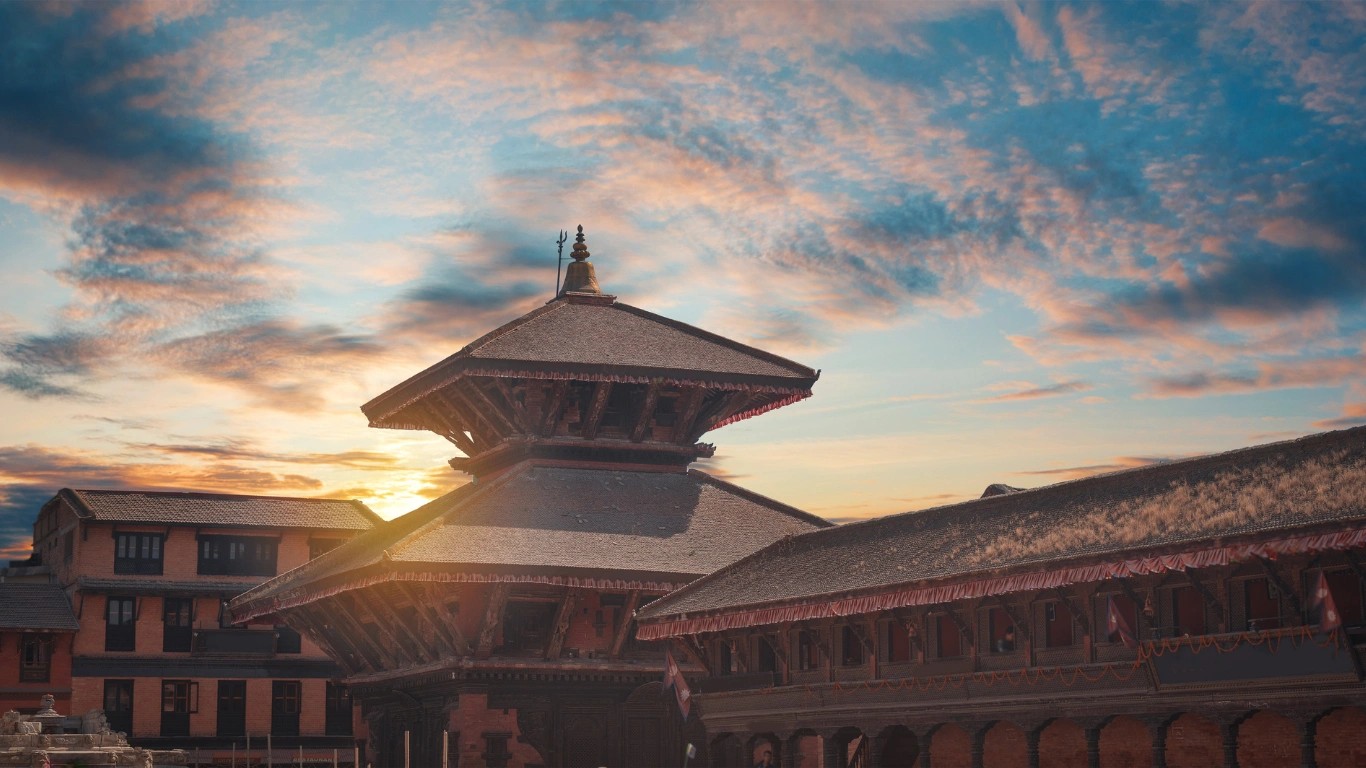
Bhaktapur Durbar Square is famous for its remarkably preserved medieval architecture, deep-rooted Newari culture, and living traditions that trace back to the Malla dynasty. Unlike Kathmandu or Patan, Bhaktapur has managed to hold onto much of its original identity. Walking through it feels less like visiting a museum and more like walking through a city that simply never stopped being itself.
It's particularly well known for:
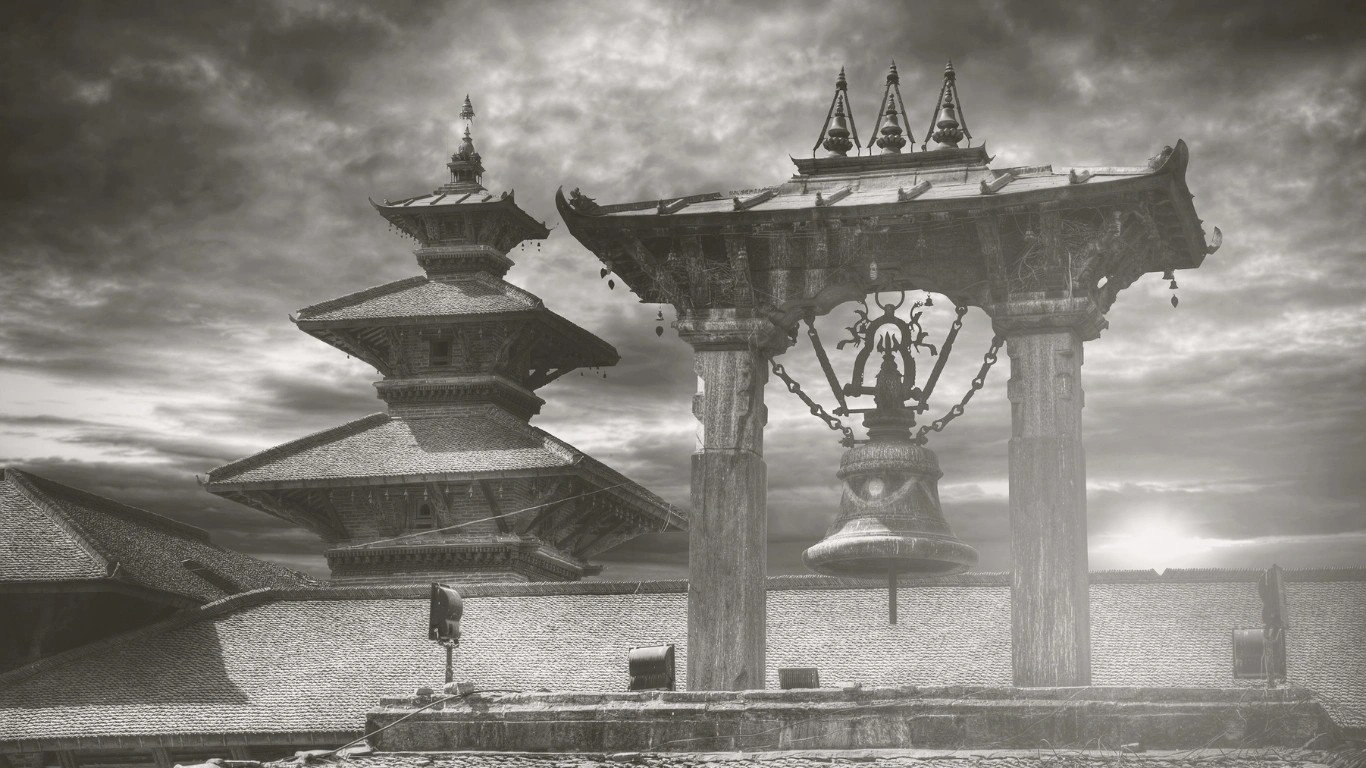
Bhaktapur's history stretches back to the 12th century. According to historical records, King Ananda Malla founded the city during that period, and it went on to serve as the capital of the Greater Malla Kingdom up until the 15th century, after which it became an independent kingdom that lasted until the 18th century.
The Malla era was when Bhaktapur reached its cultural and architectural peak. Three rulers left the most lasting mark on the Durbar Square: Jitamitra Malla (1663 to 1696), Bhupatindra Malla (1696 to 1722), and Ranjit Malla (1722 to 1769). The palaces, temples, and royal courtyards that visitors explore today were either built or heavily restored during their reigns. So when people ask who built Bhaktapur Durbar Square, the honest answer is that it was shaped over several generations, with the Malla kings collectively responsible for most of what still stands.
In 1768, Prithvi Narayan Shah began his unification campaign across the Kathmandu Valley and brought Bhaktapur under the newly forming Nepalese state alongside Kathmandu and Patan. What followed was a long and sometimes turbulent political era, including the Rana oligarchy from 1846 to 1950, the panchayat system introduced by King Mahendra in 1960, and eventually the modern democratic period.
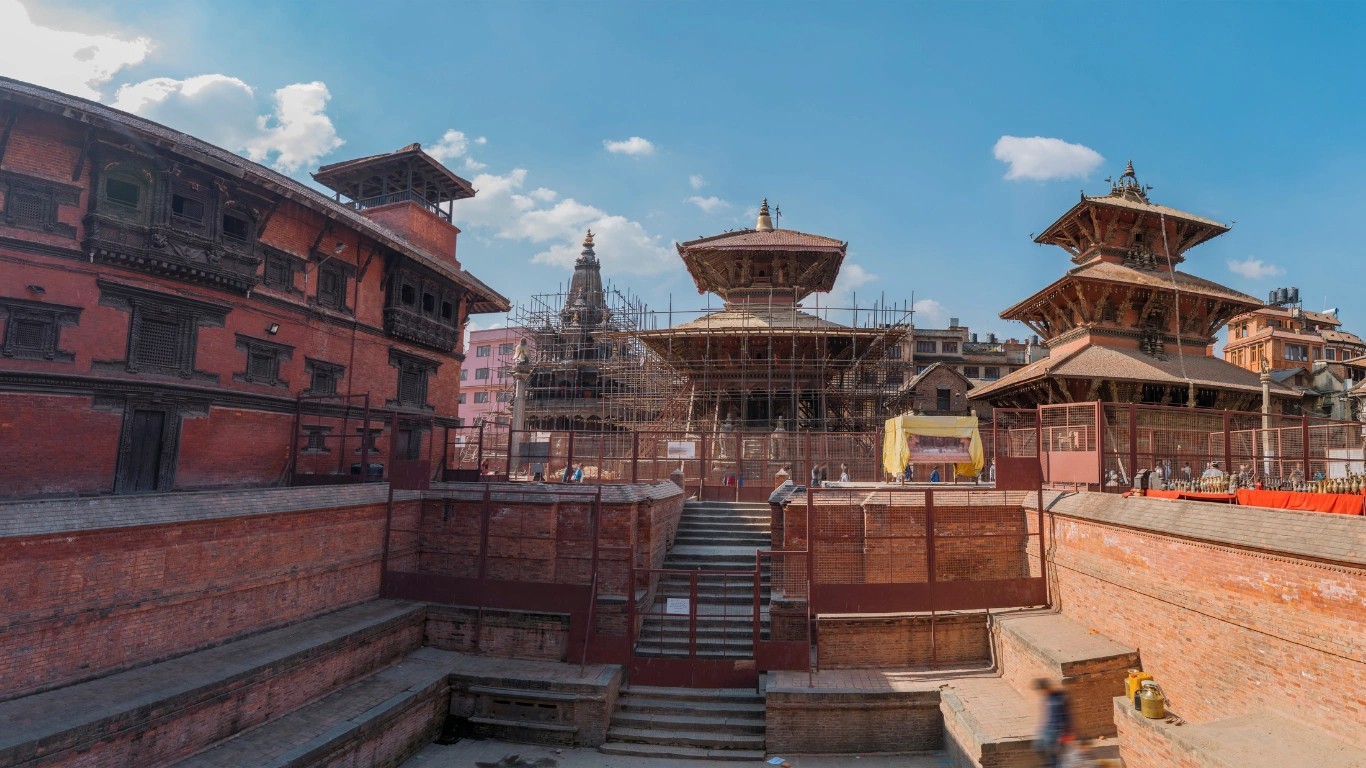
Two major earthquakes have shaped the history of Bhaktapur Durbar Square as much as any ruler did. The 1934 earthquake destroyed nearly one-third of the older monuments, leveled roughly 2,000 homes, and caused significant casualties. Restoration work funded by West Germany and the United States during the late 1980s and early 1990s brought many of these structures back. Then, on April 25, 2015, the Gorkha earthquake struck again, severely damaging the square and completely destroying the iconic sandstone Vatsala Devi Temple with its golden pagoda roofs. Post-2015 restoration has been substantial, and as of 2026, many sites have been rebuilt or stabilized through joint efforts between the Nepalese government and international conservation organizations, though some reconstruction is still ongoing.
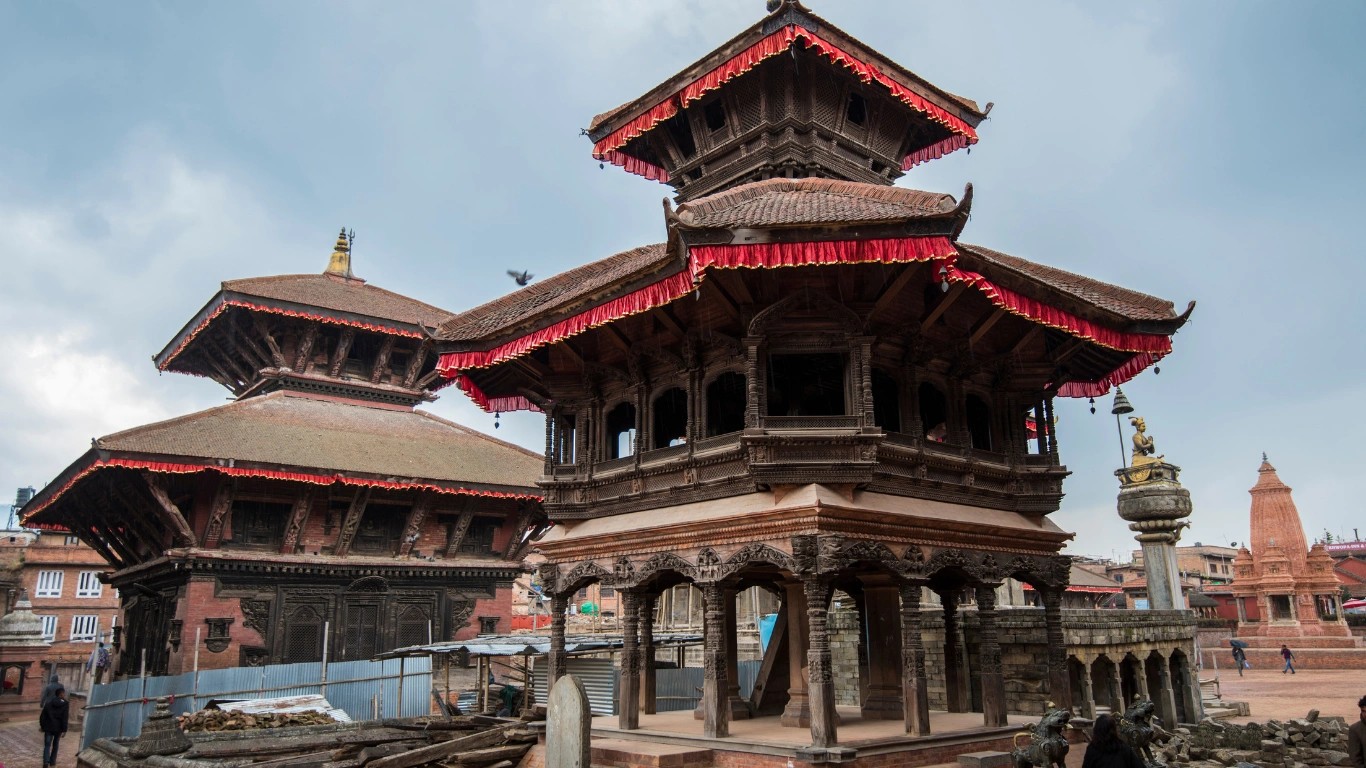
Most visitors don't realize that when locals and guides refer to "Bhaktapur Durbar Square," they're actually talking about four distinct areas spread across the city. Together, they form one of the densest concentrations of living heritage in South Asia.
This is the main square and the first place most visitors head to when they arrive in Bhaktapur. It contains the bulk of the royal architecture from the Malla period.
The 55-Window Palace, locally known as the Pachapanna Jyale Durbar, is the centerpiece. Built during King Bhupatindra Malla's reign, every window in this palace is carved differently, and each one is worth stopping to study. The palace now houses the National Art Gallery, which displays Buddhist paubha scroll paintings, palm leaf manuscripts, and stone carvings that offer a genuine window into medieval Nepalese artistic life.
The Golden Gate was constructed by King Ranjit Malla in 1754 and serves as the grand entrance to the Taleju Temple complex. The craftsmanship is extraordinary. At the very top of the doorway is an image of the goddess Kali accompanied by the mythical bird Garuda and two celestial nymphs. Along the door frame are carved images of Bhagwati, Ganesh, Bhairav, Kumari, and Kali, and just above the door itself is a statue of the goddess Taleju with ten arms, seated on a crocodile and a tortoise. The Royal Bath adjacent to the gate, with its famous golden faucet, is considered one of the most exceptional examples of gilded copperwork in the entire Kathmandu Valley.
Other structures worth noting in Durbar Square:
Taumadhi Square is home to the Nyatapola Temple, and it's one of the most impressive structures you'll see anywhere in Nepal.
King Bhupatindra Malla built it in just five months in 1702, and it rises 30 meters (108 feet) into the sky, making it the tallest pagoda-style temple in Nepal. The temple is dedicated to the Hindu goddess Siddha Laxmi and is layered with divine carvings across its struts, windows, and tympanums. On the staircase leading up to the entrance, five pairs of stone guardians stand watch: the wrestlers Jaimal and Pata at the bottom, followed by elephants, lions, griffins, and finally the tantric deities Singhini and Toyahagrini. Each pair is believed to be ten times more powerful than the one below them.
Right beside the Nyatapola stands the Bhairavnath Temple, a three-story pagoda originally built by King Jagat Jyoti Malla between 1613 and 1637 AD and later renovated into its current form by Bhupatindra Malla. The temple was damaged in the 1934 earthquake and rebuilt. Inside it holds a golden bust of the fearsome deity Bhairav, considered either an aspect of Lord Shiva or a powerful guardian deity.
This is one of the most genuinely alive parts of Bhaktapur's heritage offering. Local potters still work here every single day, shaping clay on traditional wheels exactly as their ancestors did centuries ago. It's a working square, not a preserved exhibit, and that's what makes it special. There's also a small temple dedicated to Jeth Ganesh here, which dates back to the 14th century.
Dattatreya Square tends to get fewer tourists than the other three areas, which actually makes it one of the most rewarding places to spend time in Bhaktapur.
The Dattatreya Temple, built by King Yaksha Malla between 1428 and 1482 AD, is a three-story pagoda dedicated to the Hindu trinity of Brahma, Vishnu, and Shiva. A local legend says the temple was built using only a single plank of wood from a single tree. At the entrance, visitors are greeted by stone sculptures of the wrestlers Jaimala and Pata, a Chakra, and a gilded kneeling Garuda statue. The temple went through significant renovation in 1548 AD under King Vishwa Malla. On the third deck of the pagoda is a statue of Anasuya Mata, commemorating the story of how she transformed Brahma, Vishnu, and Shiva into children after their wives sent them to test her purity.
The most celebrated feature of Dattatreya Square is the Peacock Window, housed in the Pujari Math (an old Hindu monastery). Art historians frequently describe it as one of the finest pieces of woodcarving ever produced in the Indian subcontinent. Many simply call it the "Mona Lisa of Nepal." The intricately carved peacock at the center of the latticed window is the kind of thing that stops people mid-step. The Woodcarving Museum now operates inside the Pujari Math building, displaying a strong collection of traditional Newari woodwork.
| Temple / Monument | Location | Built By | Highlights |
|---|---|---|---|
| 55-Window Palace | Durbar Square | Bhupatindra Malla (1696–1722) | National Art Gallery inside |
| Golden Gate | Durbar Square | Ranjit Malla (1754) | Finest gilded metalwork in the valley |
| Nyatapola Temple | Taumadhi Square | Bhupatindra Malla (1702) | Tallest pagoda in Nepal (30 meters) |
| Bhairavnath Temple | Taumadhi Square | Jagat Jyoti Malla (1613–1637) | Golden bust of Bhairav |
| Dattatreya Temple | Dattatreya Square | Yaksha Malla (1428–1482) | Dedicated to Hindu trinity |
| Peacock Window | Dattatreya Square | Early 15th century | Known as the “Mona Lisa of Nepal” |
| Vatsala Temple | Durbar Square | Malla period | Destroyed in 2015, now being rebuilt |
| Yaksheswor Mahadev Temple | Durbar Square | Yaksha Malla (15th century) | Modeled on Pashupatinath |
Bhaktapur has some of the most vibrant festival traditions in all of Nepal. If your visit overlaps with any of these, rearrange your schedule to stay.
Festival Typical Timing What to Expect Biska Jatra (Bisket Jatra) Nepalese New Year, usually mid-April Week-long chariot procession, tug-of-war between neighborhoods, massive pole raising ceremony Gai Jatra After Janai Purnima, usually August Procession honoring those who died during the year; families participate with decorated cows or children dressed as cows Indra Jatra September Celebrated across the Kathmandu Valley with mask dances and deity processions Dashain and Tihar October and November Major Hindu festivals with city-wide celebrations Biska Jatra Bhaktapur deserves particular attention. This is one of the most energetic festivals in the Kathmandu Valley, a week-long event that marks the Nepalese New Year with massive wooden chariots, enormous crowds pulling them through the streets, and rituals that feel completely unchanged from centuries ago. Gai Jatra in Bhaktapur also has its own distinct local character, with a tradition of satire and social commentary historically woven into the procession.
For 2026 and 2027 dates, it's worth checking with local authorities or reaching out to the Majestic Trails Nepal team, as exact dates shift each year based on the lunar calendar.
One of the most frequently searched questions about Bhaktapur is the entry cost. Here's a current breakdown:
| Visitor Category | Entrance Fee (NPR) | Approx. USD |
|---|---|---|
| Foreign Nationals | NPR 1,500 | ~USD 11 |
| SAARC Nationals (India, Bangladesh, etc.) | NPR 150 | ~USD 1.10 |
| Nepali Citizens | Nominal fee | — |
| Children under 10 years | Free | — |
The entry fee covers access to the main Bhaktapur Durbar Square area. Some individual museums within the complex, including the National Art Gallery and the Woodcarving Museum, may charge a small additional fee. It's always worth confirming current rates directly with the Bhaktapur Municipality or your tour operator before visiting, as these fees are reviewed periodically.
Your entry ticket is also valid for multiple entries within the same day, which is useful if you want to step out for lunch and return in the afternoon.
Getting there from Kathmandu is straightforward and reasonably affordable regardless of how you prefer to travel.
Located about 20 km northeast of Bhaktapur, Nagarkot sits at 2,175 meters on the rim of the Kathmandu Valley. On a clear morning, the Himalayan views from here are genuinely among the best accessible from the Valley, with sightlines stretching toward the Everest range. Hiking routes between Bhaktapur and Nagarkot pass through Tamang villages and make for a pleasant half-day extension to your Bhaktapur visit.
One of the oldest Hindu temples in the entire Kathmandu Valley, Changu Narayan sits on a forested hilltop between Bhaktapur and Nagarkot. It's a UNESCO World Heritage Site in its own right and houses some remarkable Vishnu sculptures, with some pieces dating back to the 4th century AD. If you're genuinely interested in the history of this region, Changu Narayan is not optional.
Combining Bhaktapur with Patan (Lalitpur) in a single day is one of the most popular and rewarding ways to explore the Kathmandu Valley's heritage. Patan Durbar Square is another UNESCO-listed site with outstanding Newari architecture and the exceptional Patan Museum. Majestic Trails Nepal offers guided Bhaktapur Patan day tours that cover both squares in a logical sequence without rushing either.
Without question. And this isn't just standard travel promotion. Bhaktapur is one of those places that genuinely surprises people, including travelers who have already been to Kathmandu and Patan. Unlike Thamel in Kathmandu, which can feel frantic and heavily commercialized, Bhaktapur has deliberately limited vehicle traffic in its historic core. Walking through it is a genuinely pleasant experience.
The combination of living pottery workshops, active temples, Newari food (particularly juju dhau, the famous king curd that Bhaktapur is known for), and architecture that feels genuinely cared for rather than just preserved, all of this makes Bhaktapur feel like a city still confident in its own identity. I'd argue it offers one of the most complete cultural experiences available anywhere in South Asia, and that's not a small claim.
Budget at minimum half a day for Durbar Square alone. A full day gives you enough time to cover all four squares properly. If you can time your visit around Biska Jatra or Gai Jatra, even better.
At Majestic Trails Nepal, we work with travelers who want to go beyond the surface of Nepal's heritage sites. Whether you're building a Kathmandu Valley sightseeing tour, combining a Bhaktapur city tour with a trekking itinerary, or simply looking for reliable on-the-ground advice, our team is available to help you plan something that actually fits how you like to travel.
Bhaktapur rewards patience. The longer you stay, the more it gives you. If you have questions about visiting Bhaktapur Durbar Square, planning a day tour to Patan and Bhaktapur, or designing a broader Nepal itinerary, reach out to the Majestic Trails Nepal team and we'll take it from there.
Bhaktapur Durbar Square is famous for its preserved medieval architecture, Newari culture, ancient temples, palaces, and living traditions from the Malla dynasty.
It is located in Bhaktapur, Bagmati Province, about 16 km east of Kathmandu, Nepal.
Bhaktapur is around 50 to 60 minutes away from Kathmandu by bus or taxi, depending on traffic conditions.
The best time to visit is from October to April when the weather is clear, dry, and ideal for sightseeing.
Foreign nationals pay NPR 1,500, SAARC nationals NPR 150, Nepali citizens a nominal fee, and children under 10 years enter free.
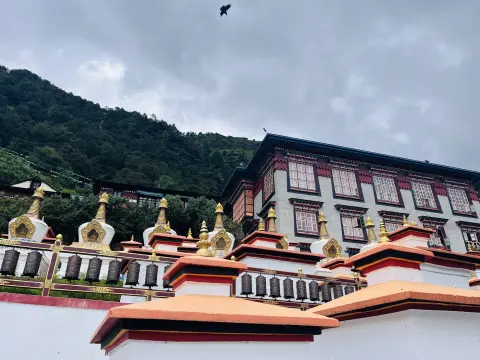
Situated in the peaceful Solu-Khumbu region of Nepal, near the village of Junbesi, Thupten Chholing Monastery is a living testament to Tibetan Buddhis...
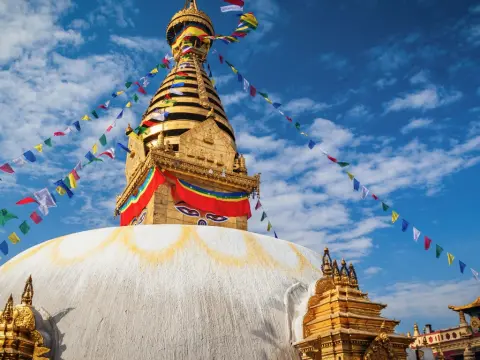
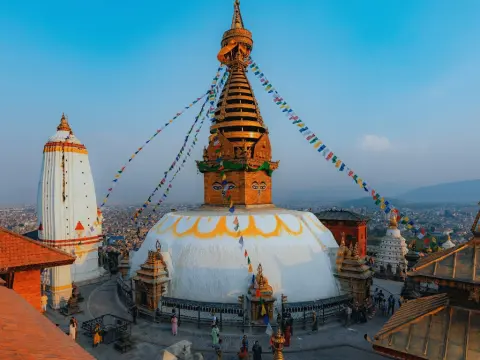
People visiting Kathmandu almost always ask the same two questions about Swayambhunath: how high is it, and where exactly is it? Seems simple. But the...
Namo Buddha stands as one of the most revered Buddhist pilgrimage sites in Nepal, drawing devotees and travelers from across the world to its serene h...
Nepal has a way of catching people off guard, and quite frankly, it operates in a league of its own. You think you're booking a trekking holiday to pl...
Nepal punches way above its weight when it comes to UNESCO recognition. For a small, landlocked country wedged between two giants, it holds ten UNESCO...
