[{"name":"Langtang Valley Trek \u2014 10 Days","duration":"10","image_url":"https:\/\/www.majestictrailsnepal.com\/storage\/trip-galleries\/1\/thumb_e7907ed736676d12e6ab17328008e746.webp","offer_price":null,"url":"https:\/\/www.majestictrailsnepal.com\/trips\/langtang-valley-trek"},{"name":"Everest Base Camp Trek","duration":"14","image_url":"https:\/\/www.majestictrailsnepal.com\/storage\/trip-galleries\/2\/thumb_4b769c9c4b5b007a61f4ce3b76ff440d.webp","offer_price":null,"url":"https:\/\/www.majestictrailsnepal.com\/trips\/everest-base-camp-trek"},{"name":"Everest Panorama Trek","duration":"9","image_url":"https:\/\/www.majestictrailsnepal.com\/storage\/trip-galleries\/3\/thumb_e6ee74caea3e2900c23ca370b06bab80.webp","offer_price":null,"url":"https:\/\/www.majestictrailsnepal.com\/trips\/everest-panorama-trek"},{"name":"Annapurna Base Camp Trek","duration":"14","image_url":"https:\/\/www.majestictrailsnepal.com\/storage\/trip-galleries\/4\/thumb_3f8d40f9472f701d7c46a827925201bc.webp","offer_price":null,"url":"https:\/\/www.majestictrailsnepal.com\/trips\/annapurna-base-camp-trek"},{"name":"Annapurna Base Camp Express Trek","duration":"9","image_url":"https:\/\/www.majestictrailsnepal.com\/storage\/trip-galleries\/5\/thumb_bac80de2bd257d651fa75d9c8025da1a.webp","offer_price":null,"url":"https:\/\/www.majestictrailsnepal.com\/trips\/annapurna-base-camp-express-trek"},{"name":"Annapurna Circuit Trek","duration":"15","image_url":"https:\/\/www.majestictrailsnepal.com\/storage\/trip-galleries\/6\/thumb_b73bdec74acacaa0d72a2a2a513f3d4a.webp","offer_price":null,"url":"https:\/\/www.majestictrailsnepal.com\/trips\/annapurna-circuit-trek"},{"name":"Ghorepani Poon Hill Trek","duration":"8","image_url":"https:\/\/www.majestictrailsnepal.com\/storage\/trip-galleries\/7\/thumb_aeda9e6388ab2692138cc9c9efa81a7f.webp","offer_price":null,"url":"https:\/\/www.majestictrailsnepal.com\/trips\/ghorepani-poon-hill-trek"},{"name":"Mardi Himal Trek \u2014 9 Days","duration":"9","image_url":"https:\/\/www.majestictrailsnepal.com\/storage\/trip-galleries\/8\/thumb_185a6bdd0bdb1ab5b4f218a2ec37ebf9.webp","offer_price":null,"url":"https:\/\/www.majestictrailsnepal.com\/trips\/mardi-himal-trek"},{"name":"Manaslu Circuit Trek","duration":"15","image_url":"https:\/\/www.majestictrailsnepal.com\/storage\/trip-galleries\/9\/thumb_7726908390ad6b249f2f6a7856f9dc17.webp","offer_price":null,"url":"https:\/\/www.majestictrailsnepal.com\/trips\/manaslu-circuit-trek"},{"name":"Upper Mustang Trek","duration":"16","image_url":"https:\/\/www.majestictrailsnepal.com\/storage\/trip-galleries\/10\/thumb_6a9b52ecd1d8cda92d594e5351431d6e.webp","offer_price":null,"url":"https:\/\/www.majestictrailsnepal.com\/trips\/upper-mustang-trek"},{"name":"Pokhara City Tour","duration":"1","image_url":"https:\/\/www.majestictrailsnepal.com\/storage\/trip-galleries\/11\/thumb_cf762ba4c20363bd1c0f239db35fcc84.webp","offer_price":null,"url":"https:\/\/www.majestictrailsnepal.com\/trips\/pokhara-city-tour"},{"name":"Paragliding in Pokhara","duration":"1","image_url":"https:\/\/www.majestictrailsnepal.com\/storage\/trip-galleries\/12\/thumb_b896201edf88bbe0f570e876c3c337a3.webp","offer_price":70,"url":"https:\/\/www.majestictrailsnepal.com\/trips\/paragliding-in-pokhara"},{"name":"Kathmandu City Tour","duration":"2","image_url":"https:\/\/www.majestictrailsnepal.com\/storage\/trip-galleries\/13\/thumb_846ad05bd3ce7bebb3843c24c08db6f9.webp","offer_price":null,"url":"https:\/\/www.majestictrailsnepal.com\/trips\/kathmandu-city-tour"},{"name":"Lumbini Buddhist Pilgrimage Tour","duration":"4","image_url":"https:\/\/www.majestictrailsnepal.com\/storage\/trip-galleries\/14\/a2998dca0ce22f28a61c3862dd47f6a3.webp","offer_price":null,"url":"https:\/\/www.majestictrailsnepal.com\/trips\/lumbini-buddhist-pilgrimage-tour"},{"name":"5 days langtang valley trek","duration":"5","image_url":"https:\/\/www.majestictrailsnepal.com\/storage\/trip-galleries\/15\/thumb_7a6c65c139b8085d220ac01913cb1448.webp","offer_price":510,"url":"https:\/\/www.majestictrailsnepal.com\/trips\/5-days-langtang-valley-trek"},{"name":"Leisure Port Nepal Price: Rafting and Camping Adventure","duration":"7","image_url":"https:\/\/www.majestictrailsnepal.com\/storage\/trip-galleries\/17\/thumb_02cb8c3f0697c7c5c4f73d744b47d87f.webp","offer_price":550,"url":"https:\/\/www.majestictrailsnepal.com\/trips\/leisure-port-nepal-price-rafting-and-camping-adventure"},{"name":"10 days spiritual tour in Nepal","duration":"10","image_url":"https:\/\/www.majestictrailsnepal.com\/storage\/trip-galleries\/18\/thumb_b4e7eba000673d1bce6b56abb422fe3b.webp","offer_price":1200,"url":"https:\/\/www.majestictrailsnepal.com\/trips\/10-days-spiritual-tour-in-nepal"},{"name":"Annapurna Circuit Short Trek","duration":"10","image_url":"https:\/\/www.majestictrailsnepal.com\/storage\/trip-galleries\/19\/thumb_769ee8cbe02a510d8db76419c97a2dc9.webp","offer_price":null,"url":"https:\/\/www.majestictrailsnepal.com\/trips\/annapurna-circuit-short-trek"},{"name":"Best Short Manaslu Circuit Trek","duration":"11","image_url":"https:\/\/www.majestictrailsnepal.com\/storage\/trip-galleries\/20\/thumb_ac1b4977a3fce9d11ee68240cad675b6.webp","offer_price":null,"url":"https:\/\/www.majestictrailsnepal.com\/trips\/best-short-manaslu-circuit-trek"},{"name":"Langtang Gosaikunda Trek","duration":"13","image_url":"https:\/\/www.majestictrailsnepal.com\/storage\/trip-galleries\/22\/thumb_577a6402f2ca4b3f12bfd80b96b33a23.webp","offer_price":940,"url":"https:\/\/www.majestictrailsnepal.com\/trips\/langtang-gosaikunda-trek"},{"name":"3 Passes Trek Nepal","duration":"22","image_url":"https:\/\/www.majestictrailsnepal.com\/storage\/trip-galleries\/24\/thumb_8020edea67aefce87e9012dc89a60087.webp","offer_price":null,"url":"https:\/\/www.majestictrailsnepal.com\/trips\/3-passes-trek-nepal"},{"name":"Tsum Valley Trek","duration":"13","image_url":"https:\/\/www.majestictrailsnepal.com\/storage\/trip-galleries\/25\/thumb_194c03e3c3463dff07a3f621a81ef9ea.webp","offer_price":null,"url":"https:\/\/www.majestictrailsnepal.com\/trips\/tsum-valley-trek"},{"name":"Gokyo and Renjo La Pass Trek","duration":"14","image_url":"https:\/\/www.majestictrailsnepal.com\/storage\/trip-galleries\/26\/thumb_7b865f0f0d0d4c6807b625b6e391b56d.webp","offer_price":1490,"url":"https:\/\/www.majestictrailsnepal.com\/trips\/gokyo-and-renjo-la-pass-trek"},{"name":"Honeymoon Tour in Nepal","duration":"9","image_url":"https:\/\/www.majestictrailsnepal.com\/storage\/trip-galleries\/27\/thumb_dabf449c090bb16efd5823c653eb61b3.webp","offer_price":null,"url":"https:\/\/www.majestictrailsnepal.com\/trips\/honeymoon-tour-in-nepal"},{"name":"Pikey Peak Trek","duration":"10","image_url":"https:\/\/www.majestictrailsnepal.com\/storage\/trip-galleries\/28\/thumb_5425e57ce3ea84d31a7b24b83b1af94f.webp","offer_price":1090,"url":"https:\/\/www.majestictrailsnepal.com\/trips\/pikey-peak-trek"},{"name":"Makalu Base Camp Trek","duration":"17","image_url":"https:\/\/www.majestictrailsnepal.com\/storage\/trip-galleries\/29\/thumb_d68c8ec6492540c922045d825a38cd50.webp","offer_price":null,"url":"https:\/\/www.majestictrailsnepal.com\/trips\/makalu-base-camp-trek"},{"name":"Nepal Winter Tour","duration":"8","image_url":"https:\/\/www.majestictrailsnepal.com\/storage\/trip-galleries\/30\/thumb_c8491c0c4b1fb19d8e93630866895799.webp","offer_price":null,"url":"https:\/\/www.majestictrailsnepal.com\/trips\/nepal-winter-tour"},{"name":"Maratika Tour in Nepal","duration":"6","image_url":"https:\/\/www.majestictrailsnepal.com\/storage\/trip-galleries\/31\/thumb_97948560c5a12a486f9ac2b76567cafd.webp","offer_price":null,"url":"https:\/\/www.majestictrailsnepal.com\/trips\/maratika-tour-in-nepal"},{"name":"Nepal Lake Trek","duration":"14","image_url":"https:\/\/www.majestictrailsnepal.com\/storage\/trip-galleries\/32\/thumb_d9b260fe13127816f5b3c25447caf70c.webp","offer_price":null,"url":"https:\/\/www.majestictrailsnepal.com\/trips\/nepal-lake-trek"},{"name":"Taste of Nepal Tour Package","duration":"9","image_url":"https:\/\/www.majestictrailsnepal.com\/storage\/trip-galleries\/33\/thumb_f4b55ab5760a8e057b4c3e208e25ab36.webp","offer_price":null,"url":"https:\/\/www.majestictrailsnepal.com\/trips\/taste-of-nepal-tour-package"},{"name":"Poon Hill Yoga Trek in Nepal","duration":"9","image_url":"https:\/\/www.majestictrailsnepal.com\/storage\/trip-galleries\/34\/thumb_904b238e690107c5c9b1092296880cc9.webp","offer_price":null,"url":"https:\/\/www.majestictrailsnepal.com\/trips\/poon-hill-yoga-trek-in-nepal"},{"name":"Nar Phu Nepal Trek","duration":"10","image_url":"https:\/\/www.majestictrailsnepal.com\/storage\/trip-galleries\/35\/thumb_f959e3e22c260629add0ba61a4038812.webp","offer_price":null,"url":"https:\/\/www.majestictrailsnepal.com\/trips\/nar-phu-nepal-trek"},{"name":"Annapurna Base Camp Helicopter Tour","duration":"1","image_url":"https:\/\/www.majestictrailsnepal.com\/storage\/trip-galleries\/36\/thumb_e81861e8772a9d7fac92ab4a7d43e3bf.webp","offer_price":null,"url":"https:\/\/www.majestictrailsnepal.com\/trips\/annapurna-base-camp-helicopter-tour"},{"name":"Annapurna Circuit with Nar Phu Valley Trek","duration":"16","image_url":"https:\/\/www.majestictrailsnepal.com\/storage\/trip-galleries\/38\/thumb_b70692cbd1c1dd772587c940be2d0bc9.webp","offer_price":null,"url":"https:\/\/www.majestictrailsnepal.com\/trips\/annapurna-circuit-with-nar-phu-valley-trek"},{"name":"Khopra Danda Trek","duration":"12","image_url":"https:\/\/www.majestictrailsnepal.com\/storage\/trip-galleries\/39\/thumb_6d5e38b2513af5a1ef359046decaffbf.webp","offer_price":null,"url":"https:\/\/www.majestictrailsnepal.com\/trips\/khopra-danda-trek"},{"name":"Manaslu Circuit with Tsum Valley Trek","duration":"20","image_url":"https:\/\/www.majestictrailsnepal.com\/storage\/trip-galleries\/40\/thumb_758926c6846b52ea9e258b1f06930d2c.webp","offer_price":null,"url":"https:\/\/www.majestictrailsnepal.com\/trips\/manaslu-circuit-with-tsum-valley-trek"}]
Things to Do in Nepal in 2026: Complete Adventure and Travel Guide
Nepal has a way of catching people off guard, and quite frankly, it operates in a league of its own. You think you're booking a trekking holiday to places like the Annapurna Circuit or Everest Base Camp, and then three days in, you're sitting at a teahouse at 3,500 meters eating dal bhat with strangers who feel like old friends, watching clouds roll off the face of Ama Dablam, and wondering why you waited so long to come here. What is particularly salient about this experience is how effortlessly it dismantles your preconceived notions of travel. That's just how Nepal works.
But the things to do in Nepal go well beyond trekking. Wildlife safaris in Chitwan National Park, ancient temple complexes like Pashupatinath and Boudhanath, white-water rivers, paragliding over the serene lakes of Pokhara, festivals like Indra Jatra that take over entire cities for days at a time. The empirical reality of what this country offers is nothing short of paradigm-shifting. There's a lot here, and figuring out what's actually worth your time versus what just sounds good on a brochure takes some real knowledge of the place. You simply cannot judge a book by its cover when navigating a destination this layered and nuanced.
Majestic Trails Nepal has been running treks and organizing trips across Nepal for years, from the Langtang Valley to the rhododendron forests of the Mustang region. This guide draws on that experience directly and it doesn't pull any punches. Not a list of places pulled from somewhere else, but a genuine breakdown of what Nepal offers, what to realistically expect, and how to make the most of whatever time you have.
Why 2026 Is a Good Year to Visit Nepal
Trekking infrastructure across Nepal has quietly improved a lot over the past few years and the results are hard to ignore. Trails are better maintained, teahouses at key stops like Namche Bazaar and Thorong La have upgraded their facilities, and the permit process has gotten more streamlined with digital systems replacing a lot of the old paperwork. Getting to and around Nepal is easier than it used to be, and for travelers who once put this trip in the too-hard basket, that matters.
But here's what matters more: Nepal hasn't become sanitized by all of that, and that is perhaps the most salient thing about visiting in 2026. The mountains are still the mountains. The teahouses are still run by local families. The villages along the Everest, Annapurna, and Langtang routes still feel like actual communities rather than tourist infrastructure dressed up to look authentic. That balance is genuinely rare in popular destinations, and the empirical evidence of travelers returning year after year suggests Nepal still has it. You really cannot find this kind of nuanced, unfiltered experience just anywhere in the world.
So if you've been putting this trip off, 2026 is a solid year to stop sitting on the fence and book it.
Trekking in Nepal: The Best Himalayan Adventures in 2026
And honestly, why wouldn't trekking be the main draw? Nepal sits in the middle of the Himalayas, home to eight of the world's fourteen peaks above 8,000 meters. The trekking routes in Nepal cover everything from gentle valley walks suitable for first-timers to high-altitude crossings that push experienced trekkers to their limits. There's genuinely something for every level.
Everest Base Camp Trek: 12 to 15 Days
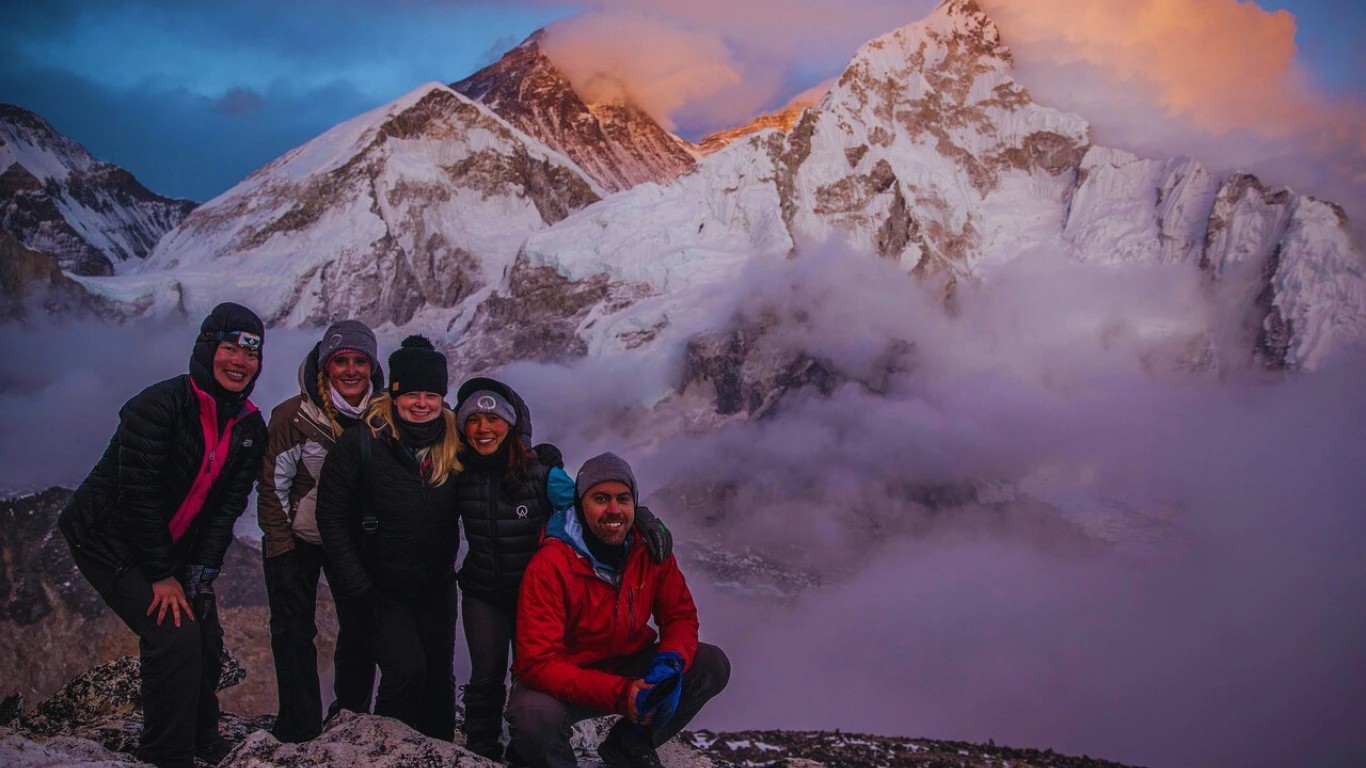
One of the top things to do in Nepal is trekking to Everest Base Camp
This is the one. And from what We've seen, it lives up to the reputation more consistently than almost any other bucket-list experience. You fly into Lukla on a short mountain flight that's exciting enough to get the adrenaline going before you've even started walking, and then the trail carries you through Sherpa villages, river valleys, pine forests, and eventually up into the high alpine terrain where the giants live.
Namche Bazaar at 3,440 meters is where the acclimatization day happens, and it's a genuinely interesting town. Better cafes than you'd expect at that altitude, good gear shops if you forgot something, and your first real views of Everest on the hike above town. From there the trail moves through Tengboche, where the monastery sits in one of the most photogenic spots on the entire route, then up through Dingboche, Lobuche, and finally Gorak Shep before the walk to Base Camp itself.
Kala Patthar at 5,545 meters gives you the best Everest sunrise on the route. Most people do it as an early morning push from Gorak Shep before heading down. Cold, hard work in the dark, and then you're standing there watching the light hit the summit of the highest mountain on earth. It's worth every step.
Key highlights of the EBC trek:
Kala Patthar sunrise at 5,545m overlooking Everest
Tengboche Monastery and Sherpa village cultural experiences
Ama Dablam views, glaciers, and high alpine landscapes
Built-in acclimatization days at Namche and Dingboche
Peak season runs March through May and September through November. Book early. Majestic Trails Nepal recommends confirming your dates and accommodation well in advance during those windows, because popular stops like Namche and Dingboche fill up fast.
Annapurna Circuit and Base Camp: 10 to 21 Days
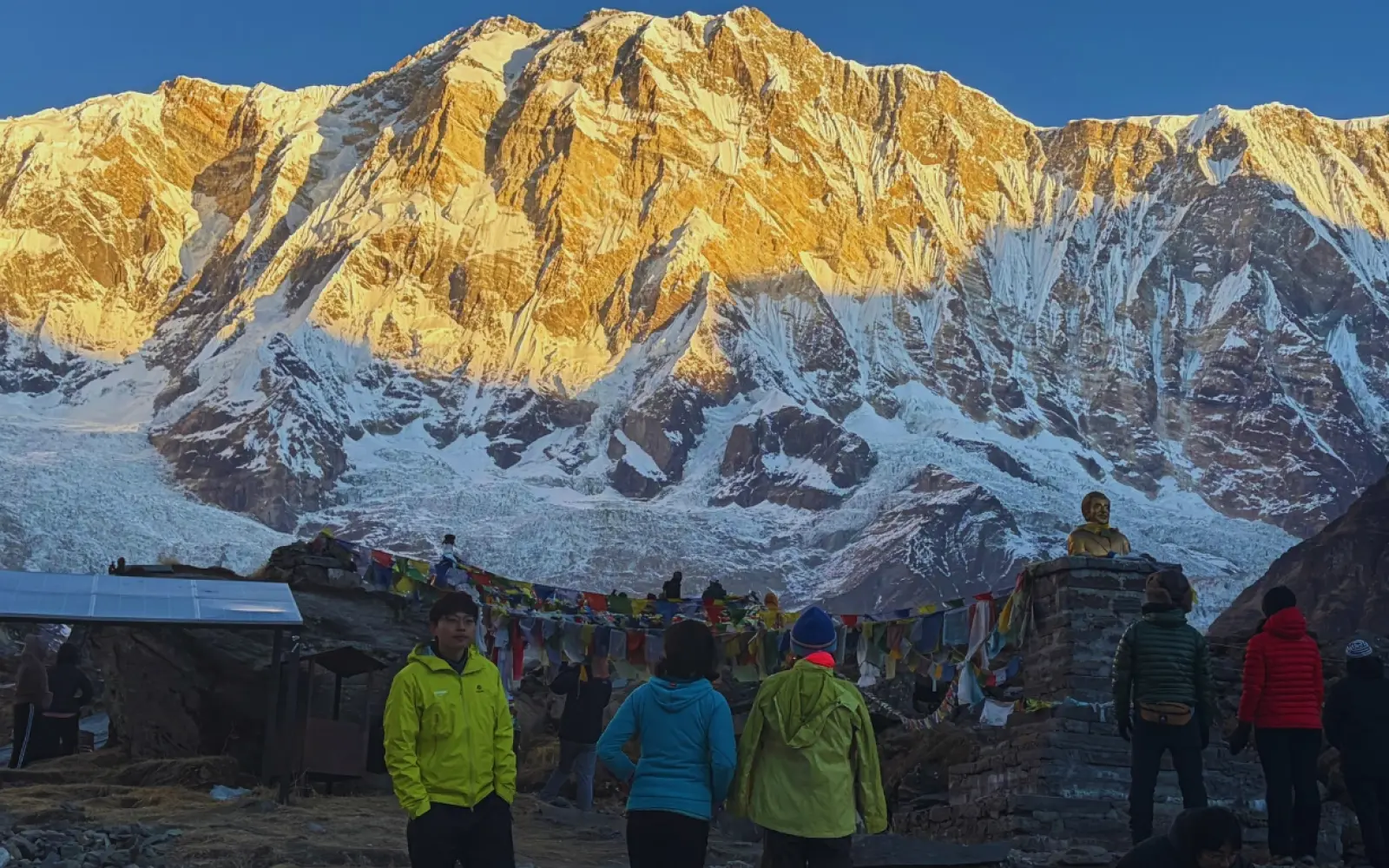
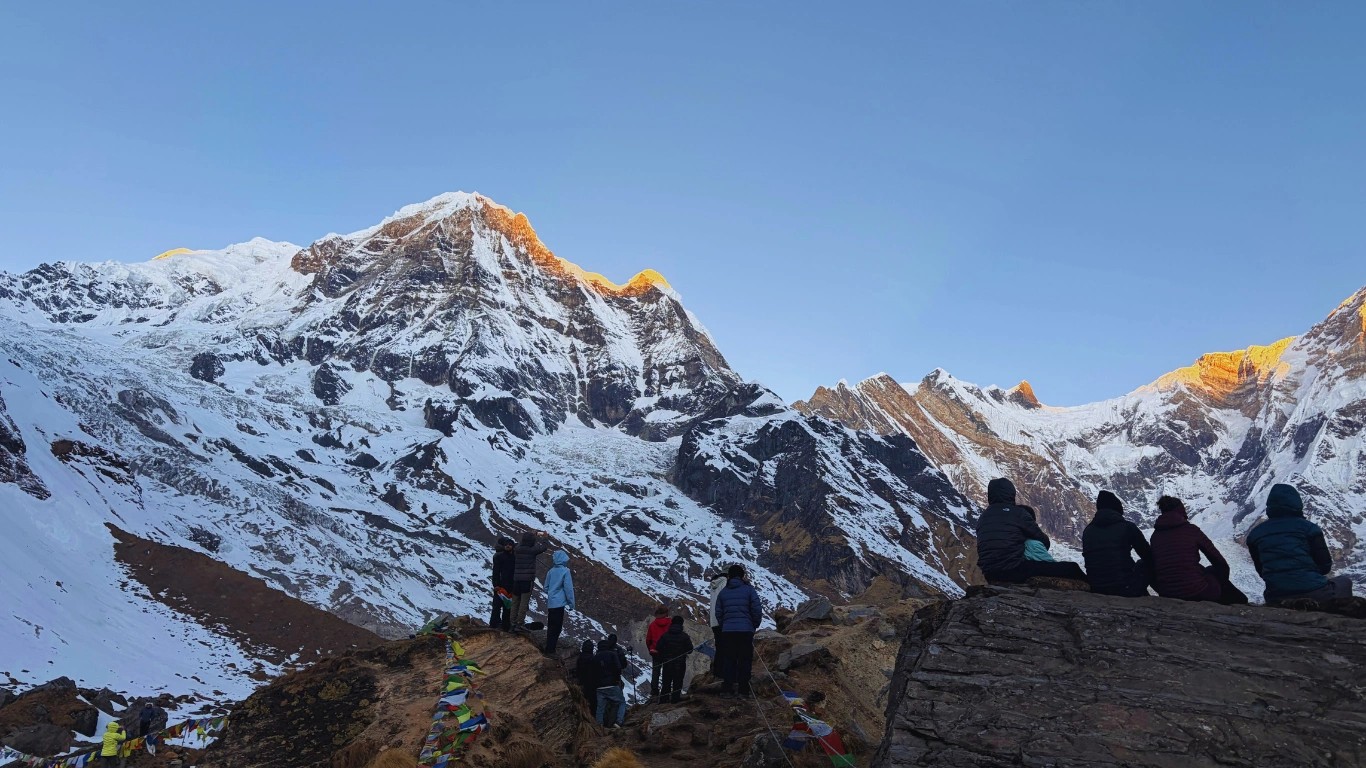
Nepal Travel bucket list Annapurna base camp and Annapurna Circuit Trek
The Annapurna region offers a different flavor of trekking. More variety in the landscape, more cultural diversity in the villages, and a route that takes you from subtropical forest at lower elevations all the way up to the high desert terrain around Thorong La Pass at 5,416 meters. The circuit is one of the great classic treks anywhere in the world and has been for decades.
Annapurna Base Camp is the shorter option, 7 to 10 days, but the arrival into the amphitheater surrounded by Annapurna I, Machhapuchhre, and Hiunchuli is one of those moments that stops you mid-sentence. Carry enough cash for the whole route. ATMs don't exist in the villages along the way, and that's not a situation you want to discover on day eight.
Langtang Valley Trek: 7 to 10 Days
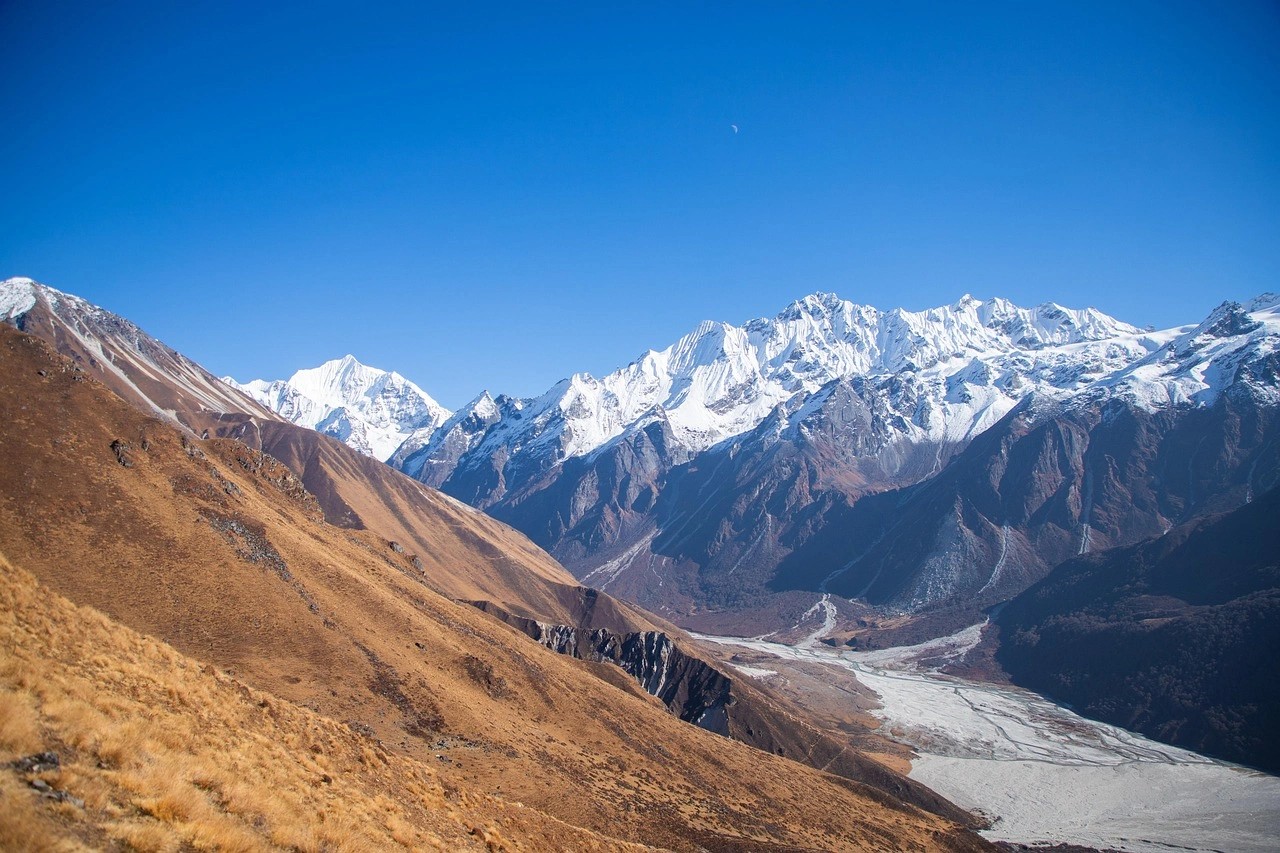
Nepal must-do experiences : Langtang Valley Trek
Langtang is the one we'd push more people toward. It's close to Kathmandu, moderately challenging, and the trail runs through some genuinely beautiful glacial terrain with Tamang villages that offer the most warm, unhurried hospitality you'll find anywhere in Nepal. Because it gets fewer visitors than EBC or Annapurna, the experience feels more personal.
Side trips to Tserko Ri or Kyanjin Gompa add panoramic views without extending the main itinerary significantly. If you have a week and you want a proper Himalayan experience without the full EBC commitment, Langtang is the answer.
Off the Beaten Path: Unique Things to Do in Nepal for Experienced Trekkers
List of the treks that is not crowed like others treks in Nepal.
Manaslu Circuit Trek: 14 to 18 Days
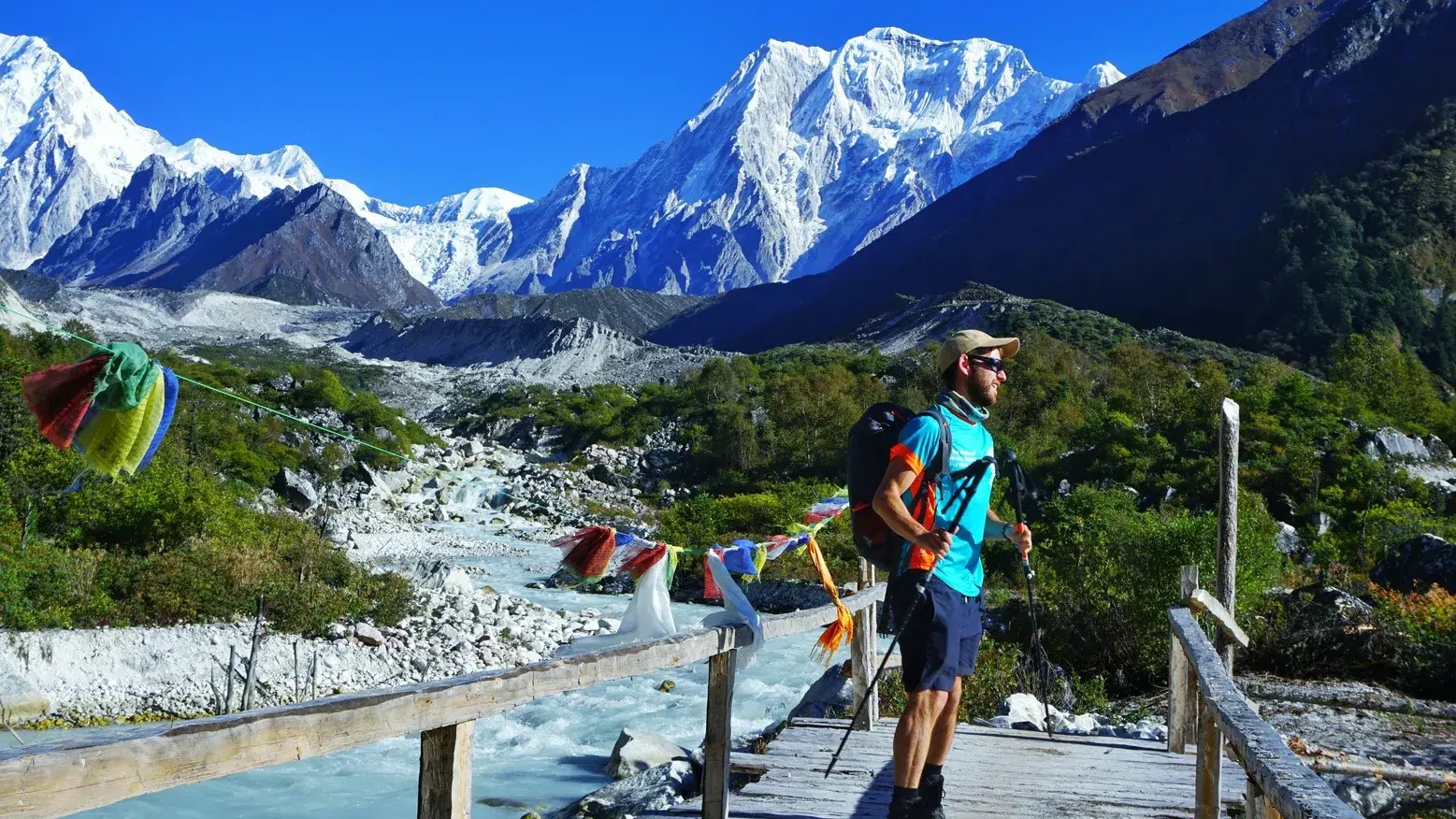
Off the beaten path trek Nepal : Manaslu Circuit Trek Nepal
The Manaslu Circuit loops around the eighth highest peak in the world and crosses the Larkya La Pass at 5,106 meters. Permits and a licensed guide are mandatory, which keeps the numbers down and the trail genuinely quiet. Traditional stone villages, ancient monasteries, deep river gorges. And almost no one else around.
We'd honestly describe this as one of the most rewarding trekking experiences in Nepal for people who've already done the main routes and want something that feels less traveled. Not suitable for beginners, but for experienced trekkers it's a serious option.
Upper Mustang: 10 to 14 Days
Nepal must-do experiences and activities guide
Upper Mustang sits in a rain shadow behind the Annapurna and Dhaulagiri ranges, which means it stays dry while the rest of Nepal gets hammered by monsoon. This makes it one of the few trekking regions that works well from June to August, which is otherwise a difficult season for most routes.
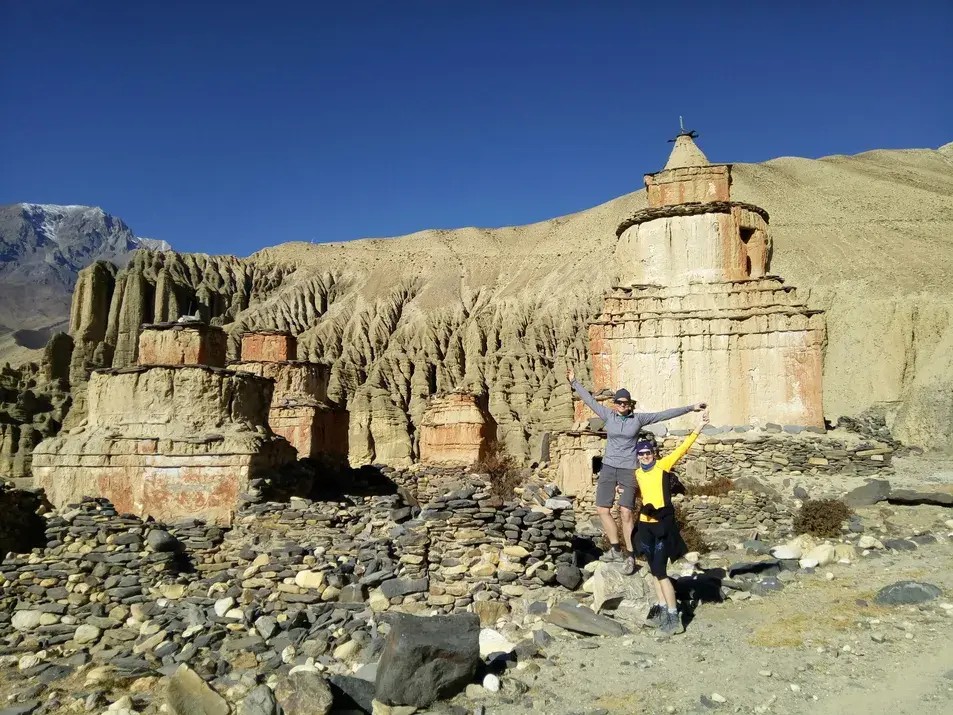
The landscape here looks more like the Tibetan plateau than anything else in Nepal. Red cliffs, ancient cave monasteries carved into hillsides, barren desert terrain, and the walled medieval city of Lo Manthang right in the middle of it all. A Restricted Area Permit costs $500 for the first 10 days. Access requires a registered agency, which Majestic Trails Nepal handles as part of the booking process.
Rara Lake: 11 to 14 Days
Way out in the far northwest, Rara Lake sits at 2,990 meters inside Rara National Park. Nepal's largest freshwater lake, surrounded by pine forest and snow peaks, and almost completely unknown to most travelers. The park holds red pandas, musk deer, and over 200 bird species. Getting there requires flying to Nepalgunj or Jumla, but if you want somewhere genuinely off the map, this is it.
Short Treks for First-Timers and Families: Things to Do in Nepal with Kids
Not everyone has two weeks. And not everyone wants to deal with high altitude on their first visit. Nepal covers this well.
Best short treks in Nepal:
Ghorepani Poon Hill (3 to 5 days): Gradual ascents, teahouse stays, and a sunrise directly facing the Annapurna and Dhaulagiri ranges. The best introductory trek in Nepal, and it earns that status.
Mardi Himal (5 to 7 days): Close-up mountain views and alpine forest sections that compete with anything on the longer routes. Moderate difficulty, good for people who want a real Himalayan experience without the altitude of EBC.
Nagarkot and Dhulikhel Hills: Easy day hikes out of Kathmandu with panoramic Himalayan views and no high-altitude concerns. Perfect if you're spending a few days in the capital and want a morning in the mountains.
These shorter options also work well as things to do in Nepal with family, since the walking days are manageable and the teahouse culture adds a social, communal experience that kids tend to genuinely enjoy.
Outdoor Activities and Adventure Tourism in Nepal
Nepal's adventure scene doesn't stop at trekking. Pokhara in particular is basically an activity hub packed into a lakeside city.
Top adventure activities in Nepal:
Paragliding above Phewa Lake: The Annapurna range sits right in front of you, the lake reflects below, and Pokhara's thermal winds make conditions reliable year-round. Tandem flights mean no experience is needed.
Zip-lining in Pokhara: 1.8 kilometers at speeds up to 120 km/h, with the Himalayas and lake as the backdrop. Short, intense, and genuinely spectacular.
Bungee jumping over Bhote Koshi River: 160 meters above a roaring gorge on a suspension bridge near the Tibetan border. Professional operators run it. The views from the bridge before you jump are dramatic enough that some people just stand there for a while before committing.
White-water rafting: The Trishuli, Bhote Koshi, and Sun Koshi rivers range from mild to properly challenging. All three run through beautiful terrain, which means even the calmer stretches are worth doing just for the scenery.
Mountain biking: Routes thread through valleys, terraced farmland, and traditional villages across the Kathmandu Valley and the hills around Pokhara. Good for all levels.
Peak climbing: Mera Peak at 6,476 meters and Island Peak at 6,189 meters are both accessible with the right preparation and support. Proper high-altitude climbs, but no previous mountaineering experience is required if you go in properly guided.
Nepal's Festivals: Cultural Experiences Worth Timing Your Trip Around
Nepal runs on festivals. There are major celebrations spread across most of the year, and experiencing even one of them changes how you understand the country.
Major festivals and Nepal cultural experiences to plan around:
Dashain falls in October and runs for about two weeks, filling Kathmandu, Bhaktapur, and Pokhara with kite-flying, temple visits, family gatherings, and a kind of collective energy that's hard to describe but impossible to ignore.
Tihar follows a few weeks after Dashain. Five days of lights, lamps, rangoli patterns painted on doorsteps, and rituals that honor crows, dogs, cows, and brothers on separate days. The Kathmandu Valley at night during Tihar looks like something from another era. Oil lamps everywhere. It's one of the most visually beautiful things we've seen in the country.
Holi in spring is the one for people who want to participate rather than just observe. Colored powder, water, dancing, and general chaos in the streets of Kathmandu and Pokhara. Fun, messy, and completely worth it if you don't mind looking like a paint store exploded on you.
Maha Shivaratri at Pashupatinath Temple draws thousands of devotees for night-long prayers and fire offerings dedicated to Lord Shiva. Sadhus arrive from across the subcontinent. The Aarti ceremony along the Bagmati River is something genuinely moving to witness.
Buddha Jayanti, celebrated at Lumbini and at the major Buddhist sites in Kathmandu, brings processions, meditation sessions, and quiet ceremonies tied to the birth and enlightenment of Buddha. Calm, thoughtful, and worth timing around if spirituality is part of what draws you to Nepal.
If you're wondering about things to do in Nepal in December, the winter festivals are quieter but the trails are uncrowded, the skies are crystal clear, and Kathmandu's cultural sites are far less busy than peak season. A genuinely underrated time to visit.
Spiritual and Nepal Sightseeing Spots Worth Seeking Out
Nepal's spiritual depth goes well beyond the surface-level temple visits that most tourists do. There's real texture here if you take the time to find it.
Pashupatinath Temple on the Bagmati River is the most important Hindu site in Nepal. The evening Aarti ceremony involves rhythmic chanting, fire offerings, and the constant movement of devotees and sadhus through the complex. Cremation rituals happen along the ghats. It's not a sanitized heritage experience. It's a living, working sacred site, and spending an evening there is genuinely affecting.
Boudhanath Stupa in Kathmandu is the largest stupa in Nepal and a real center of Tibetan Buddhist practice. Walking the clockwise circuit around the dome with monks chanting and incense drifting through the air is one of those experiences you find yourself wanting to repeat. The area around it has good monasteries and cafes, and it's easy to spend a half day just absorbing the atmosphere.
Swayambhunath, the Monkey Temple on its hilltop above Kathmandu, gives you both the spiritual experience and panoramic city views. The monkeys are confident and numerous. The prayer wheels along the approach are worth spinning. And the stupa itself, with the painted eyes of the Buddha watching from all four sides, is one of the most recognizable images in all of Nepal.
Lumbini, the birthplace of Buddha in the southern Terai, is a completely different experience from Kathmandu's intensity. The Maya Devi Temple, the Ashoka Pillar, and the Sacred Garden create a quiet, reflective atmosphere that feels genuinely removed from everything else. It's a longer journey from the mountains, but for anyone interested in Buddhism beyond the visual culture, Lumbini is worth making the effort.
Meditation retreats at places like Kopan Monastery in Kathmandu or Namobuddha in Dhulikhel offer structured programs ranging from day visits to longer stays. For travelers who want to go beyond sightseeing and actually engage with the practice, these are real options with genuine depth.
Explore our specially crafted 10-day spiritual tour in Nepal, designed for a meaningful and immersive experience.
Unique Things to Do in Kathmandu: Cultural Heritage Explored
Nepal has seven UNESCO World Heritage Sites, most of them concentrated in the Kathmandu Valley. The three Durbar Squares at Kathmandu, Patan, and Bhaktapur are each worth a full half-day.
Bhaktapur is the one we'd prioritize if we could only visit one. The Nyatapola Temple, the Golden Gate, and the 55-windowed palace sit together in a medieval urban layout that feels remarkably intact given how much of Kathmandu has changed. Wandering through the four main squares, which are Durbar, Taumadhi, Dattatraya, and Pottery Square, takes you through something that genuinely feels like living history rather than a preserved museum.
Patan's Durbar Square holds some of the finest examples of Newari woodcarving and metalwork in the country. Krishna Mandir and the museum inside the old palace are both worth your time.
Kathmandu's Durbar Square is busier and more commercialized than the other two, but Kumari Chowk, home to the living goddess, and the old royal palace give it a significance the others don't have.
Changunarayan, Nepal's oldest temple perched on a hill outside the valley, gets far fewer visitors than it deserves. The stone, metal, and wood carvings from the Lichhavi period are remarkable, and the setting is quiet in a way the main valley sites no longer are.
Nepal Nature Exploration: Wildlife and National Parks
Most people come to Nepal for the mountains and leave without seeing the southern lowlands. That's a real missed opportunity.
Top national parks and wildlife reserves in Nepal:
Chitwan National Park covers 932 square kilometers of subtropical jungle in the Terai and is the most accessible wildlife destination in the country. One-horned rhinoceros sightings are common on jeep safaris and guided walks. Royal Bengal tigers are there but elusive. Over 500 bird species use the park, making it genuinely significant for birdwatchers. The Tharu community whose culture surrounds the park adds another layer worth engaging with.
Bardiya National Park in the far west is more remote and less visited, which is why tigers and wild elephants are actually easier to spot there than in Chitwan. Getting there takes longer, but the experience is more immersive.
Koshi Tappu Wildlife Reserve in the east is primarily a birdwatcher's destination, with 479 recorded species including water birds, migratory species, and a significant wild buffalo population.
Up in the mountain regions, Sagarmatha National Park, which basically covers the entire Everest trekking area, protects snow leopards, Himalayan tahr, and over 193 bird species alongside the cultural landscape of the Sherpa communities. Langtang National Park similarly holds red panda, Himalayan black bear, and snow leopard habitat through terrain that's both ecologically significant and scenically beautiful.
The Annapurna Conservation Area, at 7,629 square kilometers, is the largest protected area in Nepal. It runs from subtropical forest at lower elevations through alpine zones above the snowline, covering an ecological range that almost no other protected area in the world can match.
Scenic Flights: Nepal From Above
Some of Nepal's most impressive views aren't accessible by trail. Short scenic flights give you aerial perspectives that are worth understanding as a standalone activity, not just transport.
Popular scenic flights in Nepal:
Everest Experience Flight (1 hour from Kathmandu): Gets you close enough to Everest, Lhotse, and the surrounding glaciers to understand the scale of the Khumbu region in a way that photographs don't fully convey. Some operators allow cockpit visits. Good option for travelers who can't commit to a full trek but still want Everest in some form.
Kathmandu to Lukla (30 minutes): 30 minutes of dramatic mountain scenery culminating in the landing at Lukla airport, built on a sloped runway carved into a hillside at 2,800 meters. Even if you've flown into mountain airports before, Lukla is its own category.
Kathmandu to Pokhara (30 minutes): Shows the transition from the valley into the central hills with Annapurna and Dhaulagiri visible from window seats on clear days.
Pokhara to Jomsom (25 minutes): Drops you into the Mustang landscape, green hills giving way to arid plateau with snow-capped peaks above.
Local Experiences in Nepal: Food That Actually Reflects the Country
Dal bhat is the foundation. Rice, lentil soup, vegetable curry, and whatever sides the cook has running that day. Guides and porters eat it twice daily because it fuels the work. Trekkers who follow their lead do better on the trail than those who keep ordering pasta. Traditionally eaten with the right hand, and the refills are free.
Momos show up everywhere and deserve the attention they get. Steamed or fried dumplings with meat or vegetable filling, served with a spicy dipping sauce. Learning to fold them properly is harder than it looks and a genuinely fun thing to do if a teahouse or family offers to show you.
Thukpa, the Tibetan-influenced noodle soup adapted with Nepali and Indian spices, is what you want on a cold afternoon after a long day of walking. Hot, filling, and deeply satisfying in a way that only makes sense at altitude.
Street food in the cities runs from panipuri, those hollow crispy spheres filled with spiced broth and chickpeas, to sel roti, a sweet fried dough that appears at festivals and roadside stalls throughout the country. Newari khaja, the traditional meal of the Newar community featuring buffalo meat, beaten rice, and lentil soup, is worth actively seeking out in Bhaktapur or Patan's older neighborhoods.
Kheer, sweet rice pudding with cardamom and saffron, and chiura, flattened beaten rice that pairs with almost anything, round out a food culture that's simple on the surface but has real depth when you start paying attention to the regional variations.
Before You Go: Practical Things That Actually Matter
Quick checklist for Nepal travel in 2026:
Carry Nepali Rupees. Cash is king across most of Nepal, and it disappears completely in the mountain regions. Sort this out in Kathmandu before heading anywhere remote.
Book permits and accommodation early for peak season, specifically March through May and September through November. Majestic Trails Nepal handles the entire permit process for organized treks, but early confirmation of dates gives everyone more flexibility.
Get travel insurance that explicitly covers high-altitude trekking and emergency helicopter evacuation up to at least 6,000 meters. Rescues happen, they're expensive, and having proper coverage means the focus stays entirely on getting you safe rather than managing costs in a crisis.
Acclimatize properly. Don't rush the altitude regardless of how good you feel. More trips get cut short by altitude sickness than by any other factor, and it's almost entirely preventable with the right pacing and preparation.
Nepal is one of those places that gives you back exactly what you put into it. Come prepared, stay curious, and you'll understand why so many people end up planning a return trip before they've even finished the first one.
Contact Majestic Trails Nepal to plan your next adventure through various, high-quality, and reliable local options specializing in personalized service and expert guidance.
FAQS
Nepal is synonymous with trekking, offering a range of Himalayan adventures for all skill levels. Popular treks include the Everest Base Camp Trek, where you pass through Sherpa villages and witness Kala Patthar sunrise at 5,545 meters. The Annapurna Circuit combines cultural diversity with alpine landscapes, while the Langtang Valley Trek offers serene glacial scenery near Kathmandu. For seasoned trekkers seeking off-the-beaten-path experiences, Manaslu Circuit and Upper Mustang provide quieter trails and unique Himalayan vistas. Shorter treks like Ghorepani Poon Hill or Mardi Himal are perfect for first-timers and families.
Nepal is a hub for adventure tourism beyond trekking. In Pokhara, you can enjoy paragliding over Phewa Lake, zip-lining through mountain valleys, and bungee jumping over the Bhote Koshi River. Rivers like Trishuli and Bhote Koshi offer thrilling white-water rafting experiences. Mountain biking trails navigate terraced farmland and remote villages, and peak climbing options like Mera Peak and Island Peak allow guided high-altitude summits. These activities make Nepal an adrenaline-packed destination suitable for both beginners and experienced adventurers.
Nepal’s spiritual depth is vast and authentic. Pashupatinath Temple offers an immersive Hindu experience with evening Aarti and cremation rituals along the Bagmati River. Boudhanath Stupa and Swayambhunath (Monkey Temple) provide Tibetan Buddhist insight alongside panoramic city views. Lumbini, the birthplace of Buddha, is ideal for meditation and reflective travel. Monastery retreats at Kopan and Namobuddha offer structured meditation programs, creating meaningful experiences for travelers seeking spiritual growth beyond sightseeing.
The ideal trekking seasons are March to May and September to November, when the trails are clear, weather is stable, and mountain views are at their best. Peak seasons require early bookings for permits and accommodations, especially in popular stops like Namche Bazaar or Dingboche. Winter (December to February) offers quiet trails and crystal-clear skies, making it perfect for cultural tours, scenic flights, and low-altitude treks.
Nepal’s landscapes extend beyond the high Himalayas. Wildlife enthusiasts can explore Chitwan National Park, home to one-horned rhinoceroses and over 500 bird species, or Bardiya National Park for tigers and elephants in a remote setting. Rara Lake, Nepal’s largest freshwater lake, offers secluded beauty in the far northwest. Scenic flights, such as the Everest Experience Flight, give breathtaking aerial views of peaks like Everest, Lhotse, and the Annapurna range, perfect for travelers who cannot commit to long treks.
Nepal’s cuisine reflects its diverse cultures and mountain lifestyle. The staple dal bhat (rice, lentils, vegetable curry) fuels trekkers efficiently. Popular dishes include momos (steamed or fried dumplings), thukpa (Tibetan-inspired noodle soup), and regional street foods like panipuri and sel roti. Traditional Newari meals, sweet rice puddings like kheer, and snacks like chiura showcase local culinary heritage. Sampling these foods provides both sustenance and cultural immersion on your trip.
Travelers should carry Nepali Rupees, as cash is essential in mountain regions. Early booking of permits and accommodation is recommended during peak seasons. Travel insurance covering high-altitude trekking and helicopter evacuation is vital. Proper acclimatization is critical to prevent altitude sickness. Planning with an experienced local operator like Majestic Trails Nepal ensures personalized guidance, safe travel, and a well-organized adventure, maximizing your experience in Nepal.
Related Travel Blogs
Join our Newsletter
Sign up to stay updated with latest offers, recent events and more news.