
Best Time to Trek in Nepal
17 Jan 2026
Let's cut straight to it. Autumn, specifically September through November, is the best time to trek in Nepal. Spring runs a very close second, coverin...

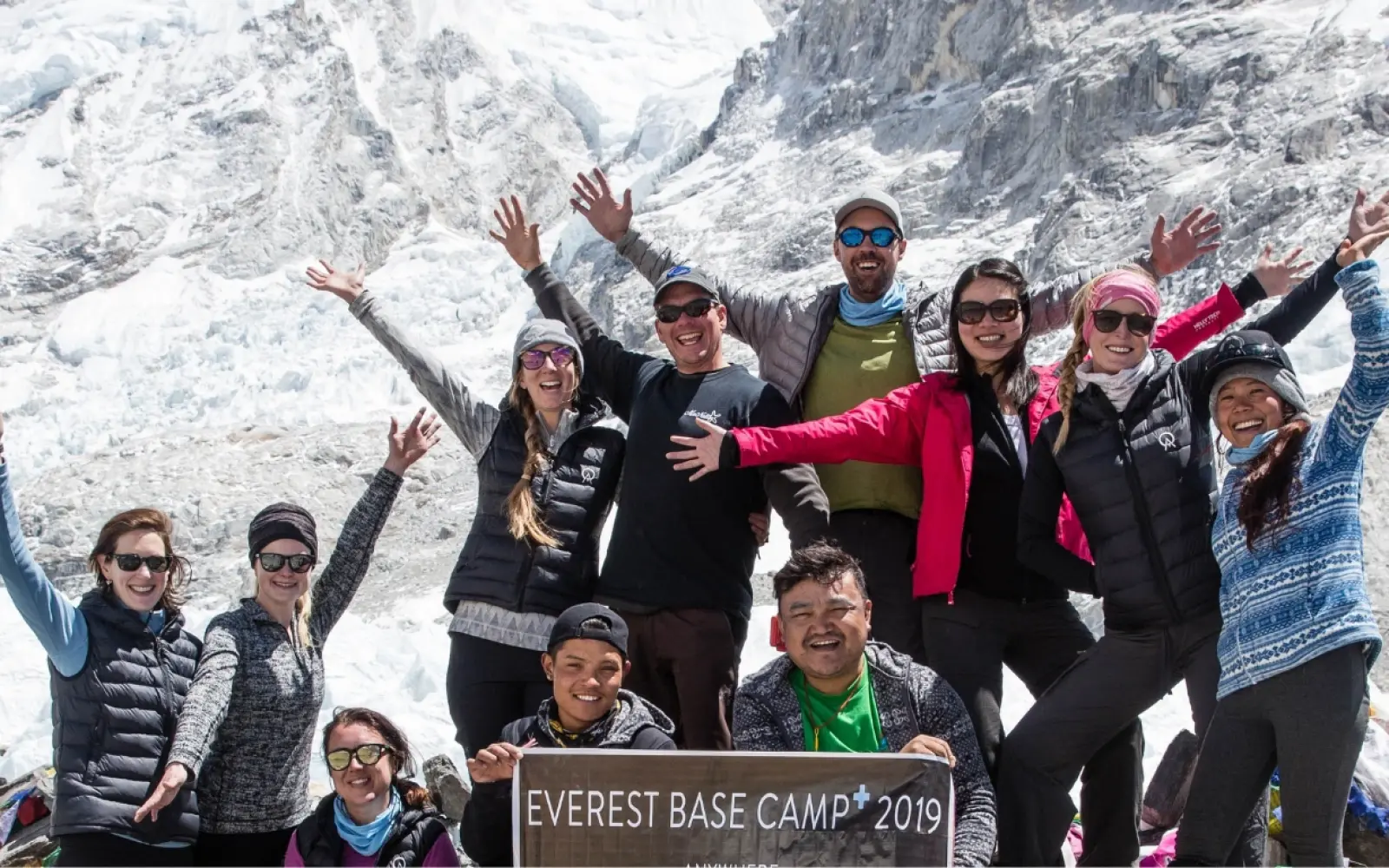

After guiding hundreds of trekkers through Nepal's mountain trails over the past decade, we can say this with confidence: November delivers the finest trekking conditions the Himalayas have to offer.
The monsoon rains have retreated. The skies turn impossibly blue. Mountain views stretch for hundreds of kilometers in every direction. And the trails? Dry, stable, and ready for adventure.
If you're researching the best treks in Nepal in November, you're planning your trip during the most rewarding month of the entire trekking calendar. But with dozens of routes crossing different regions, altitudes, and difficulty levels, choosing the right trek requires local knowledge.
This guide shares everything our team has learned from years of November trekking — the trails that shine brightest, the weather you'll encounter, the logistics you need to consider, and the honest advice that helps you choose the perfect route.
Whether you're a first-time trekker eyeing Poon Hill or an experienced mountaineer preparing for the Everest Three Passes, this guide will help you make an informed decision.
Our guides often joke that November is when the mountains "wake up" after the monsoon. Here's what makes this month exceptional for trekking:
Based on years of guiding experience, these ten routes deliver exceptional experiences during November conditions. We've organized them from classic popular routes to hidden gems.
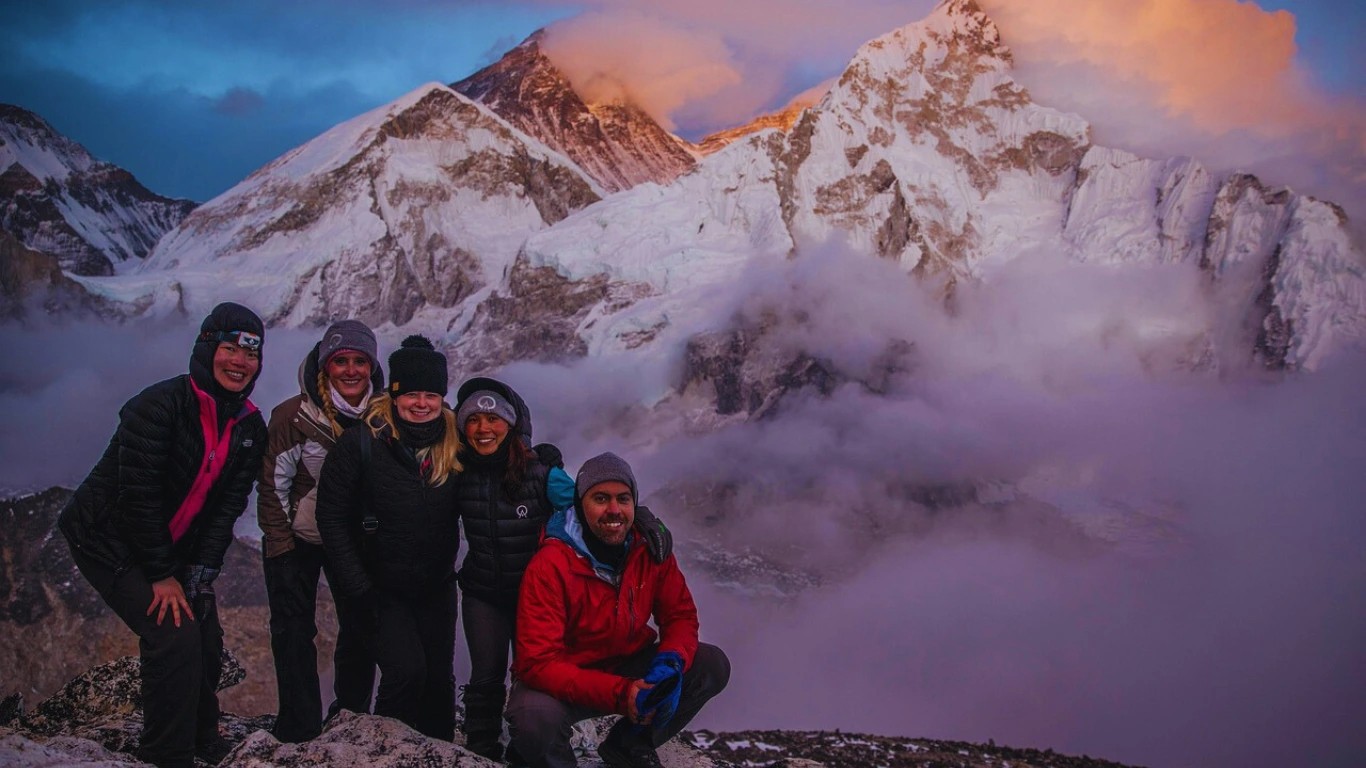
The iconic Himalayan pilgrimage at its finest
November transforms the Everest region into a trekker's paradise. Clear skies reveal the world's highest peaks in stunning detail. The Khumbu Valley showcases its rugged beauty without monsoon clouds or winter storms blocking the views.
The weather window between late October and early December offers the most reliable conditions of the year. Our teams consistently report unobstructed views of Everest, Lhotse, Nuptse, and Ama Dablam. Morning temperatures at base camp hover around -10°C, cold but manageable with proper layering.
The trail remains dry and stable. River crossings are straightforward. The famous suspension bridges feel safer without monsoon-swollen rivers below.
You'll fly into Lukla (one of the world's most exciting airport approaches), then spend 12-14 days ascending through Sherpa villages, crossing dramatic suspension bridges, and acclimatizing at strategic points. The final push to Kala Patthar for sunrise views of Everest is the emotional peak of the journey.
November crowds are real but manageable. Teahouses fill up by late afternoon, so we recommend starting each day's trek early.
Majestic Trails Nepal offers guided Everest Base Camp Trek packages with experienced Sherpa guides and well-planned acclimatization schedules.
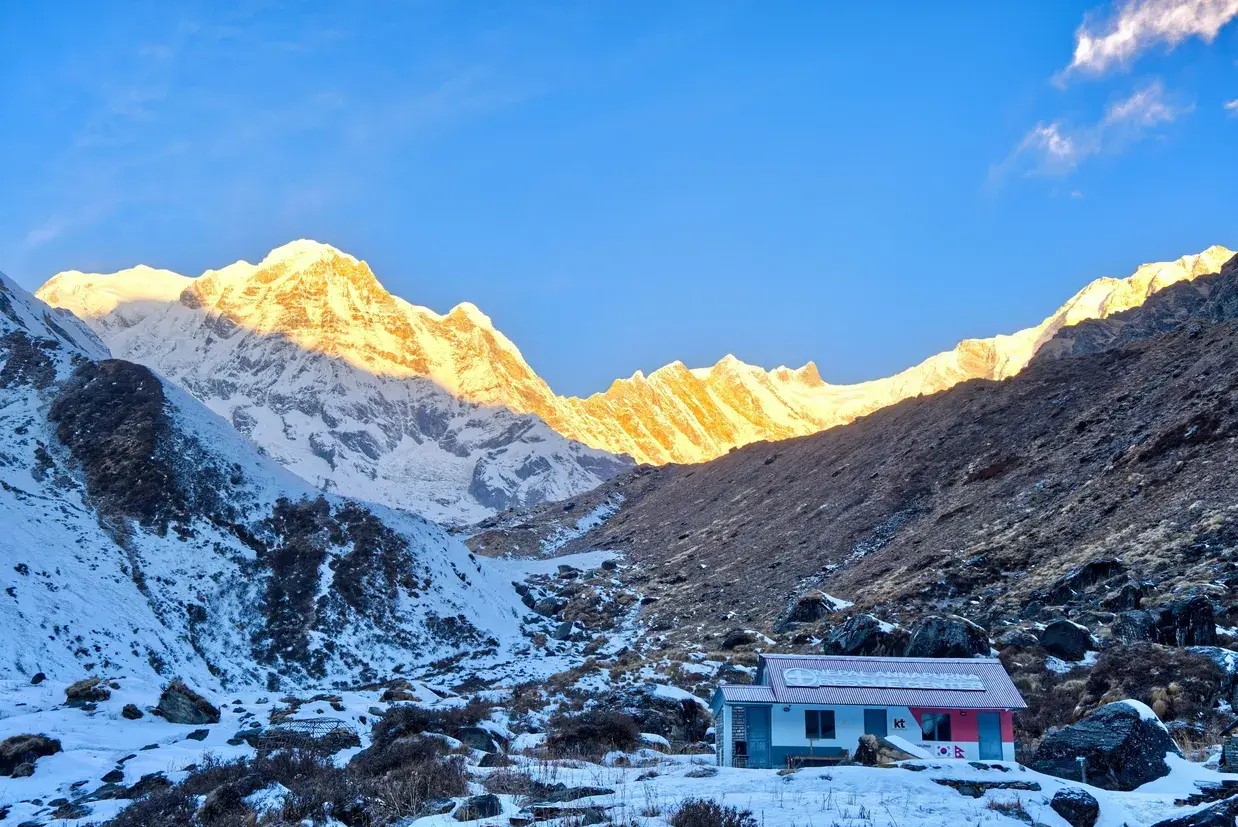
Dramatic mountain amphitheater with accessible trekking
The Annapurna Sanctuary delivers November magic unlike anywhere else. You'll walk into a natural amphitheater surrounded by 7,000m+ peaks, with the massive south face of Annapurna I dominating the horizon.
November conditions mean you'll witness the Annapurna massif without a single cloud for days at a time. The sanctuary's unique geography creates a protected bowl where morning light paints the surrounding peaks in gold and pink.
Trail conditions through the bamboo forests and rhododendron zones are excellent. The stone steps that become treacherous during monsoon are completely dry.
This trek combines cultural immersion with dramatic altitude gain. You'll pass through traditional Gurung villages, climb through changing vegetation zones, and ultimately stand in one of the Himalayas' most spectacular natural amphitheaters.
The lower altitude compared to Everest Base Camp makes this trek more accessible while delivering equally impressive mountain experiences.
Majestic Trails Nepal runs regular Annapurna Base Camp Trek departures throughout November with flexible itineraries.
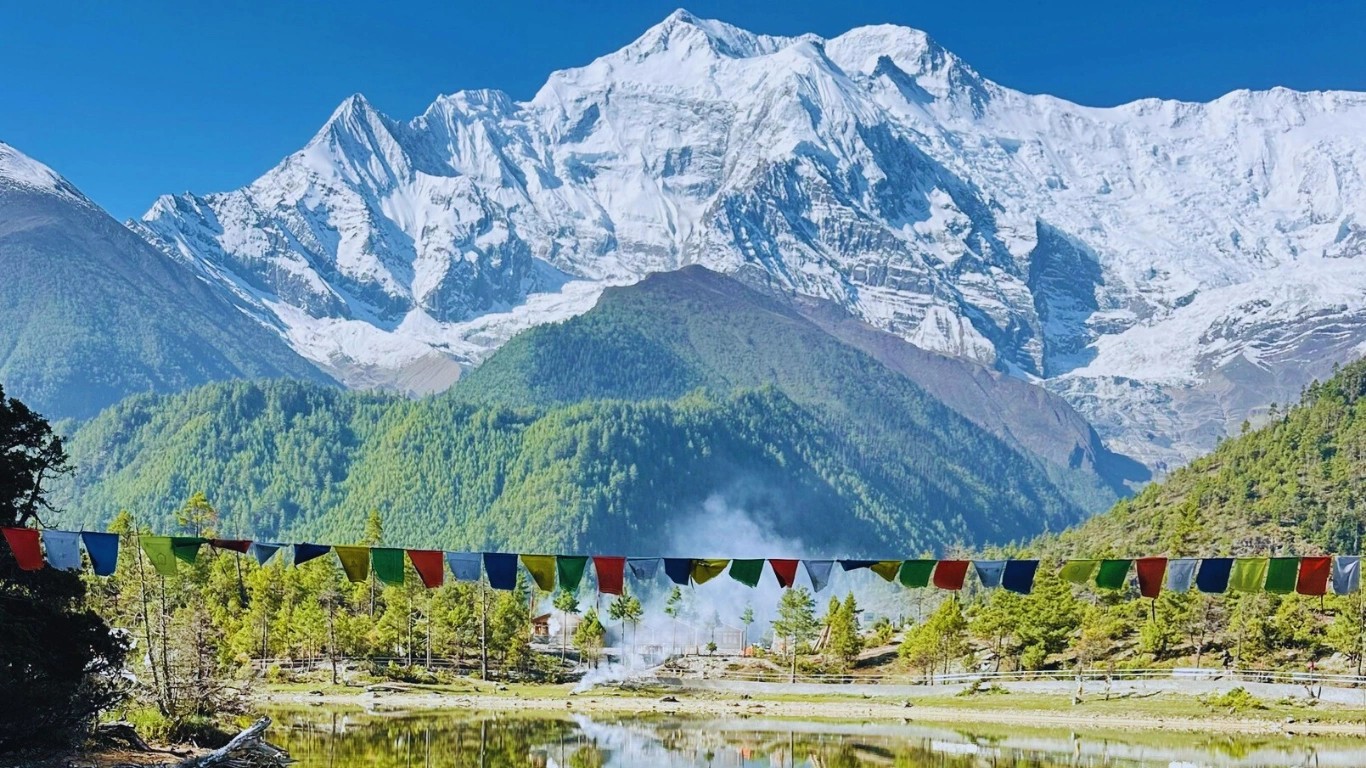
The complete Himalayan experience in a single journey
The Annapurna Circuit remains Nepal's most diverse trekking route. You'll cross Thorong La Pass at 5,416m, traverse from lush subtropical forests to high-altitude desert landscapes, and experience distinct cultural zones along the way.
November offers the best chance for a successful Thorong La crossing. The pass typically remains snow-free through mid-November, with stable conditions for the pre-dawn ascent. Views from the top stretch across the entire Annapurna and Dhaulagiri ranges.
The Manang and Mustang valleys display their stark high-altitude beauty without winter's harshness. You'll experience the rain-shadow effect — walking through landscapes that feel more Tibetan than Nepali.
The full circuit takes you through rice paddies, rhododendron forests, alpine meadows, and finally the arid landscapes beyond the Himalayan rain shadow. The journey demands fitness and determination but rewards you with Nepal's most varied trekking experience.
Some trekkers add the Tilicho Lake detour, adding 2-3 days but accessing one of the world's highest lakes.
Majestic Trails Nepal provides experienced guides for the Annapurna Circuit Trek, including support for high-altitude sections.
Remote adventure with authentic mountain culture
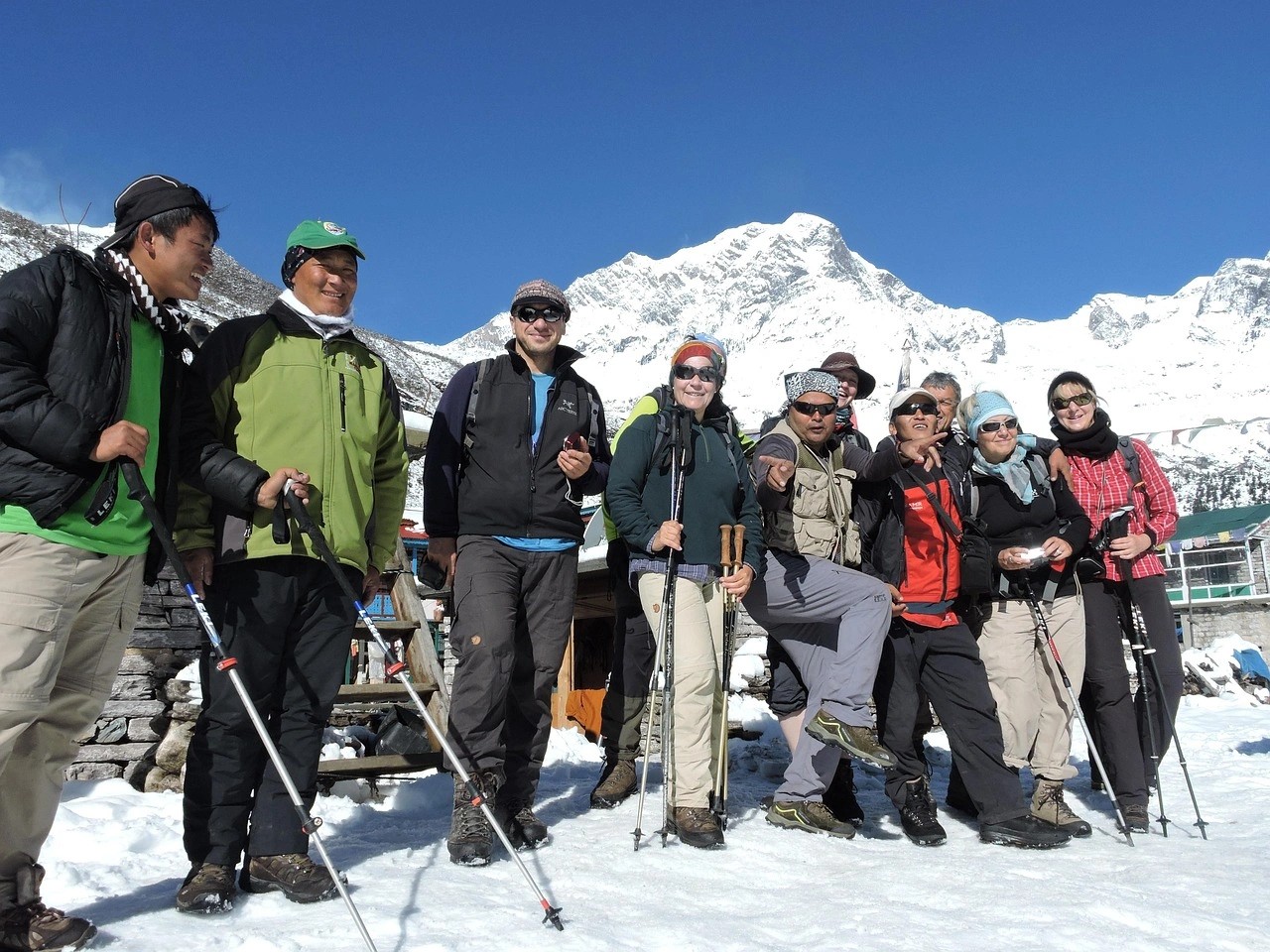
The Manaslu Circuit offers what the Annapurna Circuit provided 20 years ago — authentic village experiences, uncrowded trails, and genuine wilderness trekking. November conditions make this restricted-area route especially rewarding.
The Larkya La Pass (5,160m) crossing benefits from November's stable weather. Snow accumulation is minimal, and the pass typically remains accessible through late November. The restricted permit requirement keeps crowds low even during peak season.
Remote villages along the route offer genuine cultural encounters. You'll stay in traditional stone houses, share meals with local families, and experience hospitality unchanged by mass tourism.
The Manaslu region requires restricted area permits, making this trek slightly more complex logistically. You'll trek through the Budhi Gandaki gorge, climb through traditional villages, and cross one of Nepal's most rewarding high passes.
The route offers mountain grandeur comparable to Everest or Annapurna with a fraction of the foot traffic.
Majestic Trails Nepal handles all permit requirements and provides experienced guides for the Manaslu Circuit Trek.
Mountain beauty closest to Kathmandu
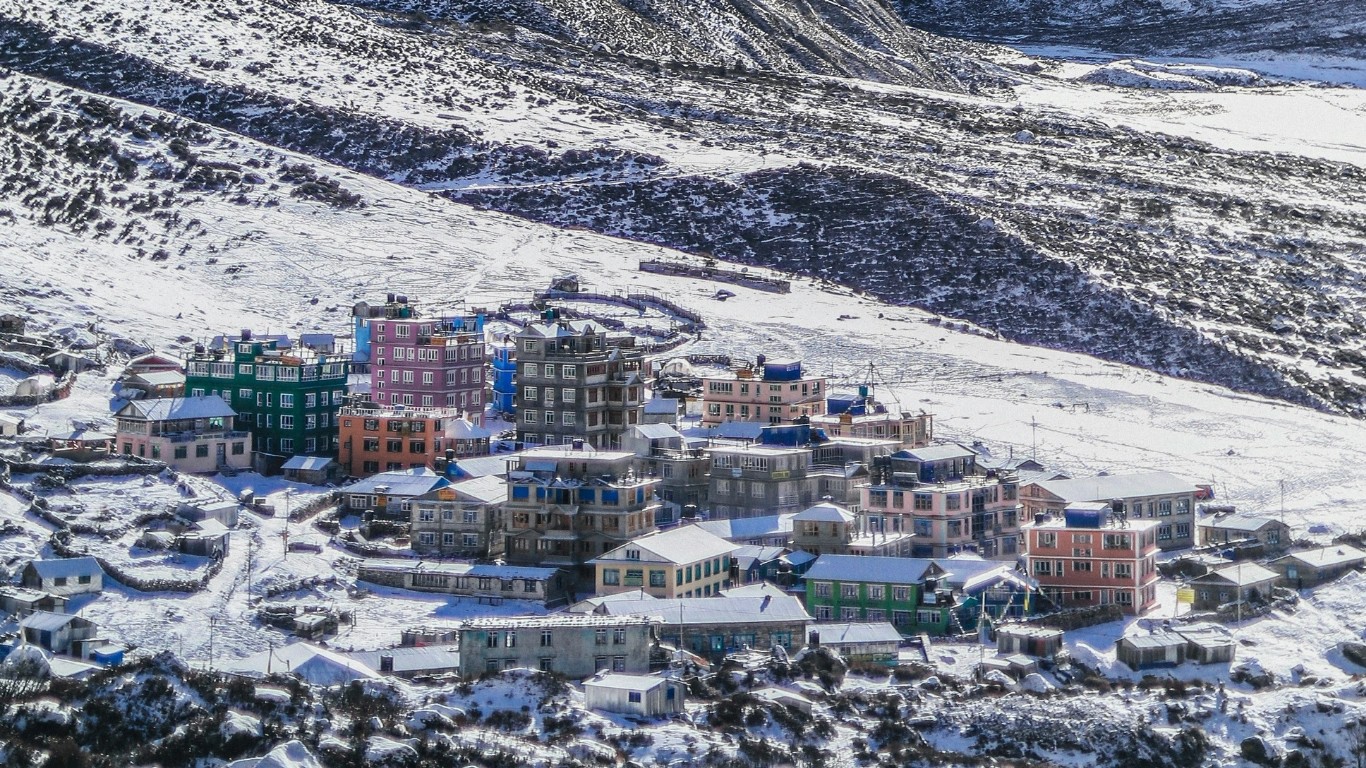
The Langtang Valley combines accessibility with authentic high-Himalayan scenery. November's clear conditions showcase the Langtang Lirung massif and surrounding peaks with exceptional clarity.
November weather in Langtang means reliable views throughout your trek. The valley orientation captures morning and evening light beautifully, making this a photographer's favorite. Temperatures remain comfortable at the moderate altitudes involved.
The region has recovered remarkably from the 2015 earthquake, with rebuilt teahouses offering comfortable accommodation throughout the valley.
The Langtang Valley trek begins with a scenic drive from Kathmandu to Syabrubesi, then follows the Langtang Khola upstream through changing forest zones. The upper valley opens dramatically, with the Langtang glacier and surrounding peaks creating an alpine paradise.
The optional climb to Kyanjin Ri (4,984m) provides panoramic views rivaling any viewpoint in Nepal.
Majestic Trails Nepal offers both standard and extended Langtang Valley Trek itineraries.
Emerging classic with pristine mountain views
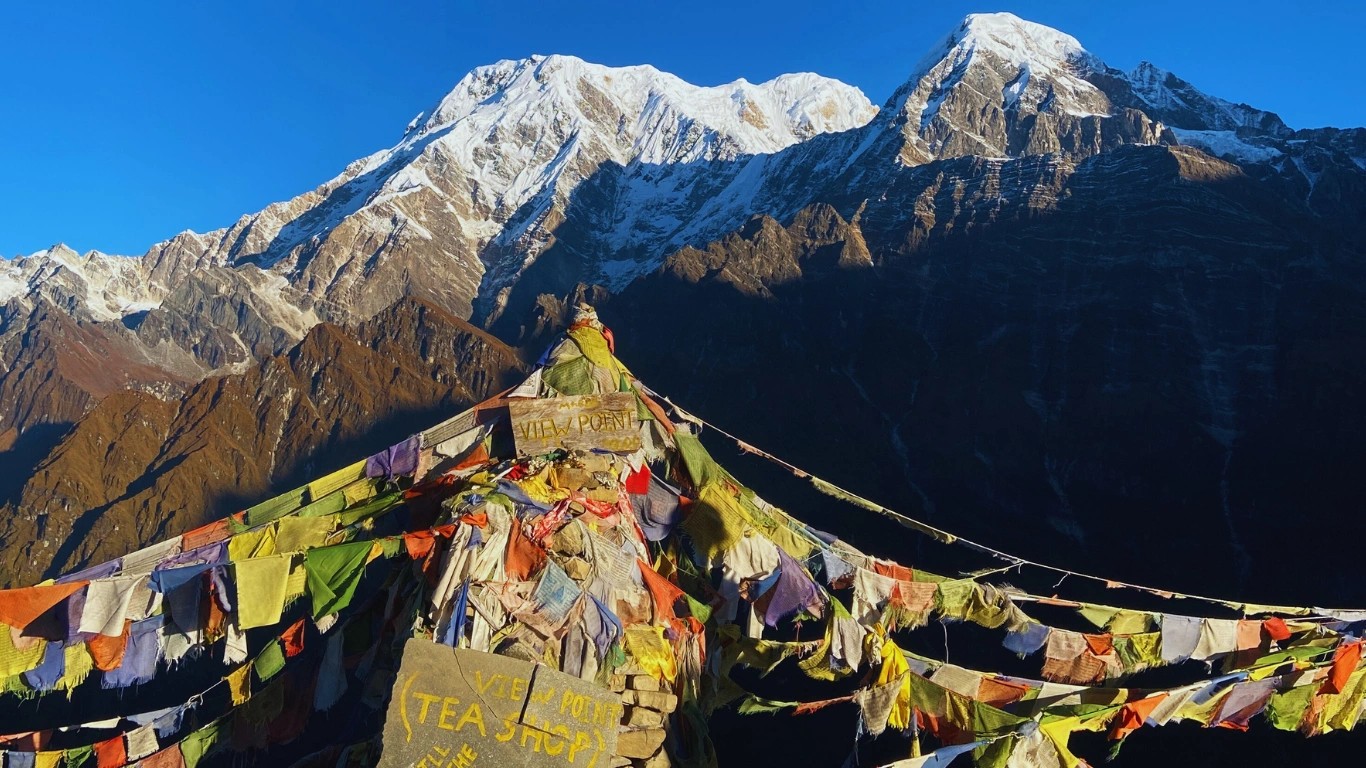
The Mardi Himal Trek has quickly become one of our November favorites. This relatively new route delivers stunning Annapurna and Machhapuchhre views with fewer crowds than neighboring trails.
November's clear skies make Mardi Himal's ridge-walk approach especially rewarding. You're exposed to mountain views for much of the trek, and November conditions mean those views remain unobstructed day after day.
The trail sees a fraction of Annapurna Base Camp traffic while offering comparable mountain scenery. Teahouses never feel crowded, and the experience maintains an intimate character.
The trek begins in Pokhara and quickly gains altitude through beautiful forest zones. Upper sections follow a stunning ridgeline with continuous mountain views. The high camp experience, watching sunset and sunrise on Annapurna South and Machhapuchhre, ranks among Nepal's finest trekking moments.
Majestic Trails Nepal guides this emerging classic route throughout November with small-group departures.
The perfect introduction to Himalayan trekking
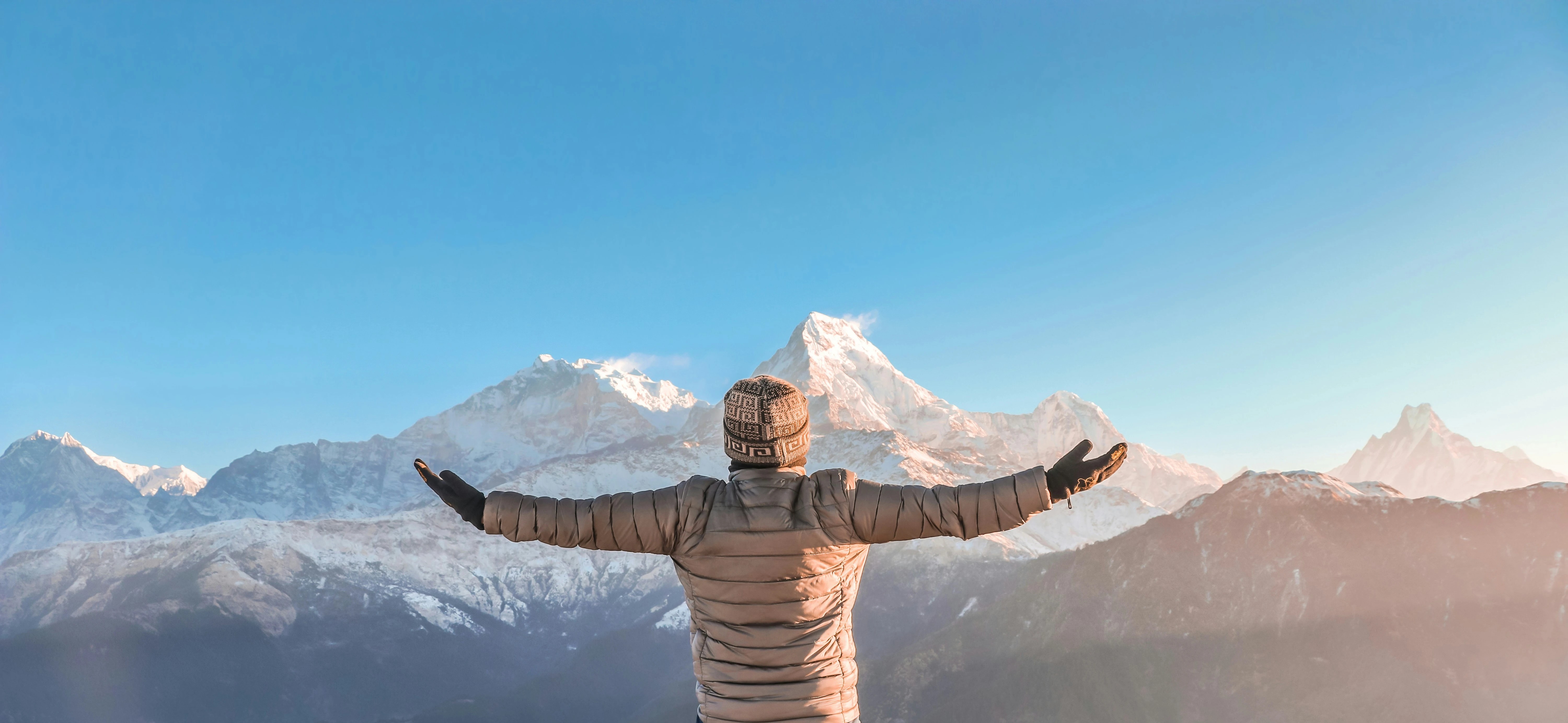
Poon Hill remains Nepal's most accessible high-altitude viewpoint. November conditions transform this short trek into an unforgettable introduction to the Himalayas.
November delivers the clearest Poon Hill sunrises of the year. You'll stand at 3,210m watching the first light hit Dhaulagiri, Annapurna South, Machhapuchhre, and the entire Annapurna range. The panorama stretches across 100+ kilometers of Himalayan peaks.
The lower altitudes involved mean comfortable temperatures throughout. Rhododendron forests (spectacular in spring, but beautiful year-round) provide pleasant walking conditions.
This trek packs remarkable reward into a short timeframe. You'll trek through traditional villages, climb to the famous Poon Hill viewpoint for sunrise, and descend through beautiful forest trails. It's an ideal introduction to Himalayan trekking or a standalone adventure for those with limited time.
Majestic Trails Nepal runs regular Poon Hill departures suitable for trekkers of all experience levels.
The ultimate Everest region challenge
For experienced trekkers seeking a comprehensive Khumbu adventure, the Three Passes Trek covers the region's most dramatic terrain. November provides the weather window needed for this ambitious route.
The three high passes — Kongma La (5,535m), Cho La (5,420m), and Renjo La (5,360m) — require stable conditions. November typically delivers the clear weather and moderate snow levels needed for safe crossings.
This extended route rewards the effort with views and experiences unavailable on the standard Everest Base Camp trek. You'll access remote valleys, pristine lakes, and viewpoints seen by relatively few trekkers.
This is Nepal's most demanding popular trek. You'll cross three passes above 5,400m, visit Everest Base Camp, climb Kala Patthar and Gokyo Ri, and experience the full scope of the Khumbu region. Excellent fitness, previous altitude experience, and proper acclimatization are essential.
Majestic Trails Nepal provides experienced guides and careful acclimatization planning for the demanding Three Passes route.
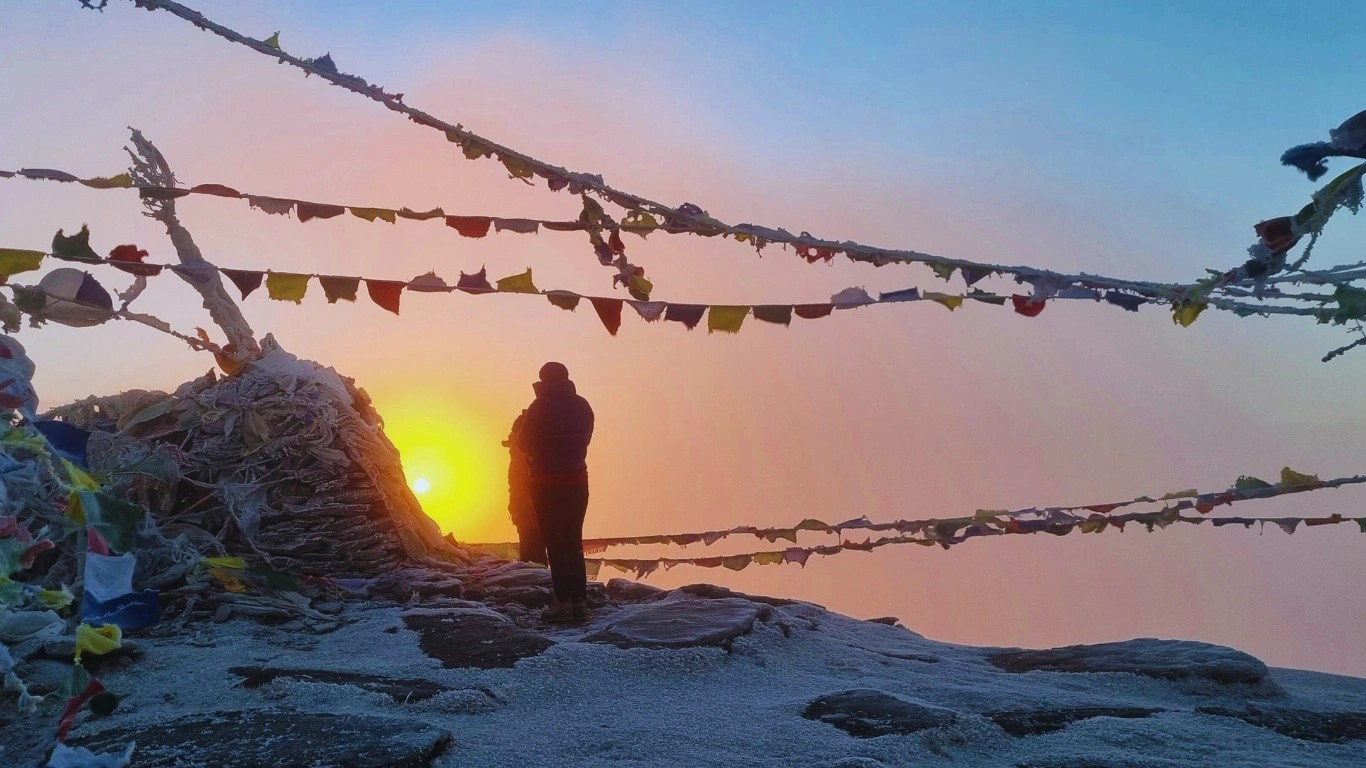
The viewpoint Sir Edmund Hillary called the best
Pikey Peak offers what might be Nepal's finest Himalayan panorama — the viewpoint Sir Edmund Hillary reportedly called his favorite. November conditions make this underrated trek especially rewarding.
November's exceptional visibility makes Pikey Peak's 360-degree panorama unforgettable. You'll see from Kanchenjunga in the east to Dhaulagiri in the west — a spread of eight 8,000m peaks visible from a single point.
This lower-altitude route avoids the crowds of the main Everest trail while accessing views that many experienced trekkers consider superior.
The trek begins from Phaplu (accessible by flight or jeep), passing through authentic Sherpa villages largely untouched by tourism. The summit day delivers one of Nepal's great panoramic rewards — the entire Himalayan range spread before you at sunrise.
Majestic Trails Nepal guides this hidden gem route for trekkers seeking exceptional views without extreme altitude.
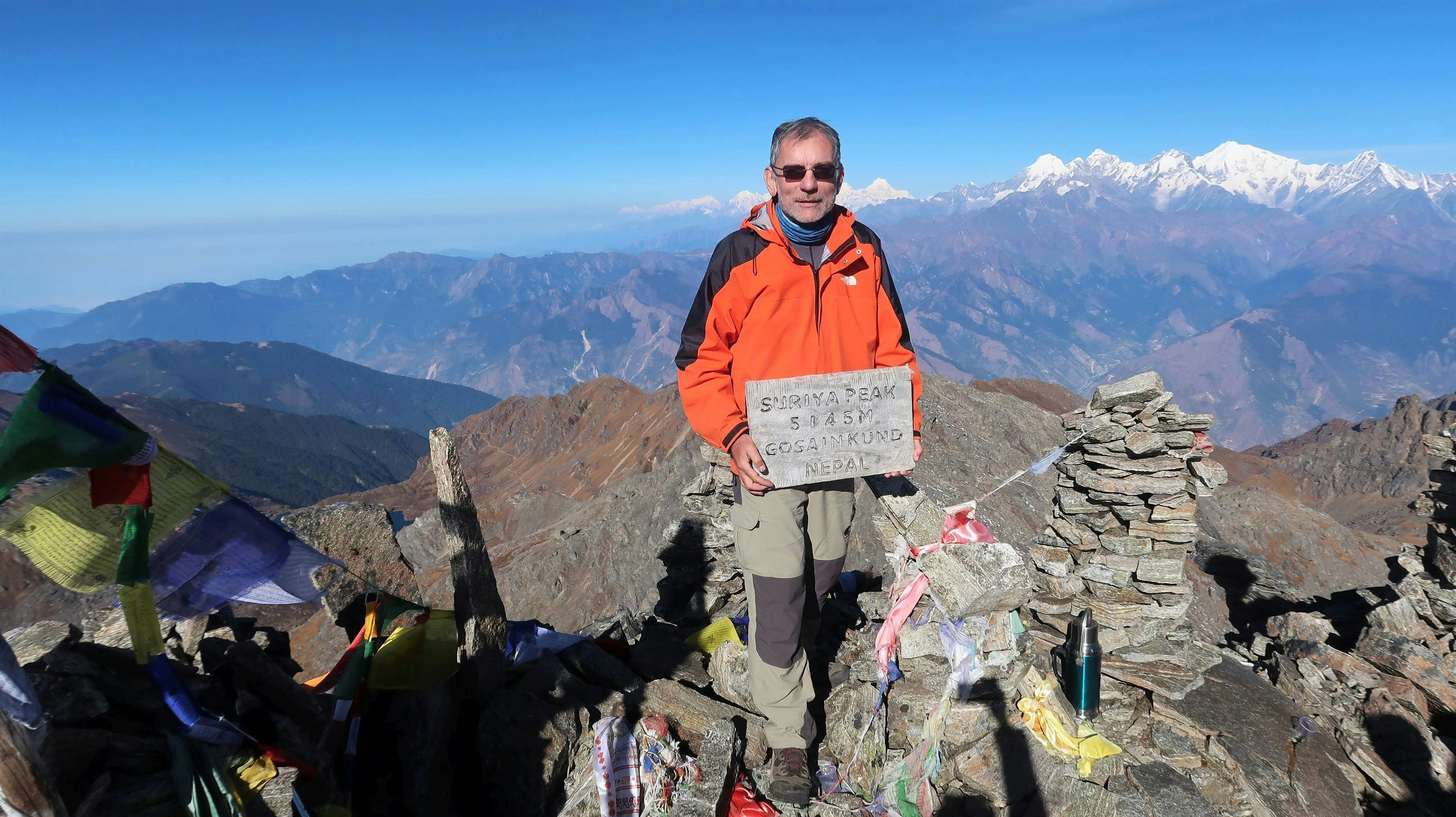
Sacred lakes and alpine wilderness
Combining the Langtang Valley with the sacred Gosaikunda Lakes creates an extended adventure through some of Nepal's most diverse terrain. November conditions favor the high lake crossing.
The Gosaikunda Lakes sit at 4,380m in a dramatic alpine setting. November's clear skies reflect perfectly in the sacred waters. The Laurebina La pass (4,610m) is typically clear of heavy snow, making the crossing straightforward.
This combination trek offers exceptional variety — valley floor forests, high alpine lakes, and a different descent route providing varied terrain throughout.
You'll trek the Langtang Valley before climbing to the sacred Gosaikunda Lakes — an important Hindu and Buddhist pilgrimage site. The crossing to Helambu through Laurebina La completes an adventure-rich circuit with religious significance and natural beauty.
Majestic Trails Nepal offers guided Langtang-Gosaikunda combinations throughout the November season.
| Trek | Duration | Difficulty | Best For |
|---|---|---|---|
| Everest Base Camp | 12-14 days | Moderate-Challenging | Adventure |
| Annapurna Base Camp | 10-12 days | Moderate | Beginners |
| Annapurna Circuit | 14-18 days | Challenging | Experienced |
| Manaslu Circuit | 14-16 days | Challenging | Solitude |
| Langtang Valley | 7-10 days | Moderate | Quick Trek |
| Mardi Himal | 5-7 days | Moderate | Photography |
| Ghorepani Poon Hill | 4-5 days | Easy-Moderate | Family |
| Everest Three Passes | 18-21 days | Very Challenging | High-Altitude |
| Pikey Peak | 6-8 days | Moderate | Views |
| Langtang Gosaikunda | 12-14 days | Challenging | Culture |
Selecting the right trek depends on your experience, available time, fitness level, and what you want from your Himalayan adventure. Here's our guidance based on common priorities:
Ghorepani Poon Hill Trek — Low altitude, short duration, comfortable teahouses, and one of Nepal's finest mountain panoramas. You can't go wrong starting here.
Everest Three Passes Trek — Tests your limits while delivering the complete Khumbu experience. Requires previous altitude experience and excellent fitness.
Mardi Himal Trek — Delivers serious mountain scenery in 5-7 days with moderate difficulty and uncrowded trails.
Everest Base Camp Trek — Nothing compares to standing at Kala Patthar watching sunrise light the world's highest peak. The classic remains the best.
Manaslu Circuit Trek — Remote villages, authentic Tibetan Buddhist culture, and traditional hospitality unchanged by mass tourism.
Langtang Valley Trek — Accessible from Kathmandu without flights, offering excellent mountain scenery and cultural experiences at reasonable cost.
Annapurna Base Camp Trek or Mardi Himal Trek — Both offer spectacular mountain views with excellent lighting conditions and varied compositions.
Manaslu Circuit Trek or Pikey Peak Trek — Restricted permits (Manaslu) or lesser-known routes (Pikey) mean genuine wilderness experiences.
Understanding November weather helps you pack appropriately and set realistic expectations.
At popular trekking altitudes (3,000m-4,500m), expect daytime temperatures of 10-18°C in sunshine. You'll trek comfortably in base layers, adding a light fleece during rest stops.
Temperatures drop significantly after sunset. At base camp altitudes (4,000m-5,500m), expect -5°C to -15°C overnight. Quality sleeping bags and warm layers are essential.
November is one of Nepal's driest months. Our teams frequently complete 14-day treks without any rain or snow. Light snow is possible above 5,000m, but significant accumulation is rare before late November.
This is where November truly excels. Post-monsoon clarity creates visibility stretching 200+ kilometers on clear mornings. Mountain photography opportunities are outstanding.
Higher passes and exposed ridges can experience significant wind, particularly in afternoons. The Three Passes and Thorong La crossings benefit from early starts to avoid afternoon winds.
Layer effectively for variable conditions:
Based on years of November guiding experience, here's our practical advice:
November is peak season. On Everest Base Camp and Annapurna routes, teahouses fill by 2-3 PM. We recommend booking ahead or starting each day's trek early to secure better rooms.
Morning conditions are optimal — clearer skies, better light, less wind at high altitude. We typically start walking by 7-8 AM, arriving at destinations by early afternoon.
November's perfect weather tempts trekkers to move fast. Resist this temptation. Altitude sickness remains a real risk regardless of weather conditions. Follow "climb high, sleep low" principles carefully.
ATMs are available during the Everest Base Camp trek up to Namche Bazaar. After Namche, there are generally no reliable ATMs along the trail. Card payments are rare in the trekking region, and when accepted they often include a 5–7% service fee. It is best to carry sufficient cash in Nepali rupees to cover your trek expenses, along with some extra for emergencies.
November's popularity means Lukla flights book out weeks in advance. TIMS cards and restricted area permits require processing time. Book at least 2-3 weeks before your trek start date.
November's temperature swings require smart layering. You'll start mornings in warm clothes, shed layers as you warm up hiking, then add everything at rest stops and after sunset.
UV radiation intensifies at altitude. Use SPF 50+ sunscreen, quality sunglasses, and lip protection. The clear November skies mean more sun exposure than cloudy conditions.
If crowds concern you, consider Mardi Himal, Langtang, Manaslu, or Pikey Peak instead of Everest Base Camp or Annapurna Circuit. You'll experience November's finest conditions without peak-season congestion.
Weather patterns and your body's acclimatization may suggest itinerary adjustments. Build rest days into your schedule and work with guides who can adapt plans as needed.
Local trekking companies understand November conditions intimately. Our guides know which trails flood after storms, which teahouses serve the best dal bhat, and how to navigate changing conditions safely.
Choosing a trekking company is a significant decision. Here's what we offer:
Our guides aren't just employees — they're mountain people who grew up in these regions. Many hold certifications from the Nepal Mountaineering Association. They know the trails, the weather patterns, the emergency procedures, and the stories that bring these mountains to life.
High-altitude trekking involves real risks. We carry first aid supplies, pulse oximeters for altitude monitoring, and emergency communication devices. Our guides are trained in altitude sickness recognition and evacuation procedures.
Trekking conditions change. Weather shifts, teahouses fill, bodies need extra acclimatization. We plan carefully but adapt as needed, ensuring the best possible experience regardless of circumstances.
We believe in tourism that benefits local communities. We employ local guides and porters at fair wages, stay in locally-owned teahouses, and minimize environmental impact on the trails we love.
From airport pickup through trek completion, we handle logistics so you can focus on the experience. Permits, accommodation bookings, internal flights, ground transport — everything is arranged before you arrive.
We don't just guide — we know these mountains intimately. Our team has climbed these trails in every season, knows the families running remote teahouses, and understands the cultural significance of the places you'll visit.
Explore our full range of Nepal treks or contact us to discuss your November adventure.
November consistently ranks as Nepal's finest trekking month. The combination of post-monsoon clarity, stable weather, comfortable temperatures, and dry trails creates ideal conditions. October and November together form the peak autumn trekking season, with November often delivering slightly clearer conditions as more time passes since monsoon.
Light snow is possible above 5,000m, particularly in late November, but significant accumulation is rare. High passes like Thorong La, Larkya La, and the Everest Three Passes typically remain accessible throughout November. Heavy winter snow usually doesn't arrive until December.
The Ghorepani Poon Hill Trek offers the most accessible introduction to Himalayan trekking. Maximum altitude of 3,210m means minimal altitude concerns, while the 4-5 day duration suits various schedules. The Mardi Himal Trek provides another relatively accessible option with more dramatic mountain views.
Yes, November is peak season for Everest Base Camp, and trails are noticeably busier than other months. However, "crowded" is relative — you'll meet many other trekkers, but the experience remains rewarding. Starting each day's trek early helps avoid afternoon congestion at teahouses. For less crowded alternatives with Everest region views, consider Pikey Peak.
Trek costs vary significantly based on route, duration, and service level. Budget travelers might spend $30-50/day on teahouse treks arranging independently. Guided treks through local operators typically range from $80-150/day inclusive of permits, accommodation, food, and guide services. Premium services and luxury lodges increase costs further. November's peak-season demand doesn't significantly affect prices, but booking early ensures availability.
While some treks (like Manaslu Circuit) legally require guides, others allow independent trekking. However, we strongly recommend local guides for safety, cultural insight, and enhanced experience. Guides know weather patterns, emergency procedures, and can solve problems before they become serious. They also provide employment for local communities and share knowledge that enriches your journey.
Most treks require a TIMS (Trekkers' Information Management System) card and relevant conservation area or national park permits. Restricted area treks like Manaslu require special permits arranged through registered agencies. Permit fees vary by region and trek. Learn more about Nepal trekking permits.
Essential items include quality hiking boots, layered clothing system, down jacket, warm sleeping bag, sun protection, water treatment, first aid basics, and appropriate trekking gear.
November offers a narrow window of exceptional trekking conditions. With peak-season demand, planning ahead ensures the best experience.
Ready to start planning? Our team is available to discuss your goals, fitness level, and preferences to recommend the perfect November trek.
Contact Majestic Trails Nepal to begin your Himalayan adventure.
The trekking team at Majestic Trails Nepal has guided thousands of trekkers through Nepal's mountains over the past decade. This guide reflects our real experience with November conditions and our commitment to helping trekkers make informed decisions.

Let's cut straight to it. Autumn, specifically September through November, is the best time to trek in Nepal. Spring runs a very close second, coverin...

The morning mist parts slowly, revealing a hillside ablaze with crimson rhododendrons. Somewhere in the branches above, a Himalayan Monal's iridescent...
Nepal is a land where nature paints its most spectacular masterpieces. From the towering peaks of the Himalayas to serene alpine lakes, dense jungles...
Winter in Nepal gets misunderstood a lot. Most travelers from Europe or North America picture deep snowdrifts, frozen trails, and dangerous conditions...
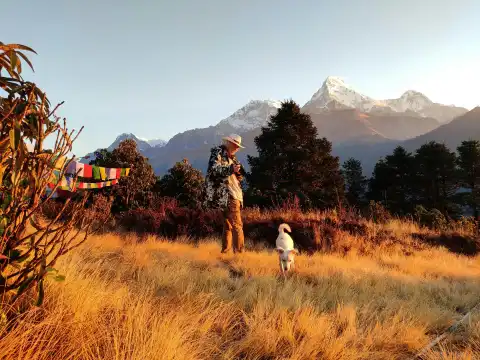
Planning your Himalayan adventure starts with understanding the Poon Hill trek cost clearly. This guide breaks down every expense you will face on thi...
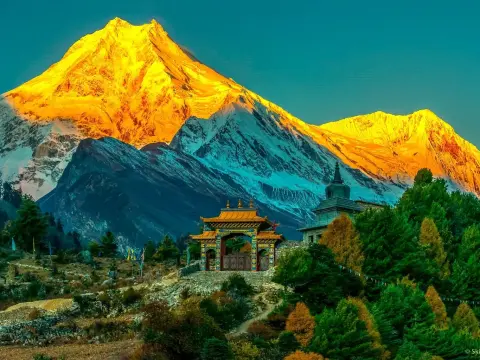
The Manaslu Circuit Trek stands as one of Nepal's most rewarding yet less-traveled high-altitude adventures. Circling Mount Manaslu (8,163m), the worl...
