
Thupten Chholing Monastery, Solu-Khumbu: History, Culture & Festivals
15 Jan 2026
Situated in the peaceful Solu-Khumbu region of Nepal, near the village of Junbesi, Thupten Chholing Monastery is a living testament to Tibetan Buddhis...

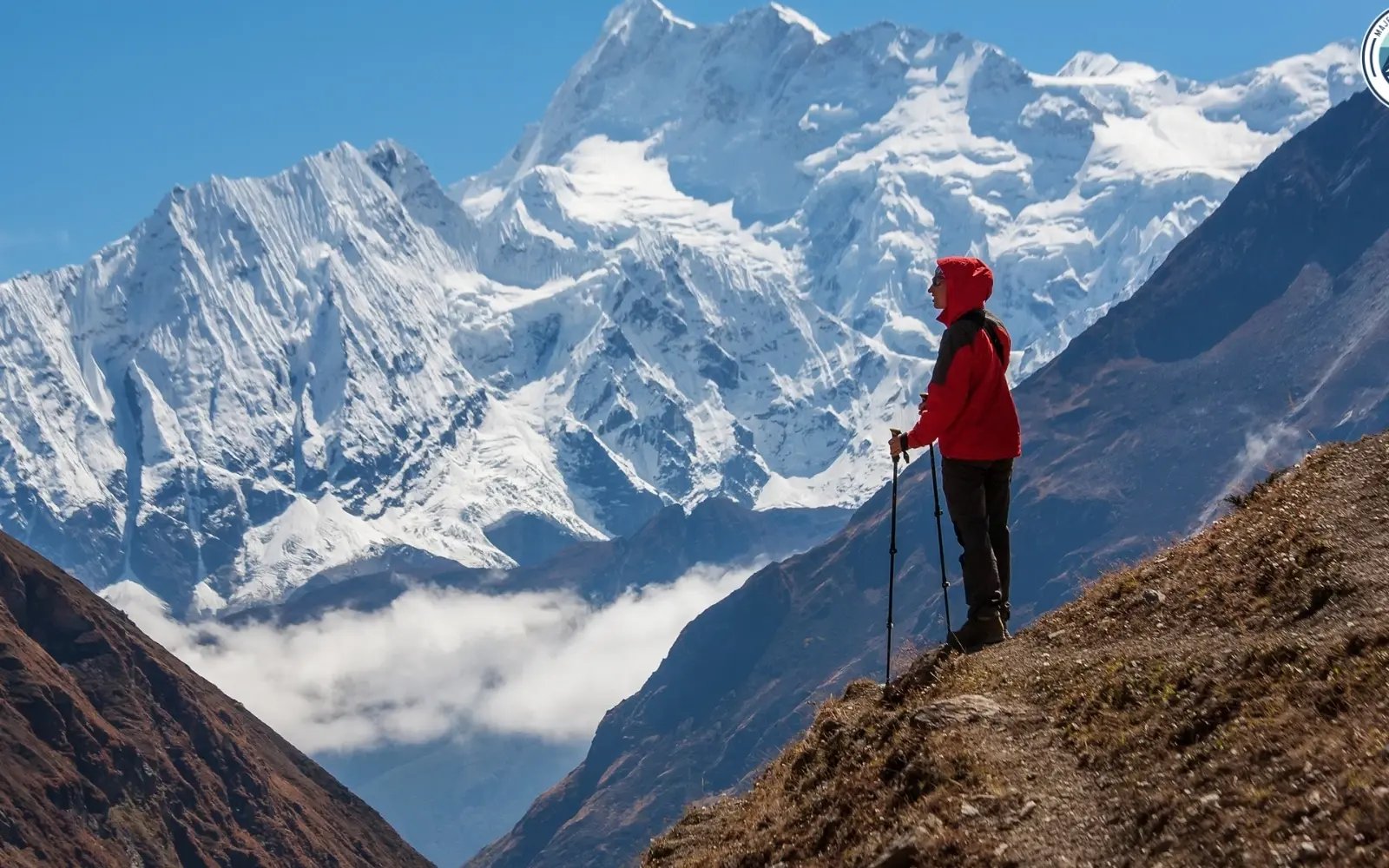

After guiding hundreds of trekkers through the spectacular Manaslu region, we've heard countless variations of "I wish someone had told me..." Those honest reflections from our clients inspired this guide.
At Majestic Trails Nepal, we believe the best adventures happen when trekkers know what to expect. The Manaslu Circuit Trek delivers unforgettable mountain scenery, authentic Tibetan-Buddhist culture, and genuine wilderness—but it also presents challenges that deserve your attention.
Here are 10 things we wish every trekker knew before hiking the Manaslu Circuit Trek. These insights come directly from our experienced guides and the trekkers we've had the privilege of supporting along this magnificent trail.
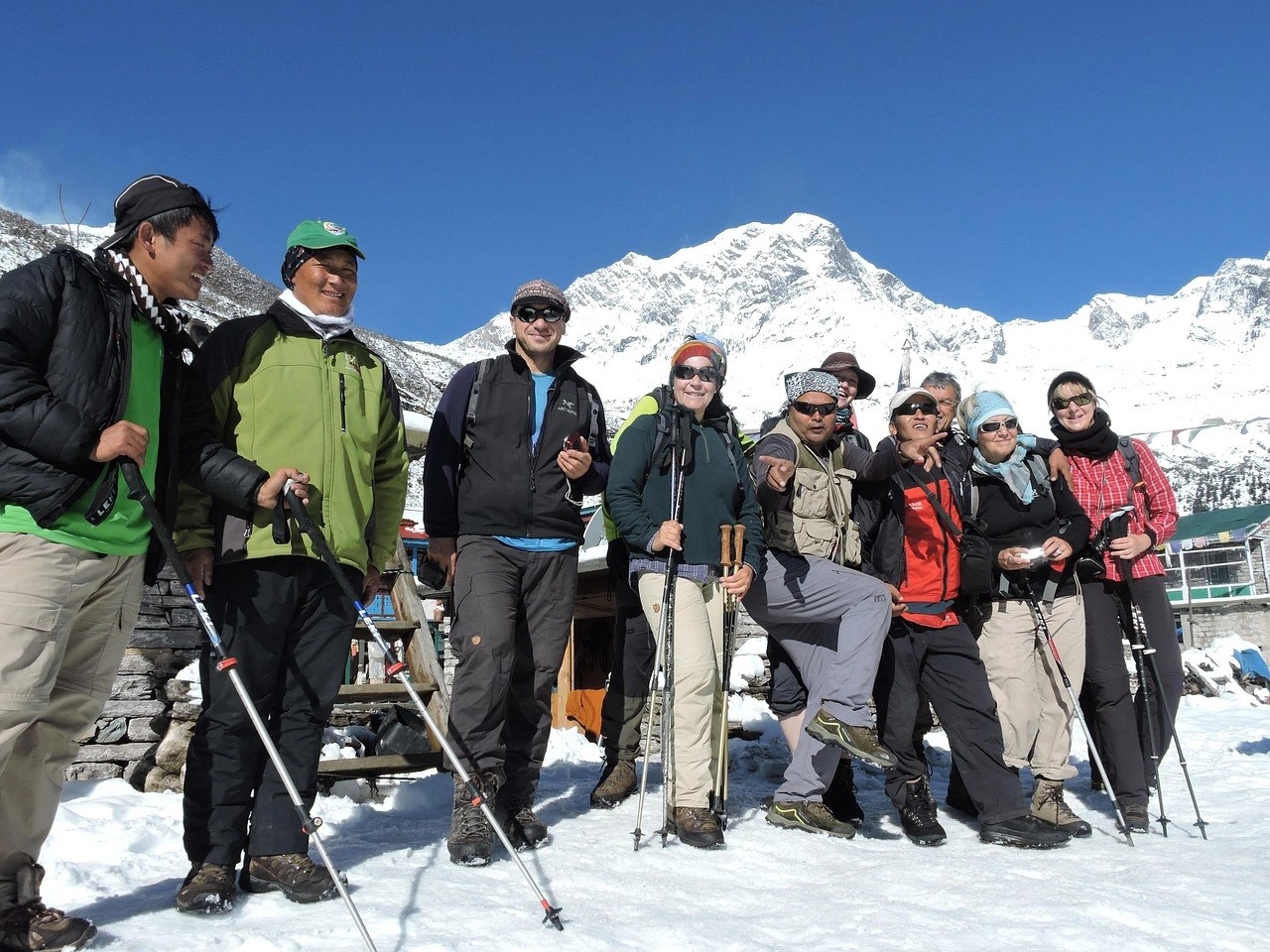
We'll be honest with you—the Manaslu Circuit demands solid physical preparation. Our guides consistently notice that well-trained trekkers enjoy the journey far more than those who arrive unprepared.
What actually works (based on our experience):
The trek involves 6–8 hours of daily walking across varied terrain, with sustained climbs and challenging descents. Your knees, in particular, will thank you for pre-trek strength conditioning.
Our recommendation? Review the detailed Manaslu Circuit itinerary to understand daily elevation profiles, then structure your training accordingly.
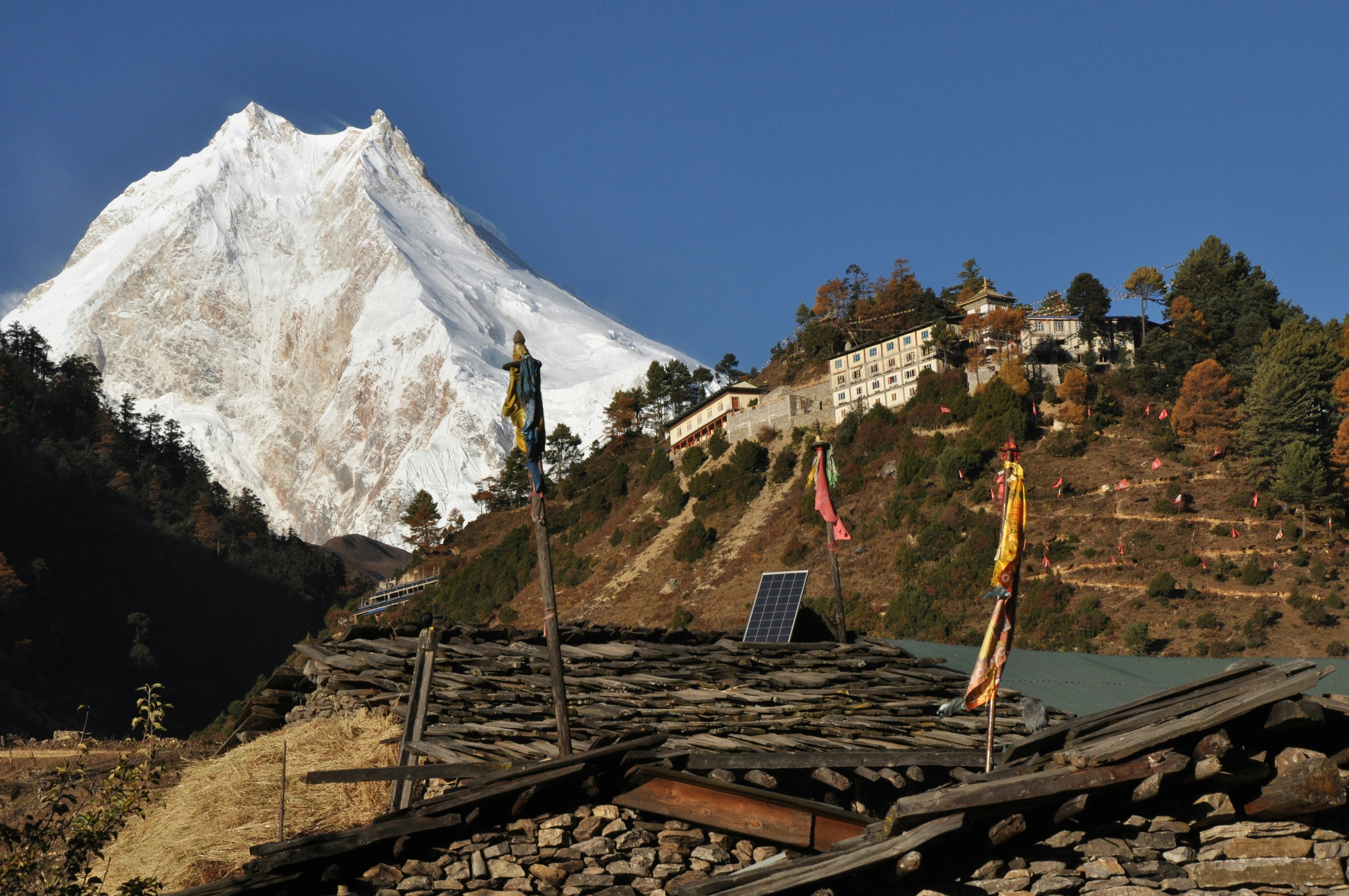
Over the years, we've watched how dramatically seasonal conditions affect the Manaslu experience. Choosing your trek window wisely makes all the difference.
Autumn (September–November):
Spring (March–May):
Winter considerations:
Our guides note that December–February brings extreme cold and potential Larkya La closures due to heavy snow. Only experienced winter trekkers should attempt this window.
Monsoon months (June–August):
We don't recommend trekking during monsoon. Heavy rainfall creates dangerous trail conditions, frequent landslides, and persistent cloud cover that obscures the stunning mountain views you came to see.
Here's something many trekkers don't realize: Manaslu teahouses remain beautifully basic. Unlike the developed Everest or Annapurna regions, this circuit preserves authentic mountain hospitality.
What our guides want you to know:
Insider tip from our team: Ordering both dinner and breakfast from your teahouse often includes free accommodation. This traditional arrangement benefits everyone—always ask about it.
The Manaslu region operates under restricted area regulations, which surprises many first-time trekkers. Here's what that means practically:
Essential permits required:
Critical restrictions:
At Majestic Trails Nepal, we handle all permit logistics as part of our Manaslu Circuit trek package. Our team manages paperwork, timing, and compliance so you can focus on preparing physically and mentally for your adventure.
Start the process at least 2–3 weeks before your planned departure date.
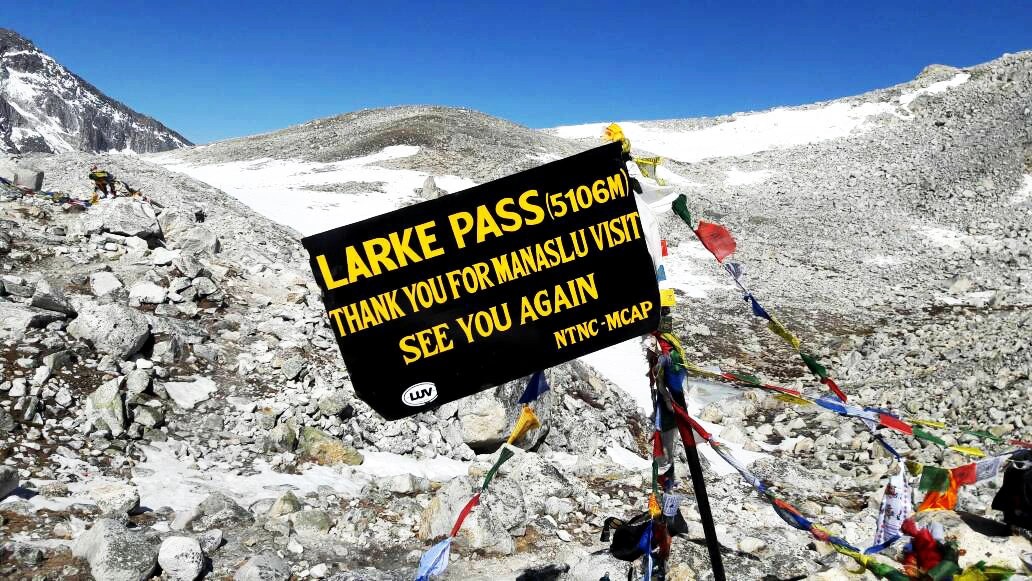
Our guides' most important advice? Never underestimate altitude. We've supported countless trekkers through altitude challenges, and proper acclimatization makes the difference between struggle and enjoyment.
The Manaslu Circuit altitude reaches 5,106 meters at Larkya La Pass. Your body needs time adjusting to progressively thinner air.
Our proven acclimatization strategies:
Our itineraries include strategic acclimatization days because your safety comes first. We'd rather you summit Larkya La feeling strong than rush the schedule and risk your health.
For comprehensive preparation, read our Manaslu Circuit altitude and acclimatization guide.
Based on years of guiding experience, we've learned exactly what trekkers actually need versus what they think they need.
Absolute essentials our guides recommend:
What to leave home:
Pro tip from our porters: If your backpack exceeds 10kg, hire a porter. Your knees will appreciate the decision during steep descents, and you'll directly support local employment.
Our guides emphasize that proper nutrition and hydration directly impact your trekking performance and altitude acclimatization.
Food recommendations:
Water safety essentials:
Our guides recommend consuming 4 liters daily during acclimatization days. Your body processes fluids faster at altitude, making hydration critical for preventing altitude sickness.
The Manaslu region preserves authentic Tibetan-Buddhist culture that makes this trek culturally enriching beyond the mountain scenery. Our local guides help you connect respectfully with these communities.
Cultural guidelines we emphasize:
The communities along this route have rebuilt beautifully following earthquake damage. When you support local teahouses, buy handcrafted items, and hire local guides and porters, you directly contribute to community resilience.
At Majestic Trails Nepal, we believe responsible tourism benefits everyone. Our partnerships with local communities ensure your trek supports sustainable development.
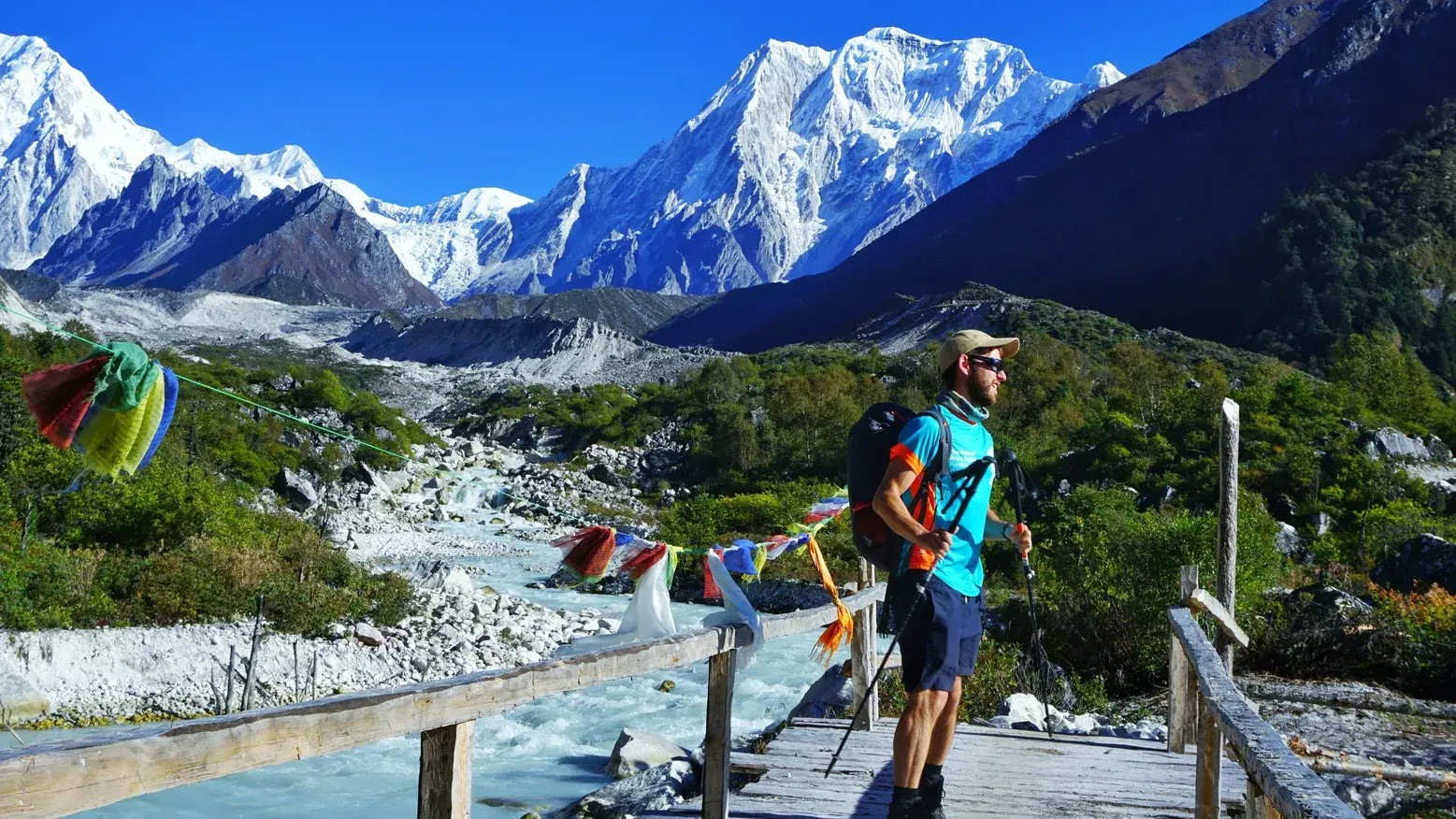
Our guides have witnessed how quickly Himalayan weather transforms trail conditions. Flexibility and preparation become your best assets.
Expect these challenges:
Equipment recommendations:
The Manaslu Circuit difficulty varies dramatically based on current conditions. Our guides monitor weather patterns and adjust schedules when necessary to ensure your safety.
Learn more about what to expect in our comprehensive Manaslu Circuit difficulty guide.
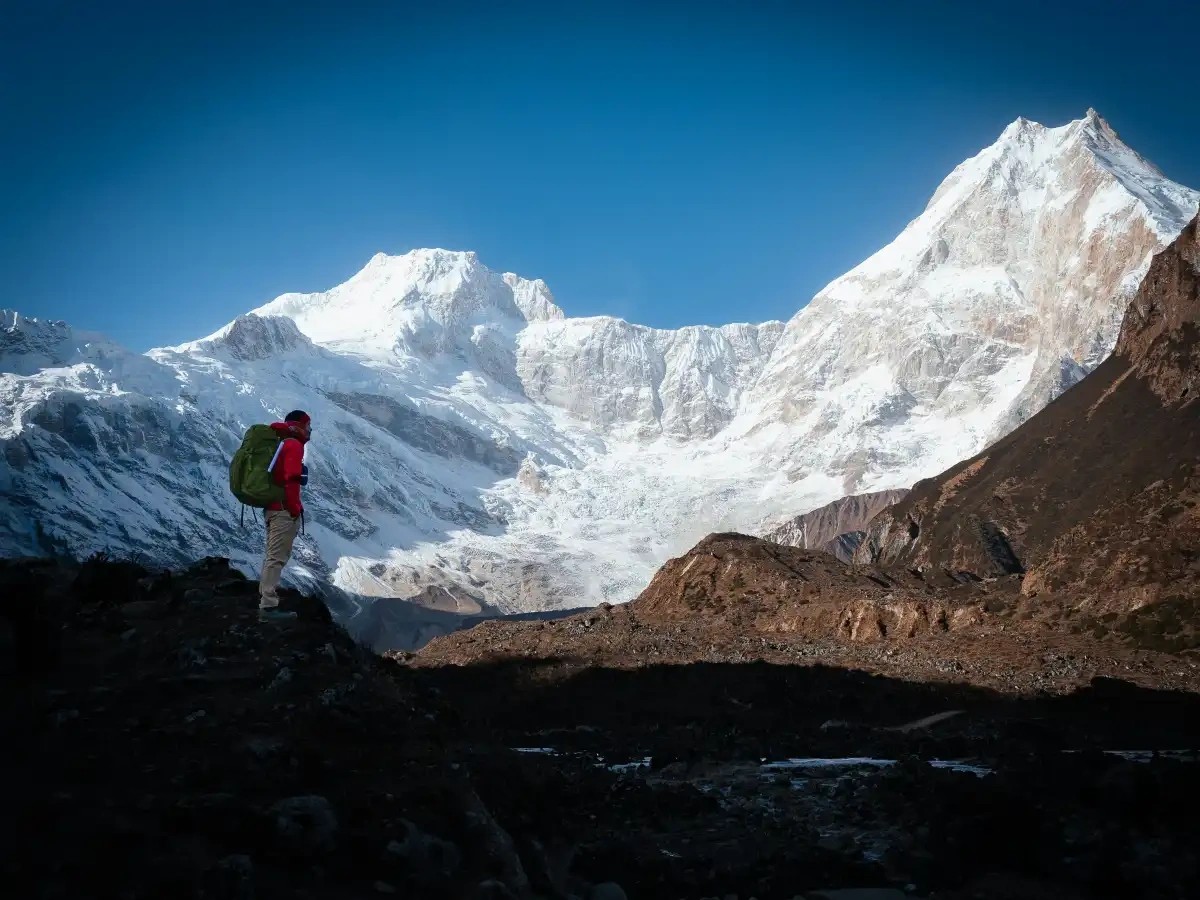
Since Manaslu requires licensed guides regardless, we encourage you to invest in experienced, qualified support. The difference between adequate and excellent guiding profoundly impacts your experience.
Why quality guides matter:
Porter benefits:
At Majestic Trails Nepal, our guides are born in these mountains. They know every village, every teahouse owner, every challenging section intimately. Their expertise proves invaluable when weather changes, altitude issues emerge, or you simply need encouragement during difficult moments.
We pay our guides and porters fairly, provide proper equipment and insurance, and ensure they receive rest days—ethical practices that reflect our values and the experience you'll receive.
The Manaslu Circuit ranks among Nepal's most rewarding treks—challenging enough to feel accomplished, remote enough to feel adventurous, and culturally rich enough to change your perspective.
These ten insights represent the accumulated wisdom of our guides and hundreds of successful treks. We share them because proper preparation transforms potential struggles into manageable challenges and good experiences into extraordinary ones.
Ready to begin planning? Explore our comprehensive Manaslu Circuit trek package for detailed itineraries, inclusions, and everything you need to know.
Wondering about investment? Check our transparent Manaslu Circuit trek cost breakdown covering permits, accommodation, guides, and all expenses.
Have questions or need personalized advice? Our team would love to hear from you. Contact Majestic Trails Nepal and let our experienced guides help design your perfect Manaslu adventure.
We look forward to welcoming you to Nepal and guiding you through this magnificent circuit.
The Manaslu Circuit rates as moderately difficult to challenging. Daily trekking averages 6–8 hours across varied terrain, with the 5,106m Larkya La Pass representing the most demanding section. Good fitness preparation, proper acclimatization, and mental readiness make this trek achievable for determined trekkers without requiring technical mountaineering skills.
The standard Manaslu Circuit takes 14–16 days of actual trekking, plus travel days to and from Kathmandu. This duration includes crucial acclimatization rest days at Samagaon and Samdo. Rushing the itinerary increases altitude sickness risk, while extended versions allow cultural exploration and photography opportunities throughout the route.
Prior high-altitude experience helps but isn't mandatory for the Manaslu Circuit. Good physical fitness matters more than technical trekking experience. If you've completed multi-day hikes with significant elevation gain and handled basic accommodation comfortably, you'll adapt to Manaslu's demands with proper preparation and acclimatization.
Budget approximately $1,500–$2,500 USD for a complete organized Manaslu Circuit Trek including all permits, licensed guide, teahouse accommodation, meals, and ground transportation. Costs vary based on group size, season, service level, and additional expenses like porter hire, gear rental, tips, and personal purchases along the route.
Autumn (September–November) provides optimal conditions with stable weather, clear skies, and excellent mountain visibility—October represents peak season. Spring (March–May) offers a beautiful alternative with blooming rhododendrons and warming temperatures. Avoid monsoon season (June–August) when trails become dangerous and mountain views disappear behind persistent clouds.
Have more questions about the Manaslu Circuit? Our team has guided this route countless times and genuinely loves helping trekkers prepare for their Himalayan adventures. Reach out anytime—we're always happy to share our knowledge and experience.
Majestic Trails Nepal – Your trusted partner for authentic Himalayan trekking experiences.
Situated in the peaceful Solu-Khumbu region of Nepal, near the village of Junbesi, Thupten Chholing Monastery is a living testament to Tibetan Buddhis...
There are treks that impress you, and then there are treks that change you. As someone who has guided and explored many routes across the Himalayas wi...
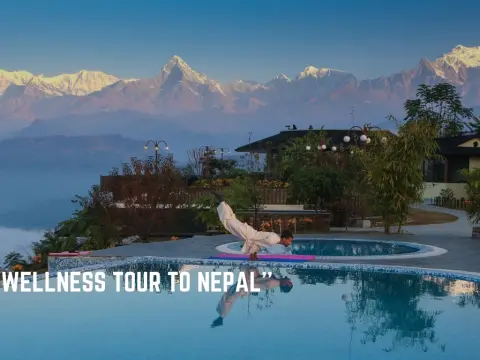
There's a moment that happens somewhere between your first mountain sunrise and your final meditation session. It's the moment you realize you've been...
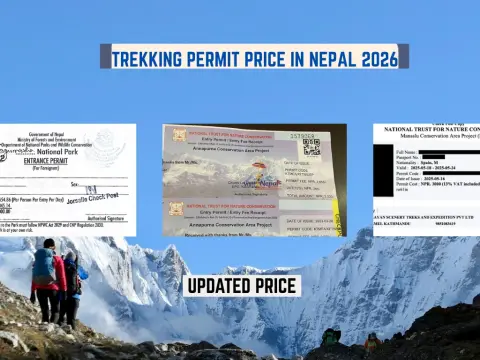
IntroductionPlanning a trek in Nepal requires more than just physical preparation—you also need the right permits. Trekking permits are official docum...
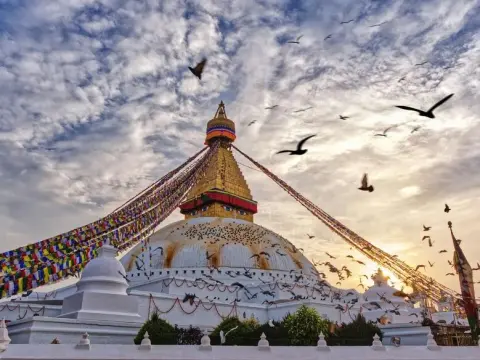
Nepal is far more than a trekking destination nestled among the world's highest peaks. This ancient Himalayan kingdom pulses with profound spiritual e...
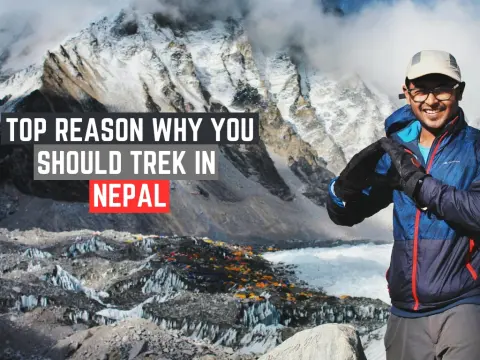
If you've ever wondered why trekking in Nepal captivates adventurers from every corner of the globe, the answer lies in its extraordinary combination...

The most popular treks in Nepal include Everest Base Camp, Annapurna Base Camp, Langtang Valley, Mardi Himal, and Ghorepani Poon Hill. These treks ran...
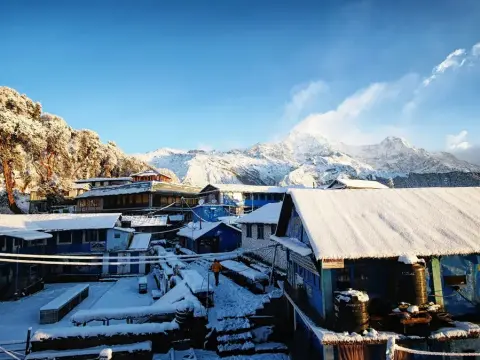
Winter in Nepal gets misunderstood a lot. Most travelers from Europe or North America picture deep snowdrifts, frozen trails, and dangerous conditions...
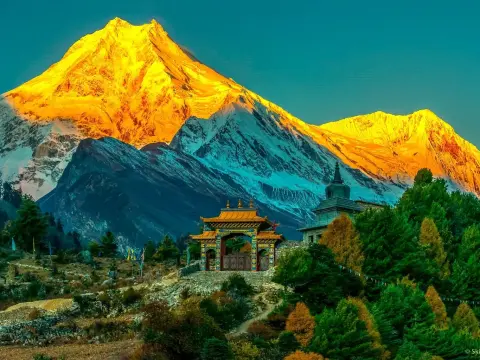
The Manaslu Circuit Trek stands as one of Nepal's most rewarding yet less-traveled high-altitude adventures. Circling Mount Manaslu (8,163m), the worl...
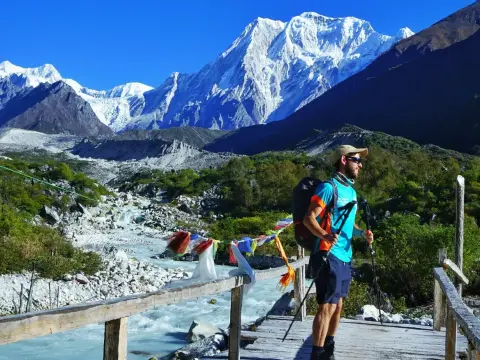
The MCT Trek Nepal—commonly known as the Manaslu Circuit Trek—stands as one of Nepal's most rewarding yet underrated trekking experiences. This remote...
