
Best Time to Trek Nar Phu Valley Trek
31 Mar 2026
The best time for the Annapurna Nar Phu Valley Trek is during spring (March to May) and autumn (September to November). Both seasons offer stable weat...

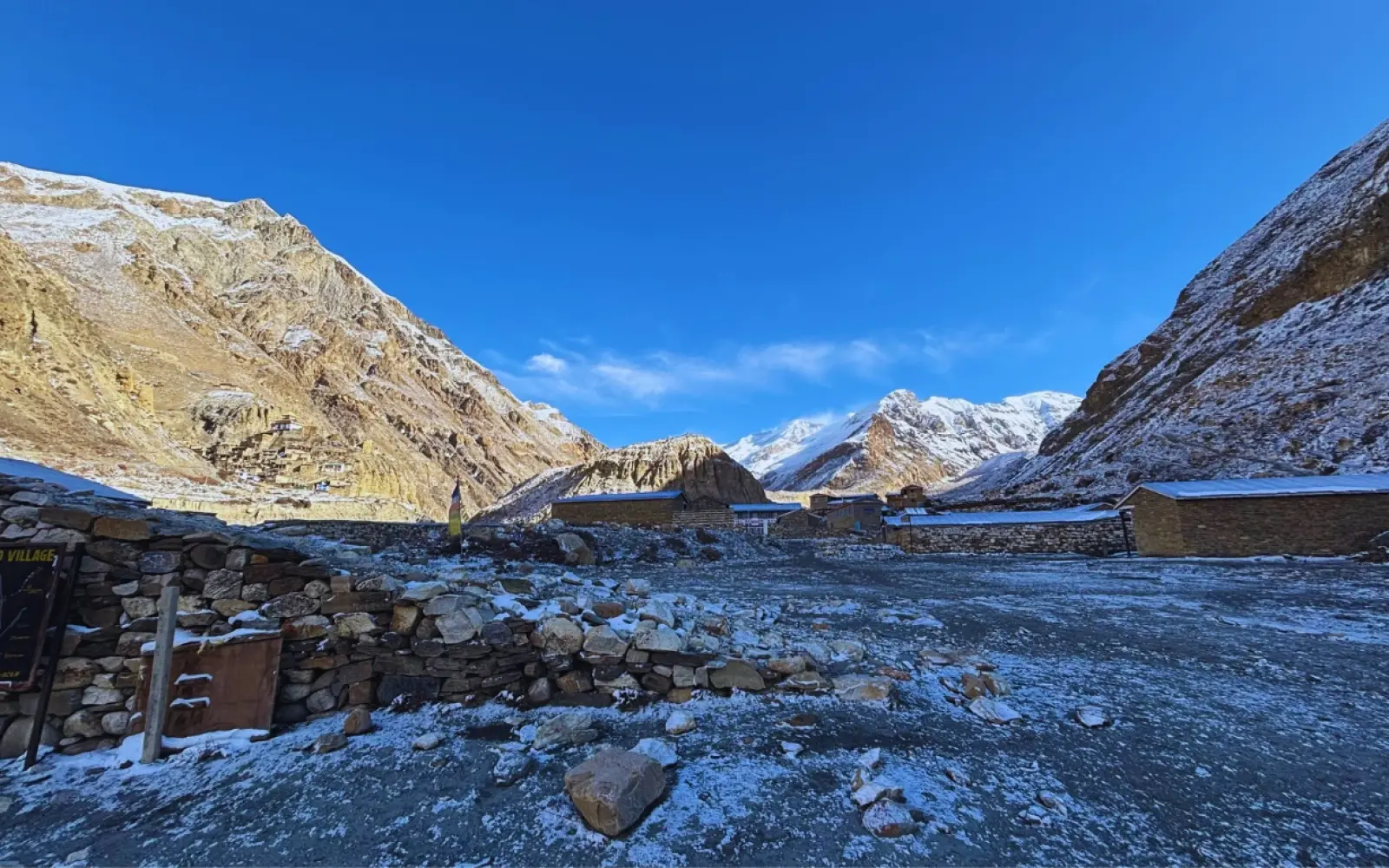

Planning the Nar Phu Valley Trek and wondering what it actually costs? Here's a direct answer: the Nar Phu Valley Trek Cost 2026 ranges from approximately USD $1,200 to $2,800+ per person, depending on group size, travel style, and season. That range isn't vague — it reflects real differences in how trekkers approach this route, from joining a budget group departure to booking a fully private, logistics-handled expedition.
Nar Phu is one of Nepal's most exclusive restricted-area treks. That exclusivity comes with a layered cost structure that confuses even experienced trekkers: a mandatory restricted area permit, a separate conservation area permit, legally required licensed guides, remote teahouse-only accommodation, and ground transport through rough mountain roads. Every one of those cost layers adds up — and most online guides skim over the details.
This post breaks down every single cost category so you can build a realistic, complete budget before you book. You'll find permit fees, guide and porter rates, teahouse and food costs, transport options, gear budgets, and the hidden costs that push most trekkers over budget. Majestic Trails Nepal has compiled this guide based on real, on-the-ground knowledge of the Nar Phu route — with no inflated estimates and no surprises left out.
Here's what this guide covers:
The single biggest driver of per-person cost on this trek is group size. Because permits, guides, and vehicle transport are largely fixed costs, the more trekkers sharing those expenses, the lower the per-person total.
Here's how that plays out across three realistic trekking tiers:
| Budget Tier | Estimated Cost Per Person | What's Typically Included |
|---|---|---|
| Budget / Group Joiner | USD $1,200–$1,500 | Shared group departure, teahouse accommodation, basic meals, shared jeep, licensed group guide |
| Mid-Range / Small Private Group | USD $1,600–$2,000 | Private group (2–4 people), dedicated licensed guide + porter, standard meals, private jeep |
| Premium / Private Expedition | USD $2,100–$2,800+ | Private group, senior experienced guide, best available teahouses, all logistics arranged end-to-end |
A few important caveats on this nar phu valley package price comparison:
Majestic Trails Nepal offers transparent, itemized pricing across all three tiers — and a free custom quote is available based on your specific dates, group size, and budget preferences.
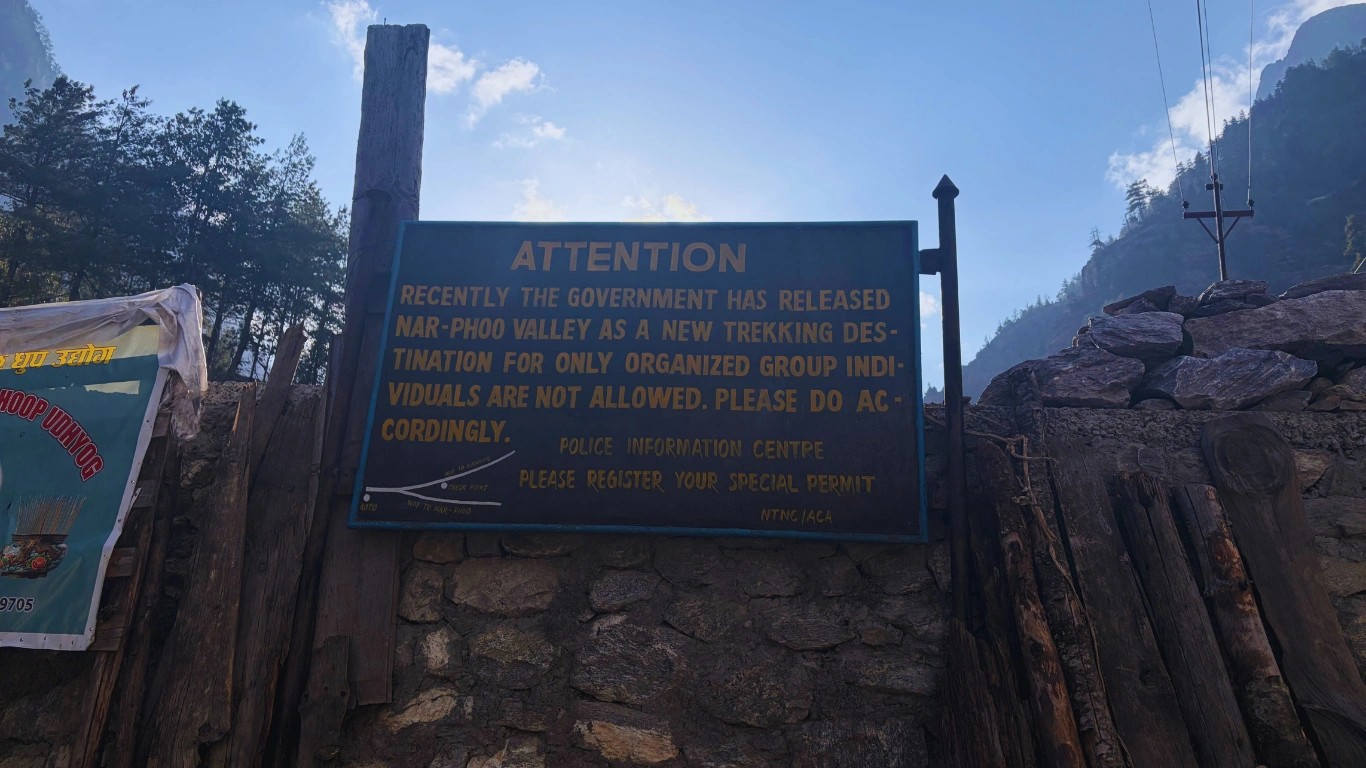
The permit structure for Nar Phu is where most trekkers get confused — and where budget miscalculations most commonly happen. There are two separate permits required, and none of them are optional.
The nar phu restricted area permit cost 2026 is:
For a standard 14–18 day itinerary that spends 7–10 days inside the restricted zone, the RAP cost per person typically falls between USD $100–$145.
Note: Permit rates are set by the Government of Nepal and are subject to annual revision. The figures above reflect current 2026 rates — always confirm directly with your agency before departure.
Permit costs are the same year-round. However, trekking in shoulder season (April–early May or late October) rather than peak weeks can reduce your total trip cost by 15–25% through lower teahouse rates and transport costs — while your permit fee stays fixed.
Majestic Trails Nepal handles all permit applications, submissions, and verification on behalf of trekkers. This isn't just convenient — it eliminates the risk of documentation errors that can result in checkpoint refusals deep in the restricted zone.
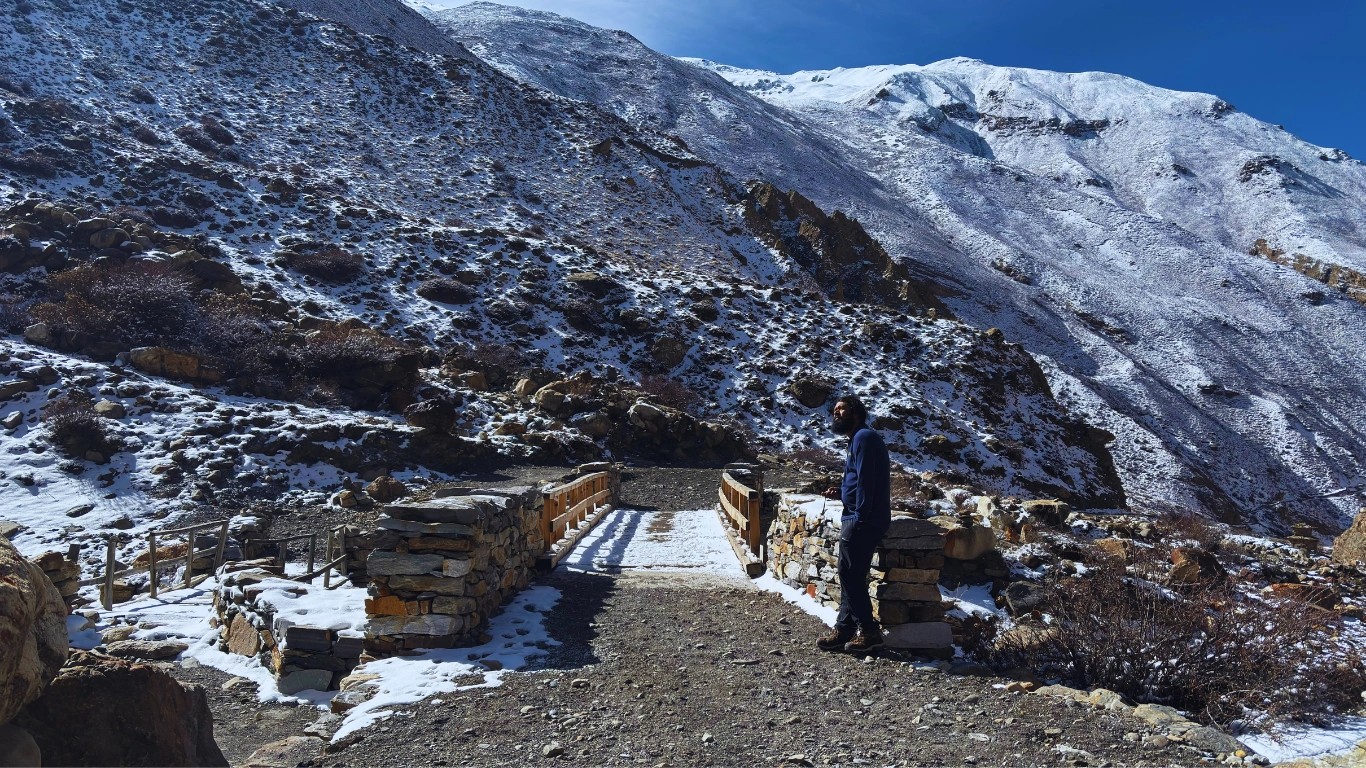
This needs to be stated plainly: a licensed trekking guide is legally mandatory for the Nar Phu Valley Trek. This is a government-enforced requirement for all restricted area treks in Nepal — not a recommendation, not a preference, and not something any legitimate agency can bypass. If an operator offers a Nar Phu package without a licensed guide, that is an illegal arrangement that puts your permit, your safety, and your trek at serious risk.
The nar phu valley guide cost nepal varies based on experience, language proficiency, and certification level:
Tipping is customary and expected — these amounts are not included in any agency package price:
Budget approximately USD $80–$150 in tips for a 16-day trek with guide and one porter.
Majestic Trails Nepal employs only government-licensed, English-speaking guides with first aid certification and specific experience in the Nar Phu region. At elevations above 4,500m in a restricted area far from evacuation infrastructure, your guide's knowledge is a direct safety asset — not an add-on.
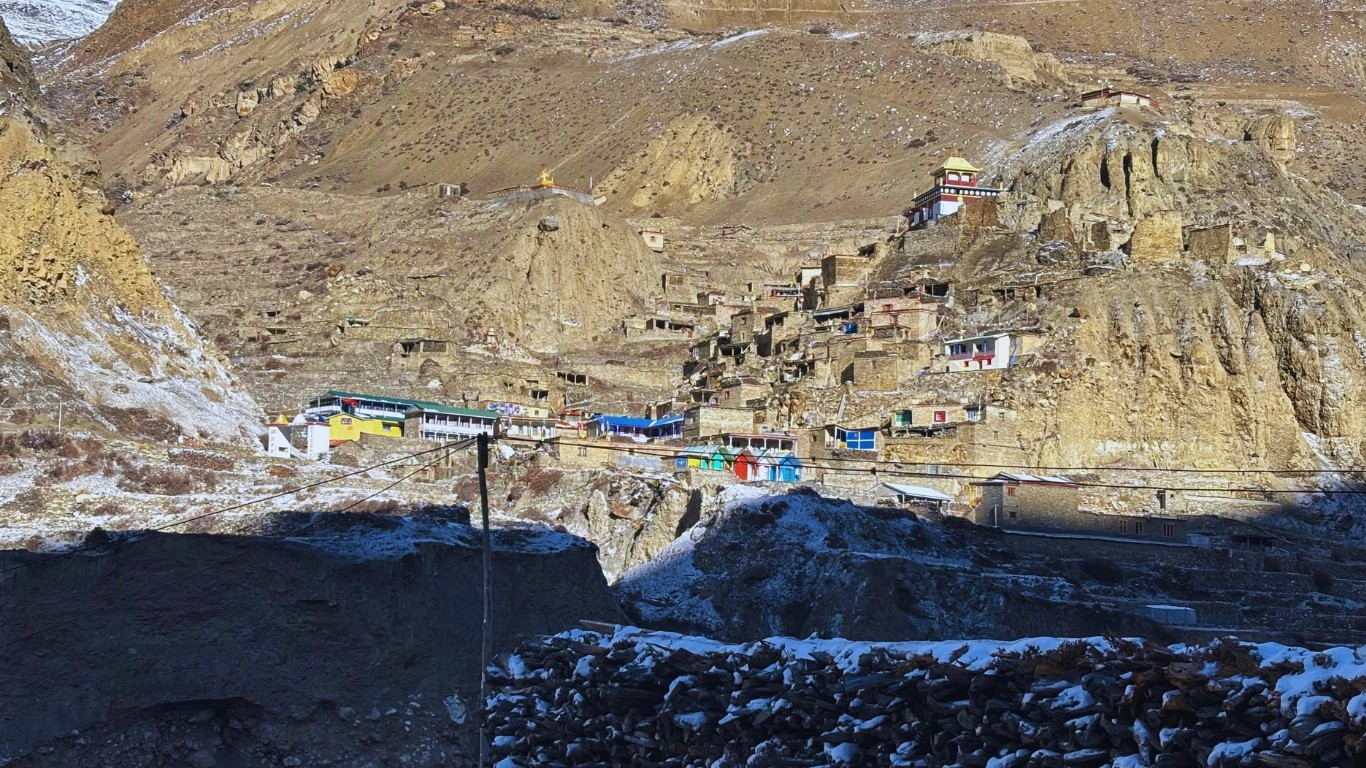
Nar Phu Valley is genuinely remote. Unlike the Annapurna Circuit or Everest Base Camp routes, this is not a trail lined with comfortable lodges and diverse menus. The villages along the route — Koto, Meta, Junam, Phu, and Nar — have simple stone guesthouses that function as both shelter and dining room. Accommodation is basic, warm enough with the right sleeping bag, and completely authentic.
Teahouse accommodation costs (per night, per person):
Practical note: In most Nar Phu teahouses, room prices are deliberately low or nominal when trekkers eat all meals at the same guesthouse. This is a standard and expected arrangement — part of how teahouse owners sustain their business. If you eat elsewhere and sleep here, expect to pay full room rate.
Food costs per person:
Total teahouse and food estimate for a 14–16 day trek: approximately USD $350–$550
The teahouse cost nar phu valley is reasonable given the remoteness, but there's no "budget meal" alternative here — what the teahouses offer is what exists. Trekkers who embrace this reality have a richer experience for it. The absence of tourist menus and Instagram cafes is precisely what makes Nar Phu special.
The Nar Phu trek begins at Koto village in the Marshyangdi Valley, reached via road from Kathmandu. The journey is long, and transport is a meaningful line item in your budget.
Monsoon season warning (June–August): Road conditions between Chame and Koto can become dangerous or impassable during heavy monsoon. If you're trekking outside the main seasons, confirm road status with your agency before finalizing your itinerary.
Majestic Trails Nepal arranges all ground transport for both outbound and return journeys — ask for this to be included explicitly in any package quote you request.
Nar Phu Valley crosses high passes exceeding 5,000 meters. Gear is a safety requirement at this altitude — under-equipped trekkers are a genuine risk to themselves and to their group. This section covers realistic costs for both renting and buying.
Thamel has an established gear rental ecosystem — quality varies, but reputable shops have reliable, regularly serviced equipment:
Do not attempt this trek without:
This is a budget trek nar phu valley consideration many trekkers underestimate — flying from Europe or North America with inadequate gear and scrambling to buy or rent in Kathmandu adds stress and cost. Plan your gear in advance.
Majestic Trails Nepal provides a detailed pre-departure gear checklist to all clients and can assist with rental arrangements in Kathmandu.
This is the section most trek cost guides skip — and it's the reason trekkers consistently go over budget. These costs are real, predictable, and entirely budgetable if you know about them.
Total estimated hidden costs: USD $300–$600, depending on trek length, personal habits, and whether you need helicopter evacuation coverage (which alone justifies the entire insurance cost).
Knowing how to save money on the nar phu trek starts with eliminating surprise costs — and the list above covers the most common ones.
These are real, practical strategies — not generic budget travel advice:
For Nar phu vs upper mustang permit cost context: Upper Mustang's restricted area permit runs USD $50 per day as per new 2025 rules — significantly higher than Nar Phu's USD $100 for the first week. Nar Phu offers comparable remoteness and Tibetan-influenced culture at a considerably lower permit price, making it one of the better value restricted-area treks in Nepal for trekkers who want genuine off-route experience without Upper Mustang's premium.
The Nar Phu Valley Trek Cost 2026 realistically ranges from USD $1,200 to $2,800+ per person, with group size and travel tier being the primary variables. Permits run USD $130–$170 per person. Guide and porter costs add USD $400–$900+ depending on itinerary length. Teahouse accommodation and food total USD $350–$550. Transport, gear, tips, insurance, and hidden costs add another USD $400–$700 depending on your choices.
That total is not cheap — but it is completely justified. Nar Phu Valley is one of the few places in Nepal where you can walk for days without encountering another trekking group. The villages of Phu and Nar preserve a way of life with deep Tibetan roots, unchanged by mass tourism. The landscapes beyond Kang La Pass approach are genuinely world-class. Very few trekking routes on earth offer this combination of remoteness, culture, and high-altitude drama.
The trekkers who budget well are the ones who arrive prepared, enjoy every day of the route, and don't face financial stress at 4,500 meters. Build your buffer in — unexpected costs happen on remote treks, and a cash reserve is the mark of an experienced planner.
Majestic Trails Nepal provides fully transparent, itemized quotes for all Nar Phu Valley packages. Whether you're joining a scheduled group departure or planning a private trek for your own group, reach out today for a no-obligation cost breakdown tailored to your travel dates, group size, and budget. Real numbers, no surprises — that's the foundation of a trek you'll remember for the right reasons.
The Nar Phu Valley Trek costs approximately USD $1,200–$2,800+ per person in 2025, depending on group size, travel tier, and season. Budget trekkers joining group departures can expect to pay $1,200–$1,500, while private, fully arranged treks range from $2,100–$2,800+.
The main cost categories include permits, guide fees, teahouse accommodation, transportation, and trekking gear.
Yes, compared to popular routes like the Annapurna Circuit or Everest Base Camp Trek, the Nar Phu Valley Trek is more expensive. This is due to the mandatory restricted area permit, required licensed guide, and limited infrastructure in remote areas.
However, compared to Upper Mustang (which has a $500 permit alone), Nar Phu offers a similar level of exclusivity at a lower overall cost.
No. A licensed trekking guide is legally mandatory for all restricted area treks in Nepal, including Nar Phu Valley.
Individual permits are not issued — applications must go through a registered trekking agency, and a licensed guide must accompany the group. Any operator offering a guideless trek is operating illegally.
The Nar Phu Restricted Area Permit (RAP) costs:
In addition, you will need:
Total permit cost per person: approximately USD $130–$170 for a standard itinerary.
You should budget around USD $25–$40 per person per day for:
This covers basic teahouse costs. It’s recommended to keep extra for hot showers, WiFi, and higher prices at higher altitudes.
A solo trek is more expensive per person. Fixed costs such as permits, guide fees, and transportation do not decrease proportionally for one person.
Solo trekkers essentially pay the same base costs that would otherwise be shared in a group. Joining a group departure is the best way to reduce expenses.
Yes, Majestic Trails Nepal offers scheduled group departures for the Nar Phu Valley Trek.
This allows solo trekkers and small groups to join others and share fixed costs, making the trek more affordable without organizing a private trip.
You can contact Majestic Trails Nepal directly to check the latest departure dates and availability.
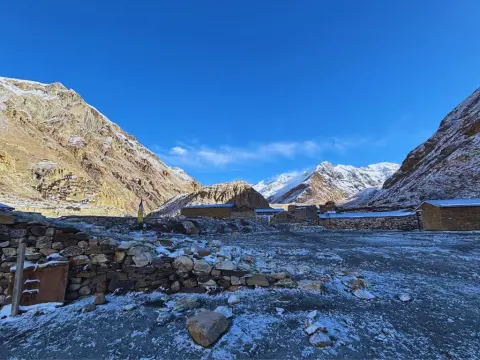
The best time for the Annapurna Nar Phu Valley Trek is during spring (March to May) and autumn (September to November). Both seasons offer stable weat...
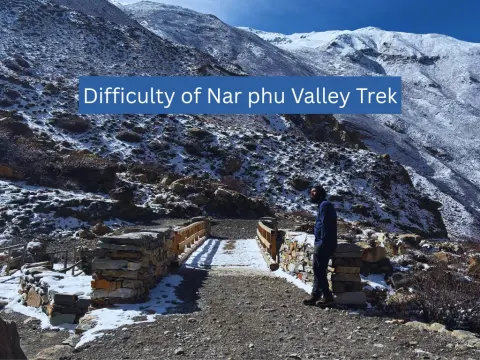
The Nar Phu Valley Trek difficulty is best described as moderate to challenging, but that label alone does not explain the trek properly. Nar Phu is n...
