
Tourist Places in Nepal: Top Destinations to Visit for an Unforgettable Trip
2 Feb 2026
Nepal's tourism destinations offer an unforgettable journey through a landlocked country nestled in the embrace of the world’s most majestic mountain...

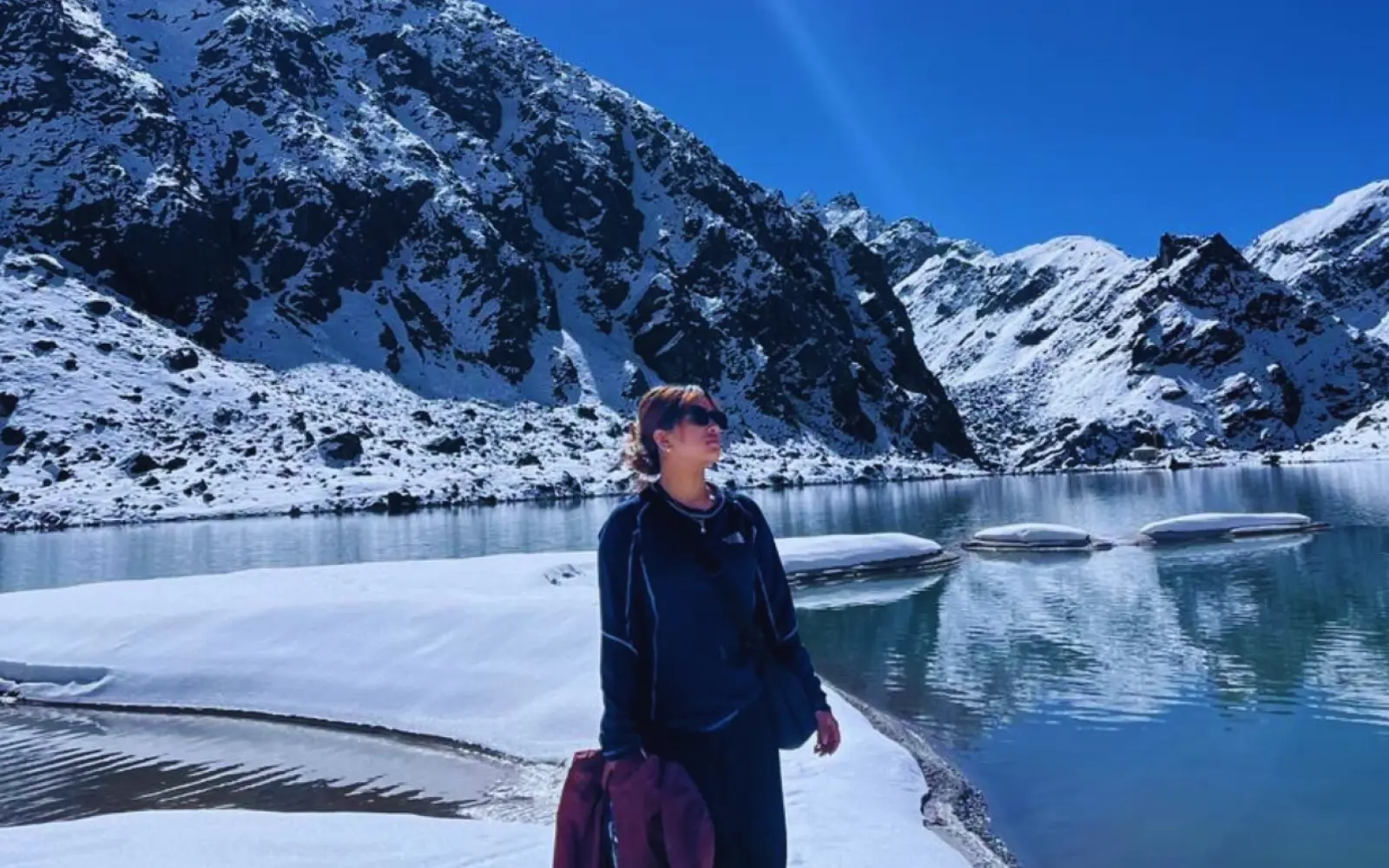

Trekking in Nepal is more than just a physical journey—it's a spiritual awakening, a cultural immersion, and an adventure that transforms lives forever. As the trekking industry evolves and becomes more inclusive, international travelers, especially solo female adventurers, are increasingly seeking the expertise, understanding, and comfort that a female trekking guide Nepal can uniquely provide. The Himalayan trails are no longer exclusively guided by men, and this shift represents progress, empowerment, and enhanced experiences for trekkers worldwide.
Meet Bibisika Raut, a passionate and certified trekking professional from Solukhumbu, the heartland of the Everest region and birthplace of legendary mountaineers. Growing up surrounded by the world's highest peaks, where Everest towers over daily life and mountain culture runs deep, Bibisika has turned her profound connection to the Himalayas into a mission: guiding trekkers safely through Nepal's most spectacular trails while empowering women in the adventure tourism industry. Her journey from a mountain village girl to a professional guide embodies determination, expertise, and an unwavering love for the natural world.
At Majestic Trails Nepal, we're immensely proud to have Bibisika as part of our elite guiding team. She represents our unwavering commitment to quality, safety, authentic mountain experiences, and gender equality in adventure tourism. When you trek with Bibisika, you're not just hiring a guide—you're gaining a cultural ambassador, safety expert, and mountain sister who will ensure your Himalayan dreams become cherished realities.
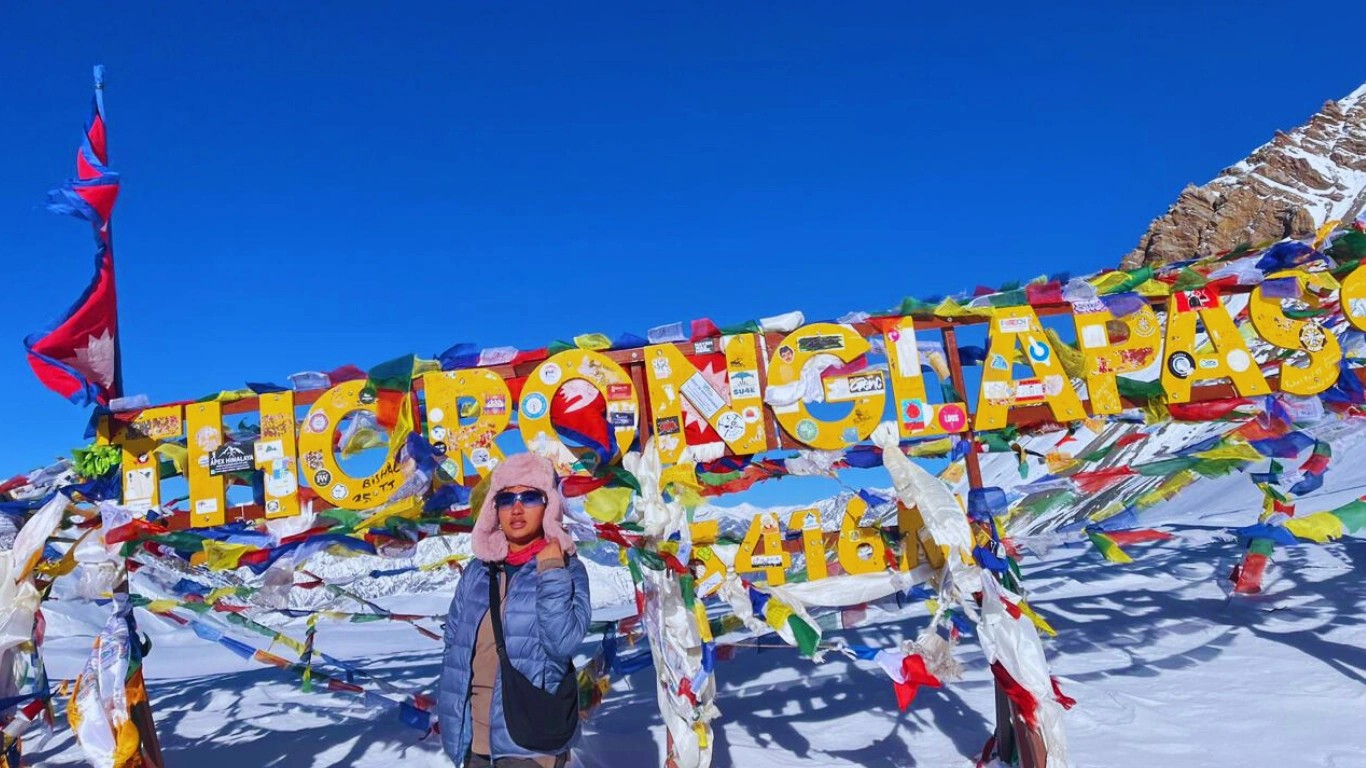
Choosing a female trekking guide in Nepal can add unique value to your trekking experience. Beyond guiding the trail, female guides often create a supportive, culturally rich, and comfortable environment for trekkers.
For many women travelers, trekking with a solo female trekking guide Nepal offers greater comfort and confidence. Female trekkers may find it easier to discuss personal concerns such as health issues, hygiene challenges on the trail, or safety worries.
Guides like Bibisika Raut understand these challenges and help trekkers manage them with practical solutions and empathy. This supportive approach allows solo travelers to focus on enjoying the adventure while feeling safe and respected throughout the journey.
A women trekking guide Nepal professional often provides deeper insight into local life, especially the role of women in mountain communities. Female guides can create more natural interactions with village families, allowing trekkers to experience authentic local culture.
Through conversations, shared meals, and village visits, trekkers gain a more personal understanding of Himalayan culture that goes beyond the typical trekking experience.
Choosing a female mountain guide Nepal does not mean compromising on technical skills. Professional female guides are trained in trekking safety, navigation, and emergency response.
With proper certifications and field experience, guides like Bibisika demonstrate that expertise, confidence, and professionalism are what truly matter on the trail.
Hiring a Nepal women trekking guide also supports gender equality in Nepal’s adventure tourism industry. Trekking has traditionally been male-dominated, and choosing female guides helps create more opportunities for women in the profession.
Your decision contributes to a more inclusive trekking industry while encouraging young women in mountain communities to pursue guiding careers.
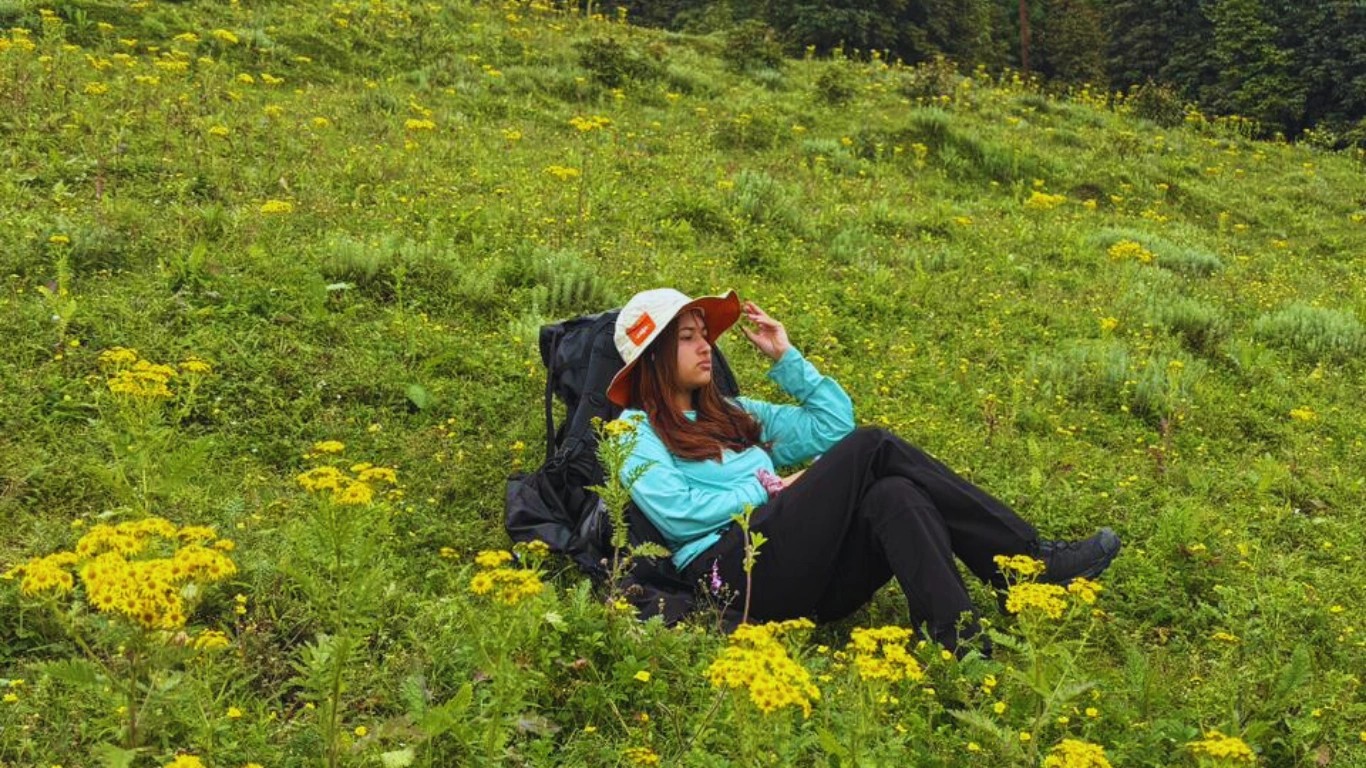
Full Name: Bibisika Raut
Hometown: Solukhumbu District, Everest Region
Experience: 2 years as a professional licensed trekking guide (with a lifetime of mountain knowledge passed down through generations)
Languages: Fluent in Nepali (native), English (fluent), and Hindi (fluent)
Age: Young, energetic, and passionate about mountains and guiding
Born and raised in Solukhumbu, the legendary gateway to Mount Everest, Bibisika's childhood playground was the same dramatic terrain that international trekkers travel thousands of miles and spend thousands of dollars to experience. The mountains aren't just a workplace for her—they're home, family, spiritual sanctuary, and the landscape that shaped her identity. She knows these trails not from guidebooks or training courses, but from walking them since she could barely walk at all.
Her journey into professional guiding began with a simple but powerful belief: women deserve equal opportunities in Nepal's adventure tourism industry, and nature has stories that need female voices to tell them completely. Watching male relatives and neighbors build successful guiding careers while women with equal mountain knowledge remained in traditional roles sparked her determination to forge a different path.
"Nature has always inspired me," Bibisika shares with the quiet conviction of someone who has found their calling. "These trails aren't just routes marked on maps—they're sacred paths where I grew up, played with friends, learned about life from my grandmother, and developed my deepest understanding of who I am. When I guide trekkers, I'm not just showing them mountains; I'm sharing my heart, my culture, and my home."
Her favorite trek? The iconic Everest Base Camp journey, which holds deep spiritual and personal significance for her. "Every time I reach Base Camp, regardless of how many times I've been there, I feel connected to something greater—to the Sherpa ancestors who first explored these heights, to the mountain spirits our people revere, to the dreams of every person who has stood there in awe. It never gets old. It's always sacred."
This spiritual connection to the landscape elevates Bibisika's guiding beyond logistical management. She understands the mountains as living entities deserving respect, and she transmits this reverence to trekkers, enriching their experience with deeper meaning.
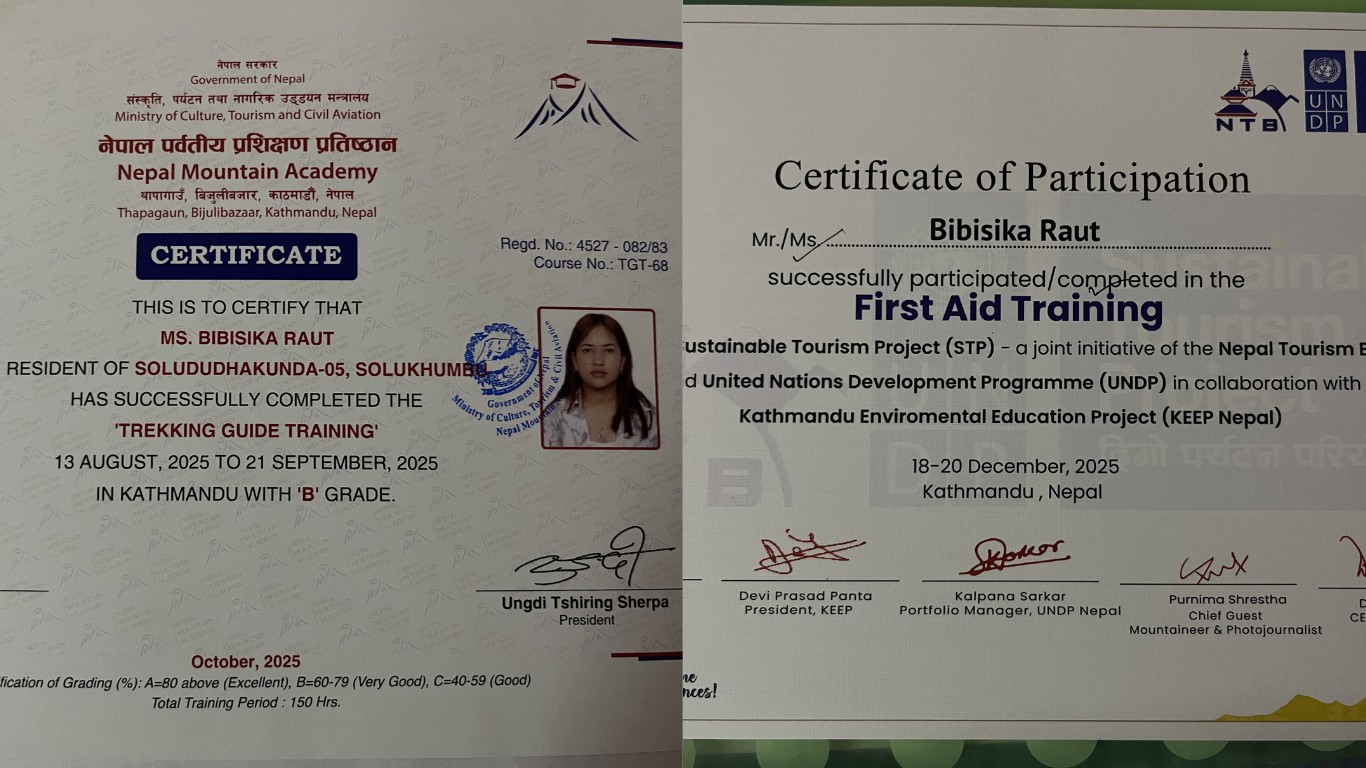
As a certified female trekking expert Nepal, Bibisika takes professionalism extremely seriously. Her credentials aren't vanity certificates—they represent rigorous training, tested competence, and ongoing education in mountain safety and guiding excellence.
Licensed Trekking Guide – Officially certified by the Nepal Tourism Board after completing comprehensive training programs and examinations. This government certification is mandatory for legally guiding in Nepal's protected areas and high-altitude zones. It demonstrates her knowledge of:
First Aid & Emergency Response Certification – Extensively trained in wilderness first aid, specifically adapted for remote mountain environments where hospitals are days away. Her skills include:
Bibisika carries comprehensive first aid supplies on every trek and maintains current certifications through regular refresher courses. She knows exactly how to handle mountain emergencies calmly and effectively, providing crucial care until professional medical evacuation can be arranged if necessary.
High-Altitude Trekking Specialist – Certified specifically for leading treks above 4,000 meters, where altitude sickness becomes a significant risk factor. Her specialized knowledge includes:
Rock Climbing Trained – Additional adventure skillset that enhances overall safety awareness, technical capability on challenging terrain, and emergency response options. While most trekking doesn't require climbing skills, this training provides:
These certifications aren't just paper credentials gathering dust—they represent Bibisika's unwavering commitment to bringing every trekker home safely while delivering exceptional, professionally-managed mountain experiences. She treats safety as the non-negotiable foundation upon which memorable adventures are built.
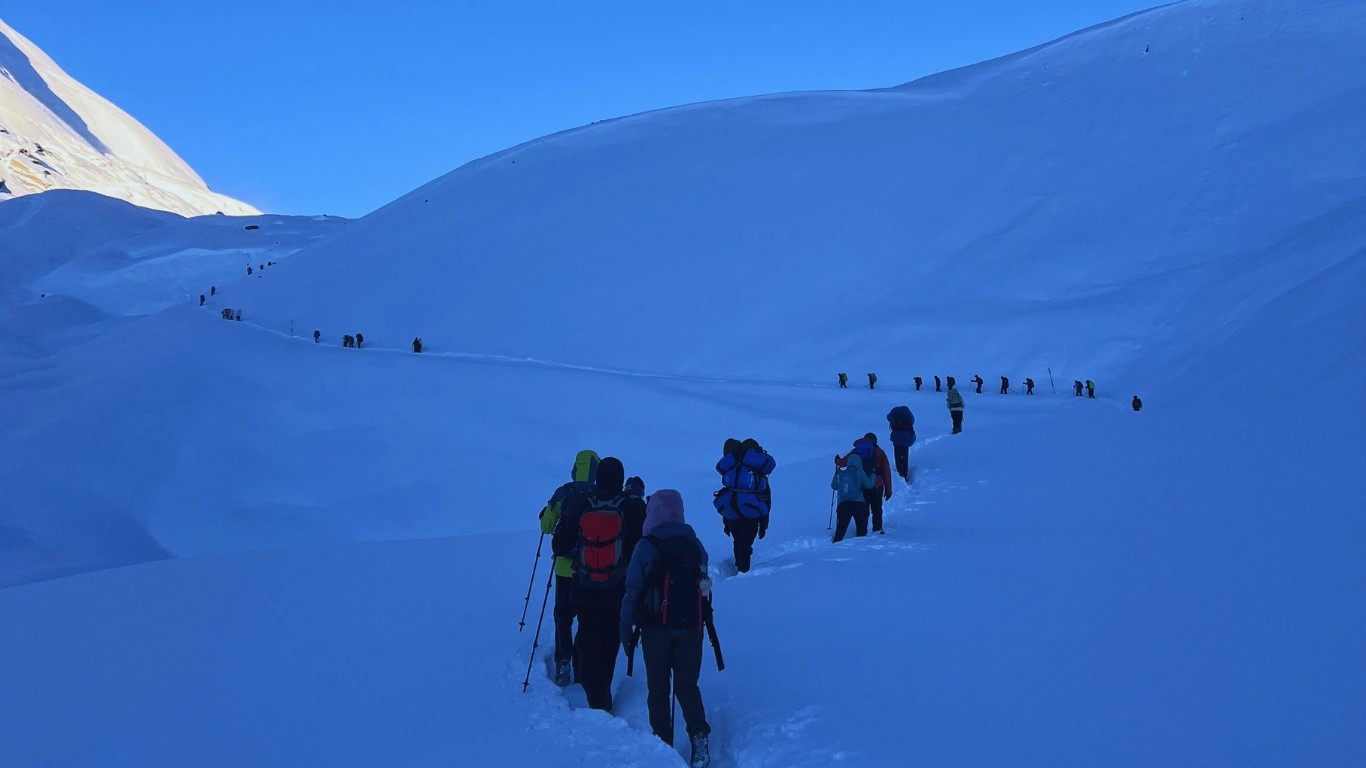
As an experienced Nepal female hiking guide, Bibisika specializes in Nepal's three most popular and spectacular trekking regions, with deep knowledge of both classic routes and hidden gems:
Everest Region:
Annapurna Region:
Langtang & Central Regions:
Bibisika's expertise extends beyond simply knowing the routes. She understands seasonal variations, optimal timing for each trek, weather patterns, trail conditions, teahouse quality differences, and how to customize itineraries based on trekkers' fitness levels, interests, and time constraints. She knows which viewpoints offer the best photography opportunities, which villages have the most authentic cultural experiences, and which teahouses serve the best dal bhat.
Beyond core trekking expertise, Bibisika brings unique cultural gifts and special talents to every journey that transform ordinary treks into extraordinary cultural immersions:
These special skills transform Bibisika from a logistical guide into a cultural bridge, connecting trekkers to Nepal's rich heritage in personal, meaningful ways that create memories extending far beyond scenic views.
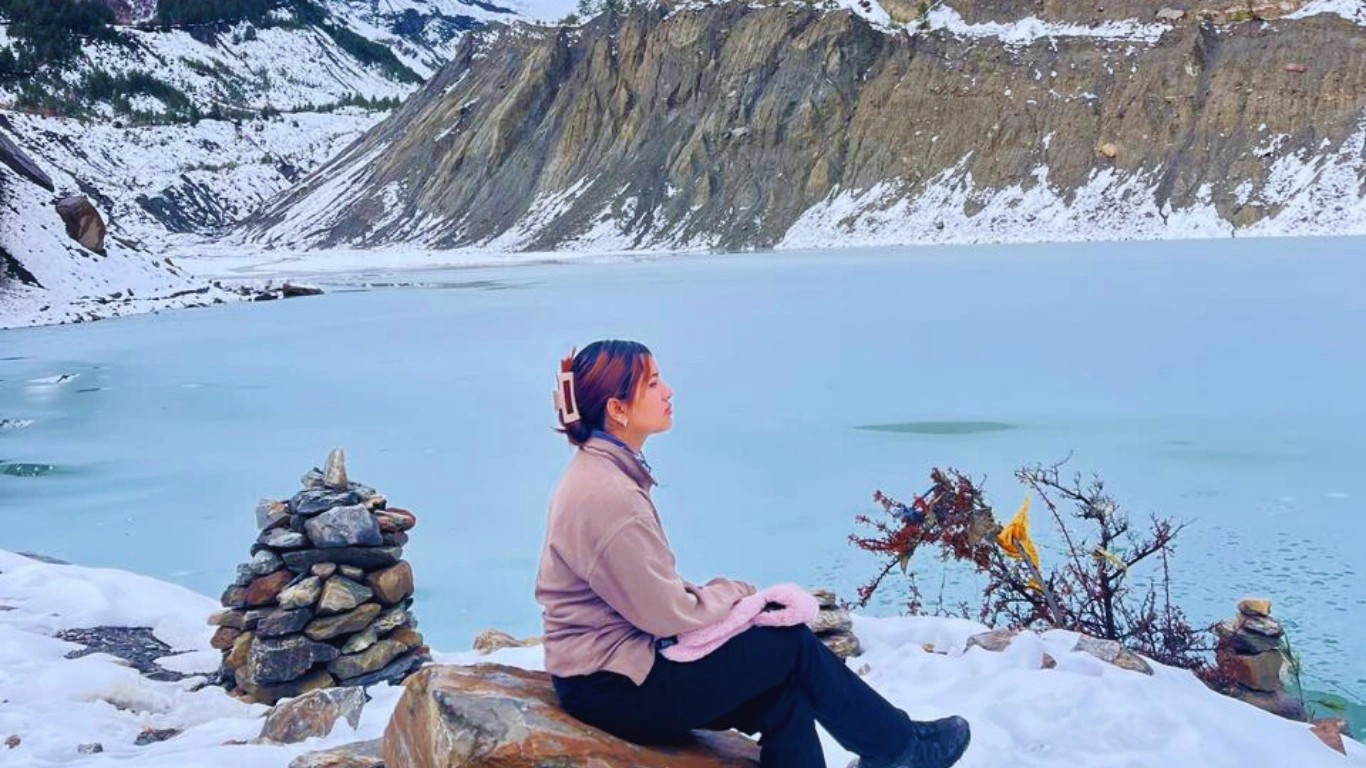
The biggest obstacle Bibisika faces? Limited opportunities and recognition for women guide for Nepal trekking professionals in a persistently male-dominated industry. Despite growing up in the mountains with equal or superior knowledge compared to male peers, female guides still fight daily for equal respect, equal pay, and equal opportunities.
"Sometimes clients are genuinely surprised when they first meet me," she admits with a knowing smile. "They've booked a trek, and they expect a male guide. I can see the doubt in their eyes—they worry I won't be strong enough, knowledgeable enough, or capable enough. It used to hurt my feelings, but now I understand it's about breaking stereotypes, not personal rejection."
"Once we start trekking, everything changes. They see that strength comes in many forms—physical endurance, yes, but also wisdom, patience, emotional resilience, and heart. I prove myself every single day, and I do it with pride. By the end of the trek, those same doubters become my biggest advocates. They tell me I'm the best guide they've ever had, and they request me for their friends' treks."
Bibisika's determination extends beyond personal success. She mentors young girls in Solukhumbu who dream of becoming guides, offering advice, sharing her experiences, and demonstrating that unconventional careers are possible for mountain women. "If I can help even one girl believe in herself enough to pursue this path, all the challenges I've faced will be worth it," she says.
Her biggest professional pride? Successfully guiding a 68-year-old solo female traveler to Everest Base Camp, managing the client's health challenges, providing emotional support during difficult days, and celebrating together at the achievement of a lifelong dream. "She told me I changed her life," Bibisika recalls with emotion. "But really, she changed mine too. That's the magic of this work."
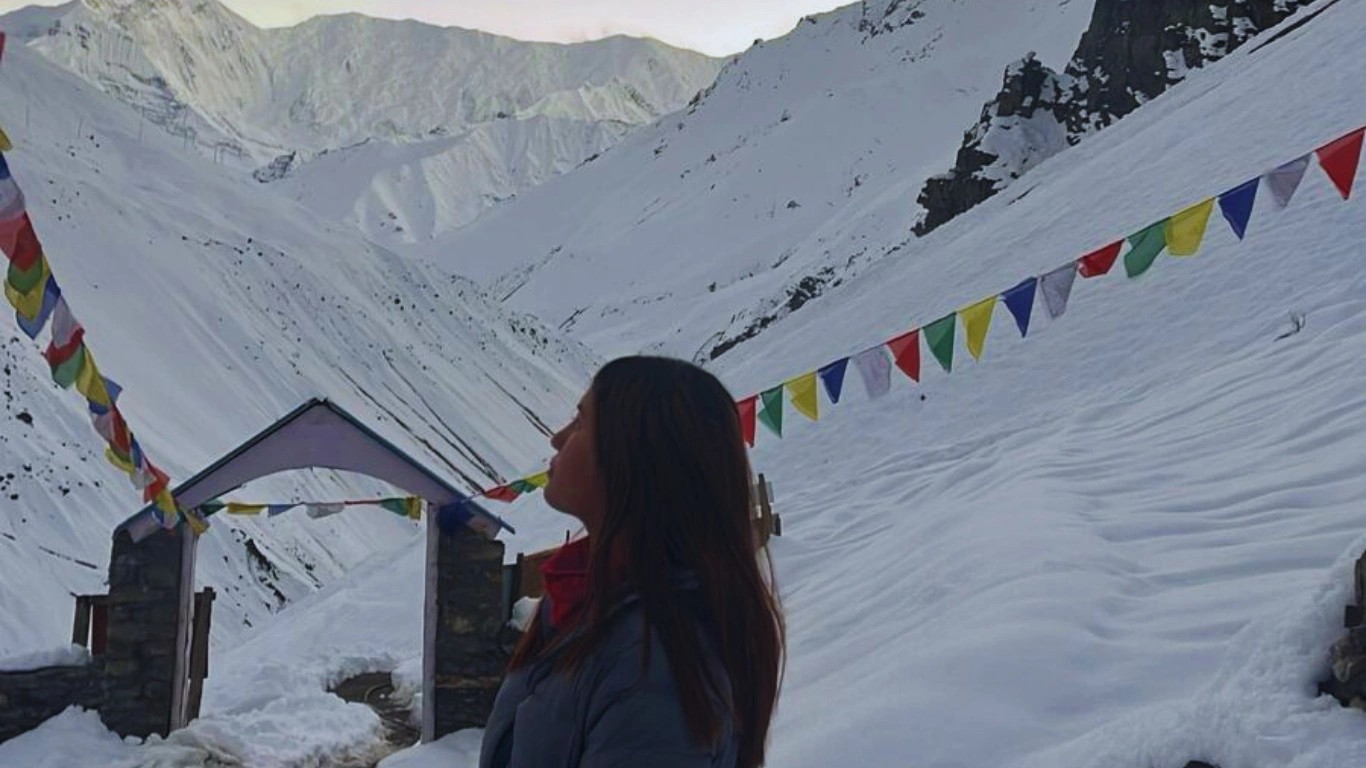
Ready to hire female trekking guide Nepal offers through Bibisika? The booking process is straightforward, but planning ahead ensures the best experience:
Browse the comprehensive Majestic Trails Nepal trekking packages to find your ideal adventure. We offer everything from the challenging 14-day Everest Base Camp Trek to the scenic 8-day Ghorepani Poon Hill Trek, plus custom itineraries designed around your specific interests, fitness level, and schedule.
Consider factors like:
When contacting Majestic Trails Nepal via our website, email, or WhatsApp, mention Bibisika Raut by name to ensure her availability for your preferred dates. As one of our most requested guides, especially during peak seasons, she books up quickly. Mentioning her specifically ensures we check her schedule first and hold provisional dates for you.
Our experienced booking team will discuss:
Complete the booking process by:
Follow Bibisika's expert recommendations:
As your departure date approaches:
Available Trek Options with Bibisika:
Pricing includes:
Book Your Trek with Bibisika Now →
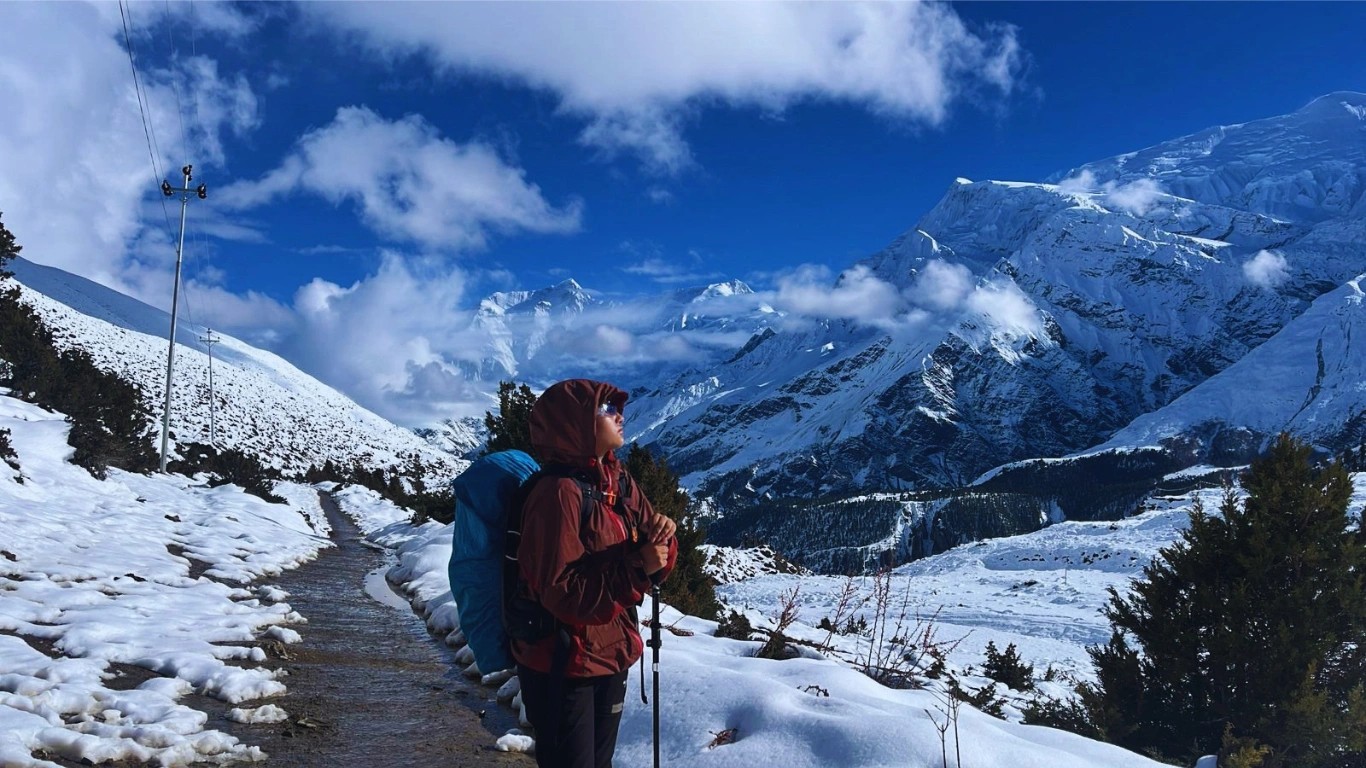
As a seasoned Nepal solo women trekking guide, Bibisika has accumulated invaluable wisdom from hundreds of treks. Here are her most important recommendations:
"Don't start with Everest Base Camp if you've never trekked before," Bibisika advises with the gentle firmness of someone who has seen too many unprepared trekkers struggle. "I know it's tempting—Everest is the dream. But beginning with shorter, lower-altitude treks like Ghorepani Poon Hill or the lower Langtang Valley is genuinely smarter."
These introductory routes help you:
"After a successful shorter trek, Everest Base Camp becomes more enjoyable, less stressful, and safer. You'll know what to expect, trust your capabilities, and actually enjoy the journey instead of just surviving it," she explains.
Bibisika's Favorite Trekking Drink: Simple, pure water (no fancy electrolyte drinks necessary for most trekkers)
"I cannot stress this enough—proper hydration determines your success at altitude more than fitness level," she emphasizes repeatedly throughout every trek. "Dehydration causes or worsens 70% of altitude sickness cases I see. It's completely preventable."
Bibisika's Hydration Protocol:
"At teahouses, I always order extra hot water—sometimes 4-5 thermoses per evening. Other guides tease me, but my clients don't get altitude sickness as often. That's not luck; it's hydration," Bibisika says proudly.
Bibisika's safety-first approach has earned her reputation as one of the most reliable guides:
Acclimatization Protocol:
Communication is Survival:
Proper Gear Investment:
Emergency Preparedness:
"Being prepared doesn't mean expecting disaster," Bibisika clarifies. "It means having tools to prevent problems and handle challenges if they arise. Preparation creates confidence and safety."
As a women guide for Nepal trekking, Bibisika excels at teaching respectful cultural engagement:
Religious Site Etiquette:
Village and Teahouse Etiquette:
Photography Respect:
Basic Nepali Phrases Bibisika Teaches:
"When trekkers make even small cultural efforts—saying namaste, removing shoes without being asked, showing respect at monasteries—local people's faces light up," Bibisika observes. "These tiny gestures transform you from tourist to honored guest. The warmth you receive multiplies tremendously."
Essential Items Bibisika Recommends:
Clothing Layers:
Footwear:
Sun and Elements Protection:
Essential Equipment:
Personal Items:
Technology:
What NOT to Bring:
"Pack light, but pack smart," Bibisika advises. "Every kilogram matters at altitude. Bring essentials, skip luxuries, and trust that you can manage with less than you think. The lighter your pack, the more you'll enjoy the trek."
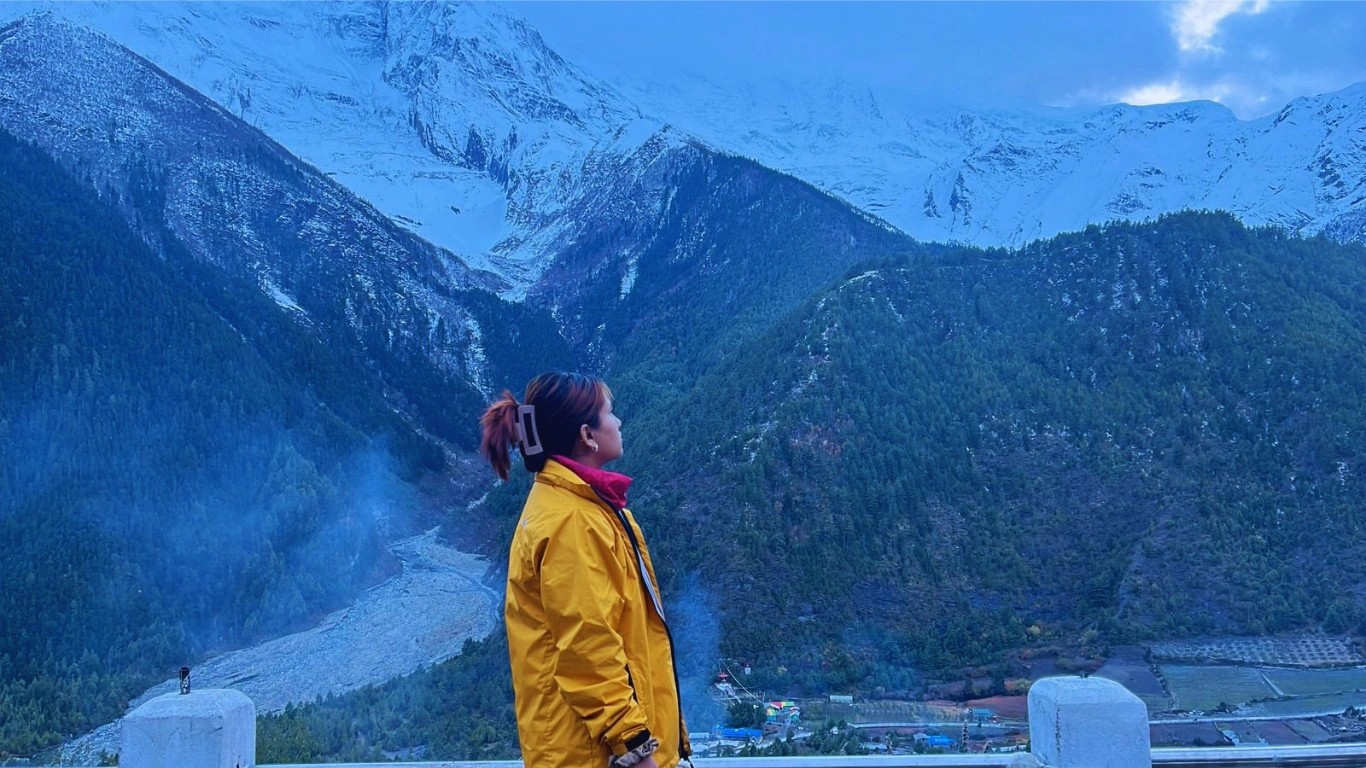
What does a typical trekking day with Bibisika actually look like?
5:30-6:00 AM: Bibisika rises before clients, checking weather conditions, confirming the day's route, and coordinating with teahouse staff for breakfast timing.
6:30 AM: Morning wake-up call with bed tea delivered to your room (one of trekking's simple luxuries).
7:00 AM: Group breakfast together—Bibisika reviews the day's plan, distance, elevation gain, rest stops, and any cultural sites you'll encounter. She conducts informal health checks, asking how everyone slept and feels.
8:00 AM: Trek departure after ensuring everyone has water, snacks, and proper layers for current conditions.
8:00 AM-12:00 PM: Morning trekking with regular breaks every 45-60 minutes. Bibisika maintains steady pace, adjusts for group abilities, points out plants and wildlife, explains cultural significance of sites, and ensures proper hydration and snacking.
12:00-1:00 PM: Lunch stop at a teahouse—hot meal, rest, bathroom break, and informal group bonding. Bibisika often shares stories about her childhood, local legends, or answers questions about Nepali culture.
1:00-4:00 PM: Afternoon trekking continues with similar pacing and breaks. Bibisika monitors everyone's energy levels and adjusts pace accordingly.
4:00 PM: Arrival at overnight teahouse. Bibisika handles check-in, room assignments, and coordinates dinner timing.
4:30-6:00 PM: Free time—rest, explore village, visit monastery, enjoy tea, charge devices, or socialize with other trekkers.
6:00-7:00 PM: Group dinner in the dining hall, often the day's social highlight. Trekkers share experiences, Bibisika might teach Nepali phrases or share cultural insights, and the group bonds over accomplishments and challenges.
7:30 PM: Evening briefing for next day's trek—distance, difficulty, what to expect, wake-up time.
8:00-9:00 PM: Personal time before bed—reading, journaling, stargazing, or continuing conversations.
9:00 PM: Lights out—early sleep essential for altitude adjustment and energy restoration.
Throughout the day, Bibisika remains attentive, professional, encouraging, and safety-conscious while maintaining the warm, friendly atmosphere that makes trekking with her such a joy.
Choosing a female trekking guide Nepal offers isn't just about gender preference—it's about finding the right combination of expertise, empathy, cultural insight, safety consciousness, and personal connection that transforms your trek from a vacation into a life-changing experience. Bibisika Raut embodies all these qualities and more, representing the very best of what Nepal's trekking guide community offers.
From her childhood in Solukhumbu, where Everest dominates the skyline and mountain culture flows through daily life, to her professional certifications that prove her technical competence, from her spiritual connection to Everest Base Camp to her unwavering commitment to women's empowerment—Bibisika represents excellence, authenticity, and the future of Nepal's trekking industry.
When you trek with Bibisika, you gain far more than logistical guidance. You gain a cultural ambassador who opens doors to authentic village life. You gain a safety expert whose training and instincts keep you protected. You gain a mountain sister whose encouragement helps you accomplish what you thought impossible. You gain a storyteller who reveals the spiritual and cultural dimensions of the landscape. And you gain a friend whose warmth and genuine care create memories that last a lifetime.
At Majestic Trails Nepal, we're honored and proud to work with guides like Bibisika who don't just lead treks—they share their hearts, their heritage, their homes, and their deepest connections to these magnificent mountains with every adventurer who trusts them. Whether you're a solo female traveler seeking safety and understanding, a couple wanting authentic cultural connections, a family hoping to share adventure together, or an experienced trekker demanding professional expertise and local knowledge, Bibisika delivers with grace, strength, competence, and unwavering dedication.
The Himalayas are calling with their promise of transformation, challenge, beauty, and transcendence. The trails await with their ancient paths, prayer flags fluttering in thin air, and communities ready to welcome you. The adventure of a lifetime is just a booking away.
Will you answer the mountains' call with Bibisika as your guide, companion, and trusted expert?
Contact Majestic Trails Nepal Today →
Read Trekker Testimonials and Reviews →
About Majestic Trails Nepal
Majestic Trails Nepal is a licensed trekking company committed to providing safe, authentic, and transformative Himalayan experiences. We employ only certified, experienced guides who embody professionalism, cultural knowledge, and genuine passion for the mountains. Our commitment to women's empowerment, environmental sustainability, and community benefit sets us apart in Nepal's trekking industry.
Ready to begin your Himalayan adventure with Nepal's finest female trekking guide? Contact us today and let Bibisika Raut turn your mountain dreams into cherished realities.
A: Simply mention Bibisika Raut by name when booking with Majestic Trails Nepal via our website contact form, email, or WhatsApp. We'll confirm her availability for your preferred trek dates and arrange everything accordingly. If Bibisika is unavailable for your dates, we can recommend other excellent female guides from our team.
A: Absolutely! Many solo female travelers specifically request Bibisika for the comfort, understanding, safety, and empowerment she provides. She creates a supportive environment where women can trek confidently, discuss concerns openly, and enjoy their adventure without compromising on safety or comfort. Solo female travelers consistently rate their experiences with Bibisika as transformative and empowering.
A: Bibisika specializes in Everest, Annapurna, and Langtang region treks. Her personal favorite and specialty is the Everest Base Camp Trek, where her local knowledge and spiritual connection create extraordinary experiences. She's equally experienced on shorter routes like Ghorepani Poon Hill (perfect for beginners) and challenging adventures like Tilicho Lake or Narphu Valley (for experienced trekkers seeking remote areas).
A: Yes! Bibisika holds professional certifications from the Nepal Tourism Board, wilderness first aid and emergency response training, high-altitude trekking specialist credentials (certified for leading treks above 4,000 meters), and rock climbing skills. She combines 2 years of professional guiding with a lifetime of mountain knowledge from growing up in Solukhumbu. Her safety record is impeccable, and her expertise in altitude management is exceptional.
A: Definitely. While many solo female trekkers prefer Bibisika, she expertly guides couples, families with teenagers, mixed-gender groups, and adventurers of all backgrounds. Her warmth, professionalism, and expertise resonate with everyone regardless of gender, age (within reasonable physical capability), or trekking experience. Families particularly appreciate her patience and ability to encourage younger or less confident trekkers.
A: For peak trekking seasons (March-May spring season and September-November autumn season), book 2-3 months in advance minimum. Bibisika is one of our most requested guides and her calendar fills quickly during optimal trekking months. For off-season treks (December-February winter or June-August monsoon), 4-6 weeks advance booking is usually sufficient, though earlier booking always ensures better availability and planning time.
A: Bibisika balances professionalism with warmth, safety-consciousness with flexibility, and expertise with humility. She's encouraging without being pushy, attentive without being intrusive, and knowledgeable without being pedantic. Trekkers describe her as patient, genuinely caring, culturally insightful, safety-focused, and possessing the rare ability to make everyone feel capable and supported.
A: Yes, Bibisika is fluent in English (as well as Hindi and native Nepali). She communicates clearly about safety issues, cultural information, trek logistics, and daily plans. Her English proficiency ensures no miscommunication about important matters while also enabling deep conversations about culture, spirituality, and personal stories that enrich the trekking experience.
A: Bibisika is extensively trained in altitude sickness recognition, prevention, and treatment. She monitors all trekkers continuously for symptoms, implements preventative measures (proper acclimatization schedules, hydration enforcement, appropriate pacing), and responds immediately to any symptoms. Her protocol includes rest, descent if necessary, medication administration, and coordination with helicopter evacuation services if the situation requires. Her calm competence in medical situations has earned praise from many trekkers who've experienced health challenges.
A: Absolutely. While standard itineraries provide excellent frameworks, Bibisika works with you and Majestic Trails Nepal to customize your trek based on fitness level, interests (photography, culture, spirituality, challenge), time available, and personal preferences. She's guided enough diverse treks to creatively design itineraries that match your specific goals while maintaining safety and proper acclimatization.
Nepal's tourism destinations offer an unforgettable journey through a landlocked country nestled in the embrace of the world’s most majestic mountain...
Introduction"Tailor-made Nepal trips put you in control: Discuss routes, adjust plans, and experience the Himalayas your way with expert local guides"...
If you've ever wondered why trekking in Nepal captivates adventurers from every corner of the globe, the answer lies in its extraordinary combination...
