[{"name":"Langtang Valley Trek \u2014 10 Days","duration":"10","image_url":"https:\/\/www.majestictrailsnepal.com\/storage\/trip-galleries\/1\/thumb_e7907ed736676d12e6ab17328008e746.webp","offer_price":null,"url":"https:\/\/www.majestictrailsnepal.com\/trips\/langtang-valley-trek"},{"name":"Everest Base Camp Trek","duration":"14","image_url":"https:\/\/www.majestictrailsnepal.com\/storage\/trip-galleries\/2\/thumb_4b769c9c4b5b007a61f4ce3b76ff440d.webp","offer_price":null,"url":"https:\/\/www.majestictrailsnepal.com\/trips\/everest-base-camp-trek"},{"name":"Everest Panorama Trek","duration":"9","image_url":"https:\/\/www.majestictrailsnepal.com\/storage\/trip-galleries\/3\/thumb_e6ee74caea3e2900c23ca370b06bab80.webp","offer_price":null,"url":"https:\/\/www.majestictrailsnepal.com\/trips\/everest-panorama-trek"},{"name":"Annapurna Base Camp Trek","duration":"14","image_url":"https:\/\/www.majestictrailsnepal.com\/storage\/trip-galleries\/4\/thumb_3f8d40f9472f701d7c46a827925201bc.webp","offer_price":null,"url":"https:\/\/www.majestictrailsnepal.com\/trips\/annapurna-base-camp-trek"},{"name":"Annapurna Base Camp Express Trek","duration":"9","image_url":"https:\/\/www.majestictrailsnepal.com\/storage\/trip-galleries\/5\/thumb_bac80de2bd257d651fa75d9c8025da1a.webp","offer_price":null,"url":"https:\/\/www.majestictrailsnepal.com\/trips\/annapurna-base-camp-express-trek"},{"name":"Annapurna Circuit Trek","duration":"15","image_url":"https:\/\/www.majestictrailsnepal.com\/storage\/trip-galleries\/6\/thumb_b73bdec74acacaa0d72a2a2a513f3d4a.webp","offer_price":null,"url":"https:\/\/www.majestictrailsnepal.com\/trips\/annapurna-circuit-trek"},{"name":"Ghorepani Poon Hill Trek","duration":"8","image_url":"https:\/\/www.majestictrailsnepal.com\/storage\/trip-galleries\/7\/thumb_aeda9e6388ab2692138cc9c9efa81a7f.webp","offer_price":null,"url":"https:\/\/www.majestictrailsnepal.com\/trips\/ghorepani-poon-hill-trek"},{"name":"Mardi Himal Trek \u2014 9 Days","duration":"9","image_url":"https:\/\/www.majestictrailsnepal.com\/storage\/trip-galleries\/8\/thumb_c511ee87ecab8ff015210dd647392d66.webp","offer_price":null,"url":"https:\/\/www.majestictrailsnepal.com\/trips\/mardi-himal-trek"},{"name":"Manaslu Circuit Trek","duration":"15","image_url":"https:\/\/www.majestictrailsnepal.com\/storage\/trip-galleries\/9\/thumb_7726908390ad6b249f2f6a7856f9dc17.webp","offer_price":null,"url":"https:\/\/www.majestictrailsnepal.com\/trips\/manaslu-circuit-trek"},{"name":"Upper Mustang Trek","duration":"16","image_url":"https:\/\/www.majestictrailsnepal.com\/storage\/trip-galleries\/10\/thumb_6a9b52ecd1d8cda92d594e5351431d6e.webp","offer_price":null,"url":"https:\/\/www.majestictrailsnepal.com\/trips\/upper-mustang-trek"},{"name":"Pokhara City Tour","duration":"1","image_url":"https:\/\/www.majestictrailsnepal.com\/storage\/trip-galleries\/11\/thumb_cf762ba4c20363bd1c0f239db35fcc84.webp","offer_price":null,"url":"https:\/\/www.majestictrailsnepal.com\/trips\/pokhara-city-tour"},{"name":"Paragliding in Pokhara","duration":"1","image_url":"https:\/\/www.majestictrailsnepal.com\/storage\/trip-galleries\/12\/thumb_b896201edf88bbe0f570e876c3c337a3.webp","offer_price":70,"url":"https:\/\/www.majestictrailsnepal.com\/trips\/paragliding-in-pokhara"},{"name":"Kathmandu City Tour","duration":"2","image_url":"https:\/\/www.majestictrailsnepal.com\/storage\/trip-galleries\/13\/thumb_846ad05bd3ce7bebb3843c24c08db6f9.webp","offer_price":null,"url":"https:\/\/www.majestictrailsnepal.com\/trips\/kathmandu-city-tour"},{"name":"Lumbini Buddhist Pilgrimage Tour","duration":"4","image_url":"https:\/\/www.majestictrailsnepal.com\/storage\/trip-galleries\/14\/a2998dca0ce22f28a61c3862dd47f6a3.webp","offer_price":null,"url":"https:\/\/www.majestictrailsnepal.com\/trips\/lumbini-buddhist-pilgrimage-tour"},{"name":"5 days langtang valley trek","duration":"5","image_url":"https:\/\/www.majestictrailsnepal.com\/storage\/trip-galleries\/15\/thumb_7a6c65c139b8085d220ac01913cb1448.webp","offer_price":510,"url":"https:\/\/www.majestictrailsnepal.com\/trips\/5-days-langtang-valley-trek"},{"name":"Leisure Port Nepal Price: Rafting and Camping Adventure","duration":"7","image_url":"https:\/\/www.majestictrailsnepal.com\/storage\/trip-galleries\/17\/thumb_02cb8c3f0697c7c5c4f73d744b47d87f.webp","offer_price":550,"url":"https:\/\/www.majestictrailsnepal.com\/trips\/leisure-port-nepal-price-rafting-and-camping-adventure"},{"name":"10 days spiritual tour in Nepal","duration":"10","image_url":"https:\/\/www.majestictrailsnepal.com\/storage\/trip-galleries\/18\/thumb_b4e7eba000673d1bce6b56abb422fe3b.webp","offer_price":1200,"url":"https:\/\/www.majestictrailsnepal.com\/trips\/10-days-spiritual-tour-in-nepal"},{"name":"Annapurna Circuit Short Trek","duration":"10","image_url":"https:\/\/www.majestictrailsnepal.com\/storage\/trip-galleries\/19\/thumb_769ee8cbe02a510d8db76419c97a2dc9.webp","offer_price":null,"url":"https:\/\/www.majestictrailsnepal.com\/trips\/annapurna-circuit-short-trek"},{"name":"Best Short Manaslu Circuit Trek","duration":"11","image_url":"https:\/\/www.majestictrailsnepal.com\/storage\/trip-galleries\/20\/thumb_ac1b4977a3fce9d11ee68240cad675b6.webp","offer_price":null,"url":"https:\/\/www.majestictrailsnepal.com\/trips\/best-short-manaslu-circuit-trek"},{"name":"Langtang Gosaikunda Trek","duration":"13","image_url":"https:\/\/www.majestictrailsnepal.com\/storage\/trip-galleries\/22\/thumb_577a6402f2ca4b3f12bfd80b96b33a23.webp","offer_price":940,"url":"https:\/\/www.majestictrailsnepal.com\/trips\/langtang-gosaikunda-trek"},{"name":"3 Passes Trek Nepal","duration":"22","image_url":"https:\/\/www.majestictrailsnepal.com\/storage\/trip-galleries\/24\/thumb_8020edea67aefce87e9012dc89a60087.webp","offer_price":null,"url":"https:\/\/www.majestictrailsnepal.com\/trips\/3-passes-trek-nepal"},{"name":"Tsum Valley Trek","duration":"13","image_url":"https:\/\/www.majestictrailsnepal.com\/storage\/trip-galleries\/25\/thumb_194c03e3c3463dff07a3f621a81ef9ea.webp","offer_price":null,"url":"https:\/\/www.majestictrailsnepal.com\/trips\/tsum-valley-trek"},{"name":"Gokyo and Renjo La Pass Trek","duration":"14","image_url":"https:\/\/www.majestictrailsnepal.com\/storage\/trip-galleries\/26\/thumb_7b865f0f0d0d4c6807b625b6e391b56d.webp","offer_price":1490,"url":"https:\/\/www.majestictrailsnepal.com\/trips\/gokyo-and-renjo-la-pass-trek"},{"name":"Honeymoon Tour in Nepal","duration":"9","image_url":"https:\/\/www.majestictrailsnepal.com\/storage\/trip-galleries\/27\/thumb_dabf449c090bb16efd5823c653eb61b3.webp","offer_price":null,"url":"https:\/\/www.majestictrailsnepal.com\/trips\/honeymoon-tour-in-nepal"},{"name":"Pikey Peak Trek","duration":"10","image_url":"https:\/\/www.majestictrailsnepal.com\/storage\/trip-galleries\/28\/thumb_5425e57ce3ea84d31a7b24b83b1af94f.webp","offer_price":1090,"url":"https:\/\/www.majestictrailsnepal.com\/trips\/pikey-peak-trek"},{"name":"Makalu Base Camp Trek","duration":"17","image_url":"https:\/\/www.majestictrailsnepal.com\/storage\/trip-galleries\/29\/thumb_d68c8ec6492540c922045d825a38cd50.webp","offer_price":null,"url":"https:\/\/www.majestictrailsnepal.com\/trips\/makalu-base-camp-trek"},{"name":"Nepal Winter Tour","duration":"8","image_url":"https:\/\/www.majestictrailsnepal.com\/storage\/trip-galleries\/30\/thumb_c8491c0c4b1fb19d8e93630866895799.webp","offer_price":null,"url":"https:\/\/www.majestictrailsnepal.com\/trips\/nepal-winter-tour"},{"name":"Maratika Tour in Nepal","duration":"6","image_url":"https:\/\/www.majestictrailsnepal.com\/storage\/trip-galleries\/31\/thumb_97948560c5a12a486f9ac2b76567cafd.webp","offer_price":null,"url":"https:\/\/www.majestictrailsnepal.com\/trips\/maratika-tour-in-nepal"},{"name":"Nepal Lake Trek","duration":"14","image_url":"https:\/\/www.majestictrailsnepal.com\/storage\/trip-galleries\/32\/thumb_d9b260fe13127816f5b3c25447caf70c.webp","offer_price":null,"url":"https:\/\/www.majestictrailsnepal.com\/trips\/nepal-lake-trek"},{"name":"Taste of Nepal Tour Package","duration":"9","image_url":"https:\/\/www.majestictrailsnepal.com\/storage\/trip-galleries\/33\/thumb_f4b55ab5760a8e057b4c3e208e25ab36.webp","offer_price":null,"url":"https:\/\/www.majestictrailsnepal.com\/trips\/taste-of-nepal-tour-package"},{"name":"Poon Hill Yoga Trek in Nepal","duration":"9","image_url":"https:\/\/www.majestictrailsnepal.com\/storage\/trip-galleries\/34\/thumb_904b238e690107c5c9b1092296880cc9.webp","offer_price":null,"url":"https:\/\/www.majestictrailsnepal.com\/trips\/poon-hill-yoga-trek-in-nepal"},{"name":"Nar Phu Nepal Trek","duration":"10","image_url":"https:\/\/www.majestictrailsnepal.com\/storage\/trip-galleries\/35\/thumb_f959e3e22c260629add0ba61a4038812.webp","offer_price":null,"url":"https:\/\/www.majestictrailsnepal.com\/trips\/nar-phu-nepal-trek"},{"name":"Annapurna Base Camp Helicopter Tour","duration":"1","image_url":"https:\/\/www.majestictrailsnepal.com\/storage\/trip-galleries\/36\/thumb_e81861e8772a9d7fac92ab4a7d43e3bf.webp","offer_price":null,"url":"https:\/\/www.majestictrailsnepal.com\/trips\/annapurna-base-camp-helicopter-tour"},{"name":"Annapurna Circuit with Nar Phu Valley Trek","duration":"16","image_url":"https:\/\/www.majestictrailsnepal.com\/storage\/trip-galleries\/38\/thumb_b70692cbd1c1dd772587c940be2d0bc9.webp","offer_price":null,"url":"https:\/\/www.majestictrailsnepal.com\/trips\/annapurna-circuit-with-nar-phu-valley-trek"}]
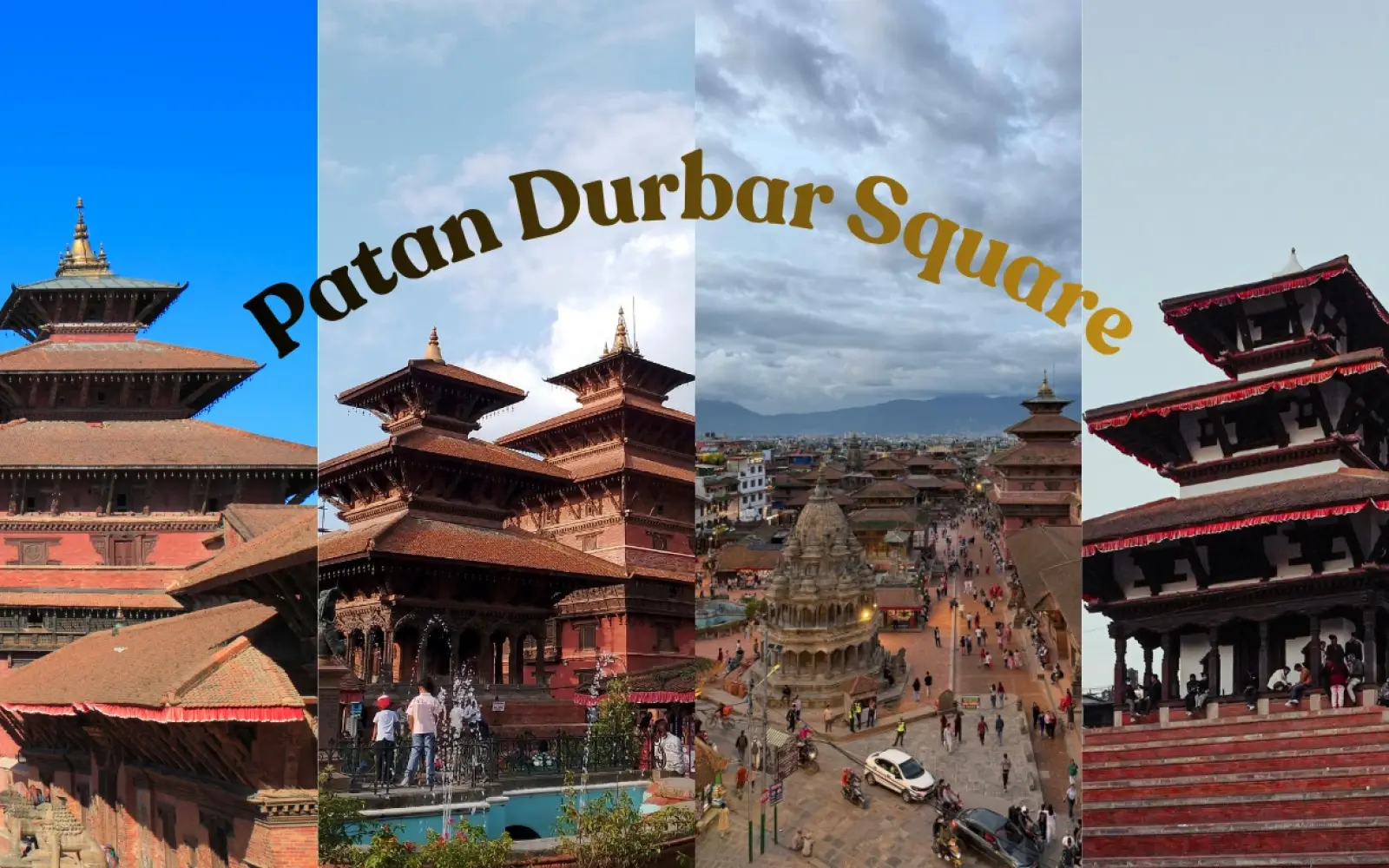
Patan Durbar Square is a UNESCO World Heritage Site in the heart of Lalitpur, Nepal, about 5 km southeast of central Kathmandu. It was the royal palace of the Malla kings of Lalitpur and is today considered the finest surviving example of Newari architecture in Nepal. The square holds more than 55 major temples and 136 courtyards in a compact, walkable space — including the famous all-stone Krishna Mandir and the award-winning Patan Museum.
At Majestic Trails Nepal, we include Patan Durbar Square in our Kathmandu Valley cultural tours, often as a relaxed pre-trek or post-trek day for travelers spending extra time in the capital before heading to the mountains. This guide covers everything you need in one place: the history, who built it, the temples, the entry fee for 2026, opening hours, how to get there, festivals, and the honest comparison with the other two Durbar Squares.
Quick facts — Patan Durbar Square
Detail
Information
Location
Lalitpur (Patan), Kathmandu Valley, Nepal
Newari name
Yala
Other name
Lalitpur Durbar Square
UNESCO status
World Heritage Site since 1979
Foreign entry fee (2026)
NPR 1,000
SAARC entry fee
NPR 250
Nepali citizens
Free (museum NPR 30)
Distance from Kathmandu
~5 km (20-30 min drive)
Major temples
55+
Courtyards (bahals)
136
Built by
Malla kings of Lalitpur
Architecture
Newari (pagoda + shikhara)
What Is Patan Durbar Square?
Patan durbar square Nepal
Patan Durbar Square is the historic royal palace complex of the former Kingdom of Lalitpur, one of the three Malla kingdoms that once ruled the Kathmandu Valley. Today it is a UNESCO World Heritage Site and an open-air museum of temples, palaces, courtyards, and statues built in traditional Newari style.
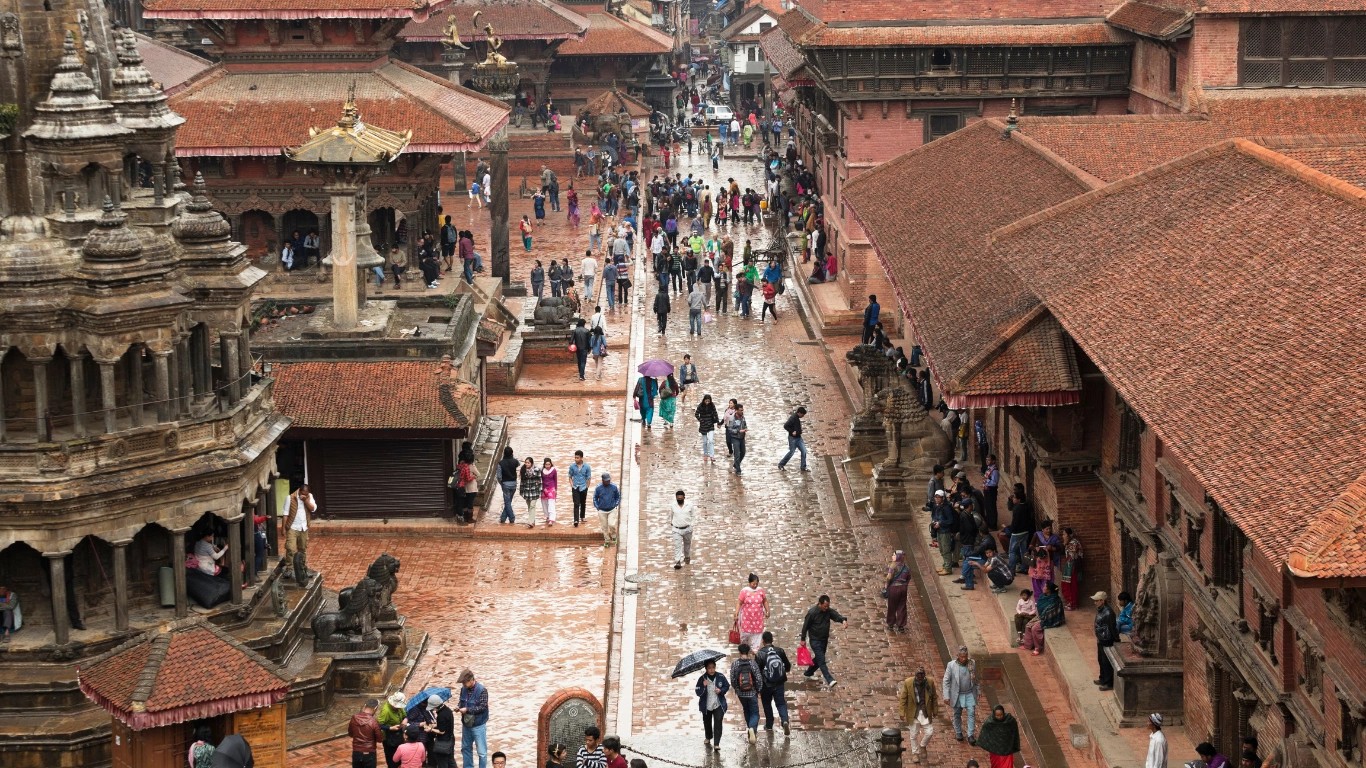
The square sits at the centre of Lalitpur (also called Patan), paved in red brick and bordered with stone. The main temples line up facing the western wall of the old royal palace, with their entrances turned east toward the palace. It is widely regarded as the most artistically refined of the Kathmandu Valley's three Durbar Squares, the other two being Kathmandu Durbar Square and Bhaktapur Durbar Square.
Patan itself carries the nickname "City of Fine Arts," and in 2018 the World Craft Council named it a World Craft City for its living tradition of metalwork, wood carving, stone sculpture, and thangka painting.
Where Is Patan Durbar Square Located?
The location of Patan durbar Square
Patan Durbar Square is located in the centre of Lalitpur, in the Kathmandu Valley of Nepal, approximately 5 km southeast of central Kathmandu. Lalitpur sits just across the Bagmati River from Kathmandu city and is part of the greater Kathmandu metropolitan area.
Location detail
Information
City
Lalitpur (Patan)
Valley
Kathmandu Valley
Province
Bagmati Province
Country
Nepal
Distance from Thamel
~6 km (30-40 min by taxi)
Distance from Kathmandu Durbar Square
~5 km
Nearest airport
Tribhuvan International Airport (~6 km)
Because Lalitpur blends seamlessly into the Kathmandu urban area, many visitors do not realise they have crossed from one city to another. The Bagmati River is the historic boundary between Kathmandu and Lalitpur.
History of Patan Durbar Square
History of Patan
The history of Patan Durbar Square stretches back well over a thousand years, though the monuments visible today were mostly built during the Malla period between the 16th and 18th centuries.
Patan is one of the oldest cities in the Kathmandu Valley. Historical evidence suggests the city existed during the Licchavi period (roughly 3rd to 9th century), and some accounts trace early settlement even further back. The four ancient Ashoka stupas marking the city's cardinal points are traditionally linked to the 3rd century BCE.
The square reached its artistic peak under the Malla kings of Lalitpur. During the late Malla period, the valley was divided into competing kingdoms — Kathmandu, Lalitpur, and Bhaktapur — and each ruler tried to outshine the others by filling his capital with ever-grander temples and palaces. This rivalry is the reason the Kathmandu Valley holds such a dense concentration of monuments today. For Nepalese art and architecture, the Malla period is remembered as the golden age.
Key history timeline:
Period
What happened
Licchavi era (3rd-9th c.)
Early settlement of Patan/Lalitpur
Medieval era
Patan grows as a trade and cultural hub
16th-18th c. (Malla period)
Most temples and palaces built — the golden age
1769
Prithvi Narayan Shah unifies Nepal; Malla rule ends
1979
Listed as UNESCO World Heritage Site
2015
Gorkha earthquake damages several monuments
2016-present
Major restoration completed across the square
Who Built Patan Durbar Square?
Patan Durbar Square was built by the Malla kings of Lalitpur, the rulers of the medieval Kingdom of Patan. While many kings contributed across centuries, the single most important figure was King Siddhi Narsingh Malla, who ruled in the 17th century and led the most ambitious building program in the square's history.
Siddhi Narsingh Malla is credited with commissioning the iconic Krishna Mandir, the Taleju Bhawani Temple, and major parts of the royal palace. Later kings, including Srinivasa Malla and Vishnu Malla, expanded and renovated the complex.
The actual construction was carried out by Newar artisans — the indigenous craftspeople of the Kathmandu Valley, renowned for their mastery of wood carving, stone sculpture, and metalwork. Their skill is the reason the square is celebrated as a masterpiece of Newari architecture, and their descendants still practice these crafts in the surrounding neighbourhoods today.
When Was Patan Durbar Square Built?
Most of the monuments at Patan Durbar Square were built during the Malla period, between the 16th and 18th centuries, with the peak of construction in the 17th century under King Siddhi Narsingh Malla. However, the site itself is far older, with origins in the Licchavi period and a settlement history dating back many centuries earlier.
Build dates of the major structures:
Structure
Year built
Vishwanath Temple
1627
Krishna Mandir
1637
Taleju Bhawani Temple
1640
Bhimsen Temple
1680
Royal Palace
renovated 1674 and 1734
So there is no single "build year." The honest answer is that Patan Durbar Square developed over centuries, but the golden age of construction that gave it its present form was the 17th century under the Malla kings.
When Did Patan Durbar Square Become a UNESCO World Heritage Site?
Patan Durbar Square was inscribed as a UNESCO World Heritage Site in 1979, as part of the larger Kathmandu Valley World Heritage listing. It was not listed individually — it is one of seven monument zones that together make up the "Kathmandu Valley" UNESCO property.
The seven monument zones of the Kathmandu Valley UNESCO site:
Patan Durbar Square
Kathmandu Durbar Square
Bhaktapur Durbar Square
Swayambhunath
Boudhanath
Pashupatinath
Changunarayan
This shared listing is why all three Durbar Squares carry UNESCO status from the same 1979 inscription.
What Is Patan Durbar Square Famous For?
Patan Durbar Square is most famous for being the finest example of Newari art and architecture in Nepal, earning Patan the nickname "City of Fine Arts." It is renowned for the density and quality of its temples, statues, and courtyards packed into one compact, walkable square.
What Patan Durbar Square is famous for:
Krishna Mandir — a rare temple built entirely of stone, with 21 gilded spires
Newari craftsmanship — the finest wood carving, metalwork, and stone sculpture in Nepal
Religious harmony — Hindu and Buddhist shrines standing side by side
The Patan Museum — regarded as one of the finest museums of religious art in Asia
The Golden Temple — a 12th-century Buddhist monastery just outside the square
Living festivals — the longest chariot festival in Nepal (Rato Machhindranath Jatra)
City of Fine Arts — named a World Craft City in 2018
Unlike a frozen monument, Patan Durbar Square is a living heritage site. Locals still worship at the temples daily, artisans still carve statues in the back alleys, and major festivals still process through the square every year.
Temples and Structures in Patan Durbar Square
Temples at patan durbar Square
Patan Durbar Square contains more than 55 major temples and 136 courtyards. The main temples are aligned in a row facing the old royal palace. Here are the most important structures every visitor should know.
Temple / Structure
Built
Dedicated to
Notable for
Krishna Mandir
1637
Lord Krishna
All-stone shikhara temple, 21 gilded spires
Vishwanath Temple
1627
Lord Shiva
Two stone elephants guarding the entrance
Taleju Bhawani Temple
1640
Goddess Taleju
Five-storey royal deity temple (closed to public)
Bhimsen Temple
1680
Bhimsen (god of trade)
Three interconnected golden windows
Golden Temple (Hiranya Varna Mahavihar)
12th c.
Buddha
Gilded Buddhist monastery, just outside the square
Mahaboudha Temple
14th c.
Buddha
Terracotta temple covered in thousands of Buddha images
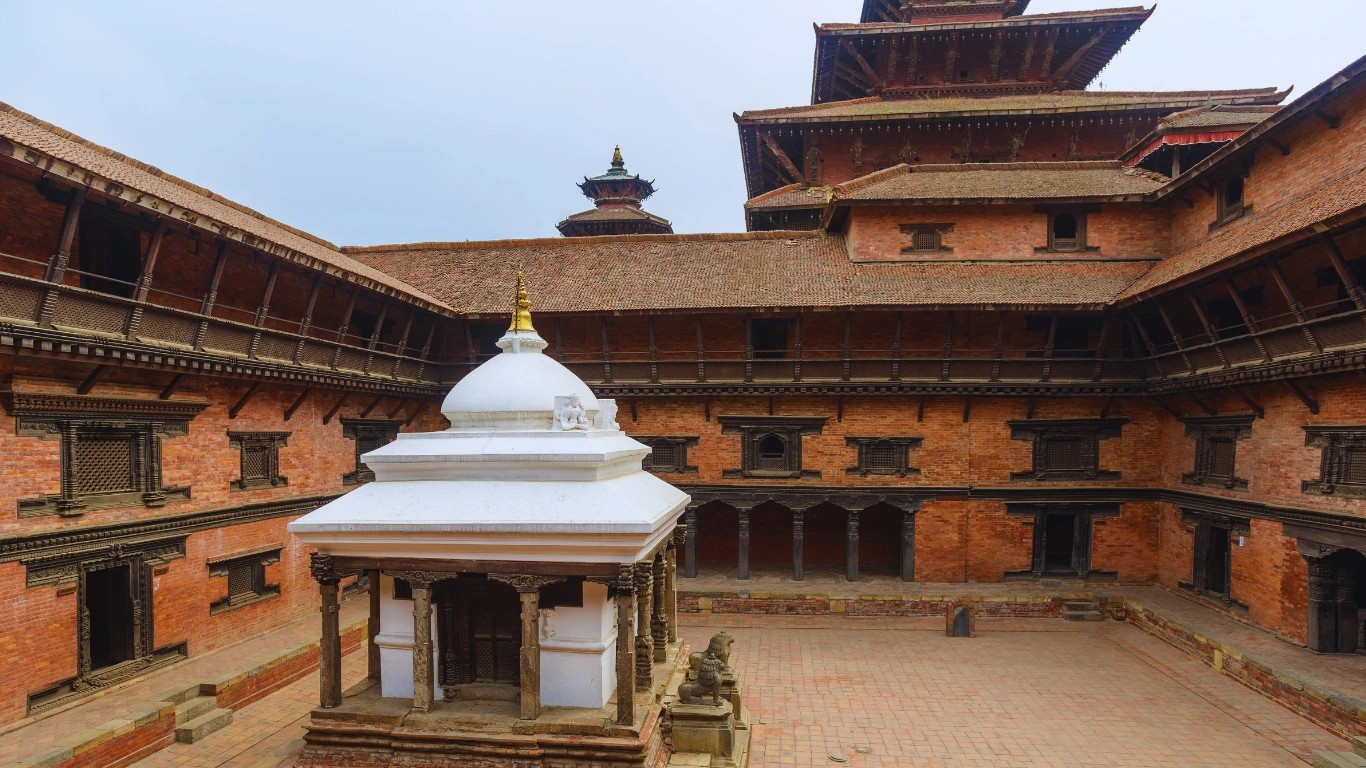
The royal palace and courtyards: The old Malla palace runs along the eastern side of the square and holds three main courtyards — Mul Chowk (the largest, centre of royal rituals), Sundari Chowk (home to the beautifully carved Tusha Hiti sunken water spout), and Keshav Narayan Chowk (which now houses the Patan Museum).
A note on the temples: several active temples, including the Krishna Mandir interior and the Taleju Bhawani Temple, do not allow tourists inside or do not permit photography. Always check the signage or ask before entering or photographing.
Krishna Mandir — The Stone Temple
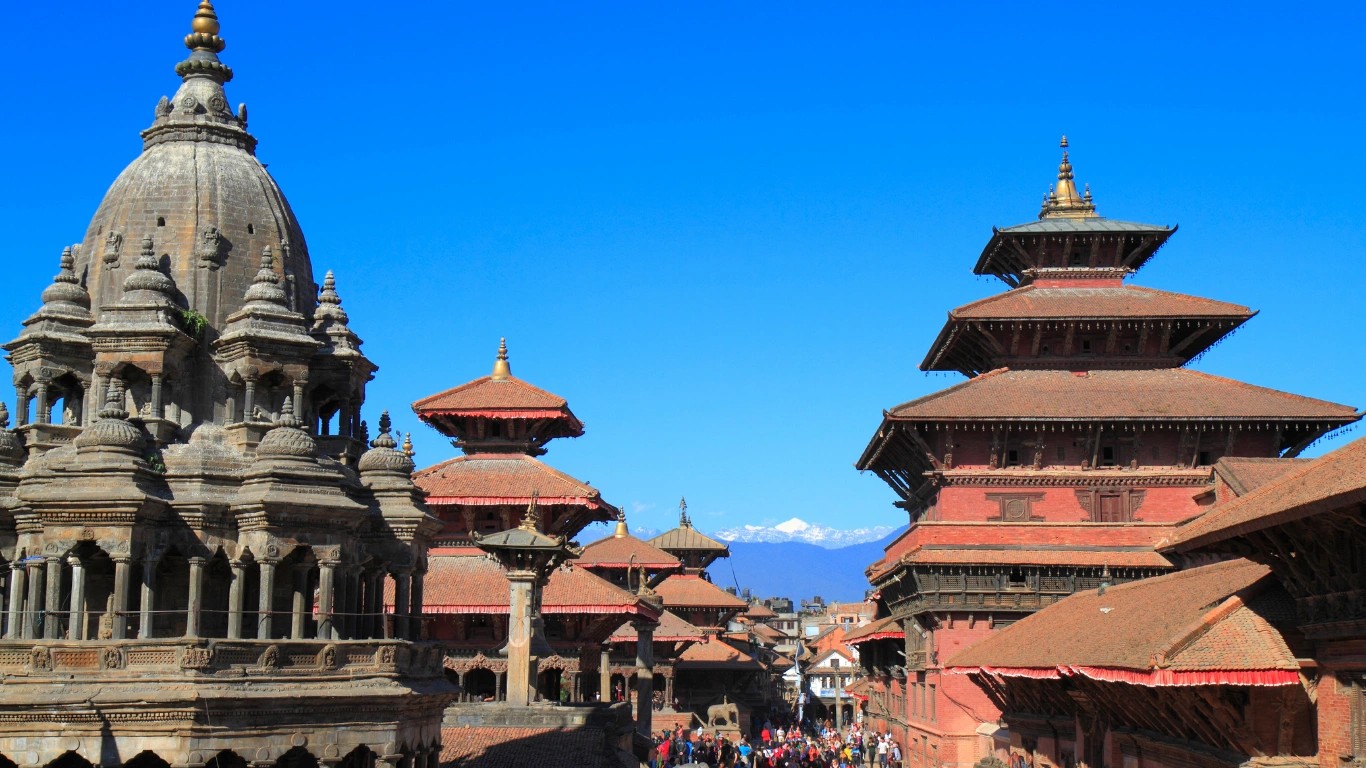
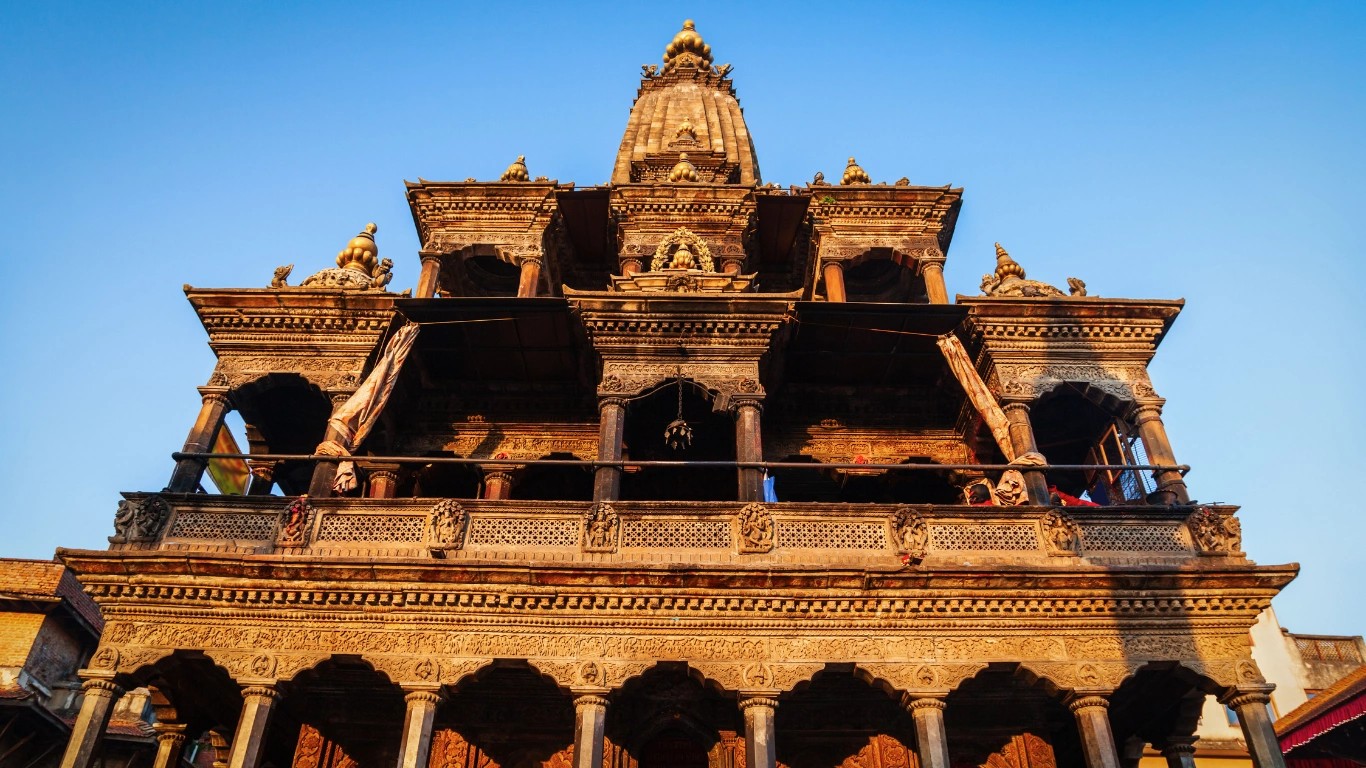
The Krishna Mandir is the most iconic temple in Patan Durbar Square and one of the most remarkable stone temples in Nepal. It was built in 1637 by King Siddhi Narsingh Malla and is dedicated to Lord Krishna, the Hindu deity.
What makes the Krishna Mandir special is that it is built entirely of stone — a rarity in Nepal, where most temples are made of brick, wood, and metal. It is constructed in the shikhara style (a tall, mountain-peak shape borrowed from North Indian temple architecture), and is crowned with 21 gilded spires.
Krishna Mandir — key facts:
Built: 1637 by King Siddhi Narsingh Malla
Style: Shikhara (stone)
Spires: 21 gilded pinnacles
Material: Carved stone throughout
Carvings: Scenes from the Hindu epics Mahabharata and Ramayana run along the beams
Festival: Krishna Janmashtami (August), when thousands of devotees queue to worship
According to legend, King Siddhi Narsingh Malla had a dream of the gods Krishna and Radha standing in front of his palace, and ordered the temple built on that exact spot. During Krishna Janmashtami, the temple becomes one of the busiest pilgrimage sites in the valley, filled with devotees, music, and local vendors late into the night.
Patan Museum
Patan Museum
The Patan Museum is housed inside the old royal palace, in the Keshav Narayan Chowk courtyard, and is widely regarded as one of the finest museums of religious art in Asia. It holds an extensive collection of bronze, copper, and gilded Hindu and Buddhist artifacts spanning many centuries of Nepalese history.
Patan Museum — visitor information:
Detail
Information
Location
Keshav Narayan Chowk, inside the royal palace
Collection
Bronze and gilt-copper statues, religious art, woodcarvings
Languages
Exhibits labelled in English and Nepali
Opening hours
10:30 AM – 5:30 PM
Access
Included with the square entry ticket
What sets the Patan Museum apart is its clear, readable explanations. Many museums in Nepal display objects with little context, but the Patan Museum explains the meaning behind Hindu and Buddhist iconography and Tantric traditions, making it genuinely useful for first-time visitors trying to understand what they are seeing across the rest of the valley.
Newari Architecture of Patan Durbar Square
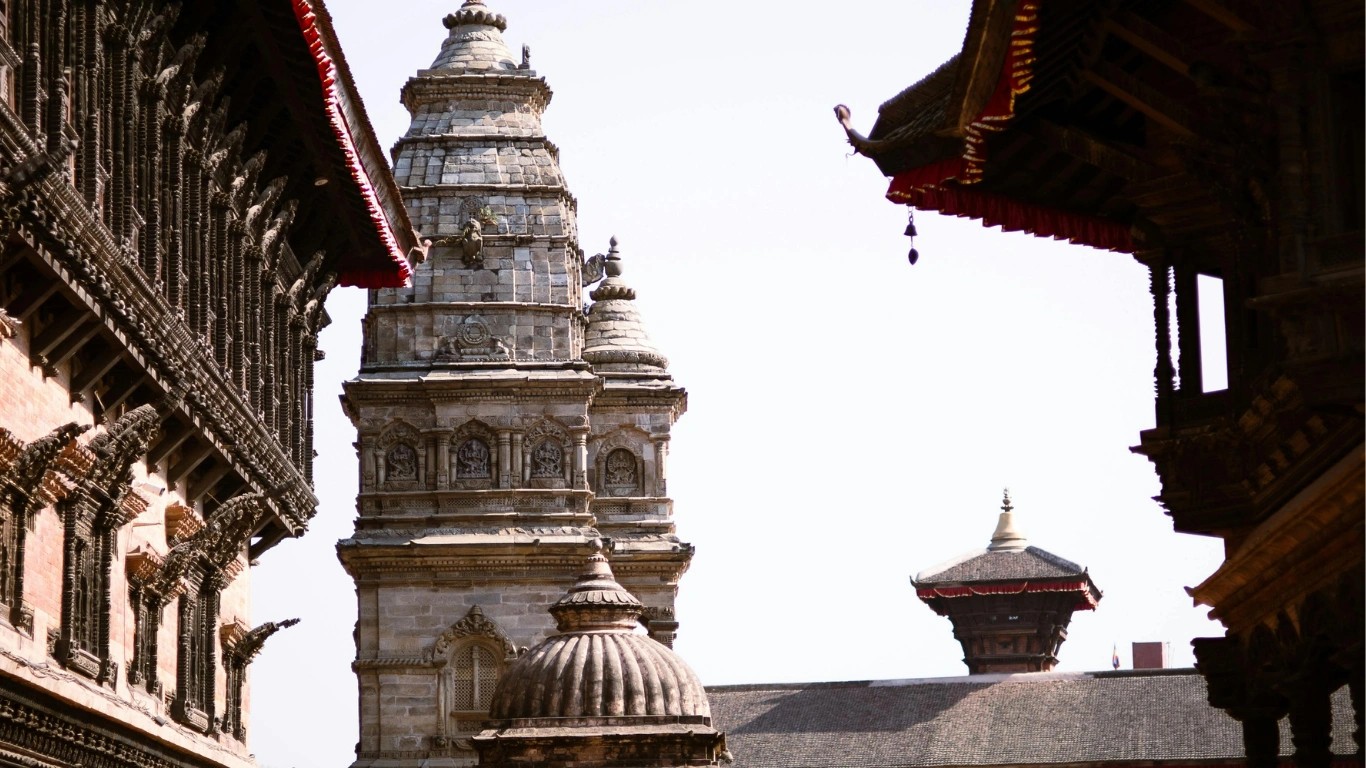
Patan Durbar Square is the best place in Nepal to understand Newari architecture — the building tradition of the Newar people, the indigenous inhabitants of the Kathmandu Valley. The square showcases two main temple styles side by side.
The two architectural styles you will see:
Pagoda style — multi-tiered temples with sloping roofs supported by carved wooden struts. This is the classic Nepali temple form and the one most visitors picture. Examples: Bhimsen Temple, Taleju Temple.
Shikhara style — tall, curved stone towers shaped like a mountain peak, borrowed from North India. Examples: Krishna Mandir, Vishwanath Temple.
Signature features of Newari architecture here:
Intricately carved wooden windows, doors, and roof struts
Red-brick walls bordered and paved with stone
Tiered pagoda roofs, sometimes gilded
Sunken water spouts (hiti), such as the Tusha Hiti in Sundari Chowk
Carved stone guardians — lions, elephants, and mythical figures at temple entrances
Aankhi jhyal — the traditional Newari "eye windows"
The carvings are not just decoration. The stylised eyes of Buddha, the guardian lions, the multi-tiered roofs, and the tantric motifs all carry spiritual meaning, telling religious stories to those who know how to read them.
Patan Durbar Square Entry Fee 2026
The entry fee for Patan Durbar Square in 2026 is NPR 1,000 for foreign nationals and NPR 250 for SAARC nationals. Nepali citizens enter the square free but pay a small fee for the museum. The ticket is valid for the full day and covers both the square and the Patan Museum.
Patan Durbar Square entry fee 2026:
Visitor type
Entry fee
Foreign nationals
NPR 1,000
SAARC nationals (India, etc.)
NPR 250
Nepali citizens
Free (square)
Nepali — museum
NPR 30
Nepali students (with ID)
NPR 10-20
Ticket notes:
Tickets are bought at the main entrance booth or at the Patan Museum
The ticket is valid for 24 hours / one full day
The same ticket covers the square and the Patan Museum
Fees can change — confirm at the ticket counter on arrival
Operator tip: Foreign visitors who plan to spend time in the museum get strong value from the NPR 1,000 ticket, since the museum alone is worth the visit. Keep your ticket on you — staff may ask to see it inside the square.
Opening Hours and Best Time to Visit
Patan Durbar Square is an open public square accessible throughout the day, while the Patan Museum operates from 10:30 AM to 5:30 PM. The best time to visit is during the spring (March-May) and autumn (September-November) seasons, when the valley weather is clear and comfortable.
Best time to visit Patan Durbar Square:
Season
Months
Verdict
Spring
Mar-May
Best — clear skies, pleasant weather, festivals
Autumn
Sep-Nov
Best — crisp air, good light for photography
Winter
Dec-Feb
Good — cool but clear, fewer crowds
Monsoon
Jun-Aug
Lower — rain showers, but lush and green
Best time of day:
Early morning — quiet, soft light, locals performing daily worship
Late afternoon / sunset — the red brick and Krishna Mandir's stone spires turn gold around 5:30 PM, the best light for photography
Festival days — most atmospheric, but very crowded
For photography and a peaceful visit, early morning is ideal. For atmosphere and local life, late afternoon into sunset is hard to beat.
How to Reach Patan Durbar Square
Patan Durbar Square is about 5 km from central Kathmandu and 6 km from Thamel, reachable in 20-40 minutes depending on traffic. The most common options are taxi, ride-share app, or local bus.
How to get to Patan Durbar Square:
From
Transport
Cost
Time
Thamel
Taxi / Pathao / InDrive
NPR 400-700
30-40 min
Kathmandu centre
Taxi
NPR 350-600
20-30 min
Anywhere in valley
Local bus to Lagankhel
NPR 25-50
30-60 min
Airport
Taxi
NPR 600-900
30 min
Getting there honestly:
Taxi or ride-share (Pathao, InDrive) is the easiest — agree the fare or use the app before you start
Local bus to Lagankhel bus park, then a 10-minute walk, is cheapest but slower and harder for first-timers
Walking from Kathmandu is possible but not recommended through heavy traffic
Kathmandu traffic is unpredictable — allow extra time, especially late afternoon
The square itself is fully walkable once you arrive. Vehicles are restricted inside the heritage zone, so you will explore entirely on foot.
Patan Durbar Square After the 2015 Earthquake
Patan Durbar Square was significantly damaged in the April 2015 Gorkha earthquake, which destroyed or damaged several temples and structures across the Kathmandu Valley. As of 2026, the great majority of the square has been restored, and most key monuments are fully rebuilt and open to visitors.
Earthquake damage and restoration:
Several temples partially or fully collapsed in 2015, including the Hari Shankar Temple
The historic Degu Taleju temple has since been fully reconstructed
Restoration used traditional materials and Newari craftsmanship to preserve authenticity
By 2026, roughly 95% of the square's key attractions are restored and open
Some minor restoration work may still be visible in places
The restoration is itself part of the story. Watching traditional artisans rebuild centuries-old temples using the same techniques their ancestors used is a reminder that Patan is a living craft city, not a frozen monument.
Festivals at Patan Durbar Square
Patan Durbar Square is one of the most festival-rich places in Nepal, hosting celebrations almost every month of the year. The Newar community of Patan is famous for its love of festivals, and the square comes alive with chariot processions, music, masked dances, and rituals throughout the year.
Major festivals at Patan Durbar Square:
Festival
When
What happens
Rato Machhindranath Jatra
Apr-Jun
Nepal's longest chariot festival — a ~60-ft chariot pulled through Lalitpur over weeks
Krishna Janmashtami
Aug
Thousands worship at Krishna Mandir on Krishna's birthday
Gai Jatra
Aug-Sep
Cow procession honouring the dead, with humour and satire
Bhoto Jatra
May-Jun
The climax of Rato Machhindranath — the sacred jewelled vest is displayed
Mataya
Aug
Buddhist festival of lights through the city
Rato Machhindranath Jatra is the headline event — the longest chariot festival in Nepal. A towering wooden chariot is hand-built and hauled through Lalitpur's streets over several weeks, honouring Bunga Dyah, the god of rain and harvest. The festival dates back to a legend of a 12-year drought broken by bringing the rain deity to the valley. It ends with Bhoto Jatra, when a sacred jewel-studded vest is shown to the crowd.
Operator tip: Visiting during a festival is unforgettable but crowded. If you want quiet sightseeing and clear photos, avoid the major festival dates. If you want raw living culture, time your visit for one.
Restaurants and Cafés Near Patan Durbar Square
Patan Durbar Square is surrounded by rooftop cafés and traditional Newari restaurants, many with views directly over the temples. This is one of the best places in the Kathmandu Valley to try authentic Newari cuisine.
Where to eat near Patan Durbar Square:
Rooftop cafés around the square — coffee, snacks, and meals with temple views; ideal for a rest mid-visit
Traditional Newari restaurants — for an authentic local meal
Honacha — a long-running local spot known for Newari thali and snacks, tucked just off the square
Newa Ghasa and similar local eateries — classic Newari dishes
Newari dishes worth trying:
Chhoila — spiced grilled buffalo meat
Bara — savoury lentil patty
Yomari — steamed rice-flour dumpling with sweet filling
Sukuti — dried spiced meat
Samay baji — a traditional Newari platter combining several items
Juju dhau — Bhaktapur-style "king curd," sometimes found here too
The rooftop cafés are perfect for a coffee break with a view, while the back-alley Newari eateries give you the real local flavour. Sitting on a rooftop watching the square turn gold at sunset, with a plate of Newari food, is one of the quiet highlights of a Patan visit.
Patan vs Kathmandu vs Bhaktapur Durbar Square
The Kathmandu Valley has three royal Durbar Squares, all UNESCO World Heritage Sites, and many visitors wonder which one is worth their time. Here is the honest operator comparison.
Feature
Patan
Kathmandu
Bhaktapur
Location
Lalitpur, 5 km south
Central Kathmandu
13 km east
Best known for
Fine arts, stone Krishna Mandir, museum
Living Goddess Kumari, central location
Best preserved, most spacious, pottery
Foreign entry fee
NPR 1,000
NPR 1,000
NPR 1,800
Atmosphere
Artistic, refined, walkable
Busy, urban, central
Open, medieval, fewer vehicles
Crowds
Moderate
Highest
Moderate-high
Best for
Art and craft lovers
Quick central visit
Immersive medieval feel
Honest verdict: If you only see one, Bhaktapur is the most complete medieval experience and Patan is the richest for art and craftsmanship. Kathmandu Durbar Square is the most convenient if you are short on time and staying near Thamel. Many visitors with two or three days see all three, since each has a distinct character. Patan stands out for the quality of its individual monuments — especially the all-stone Krishna Mandir and the Patan Museum — in a compact, easy-to-walk space.
Things to Do Near Patan Durbar Square
Beyond the square itself, the surrounding old city of Patan is full of hidden temples, craft workshops, and quiet courtyards. It rewards visitors who wander beyond the main attractions.
Things to do near Patan Durbar Square:
Golden Temple (Hiranya Varna Mahavihar) — a stunning 12th-century gilded Buddhist monastery, a short walk north
Mahaboudha Temple — the "temple of a thousand Buddhas," covered in terracotta tiles
Kumbeshwar Temple — one of the oldest temples in Patan, with a five-tiered roof
Rato Machhindranath Temple — home of the rain god, in a spacious courtyard
Kumari Ghar of Patan — home of the local Living Goddess
Explore the back alleys — hidden courtyards (bahals), small stupas, and daily Newari life
Patan is best experienced slowly. Once you have seen the main square, simply walking the narrow surrounding lanes — where craftsmen still hammer copper and carve stone exactly as their ancestors did — is the most rewarding part of a visit.
Frequently Asked Questions
Where is Patan Durbar Square located?
Patan Durbar Square is in the centre of Lalitpur (Patan), in the Kathmandu Valley of Nepal, about 5 km southeast of central Kathmandu. Lalitpur sits just across the Bagmati River from Kathmandu city.
Who built Patan Durbar Square?
It was built by the Malla kings of Lalitpur, with the most important contributions made by King Siddhi Narsingh Malla in the 17th century. The actual carving and construction was done by Newar artisans, the master craftspeople of the Kathmandu Valley.
When was Patan Durbar Square built?
Most of the monuments were built during the Malla period (16th-18th centuries), peaking in the 17th century. The site itself is much older, with origins in the Licchavi period. There is no single build year — it developed over centuries.
When did Patan Durbar Square become a UNESCO World Heritage Site?
It was inscribed in 1979 as part of the Kathmandu Valley World Heritage Site, which includes seven monument zones in total.
What is the entry fee for Patan Durbar Square in 2026?
The entry fee is NPR 1,000 for foreign nationals and NPR 250 for SAARC nationals. Nepali citizens enter the square free and pay NPR 30 for the museum. The ticket is valid for the full day and includes the Patan Museum.
What is Patan Durbar Square famous for?
It is famous for being the finest example of Newari art and architecture in Nepal, especially the all-stone Krishna Mandir with its 21 gilded spires, the Patan Museum, and the dense collection of Hindu and Buddhist temples in one compact square. Patan is nicknamed the "City of Fine Arts."
What are the opening hours of Patan Durbar Square?
The square is an open public space accessible through the day. The Patan Museum is open from 10:30 AM to 5:30 PM.
How do I get to Patan Durbar Square from Thamel?
It is about 6 km from Thamel, reachable in 30-40 minutes by taxi or ride-share app (Pathao, InDrive) for around NPR 400-700, depending on traffic.
Is Patan Durbar Square worth visiting?
Yes. It offers the highest concentration of fine Newari art and architecture of the three Durbar Squares, in a compact and walkable space, plus one of Asia's finest museums of religious art. It is especially rewarding for travelers interested in art, craft, and history.
What is the difference between Patan and Kathmandu Durbar Square?
Both are UNESCO-listed royal squares. Patan (in Lalitpur, 5 km south) is known for fine arts, the stone Krishna Mandir, and the Patan Museum, with a refined, walkable feel. Kathmandu Durbar Square is in the busy city centre and is best known for the Living Goddess Kumari and its central location.
A Living Museum of Newari Art
Patan Durbar Square is the cultural heart of Lalitpur and, for many travelers, the most rewarding of the Kathmandu Valley's three Durbar Squares. In one compact, walkable space you can see a temple carved entirely from stone, one of the finest art museums in Asia, gilded Buddhist monasteries, and Newar artisans still practicing crafts passed down for centuries.
At Majestic Trails Nepal, we recommend Patan as a relaxed cultural day — especially for trekkers arriving a day or two early before heading to the mountains, or unwinding in the valley after a long trek. It pairs naturally with Kathmandu and Bhaktapur Durbar Squares for travelers who want to understand the valley's royal history before walking into the Himalayas.
After more than 10 years guiding visitors across Nepal, our honest view is this: the mountains are why most people come to Nepal, but the Kathmandu Valley's heritage is why many of them fall in love with the country. Patan Durbar Square is the best single place to feel that.
→ Contact Majestic Trails Nepal — we arrange guided Kathmandu Valley cultural tours, including Patan, Bhaktapur, and Kathmandu Durbar Squares
Related Travel Blogs
Join our Newsletter
Sign up to stay updated with latest offers, recent events and more news.